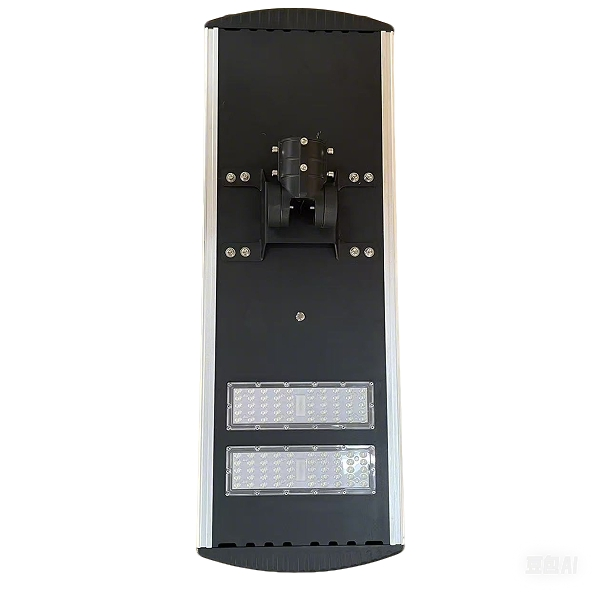
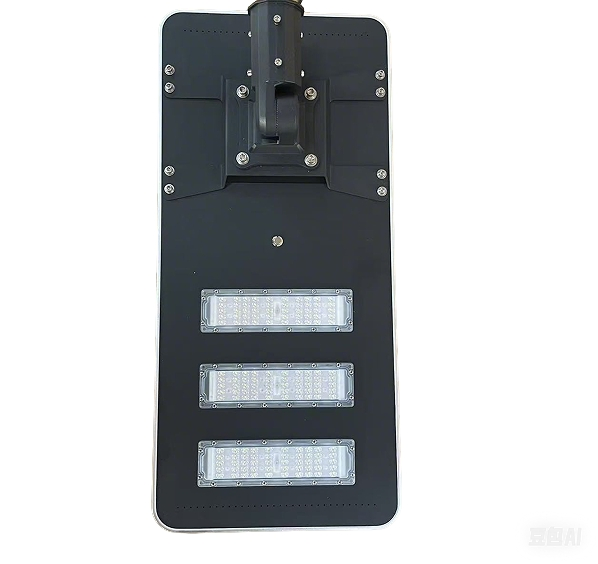
1 / 5

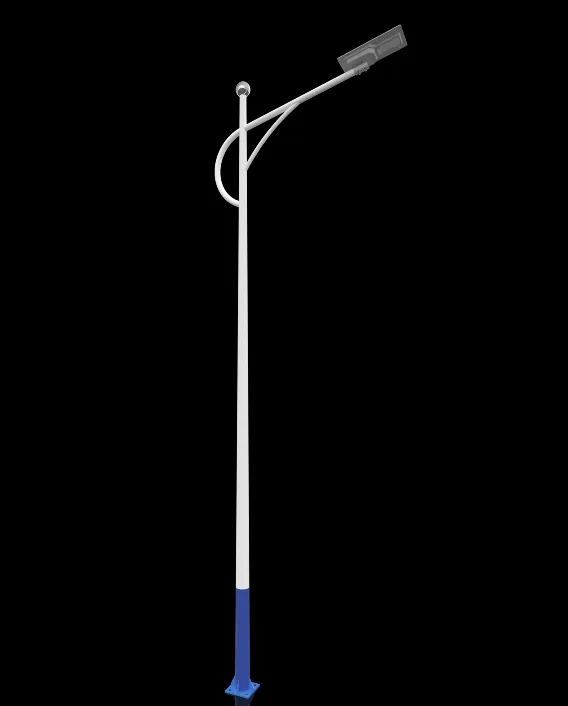
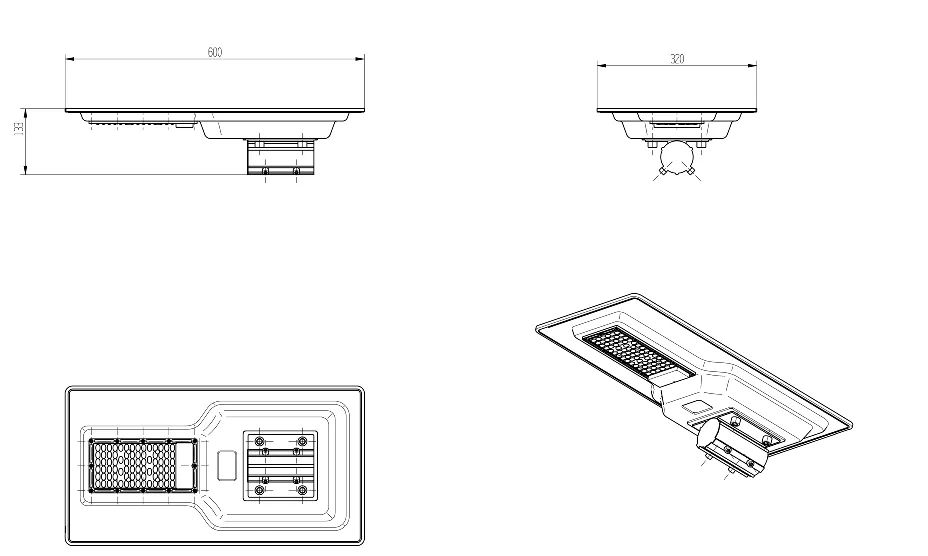
| Technical Specifications | |
|---|---|
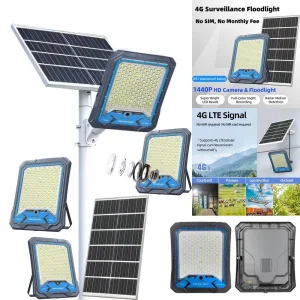
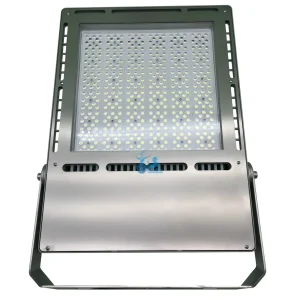
| Application | ROAD/STREET/GARDEN/CAMPUS |
| Power | 40W/50W/60W/80W/100W/120W |
| Efficacy | 220lm/w |
| Material | Die-cast aluminum + aluminum alloy |
| Lamp color | Black sand texture + frosted bright silver |
| CCT | 3000K, 4000K, 5000K, 5700K |
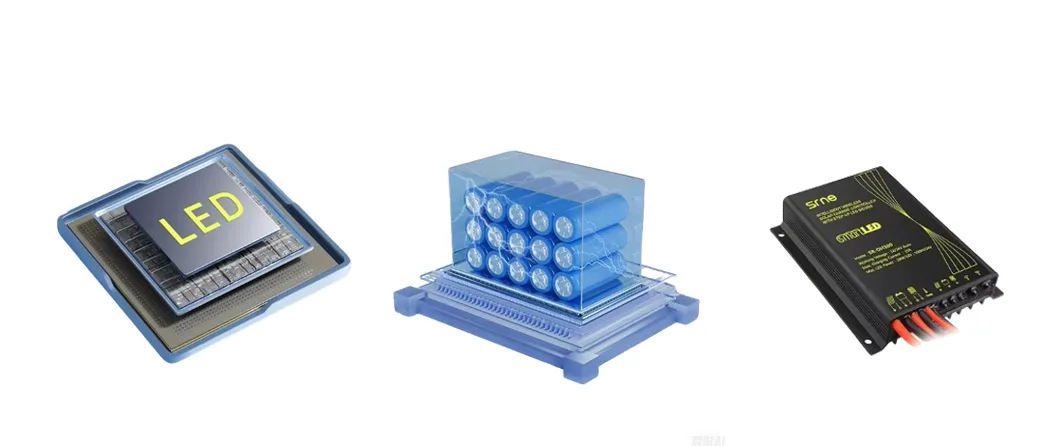
| Battery type | LIFEPO4 12.8V 230-691wh |
| Controller | MPPT 50W 10A |
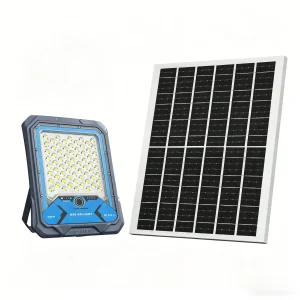
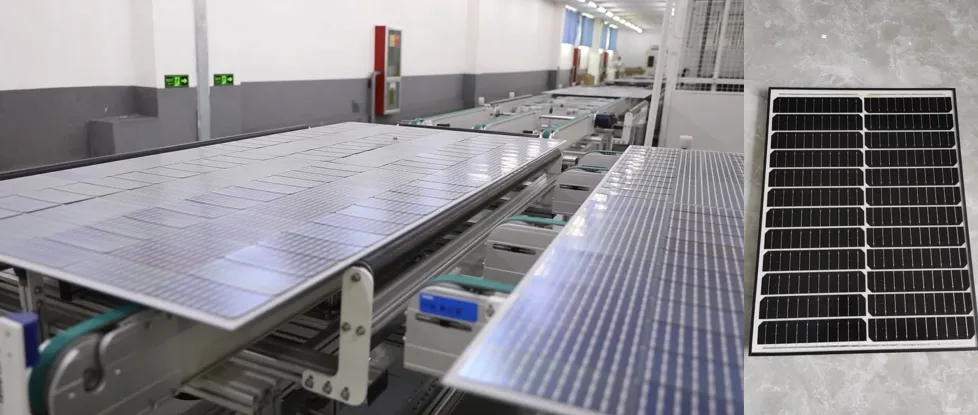
| Solar panel | mono silicon 65w/70W/100W/120W |
| Charging time | 6-8H |
| Lighting time | 6-12H adjustable |
| Switching method | Press the button to turn on |
| Control mode | Light control + time control |
| Installation method | Installation with an outrigger cantilever / Installation with a vertical straight rod |
| Installation diameter | ø82*120mm |
| Installation height | 7-9 meter |
| IP rate | IP66 |
| Certification | rohs, CCC, ce |
| Warranty | 5year |
| Net weight | 17.2kg |
| Package term | Carton Box |
| Working temperature | -35 - 50 |
| Production Capacity | 100000 |
| HS Code | 9405410000 |
The design and configuration of a solar street light system are key factors. It is related to whether the road can be illuminated reasonably and permanently. The wattage of the street light is related to whether the road can be illuminated, and its light efficiency refers to the efficiency of the street light in using energy. The power and type of solar panels are related to the energy collection capacity, that is, how long it takes to fully charge the battery with effective sunlight. The battery capacity and type should be related to whether the street light can be continuously driven during night lighting. The charge controller and lamp controller are directly related to whether the entire system can operate efficiently, stably and intelligently. These parameters and components of solar street lighting systems, if configured unreasonably, will affect the normal operation of solar street lighting systems. For example, a lamp with a wattage that is too small will result in a street light that cannot adequately illuminate the road, while a lamp that is too large may result in wasted energy. If the solar panel is too small, it cannot ensure that the light energy is collected in time and stored in the battery. If the battery capacity is too small, the street lights may not be able to meet energy needs at night, etc. On the contrary, a deep understanding of these parameters can help create efficient, rational and sustainable solar street light systems that provide reliable urban lighting.
The first step in designing a solar street light system is to find out the wattage and energy consumption of the LED street lights, as well as the energy consumption of other parts that require solar power, such as WiFi, cameras, etc. How to calculate the total energy consumption of your solar system? The following two main steps need to be followed: 1. Calculate the wattage/luminous flux of the lamp; 2. Calculate the power consumption of the lamp. The unit of the former is wattage, while the latter is watt-hour.
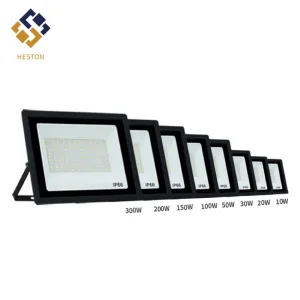
The wattage of the lamp is closely related to the lighting needs of the road, and whether it can be met depends on it. Customers usually specify the wattage parameter when requesting solar street lighting systems. As a professional street light supplier, we recommend using luminous flux as the main reference factor, because high-efficiency street lights can achieve the required luminous flux requirements with lower wattage. If a customer's wattage request seems unreasonable, we should use lighting simulation to assist in determining the most appropriate fixture wattage. This is because too high a wattage will only lead to unnecessary waste of energy and may even cause light pollution problems. Additionally, high wattage increases the demands placed on batteries and solar panels by a solar system. Conversely, choosing the right wattage can make lighting more efficient and reduce battery and solar panel requirements.
The total watt-hours is the electrical energy consumed by solar street lighting system every day, which directly affects the capacity of the battery and the power selection of the solar panel. To calculate the daily energy consumption (total watt-hours) of a street light, you need to know two main factors: the wattage of the fixture during different time periods and the number of operating hours during each time period. The formula for calculating the total watt-hours per day is as follows: Total watt-hours per day = Electricity consumption 1 (W) × Number of working hours in the first time period + Electricity consumption 2 (Watts) × Number of working hours in the second time period + Power consumption 3 (Watts) × Number of working hours in the third time period + … + Power consumption x (Watts) × Number of working hours in the xth time period. For example, assuming a street light with a wattage of 100W street light works 12 hours a day, with the first 6 hours working at 100% power and the last 6 hours working at 50% power, then the total daily watt-hours are calculated as follows: Total daily watt hours = 100W × 6 hours + 50W × 6 hours = 900 watt hours (Wh). The calculation results can be used in the following sections to determine the battery capacity and solar panel power required for the solar street light system.
| Model Details | Solar Panel | Solar Controller | Pole Height |
|---|---|---|---|
| 6M 30W SOLAR STREET LIGHT | SOLAR PANEL :80W MONO | SOLAR CONTROLLER :10A 12V | POLE HIGHT:6 M |
| 8M 60W SOLAR STREET LIGHT | SOLAR PANEL :150W MONO | SOLAR CONTROLLER :10A 24V | POLE HIGHT:8 M |
| 9M 80W SOLAR STREET LIGHT | SOLAR PANEL :2x100W MONO | SOLAR CONTROLLER :15A 24V | POLE HIGHT:9M |
| 10M 100W SOLAR STREET LIGHT | SOLAR PANEL :2x120W MONO | SOLAR CONTROLLER :20A 24V | POLE HIGHT:10M |
We specialize in high-performance road lighting solutions designed for urban and rural applications. Our street lights for sale include energy-efficient outdoor street lights, solar road lights, tunnel lights, medium and high mast lights (LED stadium lights), LED road light modules, and IoT lamps. As a professional street lamp manufacturer, we produce whole LED lights for roads, lamp fixtures, and optical modules, ensuring maximum flexibility. Our standout advantage is achieving an impressive luminous efficacy of up to 250.5LM/W, setting us ahead of most industry products in efficiency and performance. We deliver reliable, eco-friendly solutions for highways, residential streets, and public spaces worldwide.
The total watt-hours is the electrical energy consumed by solar street lighting system every day, which directly affects the capacity of the battery and the power selection of the solar panel. To calculate the daily energy consumption (total watt-hours) of a street light, you need to know two main factors: the wattage of the fixture during different time periods and the number of operating hours during each time period. The formula for calculating the total watt-hours per day is as follows: Total watt-hours per day = Electricity consumption 1 (W) × Number of working hours in the first time period + Electricity consumption 2 (Watts) × Number of working hours in the second time period + Power consumption 3 (Watts) × Number of working hours in the third time period + … + Power consumption x (Watts) × Number of working hours in the xth time period. For example, assuming a street light with a wattage of 100W street light works 12 hours a day, with the first 6 hours working at 100% power and the last 6 hours working at 50% power, then the total daily watt-hours are calculated as follows: Total daily watt hours = 100W × 6 hours + 50W × 6 hours = 900 watt hours (Wh). The calculation results can be used in the following sections to determine the battery capacity and solar panel power required for the solar street light system.
The size of solar panels required for a solar street light system depends on several factors, including two main factors: total watt-hours and local sunshine coefficient. Total watt hours is how much electricity your street lights use over the course of a day, which we detailed in the previous section. The local sunshine coefficient is related to the amount of sunlight available at the location of the street light. For example, when installing solar street lights in Saudi Arabia and Cameroon, the choice of solar panels varies greatly. After checking, we learned that the effective sunshine duration in Saudi Arabia is 6.2 hours, while Cameroon only has 4.6 hours. For a street light that consumes 900WH, after calculation, the battery panel power required by the former =900*1.333/6.2=193.5 Wp, and the battery panel power required by the latter=900*1.333/4.6=260.8 Wp. From this we can conclude that the more sunlight there is, the smaller the solar panels you need and vice versa.
After the theoretical panel capacity is obtained, we calculate the actual required panel capacity. The capacity of solar panels provided by suppliers is often an integer, so I need to increase the calculation result to the next highest integer. For example, the calculation result is 193.5Wp, and our actual configuration is 200Wp. In addition, by installing higher-power photovoltaic modules, the overall system performance will be better and the battery life will be extended. If fewer PV modules are used, the system may not work at all on cloudy days and battery life will be shortened because the battery is in a drained state for a long time.
- Calculate the total watt hours used by the light fixture per day, see previous section.
- Calculate battery loss, usually calculated as 0.9.
- Calculate the depth of discharge of the battery. Generally, lead-acid batteries are calculated as 0.7, and lithium batteries are calculated as 0.8.
- Calculate the number of autonomous operation days (that is, the number of days the system needs to operate without photovoltaic panels to generate electricity).
In addition to components such as LED street lights, solar panels, and batteries, solar street lighting systems also require charge and discharge controllers to connect these components. The charge and discharge controller plays an important role in the system. It connects the solar panels and batteries, and also connects the batteries and LED street lights. The controller manages the charging of the solar panels to the batteries and the supply of power from the batteries to the street lights. The functions of the charge and discharge controller include ensuring that the battery is charged within a safe range and preventing overcharging or over-discharging, thereby extending battery life. Some controllers also integrate LED driving functions, which can convert 24V or 12V power into operating current suitable for LED chips. If this feature is not integrated, the system may require additional DC LED drivers to light the LED fixtures.
In addition, solar controllers also have other functions, such as controlling the switch of LED lamps, adjusting the brightness of lamps, and equipped with sensors to achieve real-time dimming. Therefore, it can be said that the solar controller (MPPT/PWM) plays a key role in the system, connecting and coordinating the normal operation of various components of the system. Without it, the system may not function properly. It can be regarded as the core of the solar system, maintaining the stable operation of the entire system.
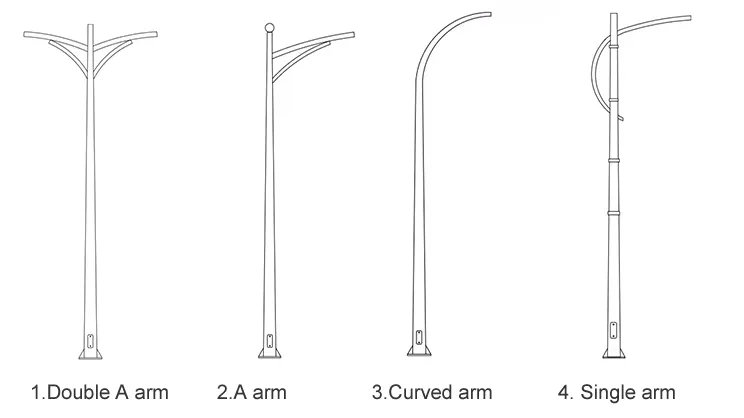
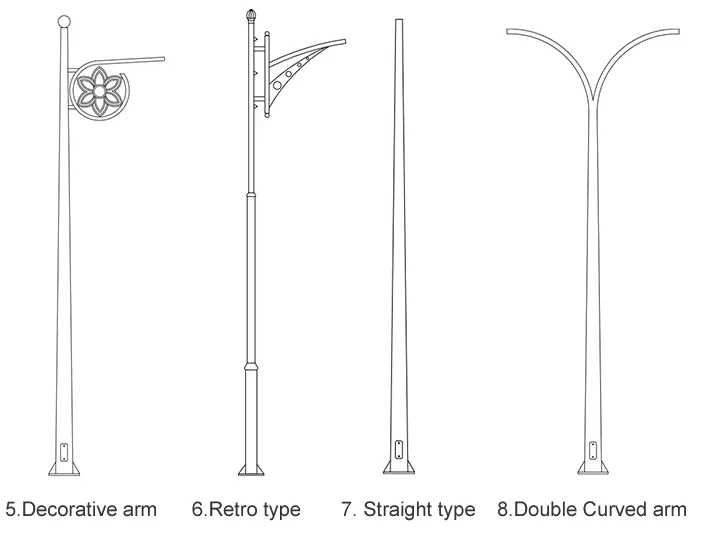
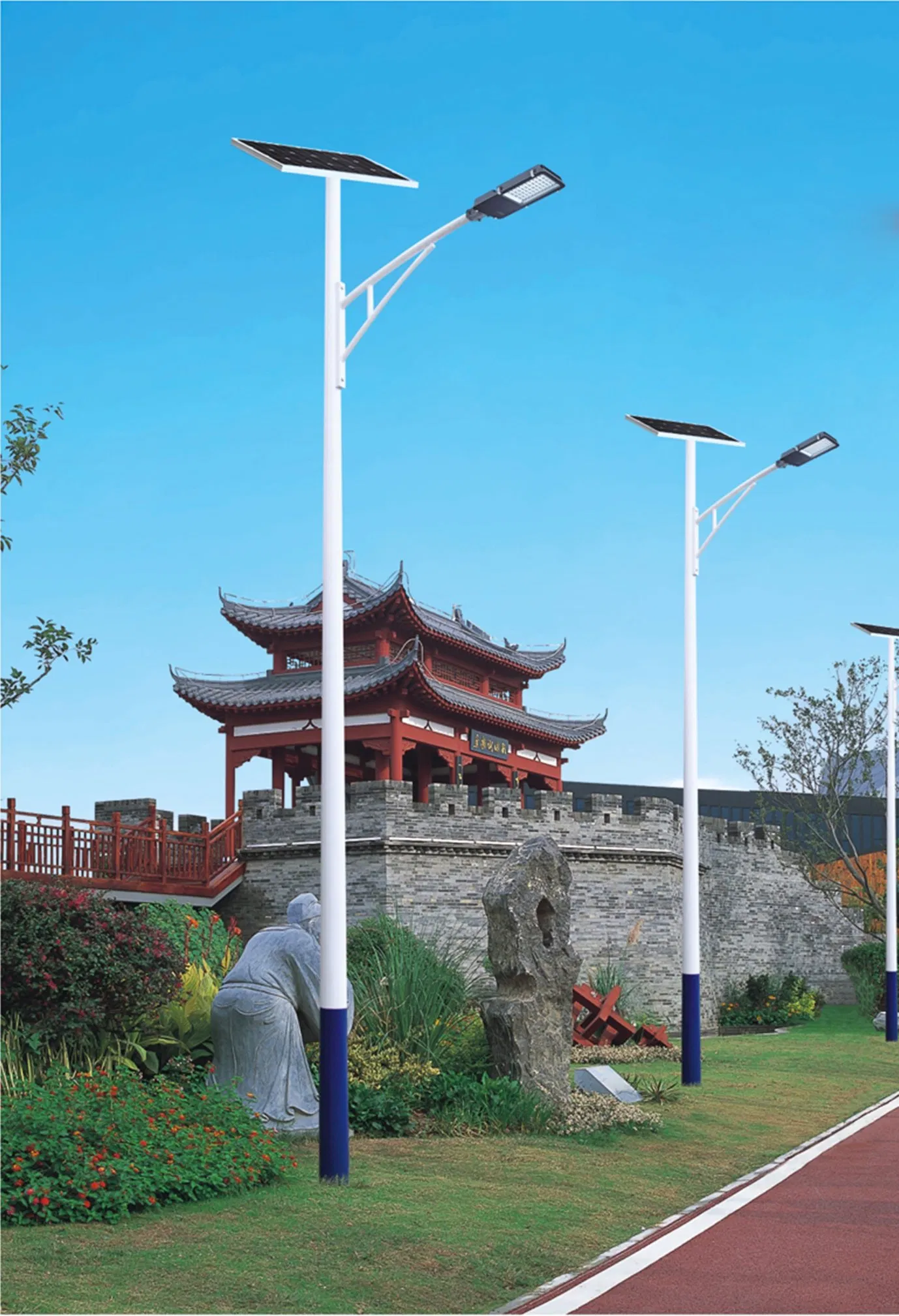
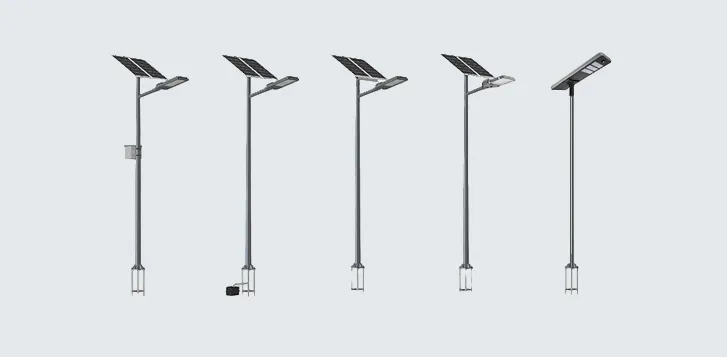
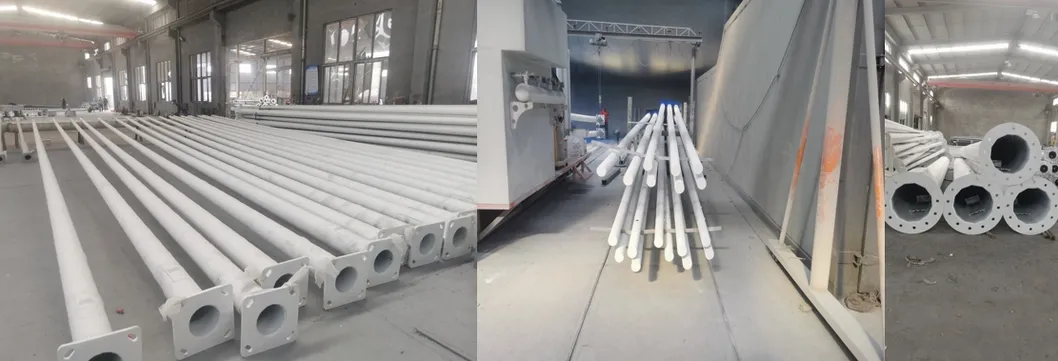
There are a variety of lamppost designs available for customers to choose from.