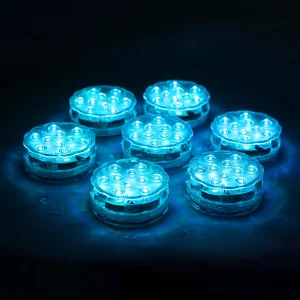
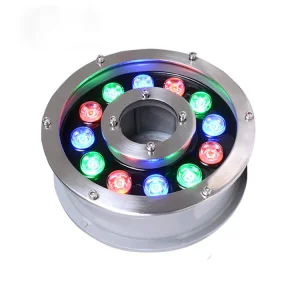
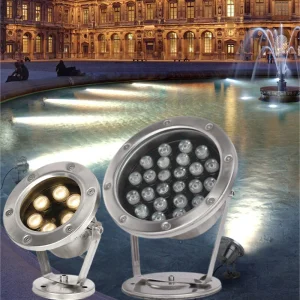
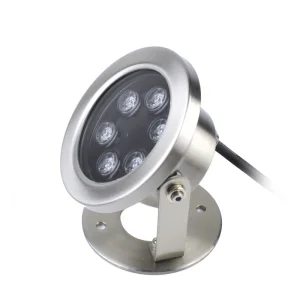
High-performance underwater LED luminaires engineered for structural reliability, superior ingress protection, and thermal efficiency.
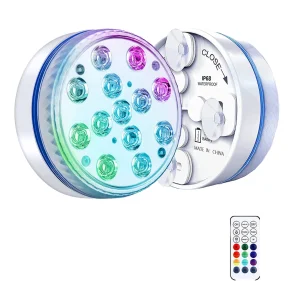
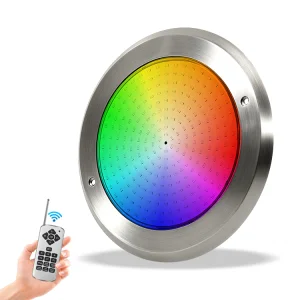
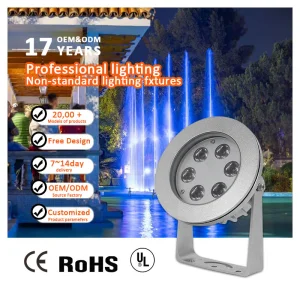
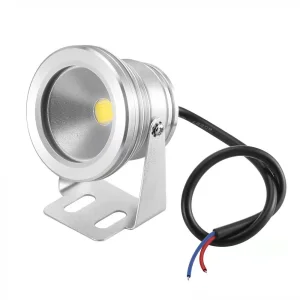
Analyzing macro commercial demands, manufacturing clusters, and trade dynamics governing high-durability aquatic luminaires.
The global demand for reliable pond and submersible lights has shifted from basic architectural enhancement to sophisticated, safety-certified, and energy-efficient systems. Across municipal water development, premium resort landscaping, aquaculture, and deep-pool construction, specifications require materials and designs that withstand extreme hydrostatic pressures, constant mineral exposures, and volatile chemical environments. Standard IP67 landscape fittings are obsolete in these deep-water parameters; engineers now demand structural integrity rated at IP68, using marine-grade stainless steels and UV-stabilized impact-resistant polymers.
As factories and exporters, manufacturers like Jiangmen Dixon Lighting Co., Ltd. align their output with strict international benchmarks, obtaining ETL, CE, and RoHS certifications. Modern supply chains prioritize direct factory integration, ensuring custom optical layouts, specialized beam angles (from narrow 15° spotlights to wide 120° floodlights), and integrated control systems like DMX512 or RF controls are tested and compiled in-house before global export.
Breaking down the design strategies, thermal mechanics, and chemical engineering that prevent underwater fixture failures.
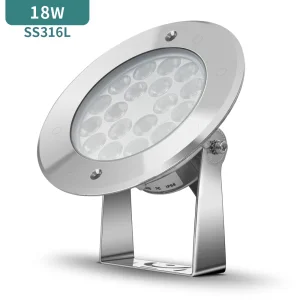
Standard metals rust rapidly when exposed to chlorinated or saline water. Utilizing premium 316L and 316 grade stainless steel with molybdenum prevents pitting and crevice corrosion, ensuring structural integrity for decades.
Water acts as an excellent heat sink, allowing submersible lights to utilize high-density SMD LED configurations. However, thermal cutoff systems are integrated to protect the chips if the fixture is operated dry.
By combining CNC-machined thread tolerances, vulcanized silicone gaskets, and optical-grade polyurethane potting compounds, water ingress via high capillary pressure is structurally eliminated.
One of the most persistent failure points in underwater lighting is moisture ingress caused by cable capillary action. Temperature cycles inside the lamp create an internal vacuum when the light is turned off, sucking moisture directly through the copper strands of the power cable. Professional factories overcome this by utilizing over-molded cable entry points and specialized anti-capillary water-stop connectors. Additionally, the cables themselves must conform to H07RN8-F rubber-sheathed standards, designed explicitly for permanent submersion in water.
Water scatters light significantly more than air. A standard 60-degree beam angle in air behaves differently underwater due to the refractive index of water (approximately 1.33). Specialized optical designs are required to maintain illumination efficiency. By employing Total Internal Reflection (TIR) acrylic lenses, Dixon Lighting ensures that light is directed precisely to the target feature (e.g., waterfall cascades, fountain jets) without excessive scattering, reducing glare and energy waste in deep-pool installations.
How standardized and custom submersible lights are integrated across municipal, commercial, and residential projects.
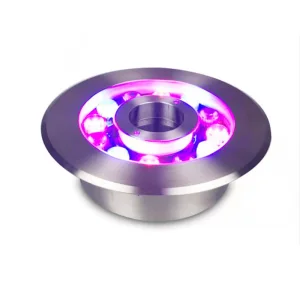
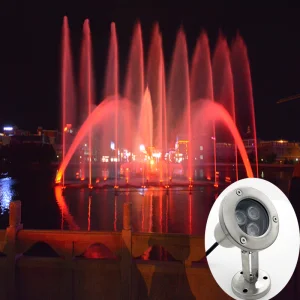
Fountain installations demand robust control protocols like DMX512 to sync lighting effects with musical programs. Ring-shaped and nozzle-mounted submersible lights are configured to wrap directly around fountain heads, offering dynamic RGBW color mixing with immediate driver response times.
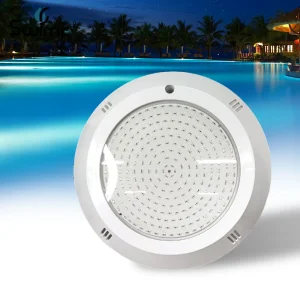
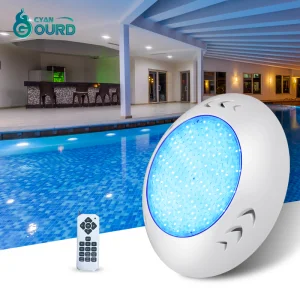
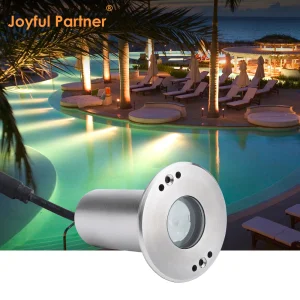
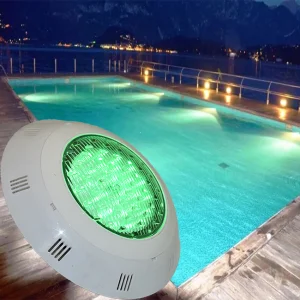
Commercial and residential swimming pools require high-impact resistance and zero electrocution risk. Polycarbonate (PC) PAR56 lights and recessed 316 stainless steel fixtures run on 12V low-voltage lines, providing soft, diffused illumination across large underwater surfaces while meeting safety codes.
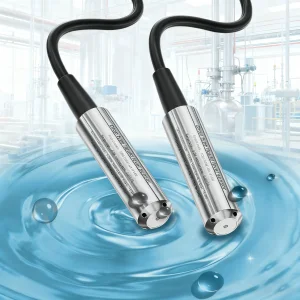
Industrial environments require more than illumination. The integration of 4-20mA and RS485 submersible level sensors within sewage treatment systems, boreholes, and industrial reservoirs demonstrates how engineering principles of waterproof sealing translate to critical sensor monitoring tools.
When implementing municipal or commercial-scale projects, configuring the electrical system requires addressing voltage drop over extended runs. For instance, when running 12V or 24V AC/DC systems, placing the transformer too far from the light fixtures will result in dimmed light output at the end of the circuit. Professional engineering plans calculate the specific cable cross-sections (e.g., 2.5mm² or 4.0mm²) needed to offset resistance, guaranteeing consistent, uniform brightness across the entire installation. This systematic design capability is a core specialty of Jiangmen Dixon Lighting's R&D division.
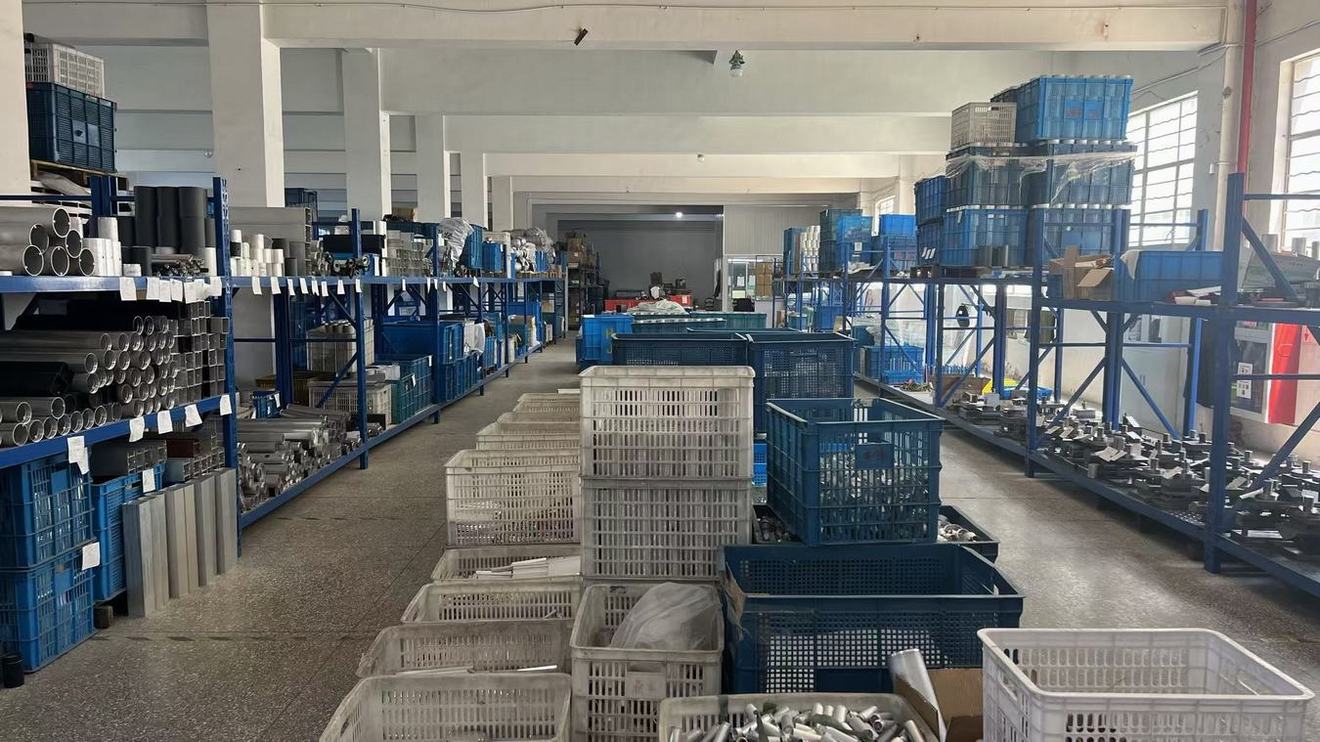
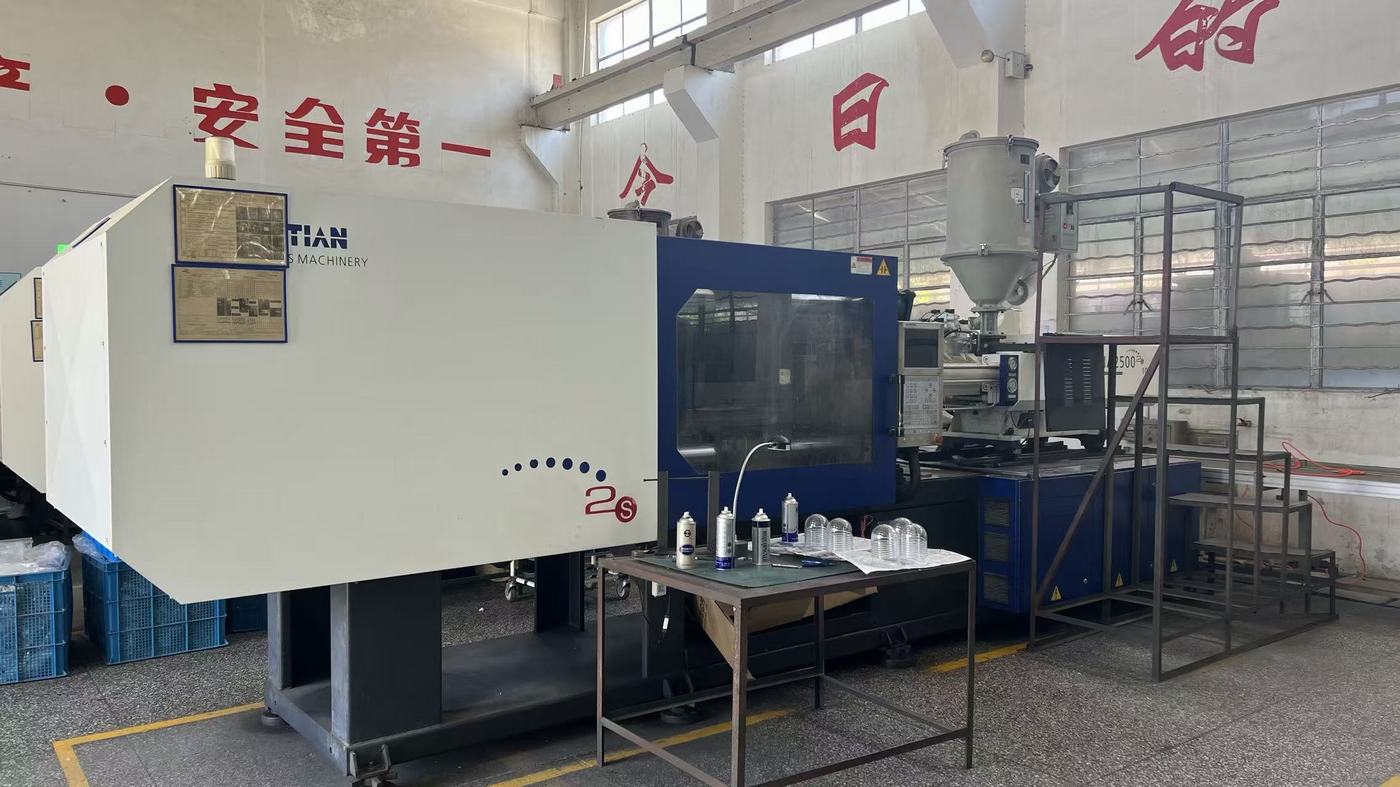
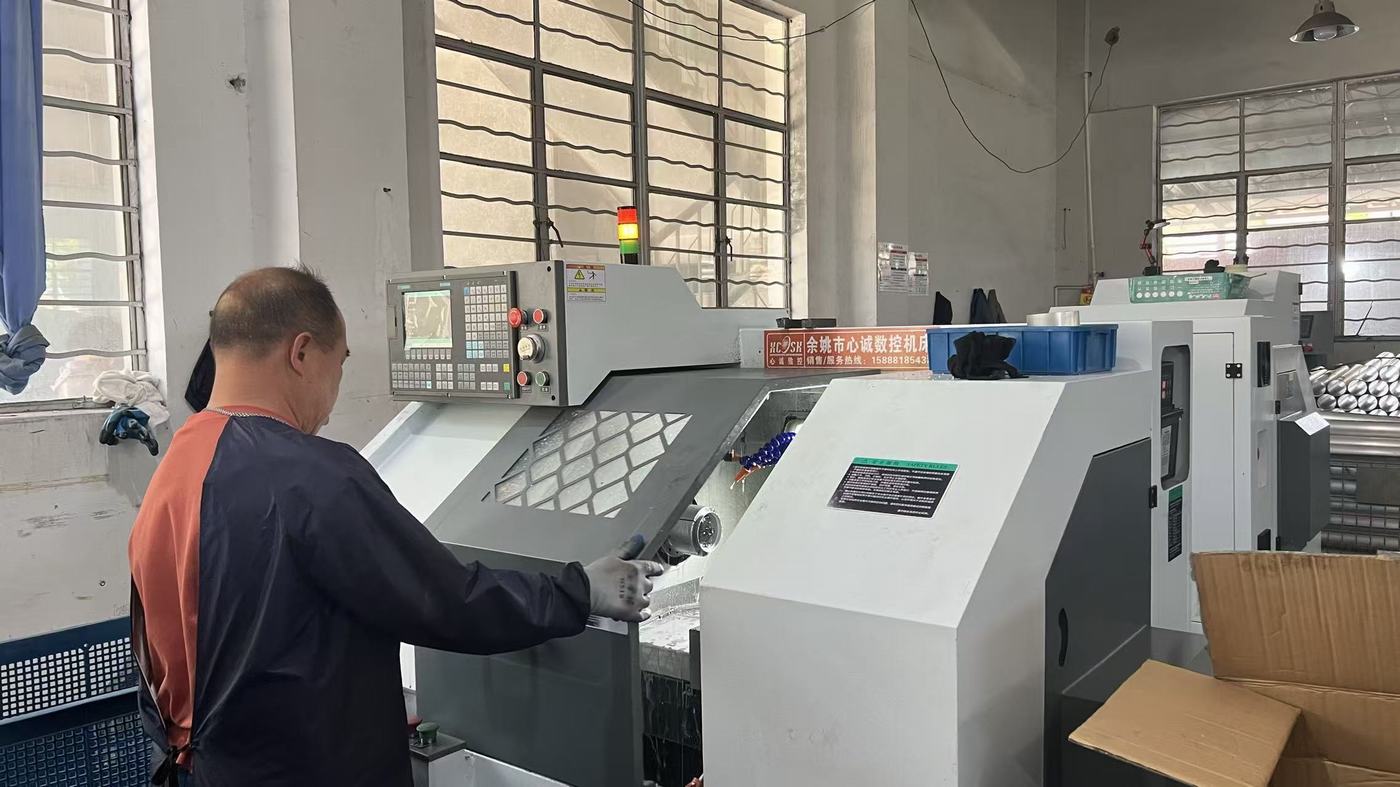
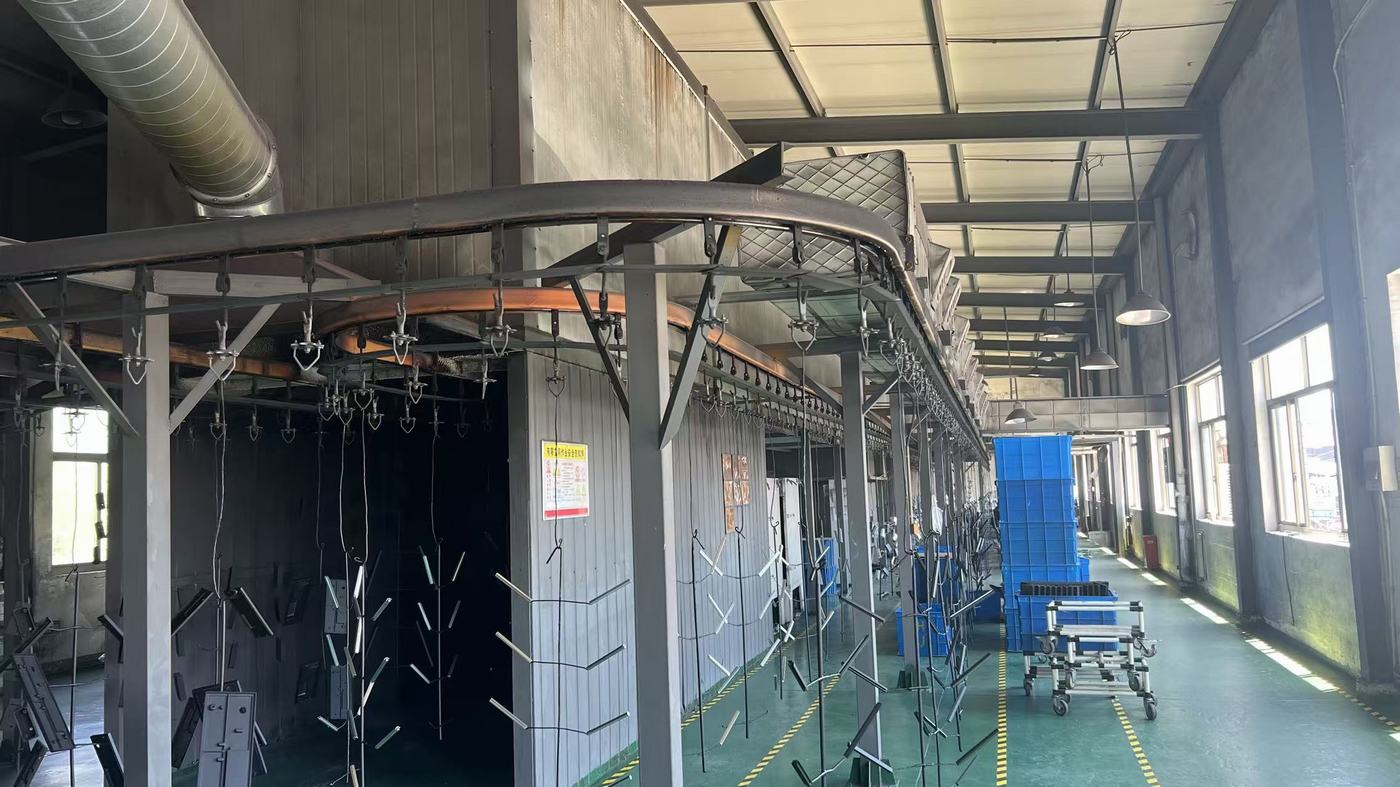
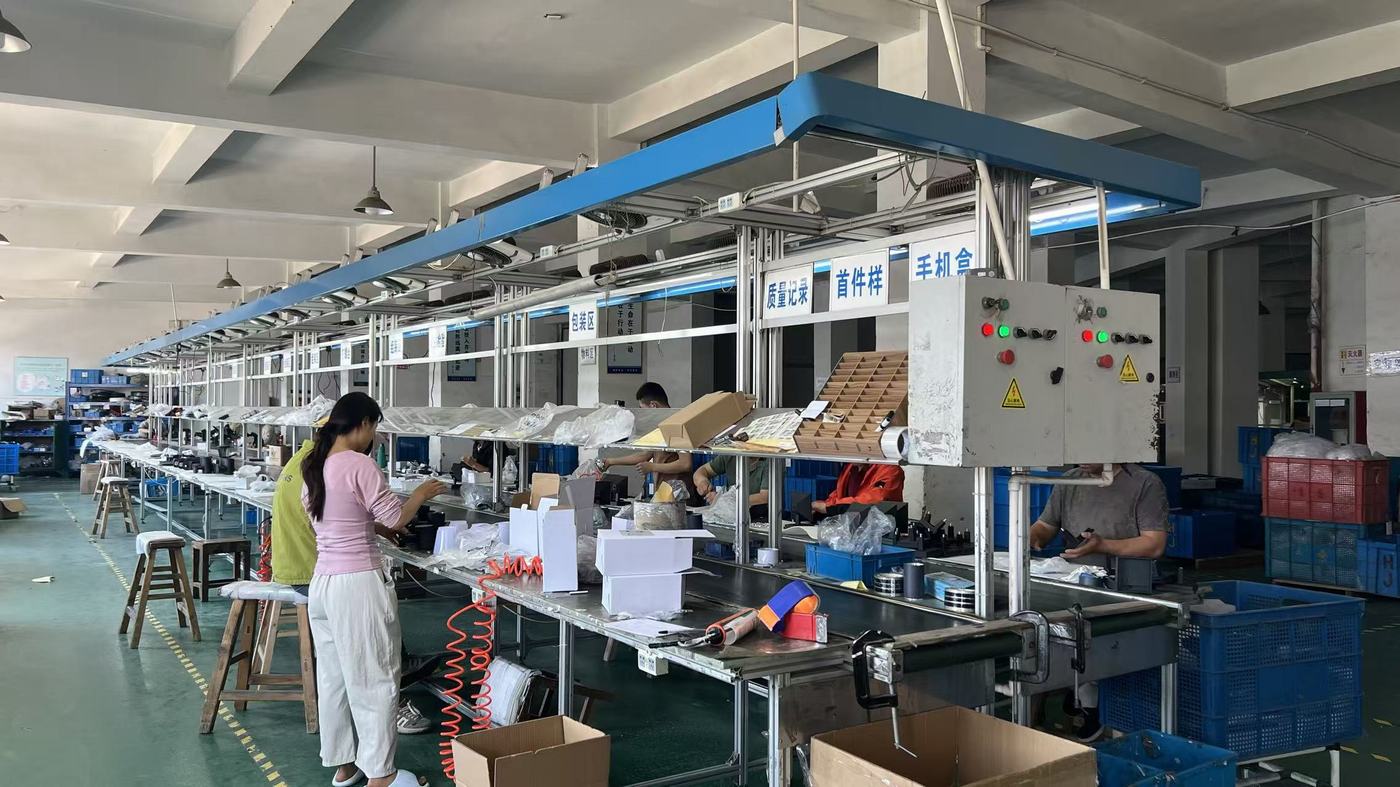
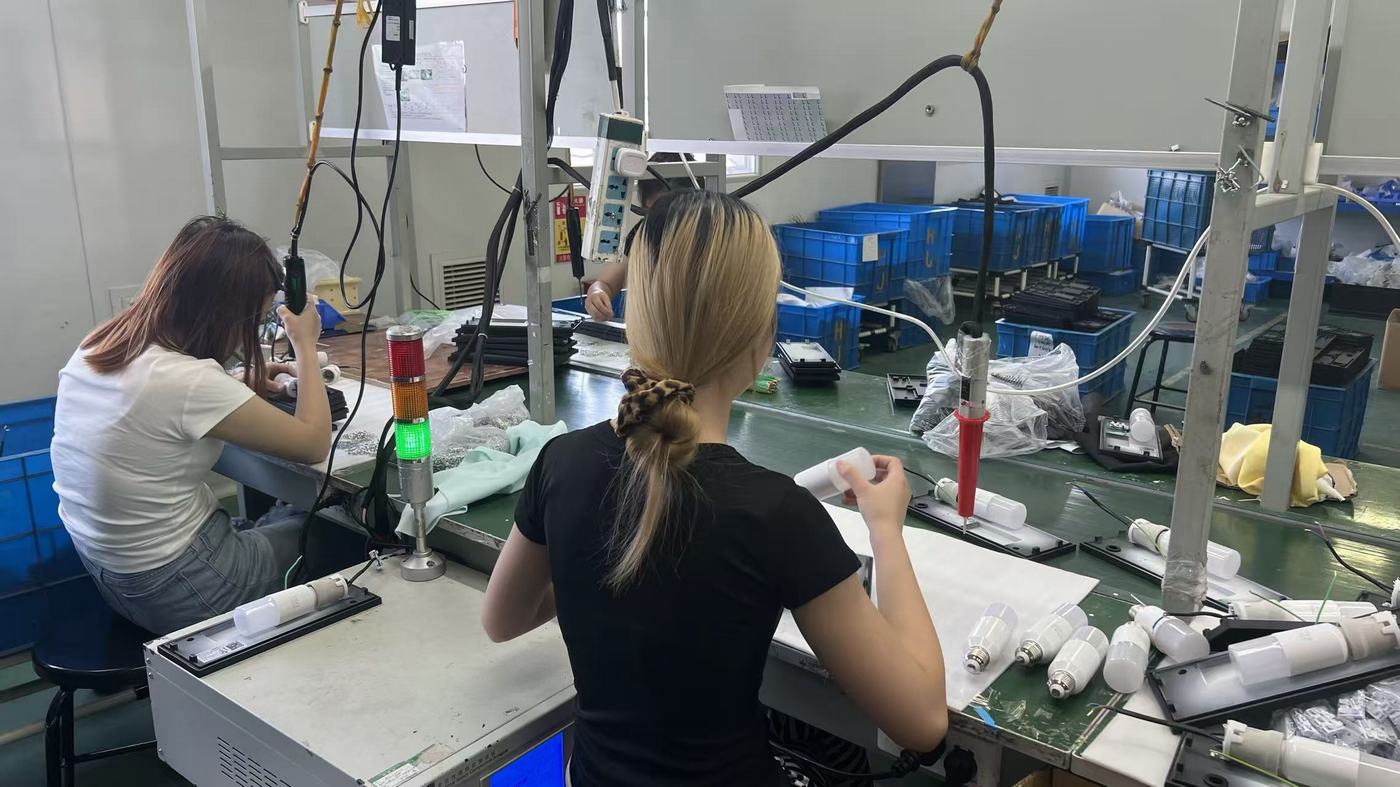
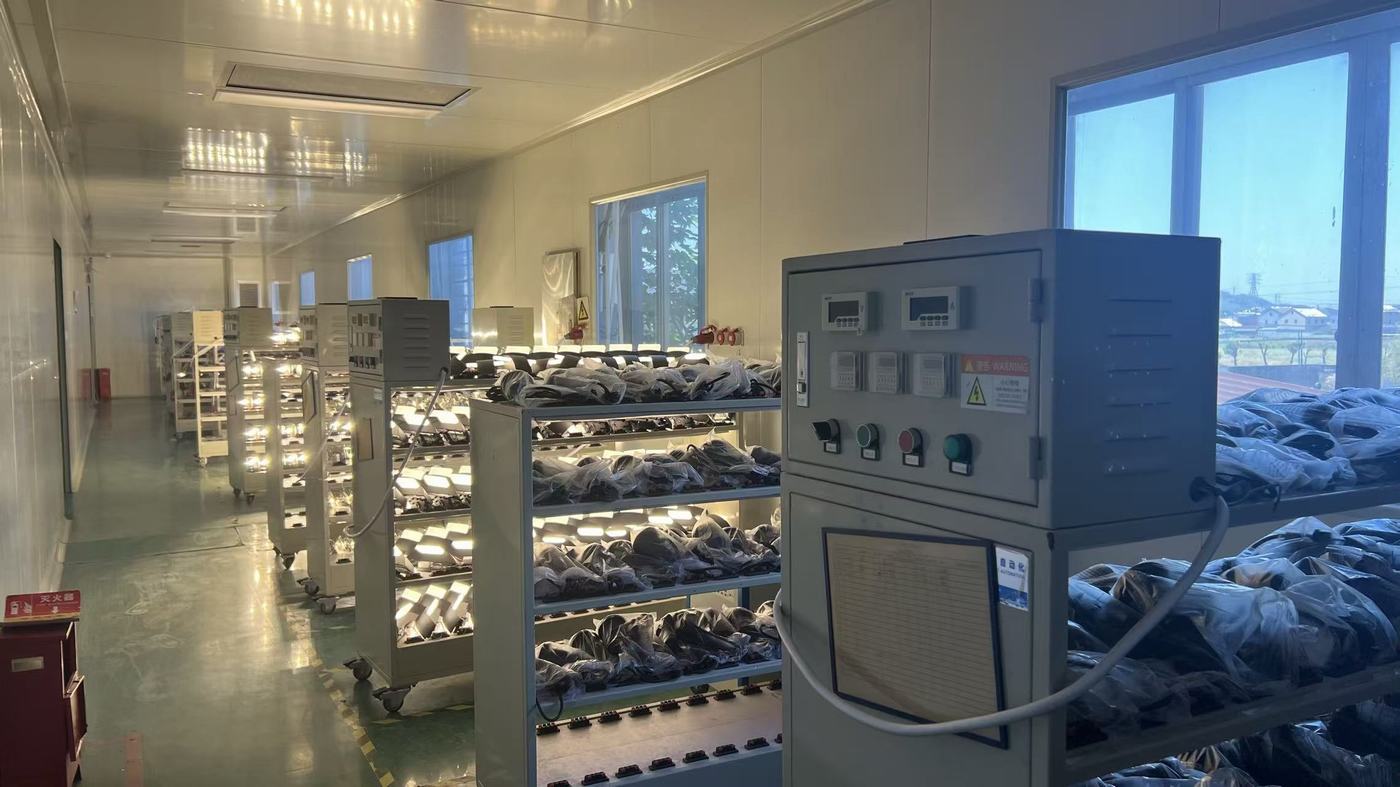
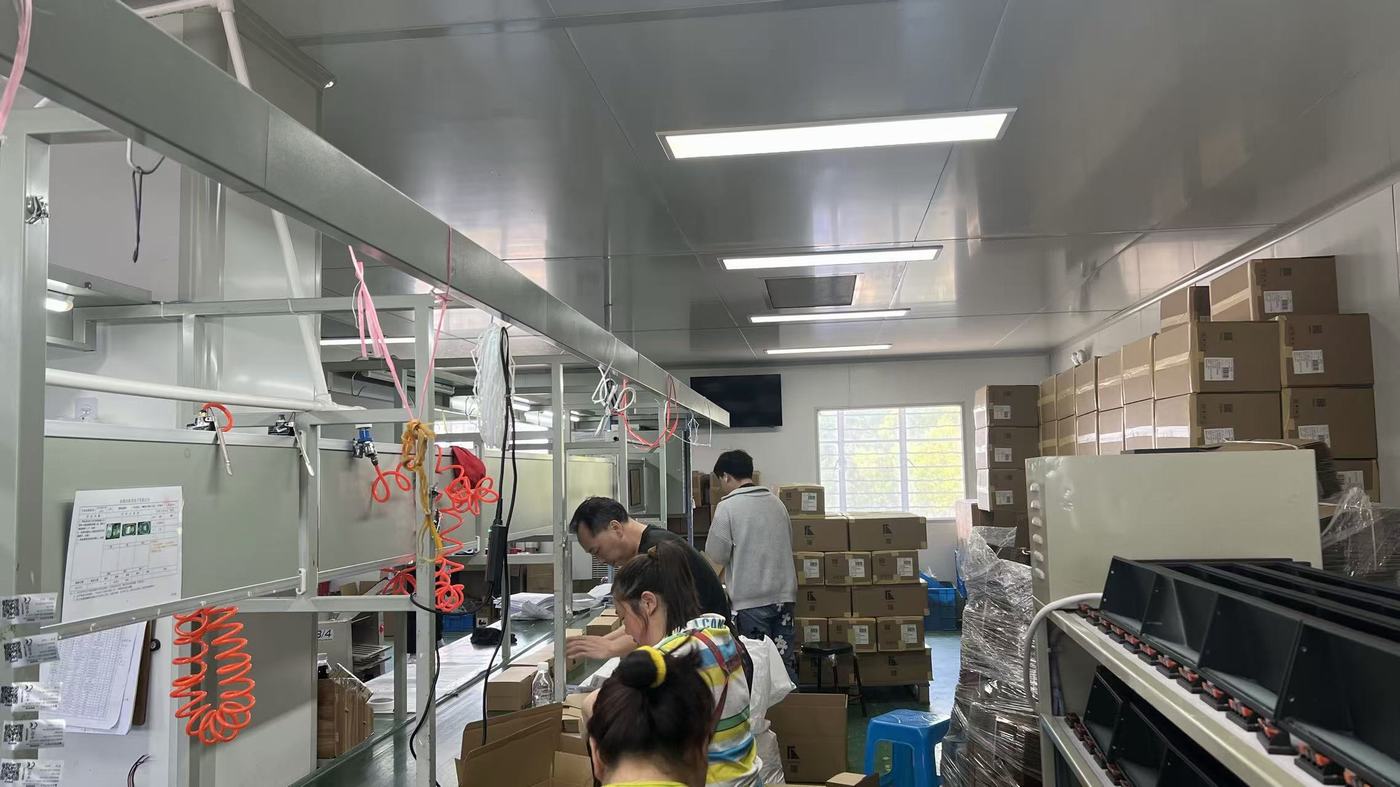
Operating a 5,000+ square meter factory in China, our team delivers ISO9001-certified quality control and end-to-end manufacturing integrity.
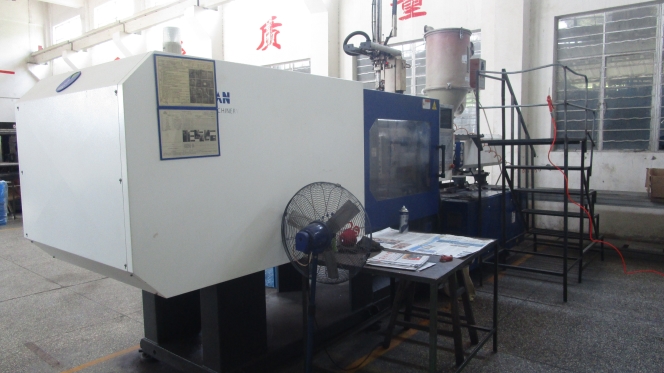
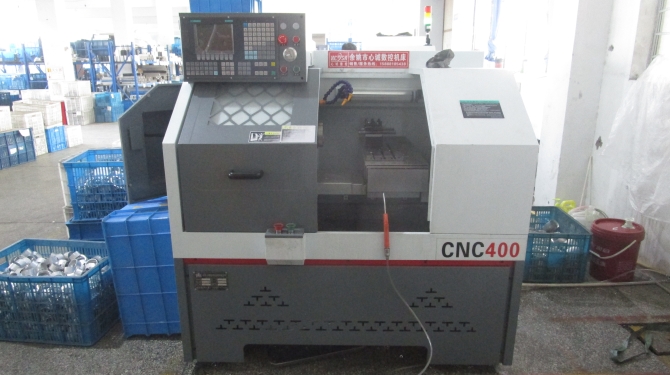
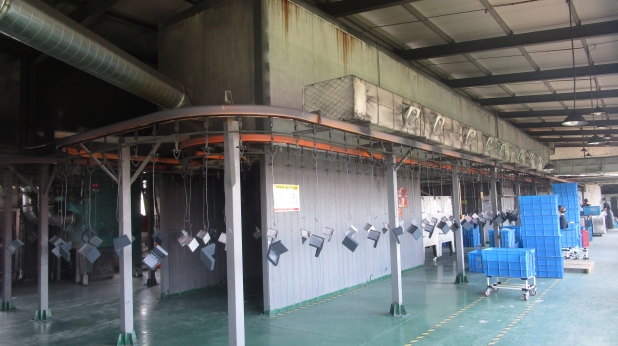
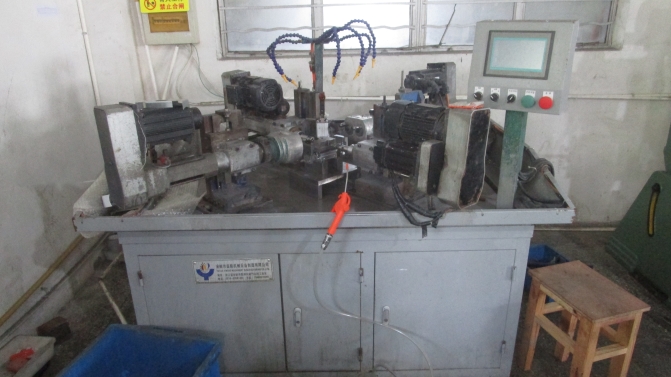
Since 2007, Jiangmen Dixon Lighting Co., Ltd. has focused on outdoor and architectural landscape illumination. Our manufacturing plant combines advanced injection molding, precise mechanical CNC machining, specialized electrostatic painting lines, and rigorous validation chambers. Supported by a skilled R&D team, we facilitate OEM and ODM projects to major distribution partners in North America, Europe, and Australia. Below is the precise operational roadmap representing our structured manufacturing processes.
Addressing primary engineering questions from electrical designers, procurement heads, and lighting system engineers.
Explore our complete range of specialized waterproof LED fixtures, spa lights, and level instrumentation.