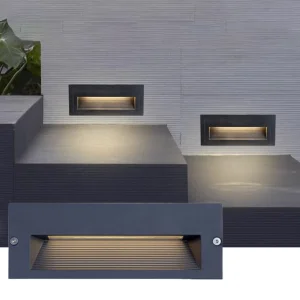
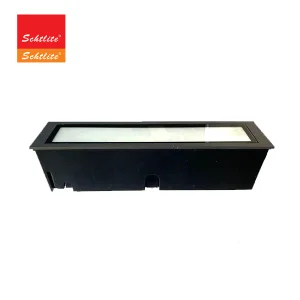
Engineered for High Durability, Local Voltage Tolerance, and Sustainable Energy Efficiency in East Africa
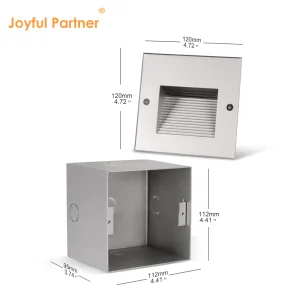
Kenya is undergoing a monumental infrastructural transformation. Spearheaded by urban growth hubs like Nairobi, Mombasa, Kisumu, and Eldoret, the country is witnessing an unprecedented expansion of commercial skyscrapers, high-end gated residential communities, luxury hospitality resorts, and civic infrastructure developments. Key projects such as the Silicon Savannah (Konza Technopolis) and massive mixed-use commercial developments in Westlands and Kilimani demand advanced, energy-efficient, and long-lasting lighting systems.
Within this architectural boom, safety and visual aesthetics are paramount. Modern building codes, inspired by global safety standards, now strictly enforce proper pathway, exit stairwell, and emergency egress lighting. Stair and step lights serve a critical dual role: ensuring public safety and preventing pedestrian falls while highlighting the dynamic architectural elements of buildings and landscapes. Developers in Kenya are pivoting from legacy incandescent systems toward intelligent LED technology that reduces power consumption—a vital step given the fluctuating electricity tariffs from Kenya Power (KPLC).
To establish authority in the Kenyan lighting supply chain, manufacturers must tailor their products to the unique environmental conditions of East Africa. Kenya features diverse microclimates—ranging from the hot, humid coastal strip of Mombasa to the temperate highlands of Nairobi and the dry, dust-prone arid regions of the north. Standard internal components often fail prematurely if not designed for these specific regional conditions.
For seaside projects in Mombasa, Malindi, or Lamu, salt spray will corrode standard metals within months. High-quality step lights must utilize die-cast aluminum coated with marine-grade outdoor powder coatings (such as AkzoNobel) or high-grade 316 stainless steel faceplates. Regular materials corrode, leading to electrical shorts and unsightly cosmetic damage.
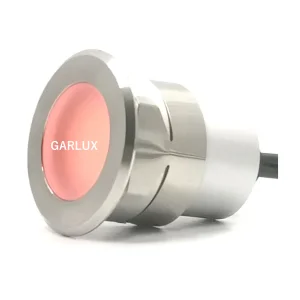
The Kenyan rainy season brings heavy downpours that can flood low-lying stairs. Simultaneously, dry periods deposit fine dust. Outdoor stair and deck lighting must carry a minimum of IP65 certification, while in-ground and pathway step lighting requires IP66 or IP67 ratings to remain dust-tight and survive temporary immersion.
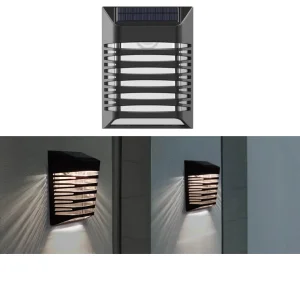
Kenya is situated directly on the equator, receiving an average of 4.5 to 6.5 kWh/m² of solar irradiance daily. This presents a prime opportunity for solar-integrated stair lights. Standard solar fixtures designed for low-light European markets will overheat or overcharge under the Kenyan sun. It is vital to use solar controllers with overcharge protection and high-efficiency Monocrystalline Silicon panels combined with LiFePO4 batteries, ensuring a lifespan of over 5 years.
Get in touch with Dixon Lighting's professional R&D team today. We provide customized OEM/ODM step light manufacturing, complete with certifications suited for Kenyan engineering tenders.
Send Inquiry NowHigh-Output Recessed and Surface-Mounted Luminaires for Modern Building Requirements
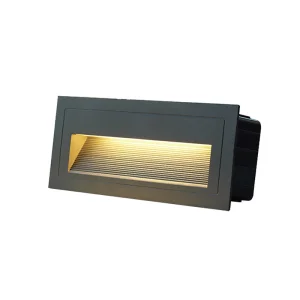
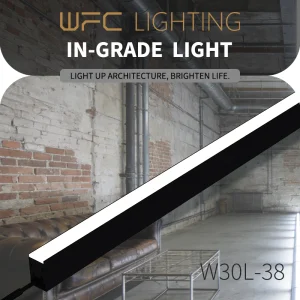
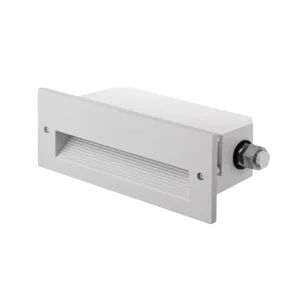
Leveraging World-Class Production Pipelines to Deliver Superior Outdoor Lighting Directly to East African Distributors
Jiangmen Dixon Lighting Co., Ltd. has been specializing in the outdoor lighting industry since 2007, with over 15 years of experience serving customers across North America, Europe, Australia, and other international markets. We are dedicated to designing, manufacturing, and supplying innovative, energy-efficient, and reliable outdoor lighting solutions for residential, commercial, and landscape applications.
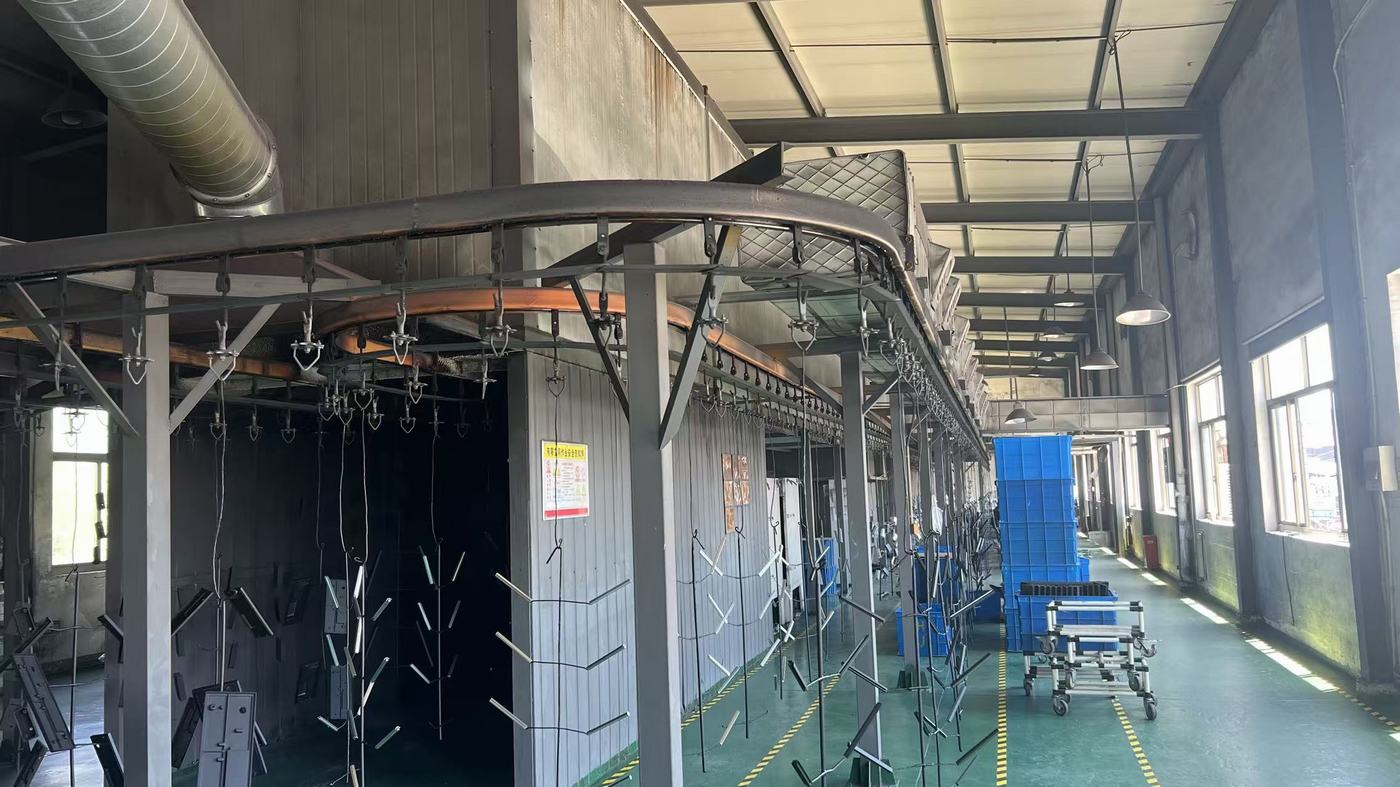
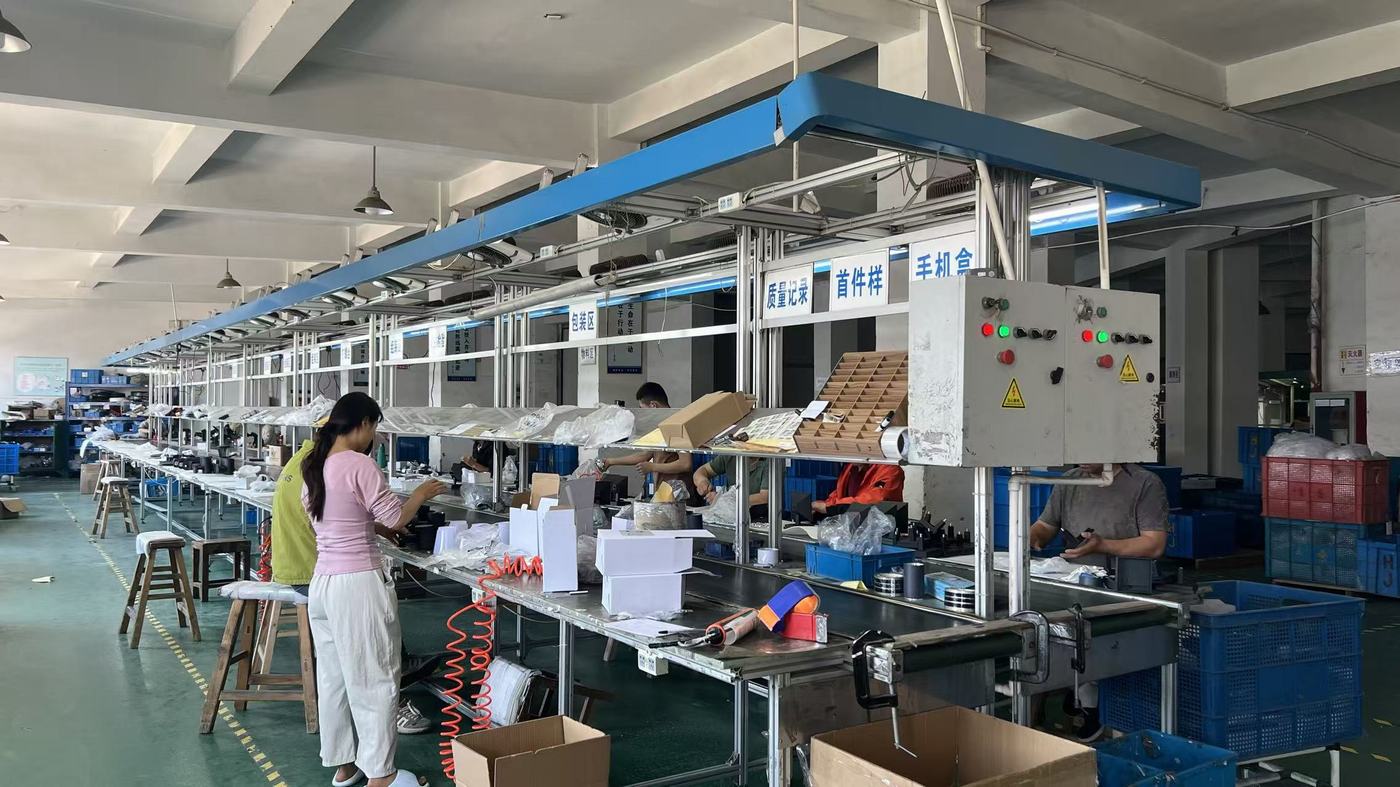
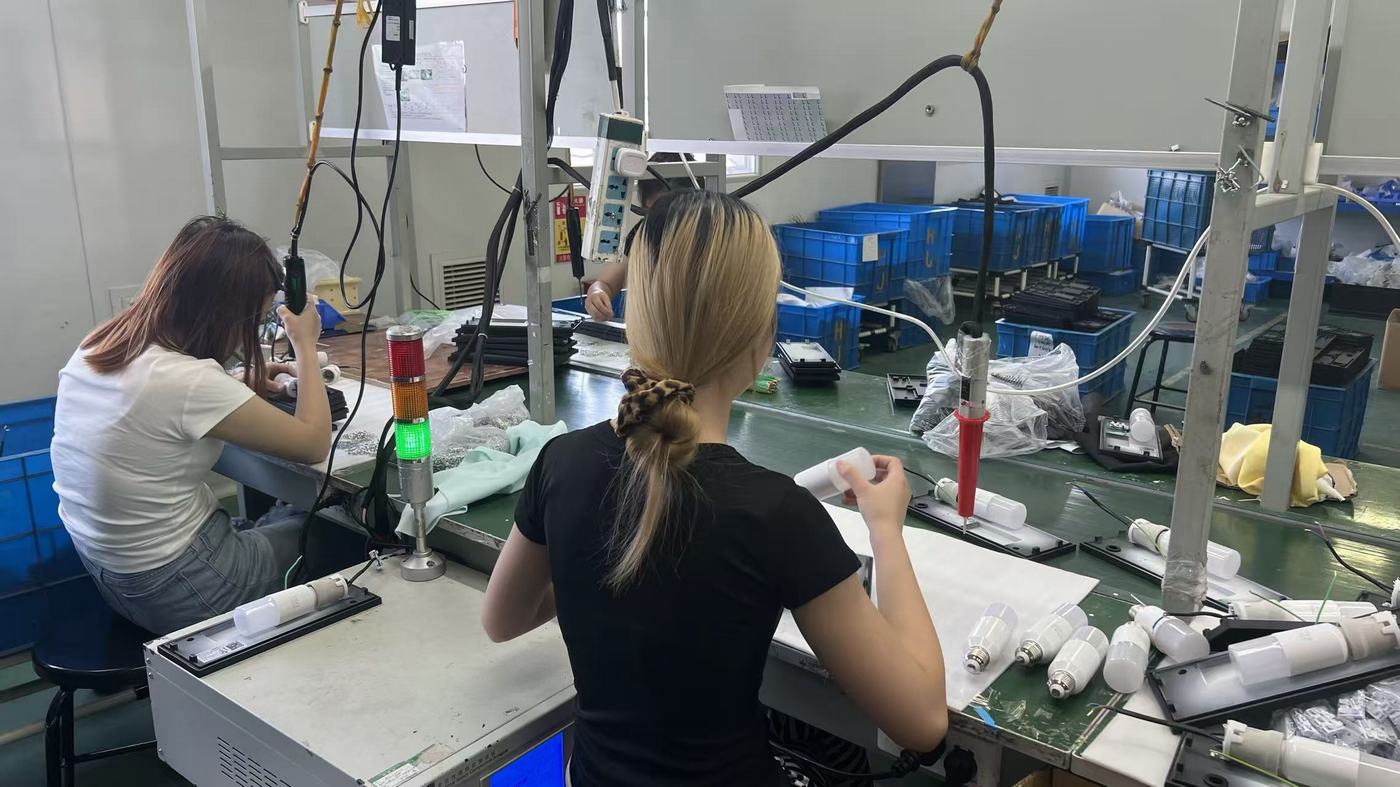
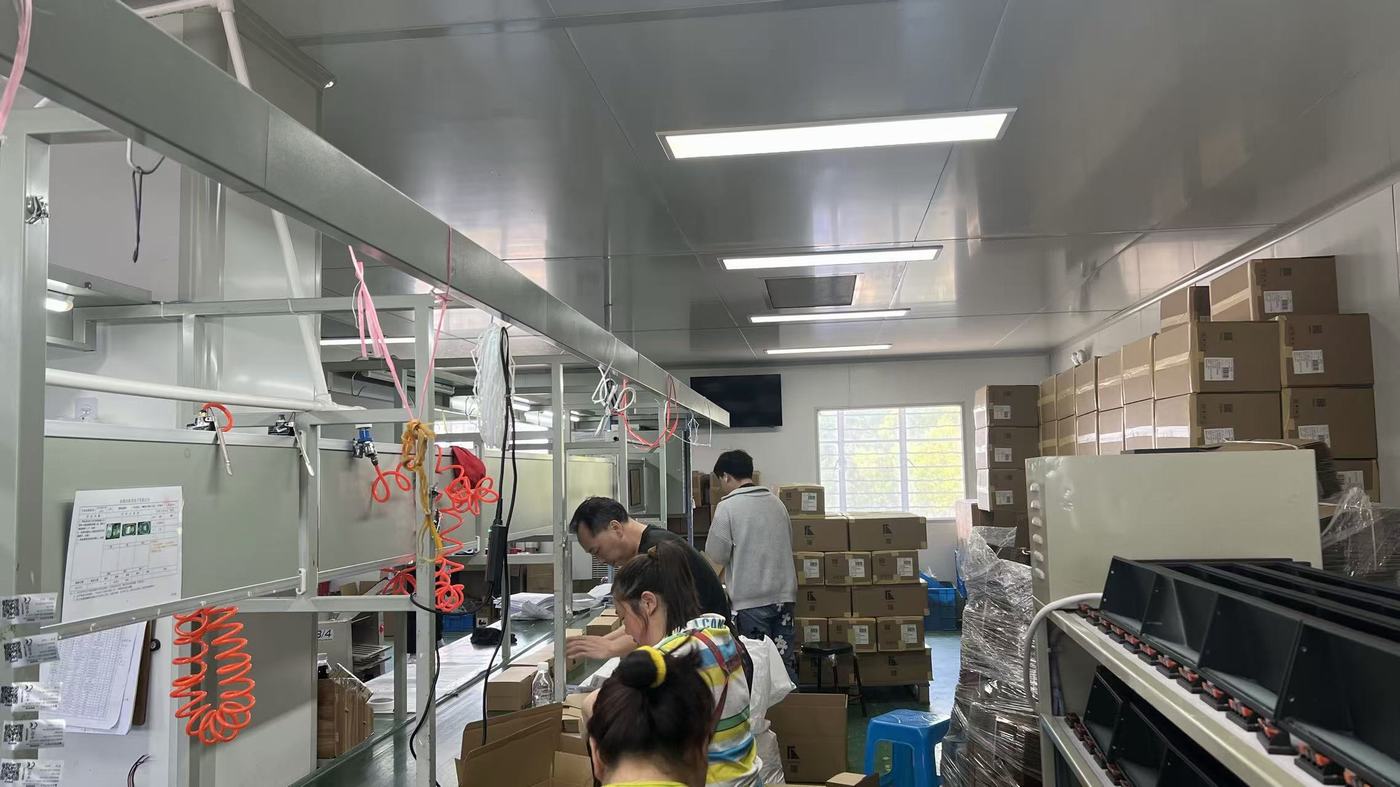
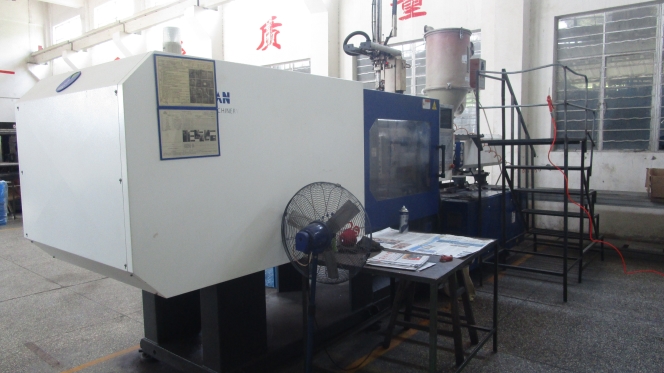
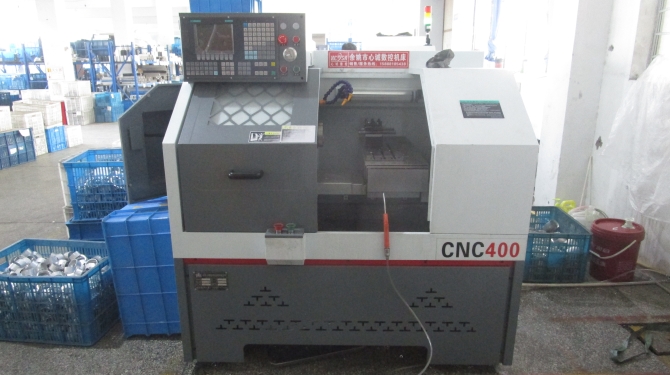
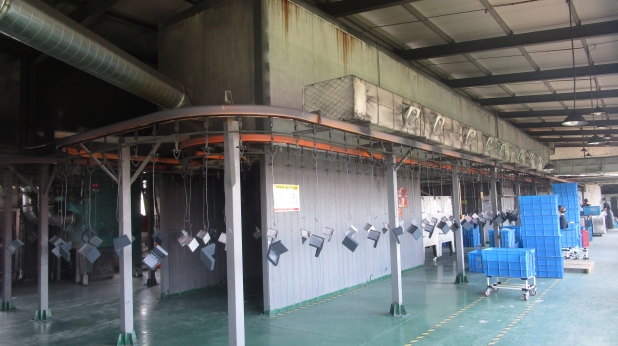
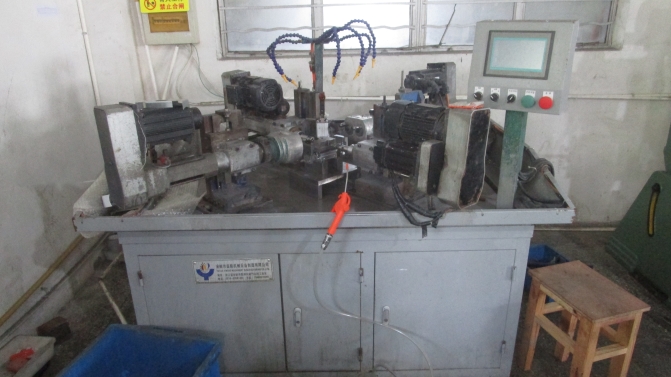
Our company operates from a modern production facility covering more than 5,000 square meters and employs over 100 experienced staff members. Supported by a professional R&D team, an efficient sales team, and a responsive after-sales service department, we are able to provide comprehensive support throughout every stage of a project, from product development and customization to delivery and technical assistance.
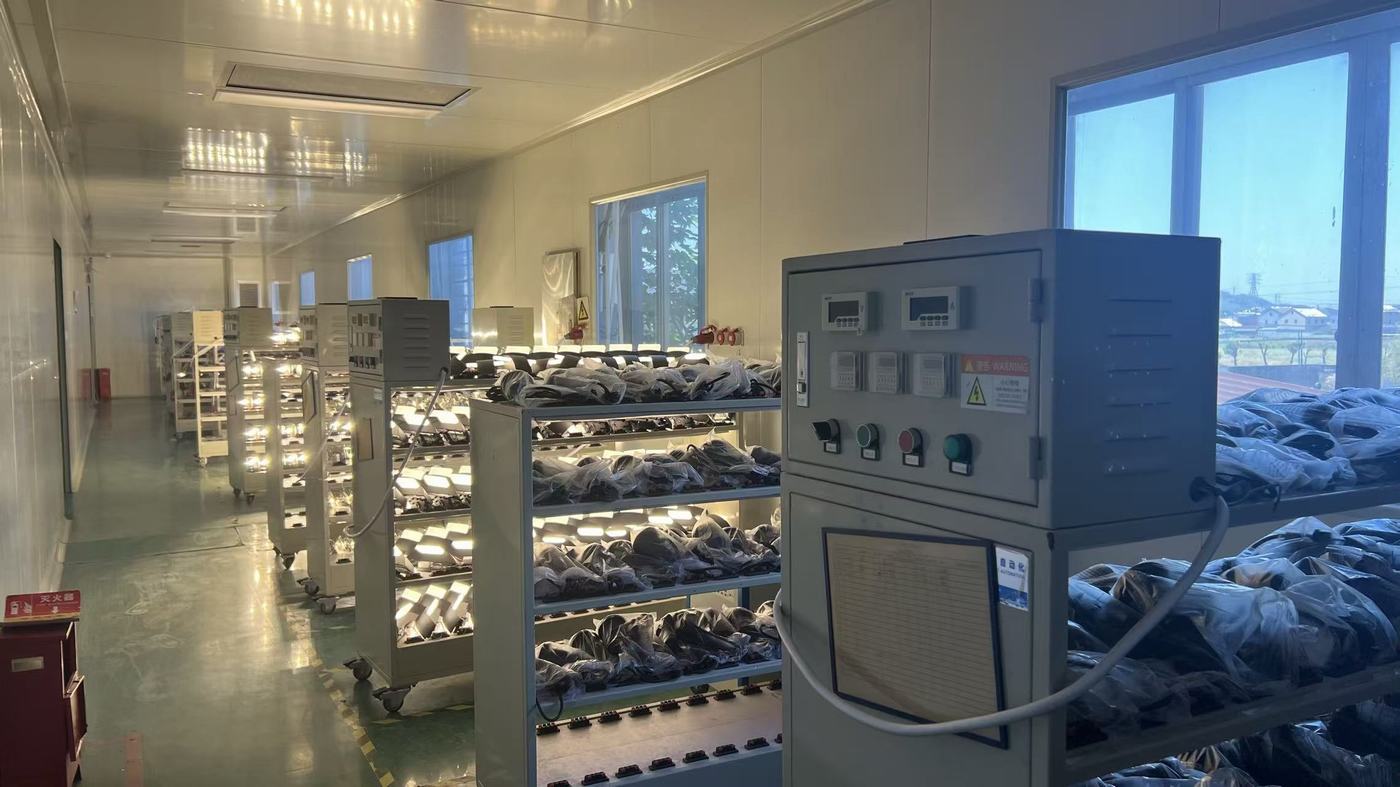
To ensure consistent product quality and efficient production management, Dixon Lighting has implemented an advanced ERP management system and follows strict ISO quality control standards. Our products have obtained internationally recognized certifications, including CE, RoHS, and ETL, issued by leading testing organizations such as TUV and Intertek. These certifications demonstrate our commitment to safety, quality, and compliance with global market requirements.
Over the years, Dixon Lighting has developed a diverse portfolio of outdoor lighting products. Our main product categories include security flood lights designed to improve safety and visibility around homes and commercial properties, motion sensor outdoor lights that provide intelligent and energy-saving illumination, as well as up and down wall lights that enhance architectural aesthetics. We also offer step and stair lights, deck and patio lights for outdoor living spaces, solar gutter lights that combine sustainability with practicality, and landscape well lights that beautifully accent gardens, pathways, and landscape features. All products are engineered with a focus on durability, weather resistance, energy efficiency, and modern design.
Innovation remains at the core of our business philosophy. We continuously invest in product development and manufacturing improvements to meet the evolving needs of the global lighting market. Whether for OEM, ODM, or customized lighting projects, Dixon Lighting is committed to delivering reliable products, competitive solutions, and outstanding customer service.
Our aim is to survive through quality, develop through innovation, and build long-term partnerships based on trust, professionalism, and mutual success. With a strong commitment to excellence, Jiangmen Dixon Lighting Co., Ltd. strives to be a trusted partner for customers worldwide and a leading manufacturer in the outdoor lighting industry.
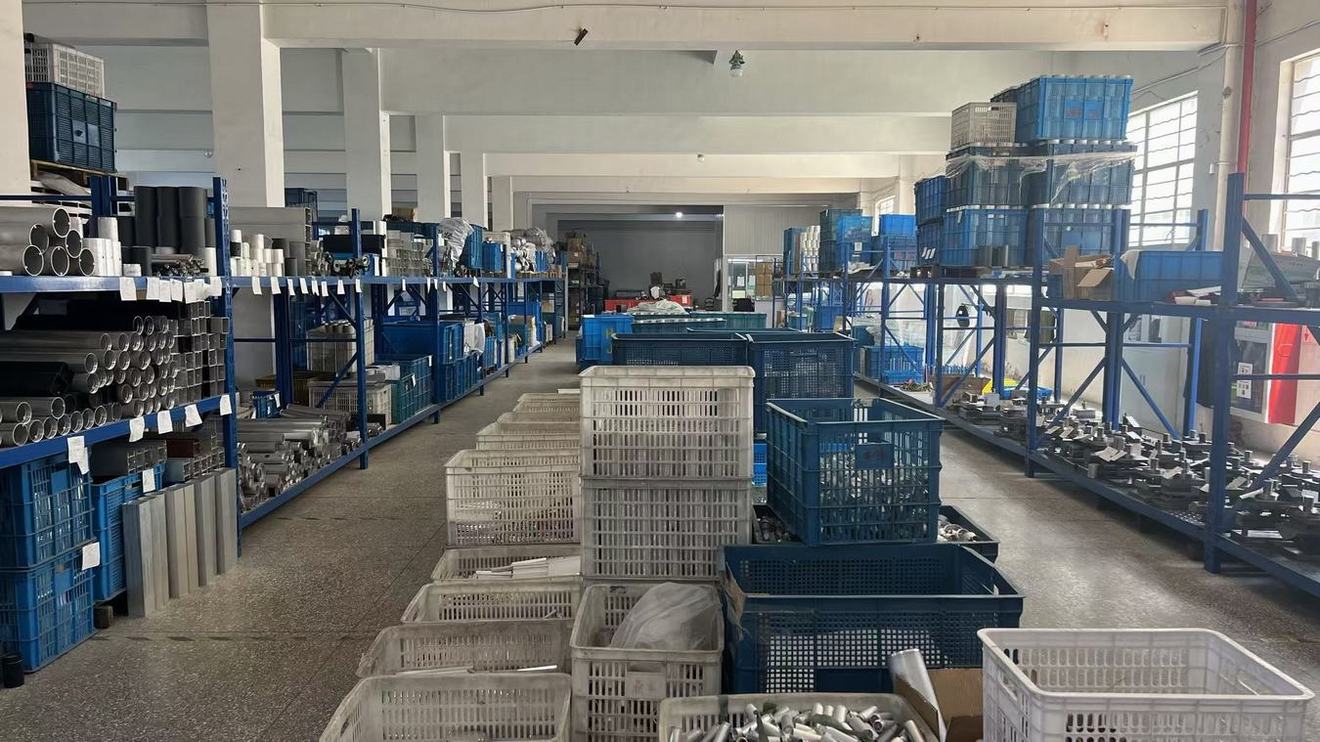
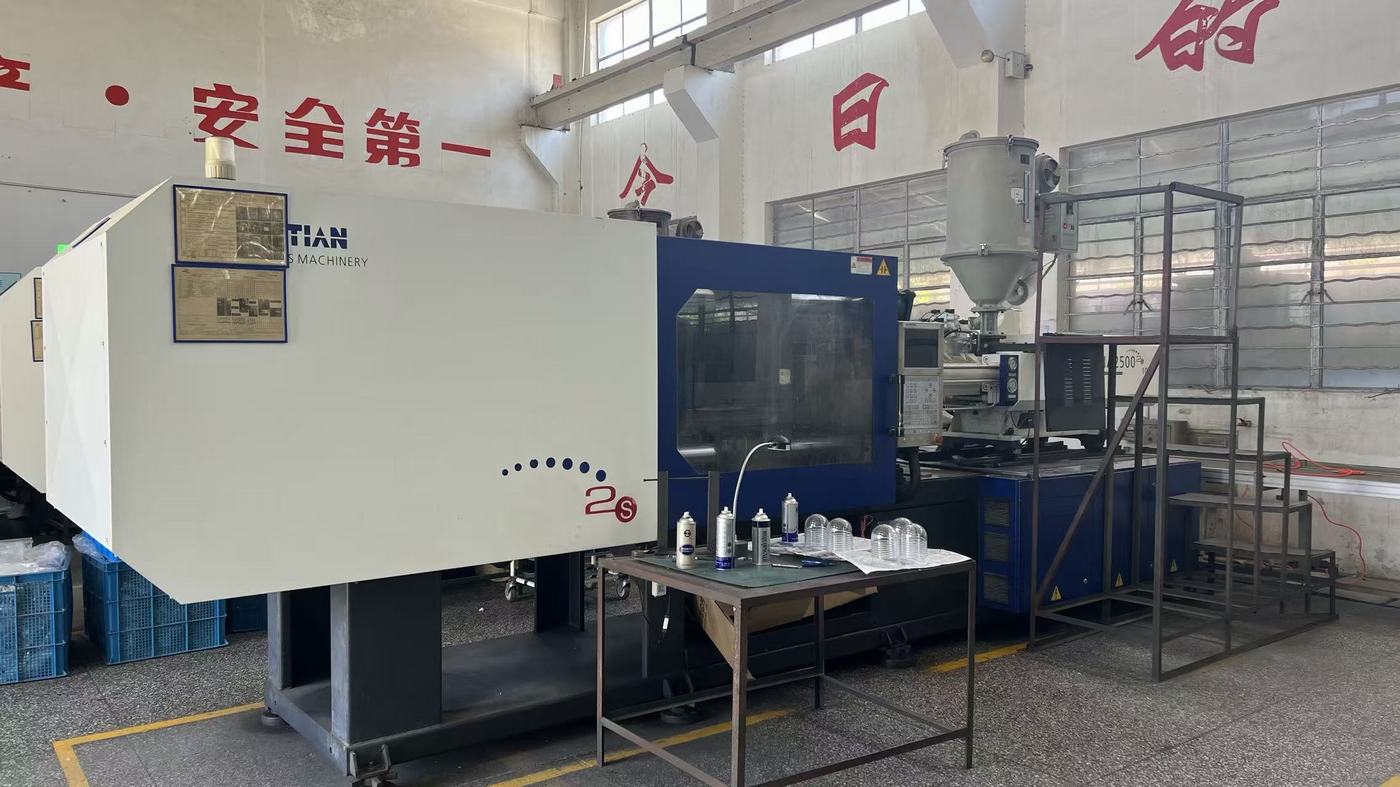
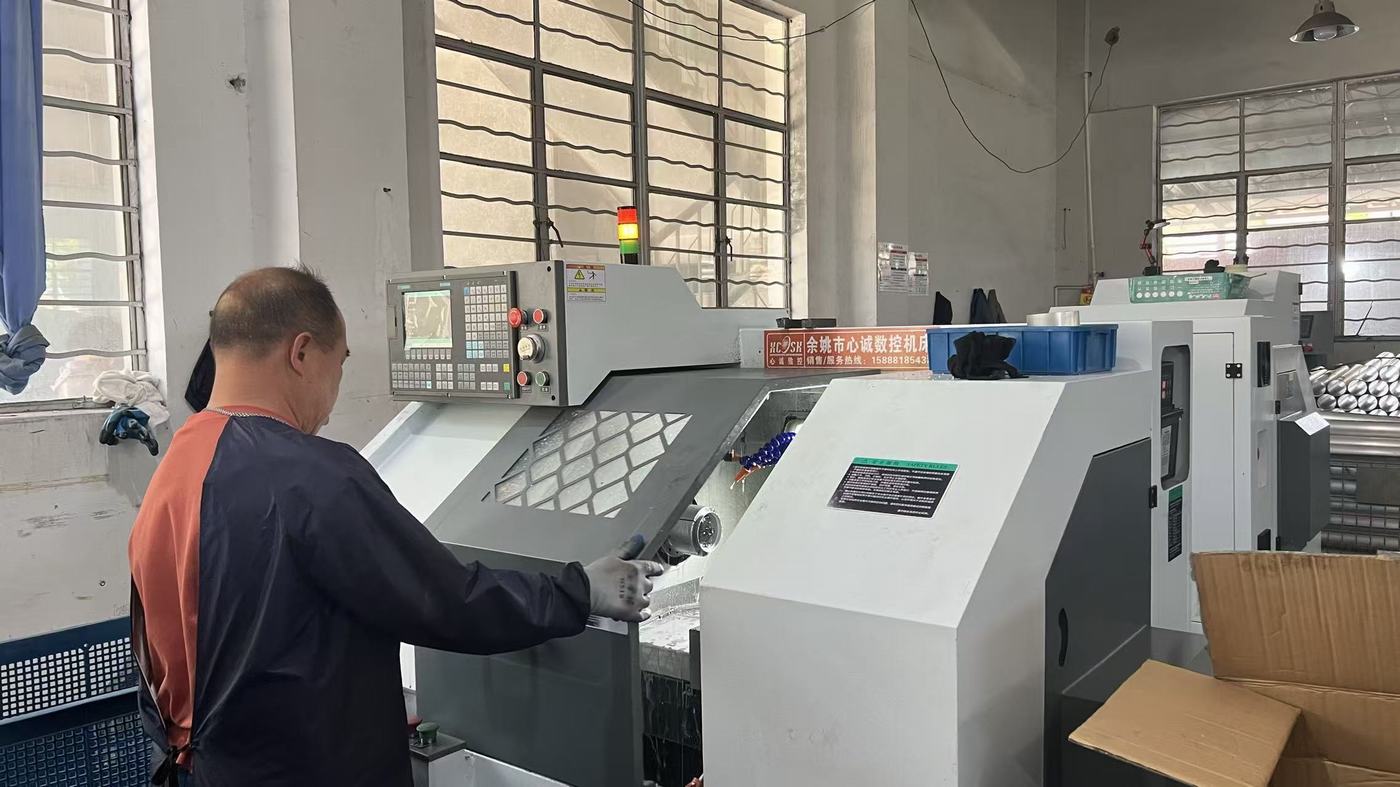
Implementing outdoor lighting in commercial and public zones throughout Kenya requires compliance with both international safety protocols and local engineering norms. Architectural companies, general contractors, and project managers must ensure fixtures conform to the standards established by the Energy and Petroleum Regulatory Authority (EPRA) and the Kenya Bureau of Standards (KEBS).
In municipal zones like Nairobi and Mombasa, direct line voltage (AC 220V-240V) runs the risk of insulation degradation over time due to weather exposure. Experienced electrical engineers advocate for low-voltage lighting paths (AC/DC 12V or 24V). Using central step-down magnetic or electronic transformers helps prevent electric shock in wet conditions. When configuring stair and step lights, use double-insulated, outdoor-rated XLPE cables laid within heavy-duty conduit to withstand soil shifting and moisture ingress.
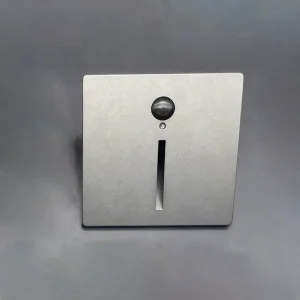
For standard steps, mounting fixtures between 300mm to 450mm above the tread provides optimal light distribution without glare. Ensure the light points downward. In public spaces, maintaining a uniform light level of 10 to 15 lumens per step is recommended to prevent shadows that can obscure structural details. For long commercial flights of stairs, installing smart lighting systems—such as our PIR motion sensor stair controllers—improves safety and conserves energy by illuminating steps only when users approach.
Industrial Quality Products for Commercial Centers, Villas, and Public Infrastructures
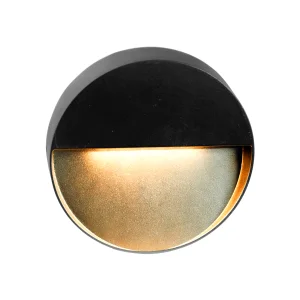
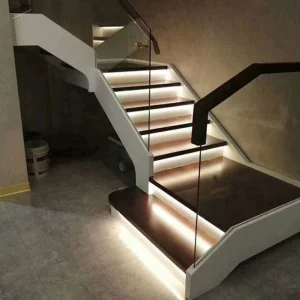
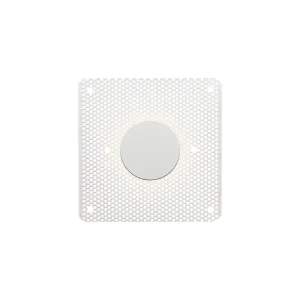
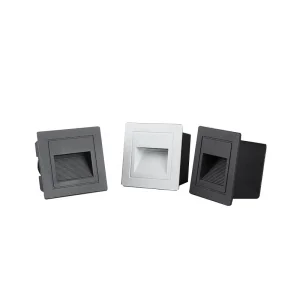
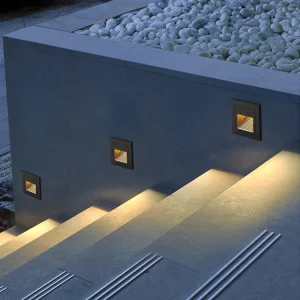
The lighting landscape in East Africa is evolving rapidly, driven by two key trends: **Decentralized Solar Power** and **IoT-Based Smart Automation**. With rising urban utility costs and a growing corporate commitment to environmental responsibility, real estate projects are increasingly adopting modern tech solutions.
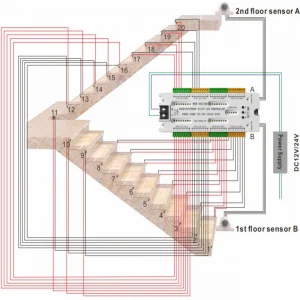
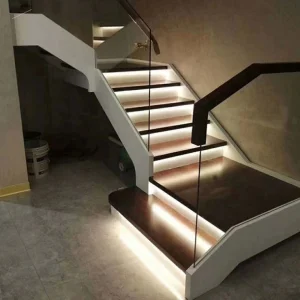
In standard commercial configurations, stairways are often left vacant but fully illuminated for long stretches, leading to unnecessary energy draw. Smart step lighting systems feature integrated Passive Infrared (PIR) sensors and programmable controllers. When a person steps onto a landing, the sensor detects movement and lights up the stairs in a smooth sequence. This setup reduces energy use by up to 80% and extends the operational life of the LED elements.
Integrating battery backup systems with solar step lights ensures reliable, off-grid path illumination. By storing power locally, developers can maintain consistent outdoor safety lighting during grid outages, independent of backup generators.
In commercial structures across Nairobi, upgrading from standard 20W halogen step lamps to Dixon's 3W high-efficacy LED step lights delivers a quick return on investment:
Expert Answers for Architects, Contractors, and Wholesale Distributors in Kenya
For standard outdoor installations, we recommend a minimum of IP65. For recessed in-ground pathway lighting that may experience temporary water pooling during heavy rains, IP66 or IP67 ratings are required to prevent moisture ingress.
Our LED step lights feature high-durability drivers with wide input voltage ranges (AC 85-265V) or run on low-voltage 12V/24V systems. This built-in tolerance protects the delicate LEDs from the voltage dips and spikes common on local power grids.
Yes. Dixon's solar stair lights are equipped with efficient monocrystalline solar panels and long-lasting lithium batteries. They store enough power to keep pathways lit for up to 3 nights on a single charge, even during cloudy weather.
For coastal projects with high humidity and salt spray, we recommend marine-grade die-cast aluminum with anti-corrosive powder coatings or high-quality 316 stainless steel to prevent rust and degradation.
Yes, we provide full OEM and ODM services. We can customize dimensions, housing colors, lumen outputs, color temperatures (3000K/4000K/6000K), and integrated smart control protocols to match your project specifications.
Standard sea freight production and shipping to Mombasa Port takes approximately 30 to 45 days. For urgent requirements, we can arrange air freight to Jomo Kenyatta International Airport (JKIA) within 7 to 10 days.
Our entire production catalog is certified with internationally recognized standards, including CE, RoHS, and ETL, and is verified by testing organizations like TUV and Intertek to satisfy Kenyan building codes.
These setups use infrared sensors at the top and bottom of the stairs. When movement is detected, they trigger the step lights to turn on in sequence, providing clear visibility while conserving energy when the area is clear.
We back all of our commercial outdoor step and stair lighting with a comprehensive 3-year to 5-year warranty, covering both the LED elements and the internal driver assemblies.
You can contact us directly by clicking our inquiry button or visiting "/contact/". Our engineering team will review your specifications and provide a detailed quotation within 24 hours.
Partner with a reliable manufacturer offering over 15 years of global industry experience. We provide energy-efficient, certified, and climate-resistant lighting solutions tailored for East African projects.
Send Inquiry Now