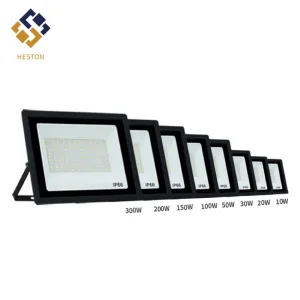
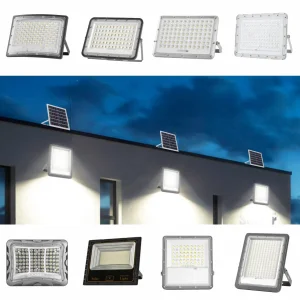
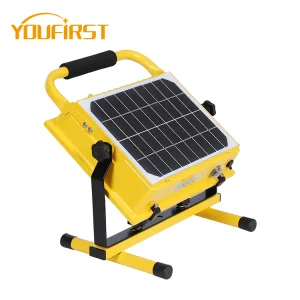
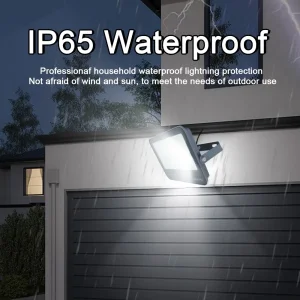
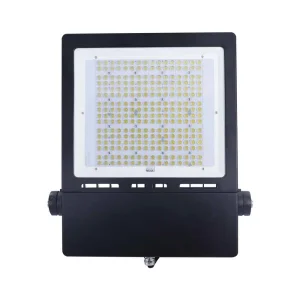
Engineered to deliver exceptional lumens output, dynamic solar backup, and robust protection systems tailored for South African infrastructure projects.
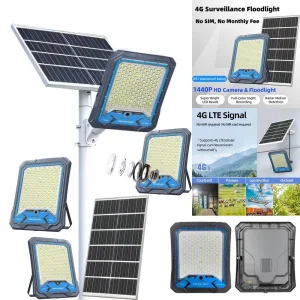
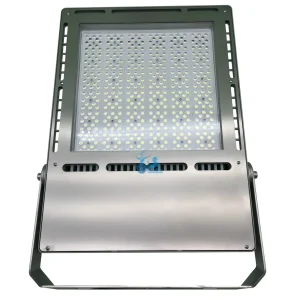
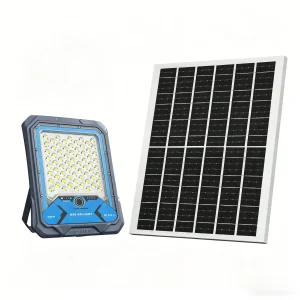
Why off-grid reliability, physical hardening, and smart diagnostics are transforming security lighting across the African continent.
South Africa’s current security challenges are deeply intertwined with its energy infrastructure. Industrial sites, mining facilities, commercial hubs, and residential estates face the dual challenge of escalating security threats and persistent power outages, commonly known as loadshedding. When the national grid goes dark, conventional AC-powered lighting systems fail, leaving large perimeters vulnerable to intrusion, sabotage, and theft. Consequently, the selection of security floodlights has evolved from standard luxury installations to a critical, risk-mitigating operational requirement.
To address this reality, engineers and procurement teams across Gauteng, KwaZulu-Natal, and the Western Cape are prioritizing off-grid solar-integrated solutions and ultra-efficient, heavy-duty LED luminaires equipped with battery storage. Modern security floodlighting must not only withstand the harsh sub-Saharan sun and coastal salt sprays but also operate seamlessly during extended periods of grid instability. This industrial demand shifts the focus toward robust battery chemistries, such as Lithium Iron Phosphate (LiFePO4), smart MPPT controllers, and visual verification systems like embedded 4G/5G cameras.
Standard products often fail prematurely under South Africa's intense environmental conditions. True industrial-grade security lights require specific material sciences and smart configurations to ensure long-term durability:
High ambient temperatures accelerate lumen degradation. Heavy-duty die-cast aluminum housings with optimized vertical heat fins ensure junction temperatures remain low, extending LED lifespan past 50,000 hours.
For coastal environments like Durban, Port Elizabeth, and Cape Town, specialized powder coatings and electrophoretic treatments prevent corrosion caused by salt fog and high humidity.
Maximum Power Point Tracking (MPPT) delivers up to 30% higher charging efficiency than standard PWM controllers. This ensures systems recharge completely even during short winter days or overcast weather.
Understanding the convergence of international manufacturing breakthroughs and local deployment requirements creates a clear advantage for infrastructure managers:
Global security markets are moving toward proactive event-driven monitoring. By combining HD video sensors (4MP/1440p) directly with floodlights, South African properties gain real-time cloud notifications during a perimeter breach.
While international projects adopt solar to meet carbon emission reduction goals, South African enterprises implement off-grid solar floodlighting as a core survival strategy to keep lights on during stage 6 loadshedding.
Securing the lighting unit itself is critical. High-strength steel brackets, anti-tamper bolts, and elevated pole installations prevent solar panel and battery theft in high-risk zones.
Customized security solutions designed to address the specific vulnerabilities of South Africa’s key industrial, commercial, and agricultural sectors.
Large-scale distribution centers near Kempton Park and Midrand require continuous outer-fence illumination. Combining 400W LED floodlights with PIR motion triggers ensures that potential intruders are immediately illuminated, deterring unauthorized activity while saving energy during low-traffic hours.
Open-cast coal and platinum mines demand heavy-duty, vibration-resistant, and high-wattage lighting. Systems with IK10 impact protection, IP67 seals, and structural support ranging up to 1200W are required to ensure continuous work-site safety and perimeter security under heavy dust loads.
Isolated farming communities in the Free State and Limpopo face significant security challenges. Completely autonomous, solar-powered 4G smart camera floodlights provide independent illumination and real-time remote surveillance without relying on local power grids or Wi-Fi infrastructure.
Operating since 2007 with modern production facilities, rigorous quality assurance, and international product certifications.
Jiangmen Dixon Lighting Co., Ltd. has been specializing in the outdoor lighting industry since 2007, with over 15 years of experience serving customers across North America, Europe, Australia, and other international markets. We are dedicated to designing, manufacturing, and supplying innovative, energy-efficient, and reliable outdoor lighting solutions for residential, commercial, and landscape applications.
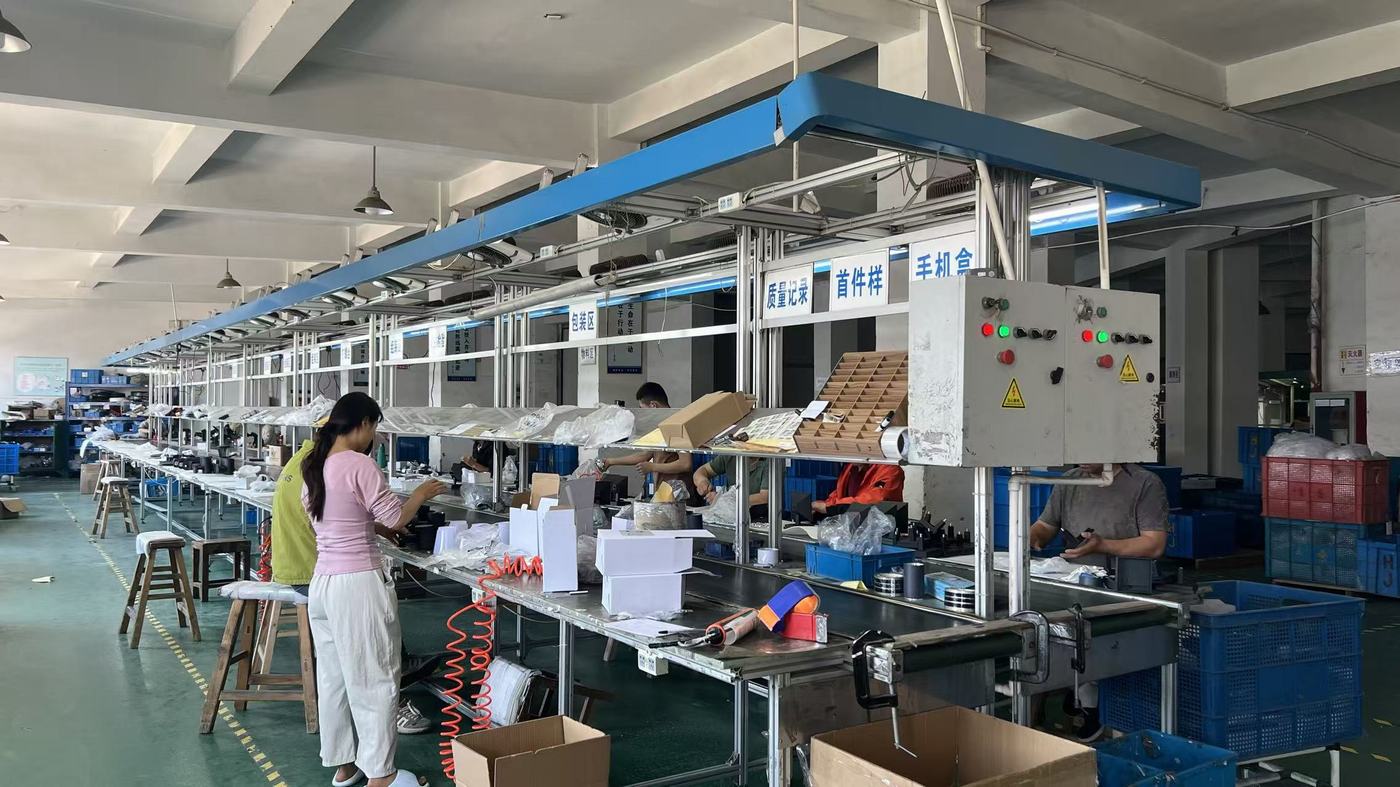
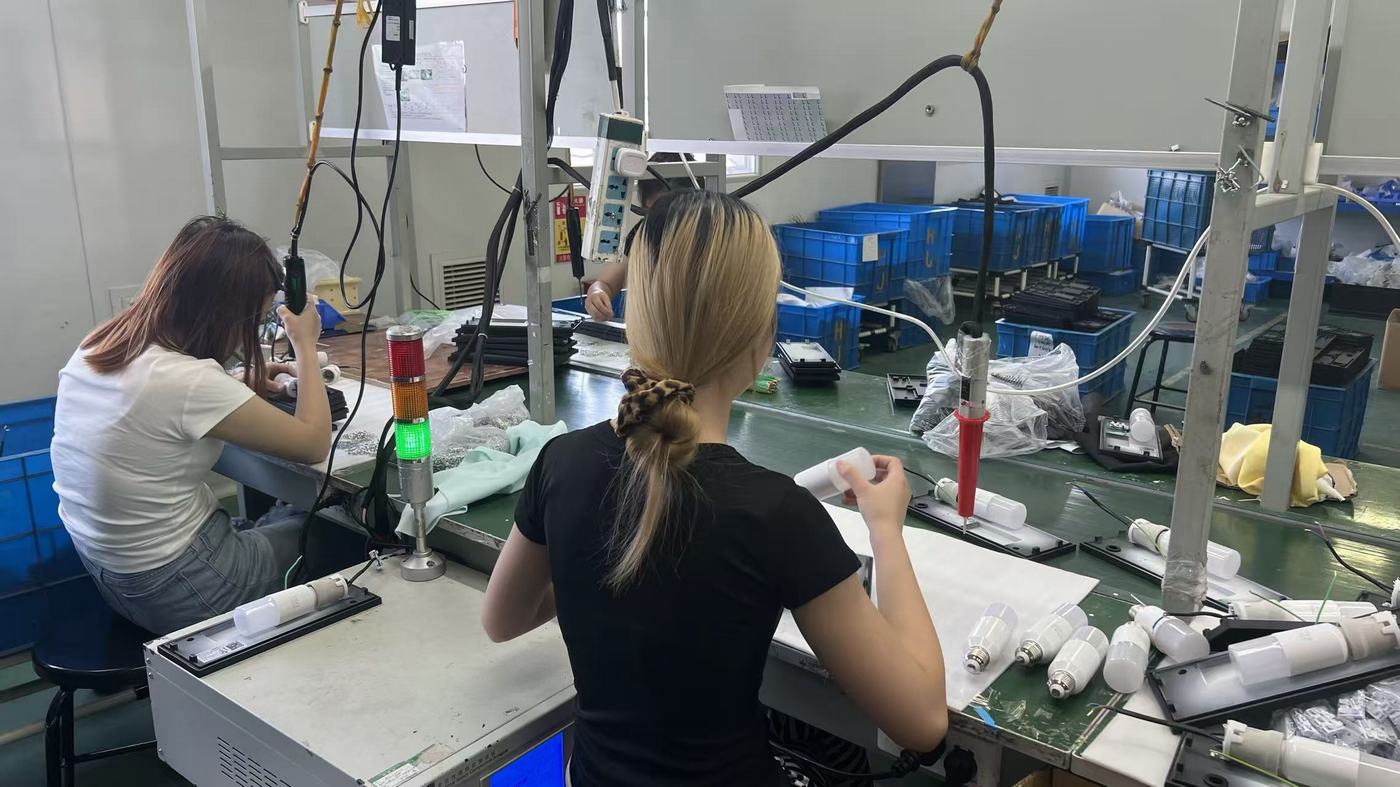
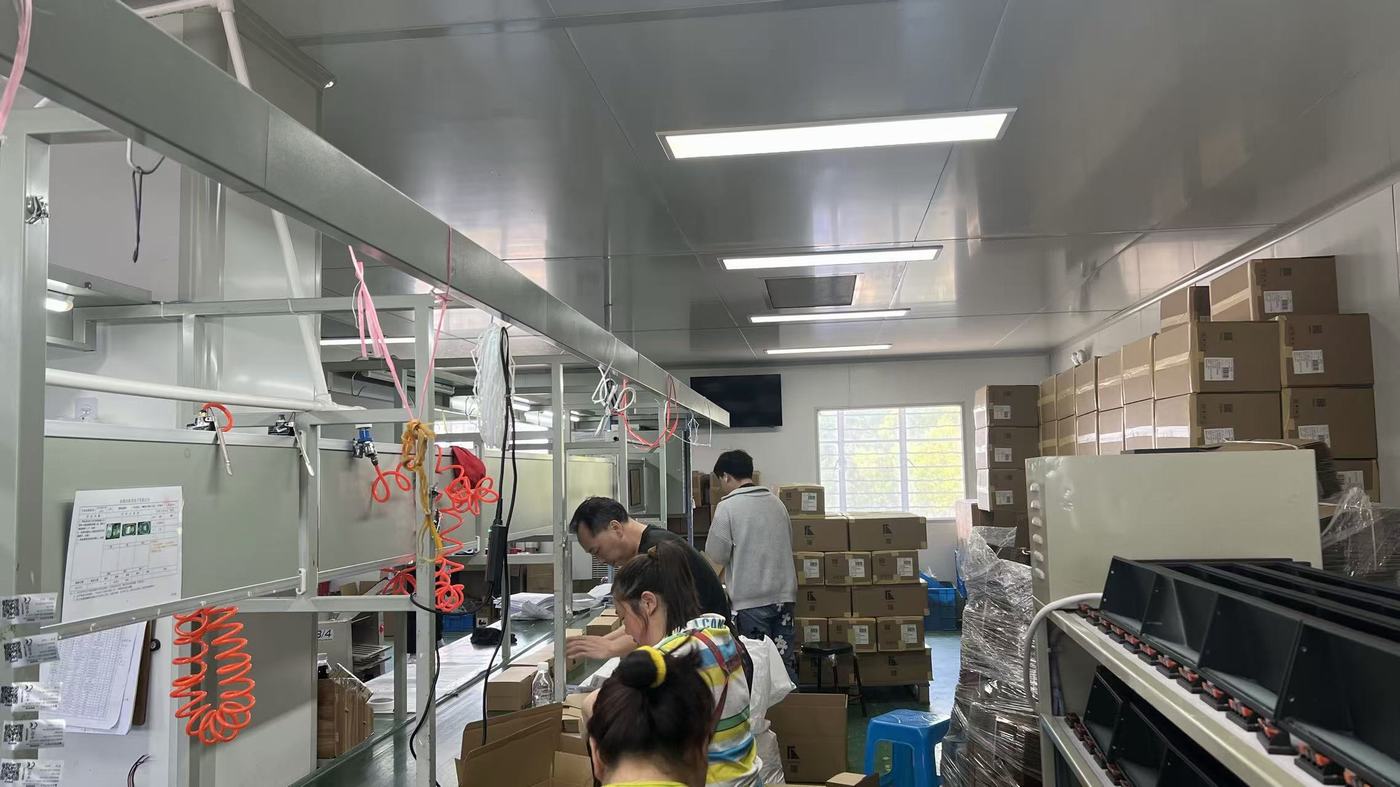
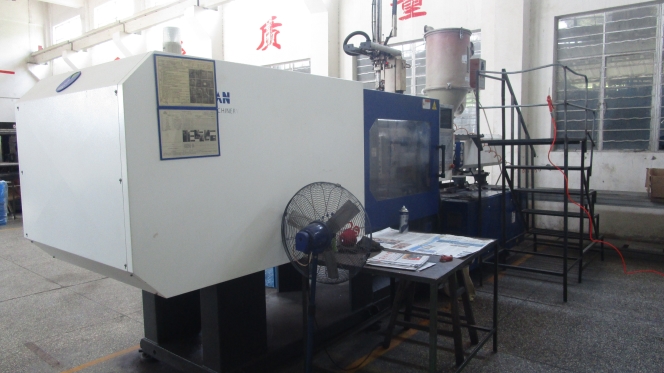
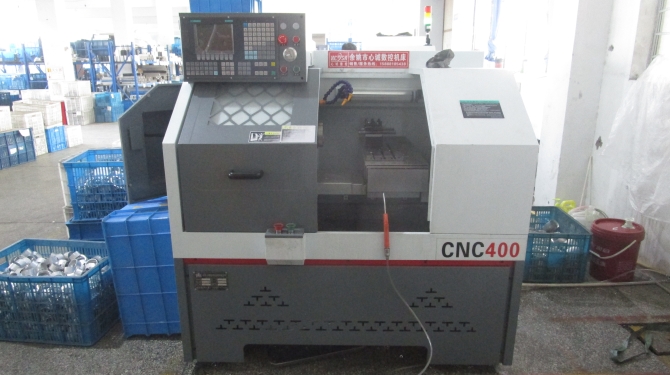
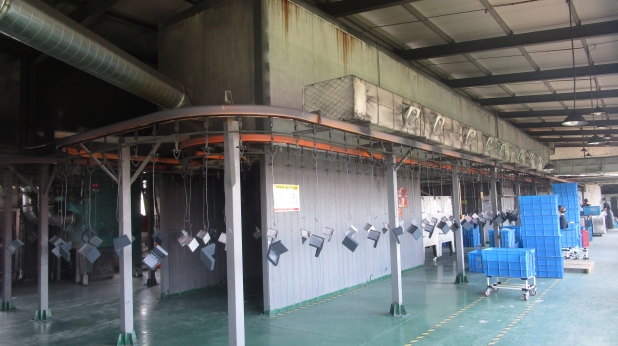
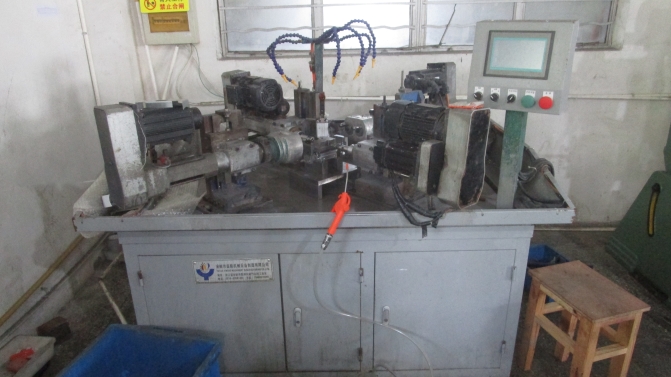
Our company operates from a modern production facility covering more than 5,000 square meters and employs over 100 experienced staff members. Supported by a professional R&D team, an efficient sales team, and a responsive after-sales service department, we are able to provide comprehensive support throughout every stage of a project, from product development and customization to delivery and technical assistance.
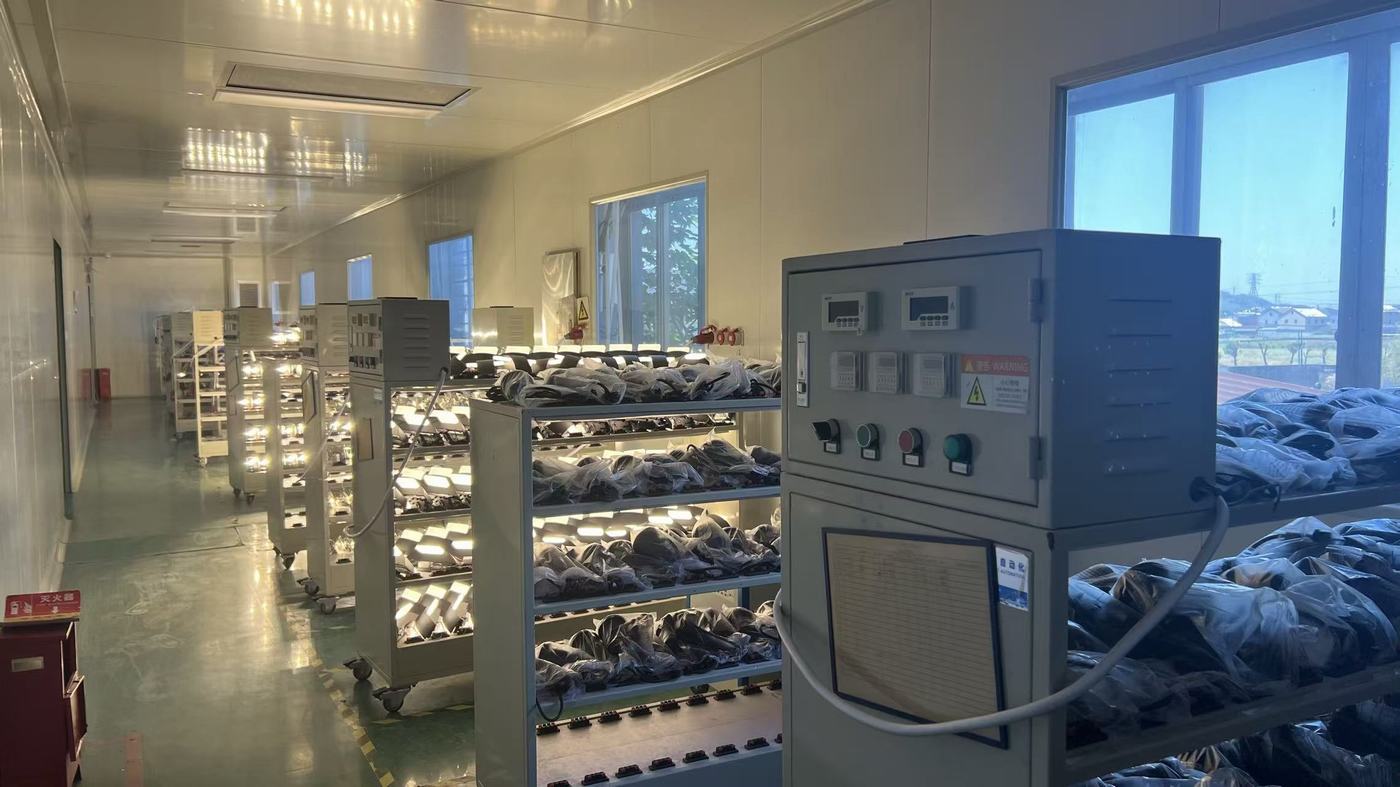
To ensure consistent product quality and efficient production management, Dixon Lighting has implemented an advanced ERP management system and follows strict ISO quality control standards. Our products have obtained internationally recognized certifications, including CE, RoHS, and ETL, issued by leading testing organizations such as TUV and Intertek. These certifications demonstrate our commitment to safety, quality, and compliance with global market requirements.
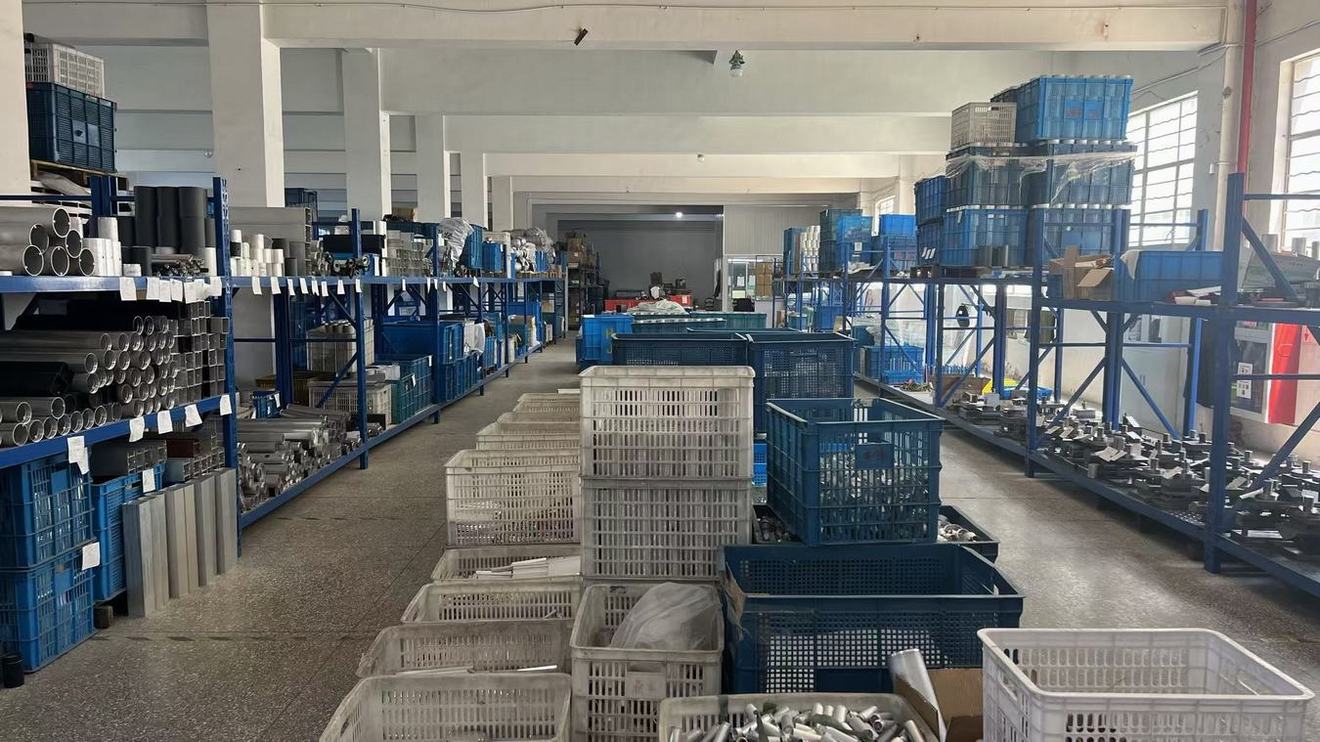
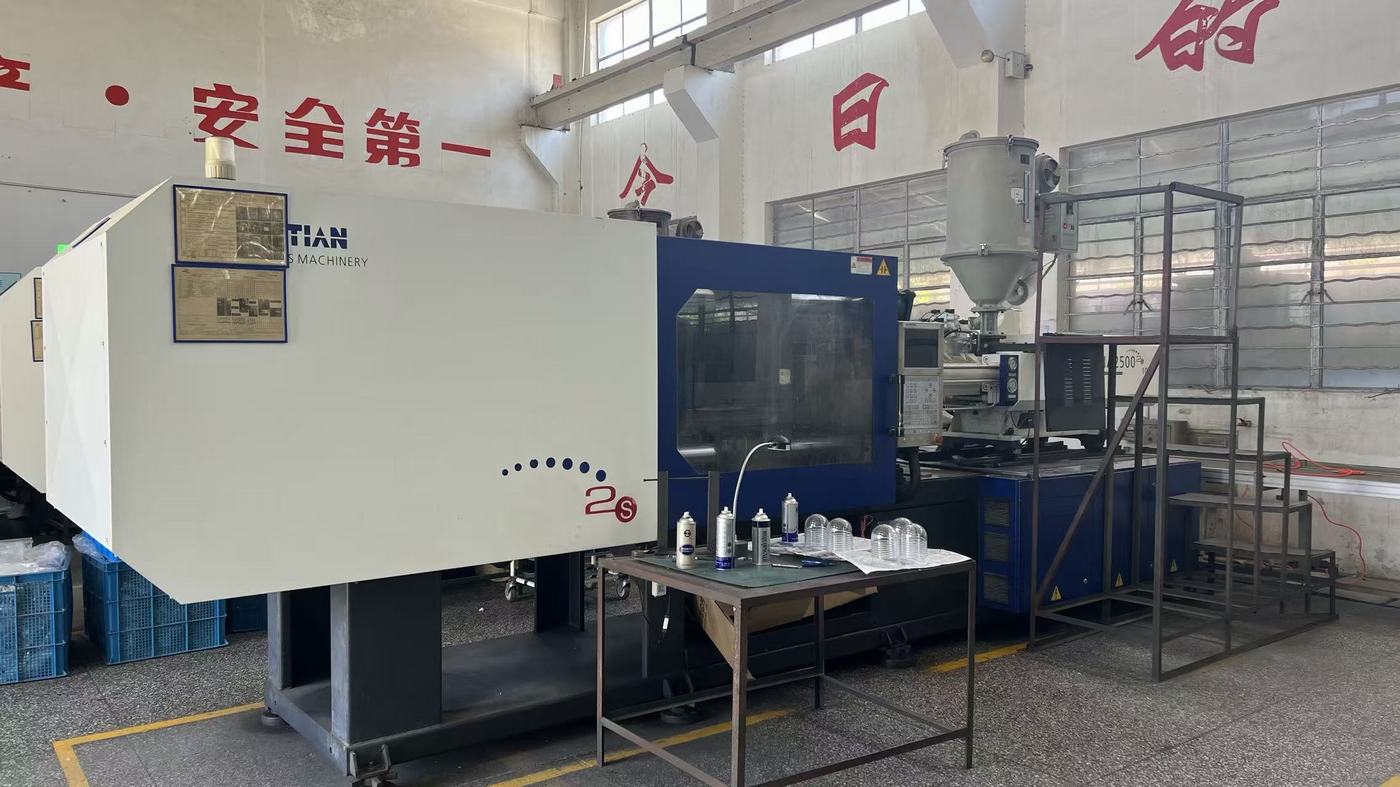
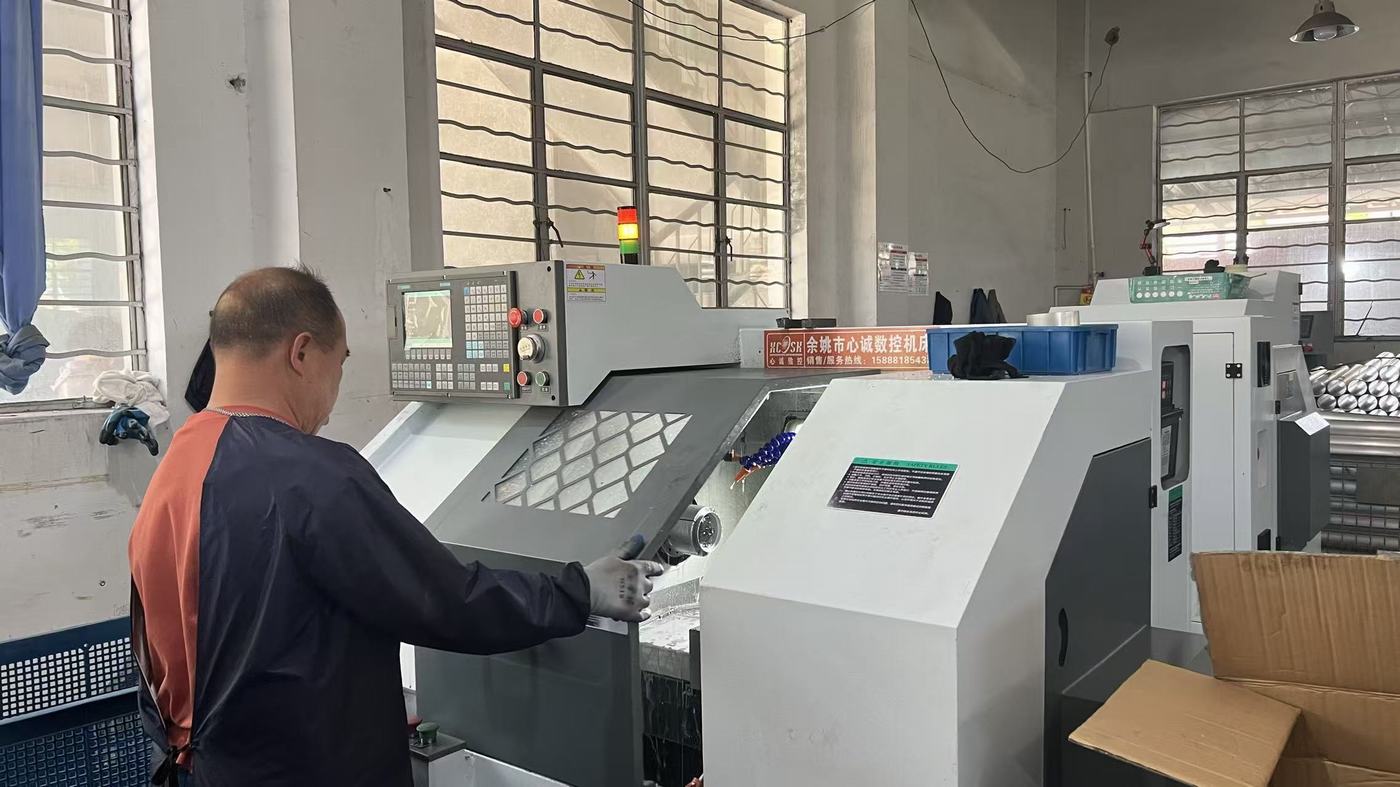
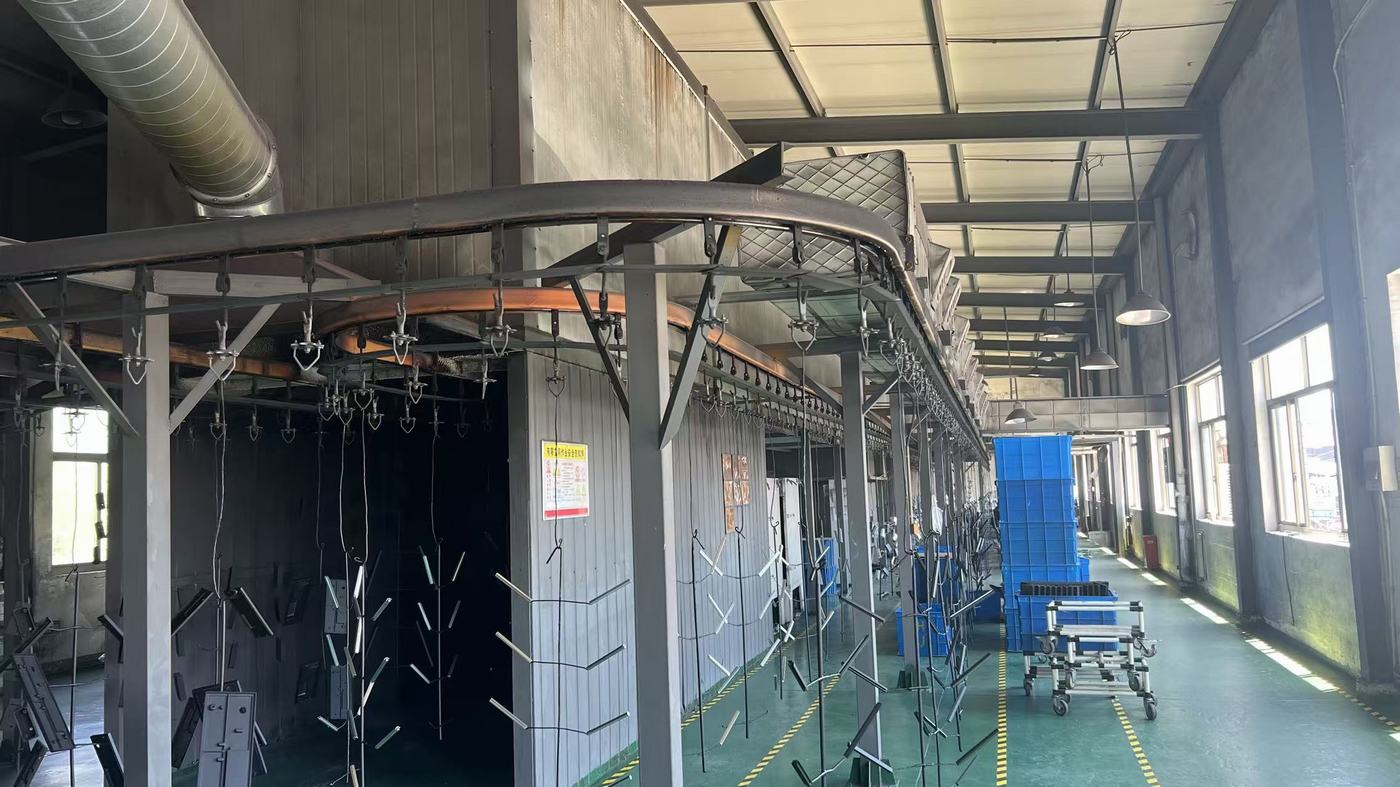
Select from our comprehensive range of high-efficacy floodlighting systems engineered for commercial, industrial, and residential projects in South Africa.
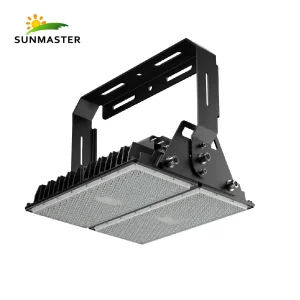
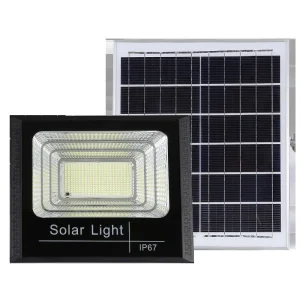
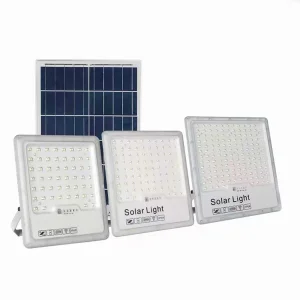
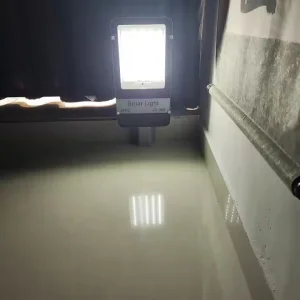
Insights into efficiency targets, battery chemistry developments, and smart integration standards shaping the next decade of security illumination.
The global security lighting industry is undergoing rapid changes, driven by energy transition mandates and improvements in semiconductors. For South Africa, these advancements address critical operational vulnerabilities. Over the next five years, the industry expects major developments in three key areas:
1. Ultra-High Efficacy (Up to 200 lm/W): Next-generation LED packaging and advanced driver circuits are pushing the limits of luminous efficacy. Increasing efficacy from 120 lm/W to 200 lm/W allows operators to achieve the same brightness with nearly half the energy consumption. In solar-integrated systems, this directly reduces the required solar panel size and battery capacity, lowering the overall cost of off-grid security systems.
2. Solid-State and Sodium-Ion Battery Chemistry: While Lithium Iron Phosphate (LiFePO4) remains the current standard for thermal stability and cycle life, research is moving toward Sodium-ion (Na-ion) and solid-state alternatives. Sodium-ion batteries offer excellent performance in cold to extremely hot environments, contain no cobalt or lithium, and are less vulnerable to supply chain issues. This makes them a highly cost-effective option for large-scale municipal and industrial lighting installations across Africa.
3. Unified Smart City & IoT Mesh Networks: Security floodlights are no longer isolated luminaires. Integrating IoT protocols (such as Zigbee, LoRaWAN, and 5G) allows lights to communicate with each other and with centralized building management systems (BMS). If one floodlight detects a perimeter breach via its motion sensor or integrated camera, it can trigger adjacent lights to illuminate at 100% capacity, track the target, and send instant alerts to control centers.
Expert technical answers to key questions about installing, specifying, and maintaining industrial security lights in South Africa.
Partner with Jiangmen Dixon Lighting for your next industrial, commercial, or municipal project in South Africa. Our technical engineering team can assist with Dialux simulations, structural specifications, and custom solar capacity planning.