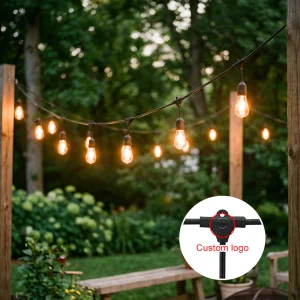
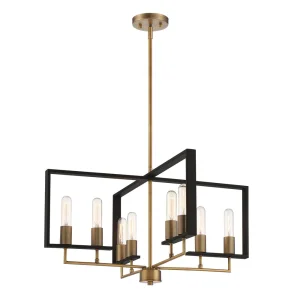
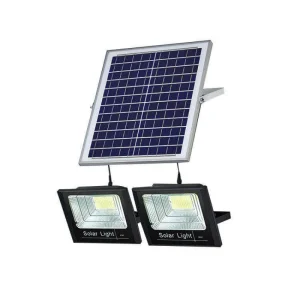
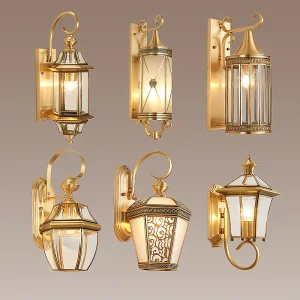
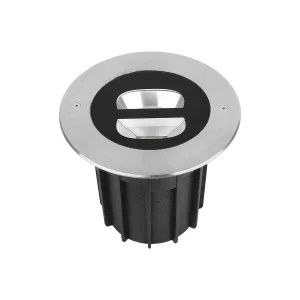
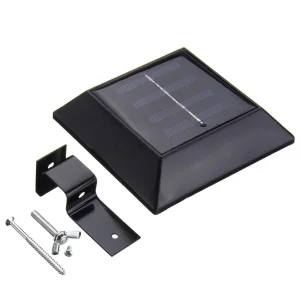
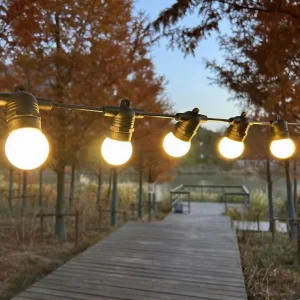
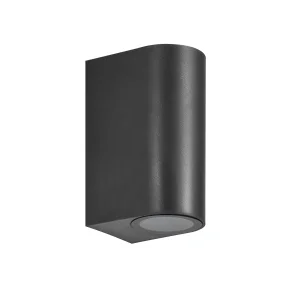
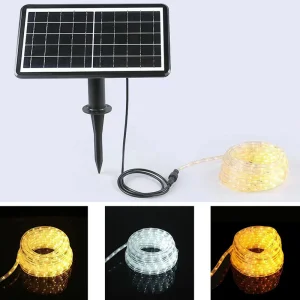
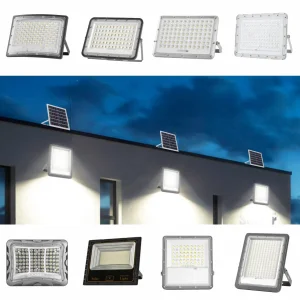
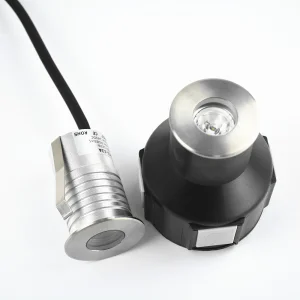
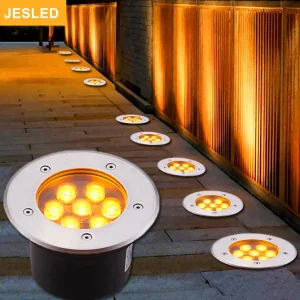
Direct access to our certified high-performance product inventory
In the modern era of smart infrastructure, outdoor illumination has evolved from a simple electrical utility into a key driver of energy conservation, security orchestration, and aesthetic value. Motion-activated path lights stand at the intersection of this architectural revolution.
Integrating PIR (Passive Infrared) and microwave radar sensors allows municipal and commercial networks to achieve up to 80% energy savings by operating on demand instead of constant-on states.
Dynamic path lighting functions as a visual deterrent against trespassing while simultaneously providing safe navigation pathways, greatly lowering slip-and-fall liabilities on commercial sites.
Global initiatives such as the "Dark Sky Movement" demand smart light management to limit light pollution. Automated dimming controls natively comply with these rigid municipal codes.
Commercial stakeholders—ranging from landscape architects and master-planned developers to electrical distributors—no longer view motion-activated path lights as simple localized additions. Instead, they represent integral nodes of modern outdoor IoT networks. By deploying smart sensors that dynamically adjust luminous output based on ambient light levels and real-time physical presence, businesses can dramatically curb operational expenses while ensuring optimal visitor safety.
As solar-hybrid configurations and advanced battery chemistries (like LiFePO4) continue to mature, the demand for off-grid, highly durable pathways has surged. In remote locations or expansive industrial zones, eliminating the cost of underground trenching and copper wiring offers an incredibly strong return on investment (ROI). This structural market shift explains the skyrocketing demand for high-reliability manufacturing partners who can offer custom engineering, consistent output, and globally certified components.
Guangdong province, and particularly the industrial lighting clusters in Jiangmen, represents the epicentre of global optoelectronics innovation. Partnering with a specialized manufacturer here offers significant operational and technical advantages.
Jiangmen Dixon Lighting Co., Ltd. has stood at the forefront of this sector since 2007. By integrating comprehensive R&D capabilities with state-of-the-art production machinery, we deliver highly customized and durable outdoor lighting options that serve critical commercial and architectural projects around the globe. Our advanced manufacturing practices are driven by a team of over 100 dedicated experts, ensuring every run meets the high performance expectations of the North American, European, and Australian markets.
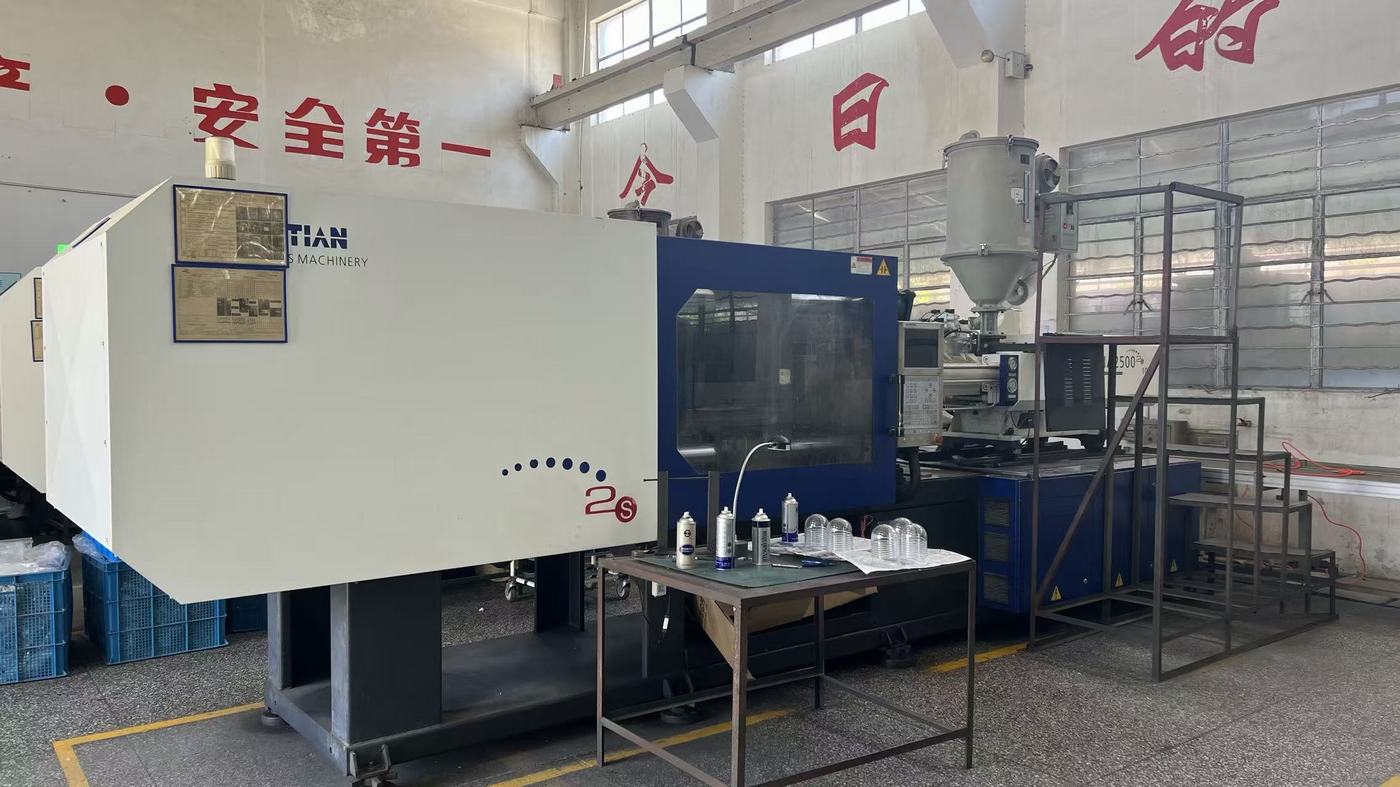
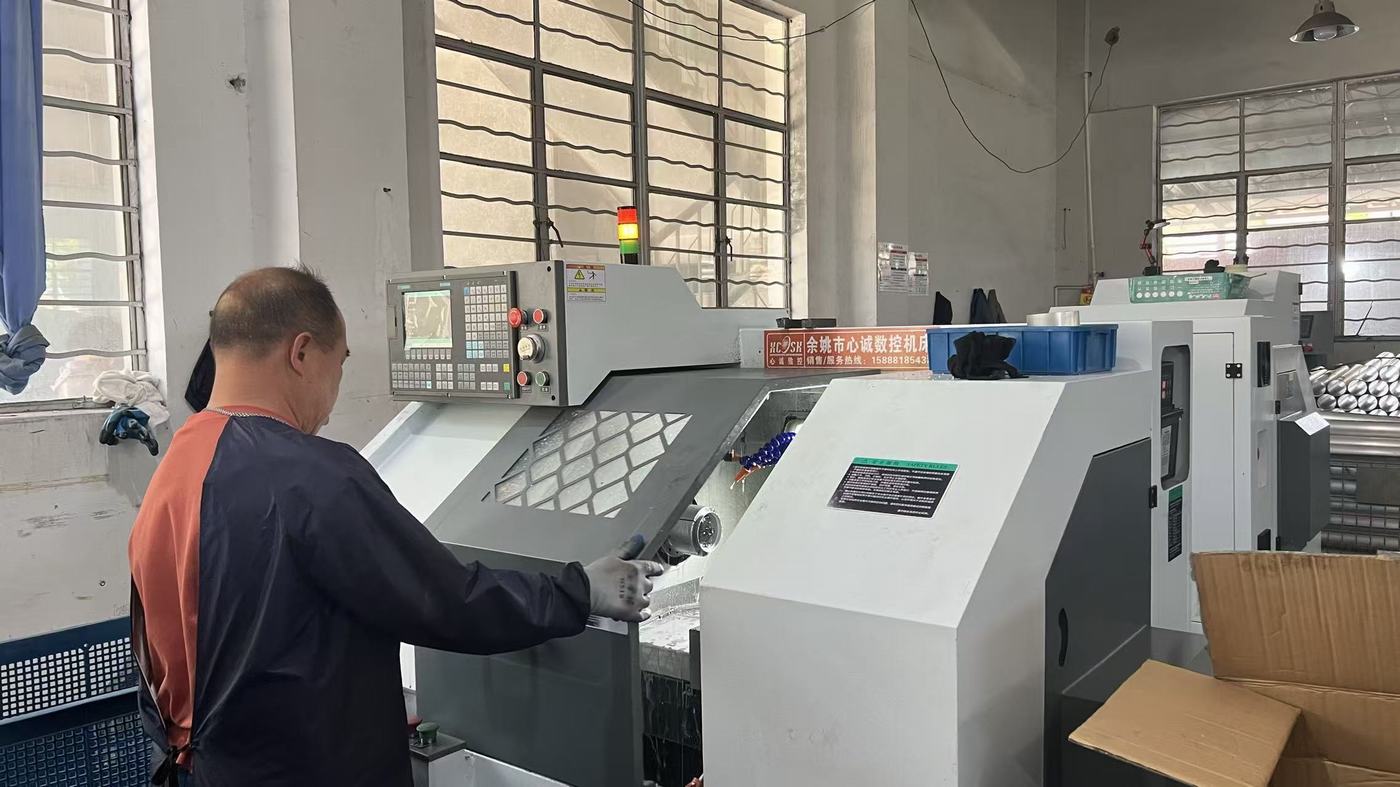
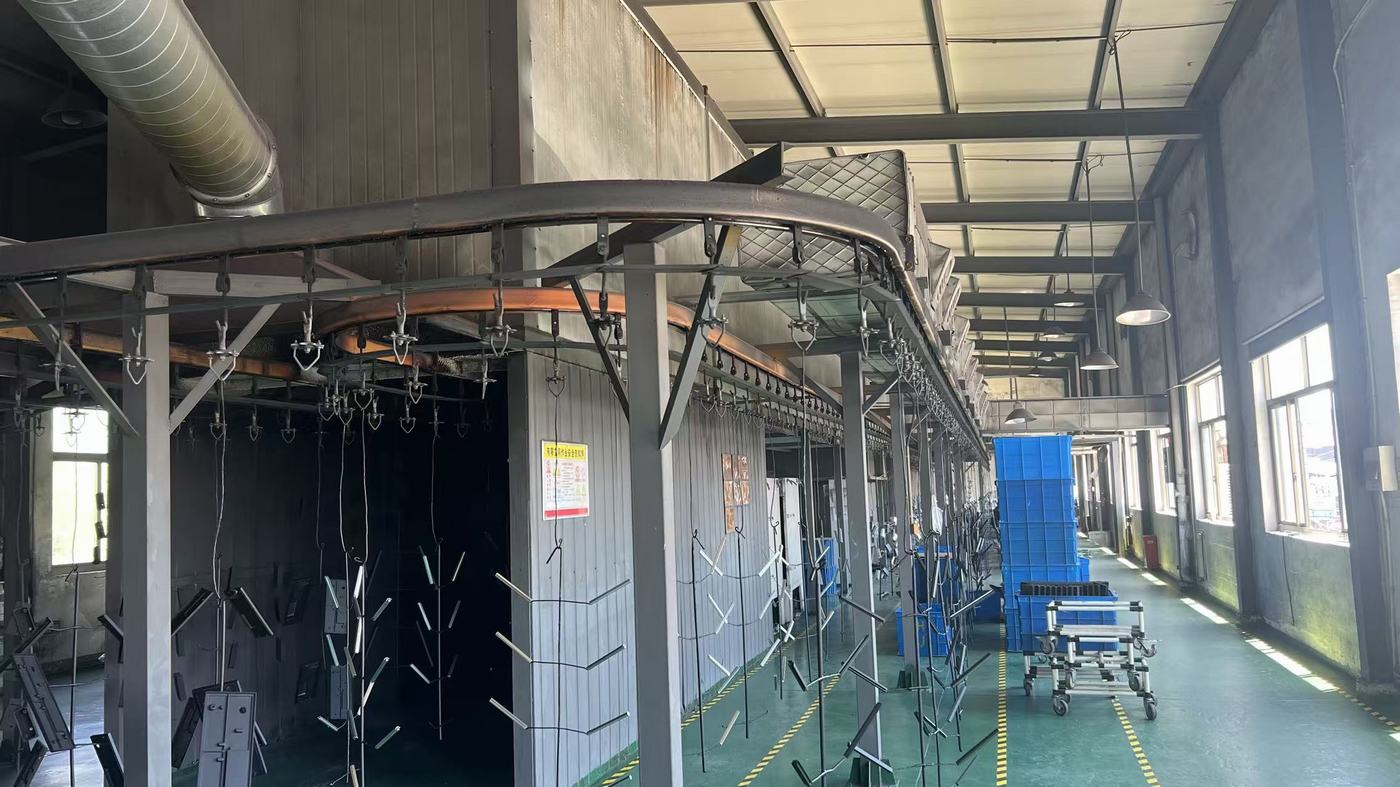
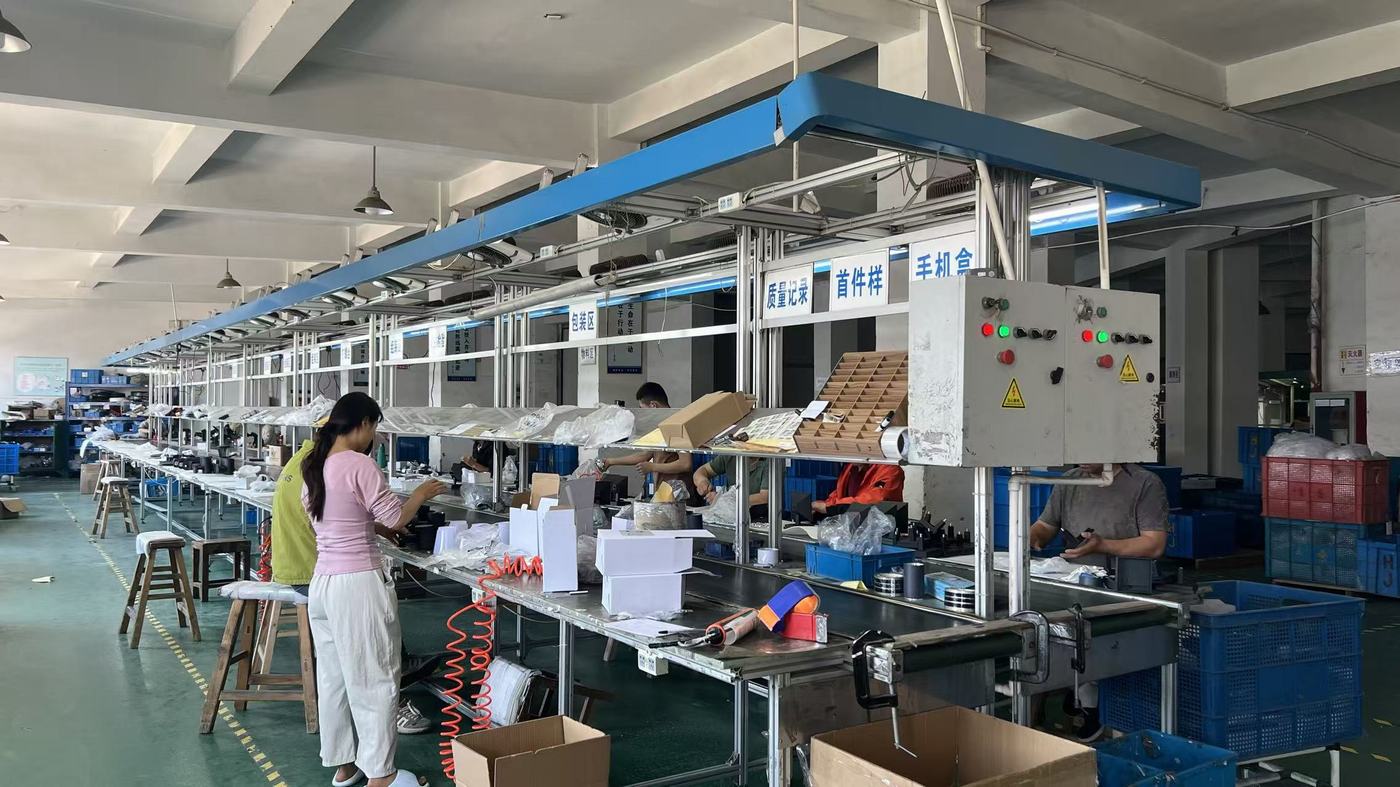
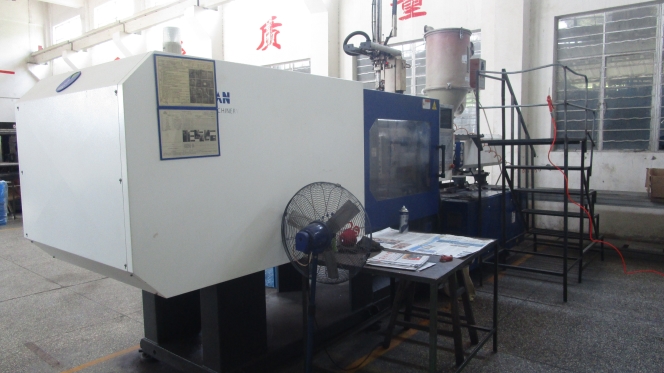
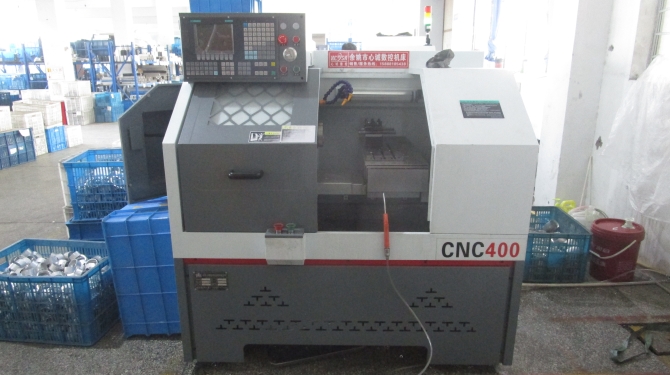
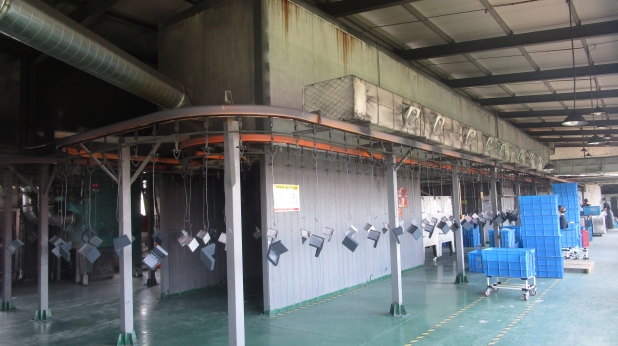
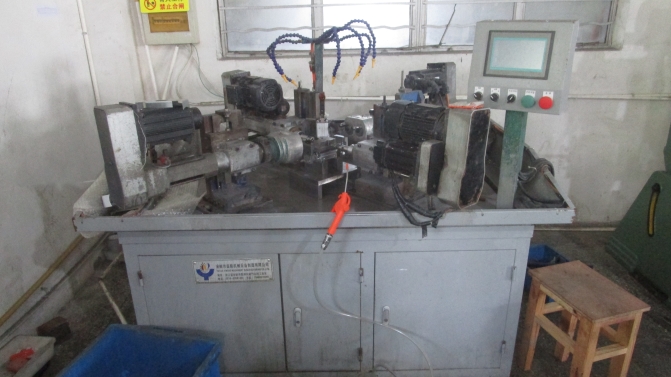
From raw material acquisition and precision injection molding to specialized CNC hardware processing and automated painting lines, our vertical integration ensures strict quality controls at every stage, offering highly reliable output and competitive pricing.
By deploying advanced ERP software across our operations, we ensure perfect traceability of components, minimize lead times, and optimize supply chains. This guarantees that large-scale global orders are manufactured and dispatched on schedule.
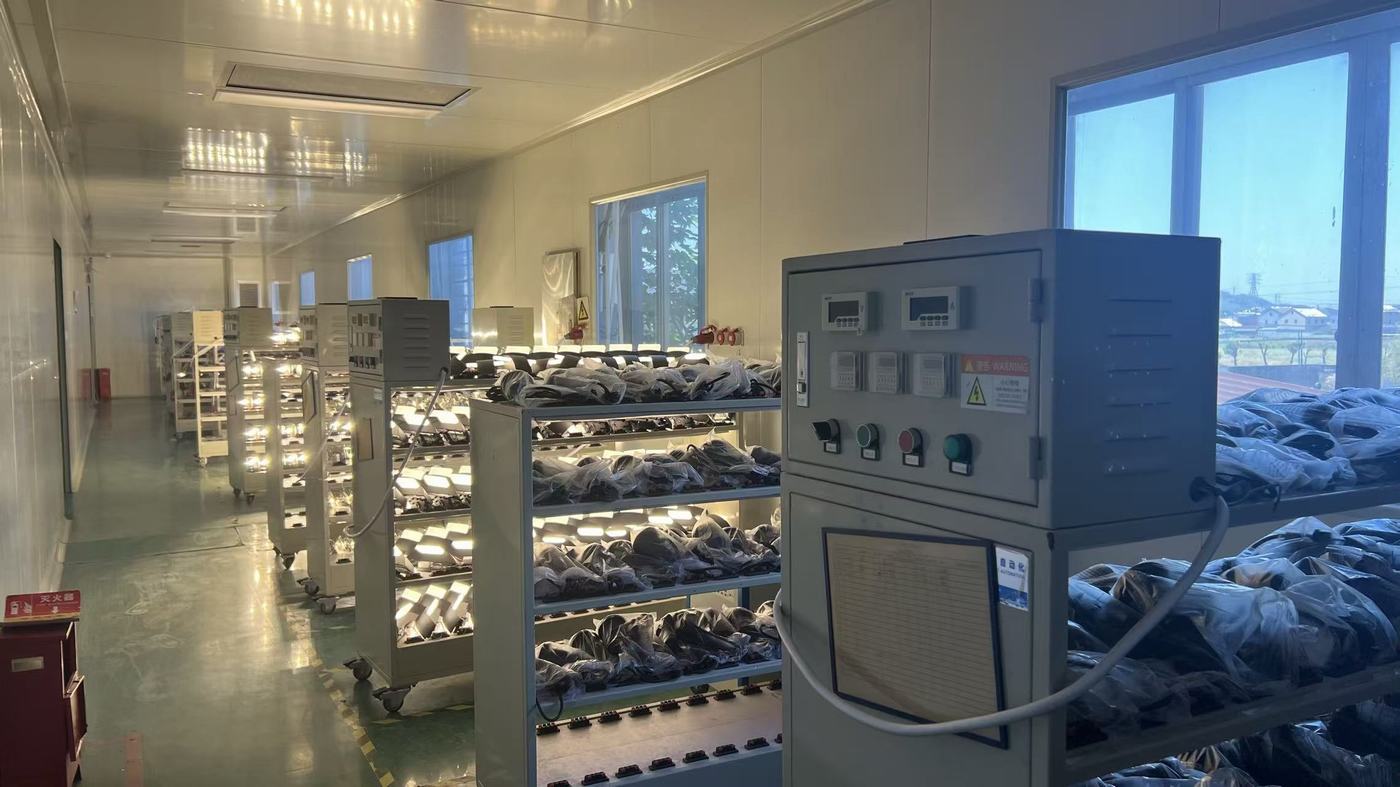
To maintain consistent product safety, our fixtures undergo extensive testing, including long-term aging runs and strict waterproof evaluations. Dixon products carry recognized credentials such as CE, RoHS, and ETL certificates issued by TUV and Intertek.
Transparency is key to establishing mutual trust. Every step of our manufacturing workflow is carefully monitored, from the delivery of raw materials to the final packaging stage.
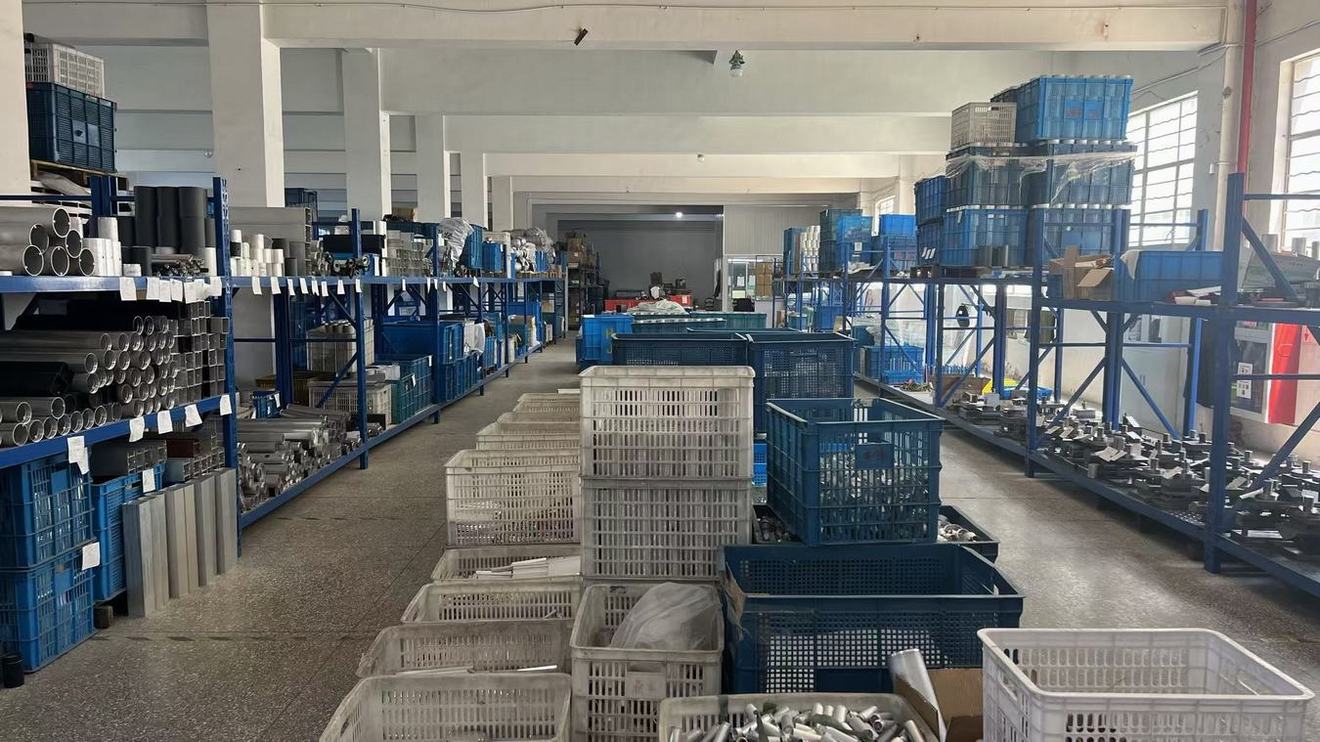


Optimized pathway lighting must adapt seamlessly to varying environmental constraints. Below, we examine the typical configurations recommended for major architectural applications.
For corporate parks, our recommendation includes low-profile, high-output pathway bollards equipped with custom PIR sensors. These provide optimal illumination during shifts while switching to a power-saving mode overnight to reduce overhead costs.
Key Spec: IP65+ Rating, 3000K Color TemperatureResorts require warm, atmospheric lighting that integrates smoothly into the natural landscape. In these environments, we recommend brass or textured finishes and sensors with subtle fade-on-detect logic to avoid jarring changes in light levels.
Key Spec: CRI > 80, Fade-to-On FunctionalityLogistics terminals and warehouses need bright, immediate illumination. For these installations, high-sensitivity microwave radar sensors offer extended detection ranges, integrating with security cameras to highlight active zones.
Key Spec: 120° Sensor Angle, Dual Alert ModesWhen selecting path lights, geographic climate variations should also be taken into account. For instance, coastal developments need corrosion-resistant materials, such as marine-grade aluminum (6063) or high-impact polycarbonates, to withstand salty air and humidity. Conversely, regions experiencing heavy winter conditions require robust IP67-rated fixtures that can function correctly even when surrounded by snow or exposed to freezing rain. Dixon's specialized R&D engineering ensures that our products are tailored to meet these demanding climate needs.
The pathway lighting industry is transitioning rapidly toward fully integrated, smart networks. The next decade will be characterized by major advances in sensor precision, wireless control, and energy collection.
Future path lights will interface with centralized home automation and industrial systems via Zigbee, Thread, or LoRaWAN, allowing operators to monitor system performance and battery health remotely.
Combining motion detection with ambient light measurements and temperature feedback enables systems to adjust brightness intelligently based on weather conditions, seasonal daylight patterns, and local activity.
Innovations in solar photovoltaic efficiency allow modern solar panels to harvest energy even under overcast skies, securing reliable off-grid operations in challenging climates.
Adhering to circular economy principles, future fixture lines will utilize modular layouts. This enables straightforward component replacement—such as batteries or sensor modules—extending operational lifespans.
For high-volume purchasers, choosing a lighting manufacturer involves more than just verifying simple specs. It requires evaluating supply chain reliability, quality control structures, and the supplier's capacity to deliver customized orders.
When issuing Requests for Proposals (RFPs) for large-scale municipal or commercial developments, buyers should pay close attention to structural criteria:
With 15+ years of production experience, we specialize in helping global B2B clients manage their procurement risks. Our dedicated engineers work alongside your product teams to refine designs, supply production samples, and accelerate the transition from concept to market.
• CE, RoHS, ETL Certified Manufacturing • Robust ERP Logistics Management • 100% Comprehensive Factory QC InspectionsDetailed professional answers to common technical, design, and regulatory questions from buyers and electrical contractors.
PIR (Passive Infrared) sensors detect physical presence by measuring changes in thermal energy patterns. They are highly efficient, draw minimal power (excellent for solar-powered setups), and have a typical range of 3 to 8 meters. Microwave Radar sensors emit active electromagnetic pulses and analyze the returned signal. They offer broader coverage (10-15+ meters), can detect motion through light barriers, but draw more power and can sometimes trigger false alarms in windy conditions due to moving tree limbs.
Our ERP platform manages every stage of production, from raw material procurement to scheduling, assembly, and dispatch. For wholesale clients, this guarantees highly accurate delivery estimates, complete traceability of component batches, and minimized lead times, helping you keep inventory levels lean and predictable.
For standard landscape applications, an IP65 rating is sufficient to protect against rain and dust. However, in regions prone to flooding, coastal salt mist, or extreme weather, we recommend upgrading to an IP67 rating. This provides complete defense against dust ingress and protects the internal electronics even during temporary submersion.
We source our LED chips from tier-one manufacturers and use strict color binning processes (within a 3-step MacAdam ellipse). This ensures that all fixtures in a large shipment deliver consistent light output, maintaining visual harmony across the entire installation site.
Yes. Our in-house engineering and R&D teams specialize in product customization. We can adjust detection ranges, sensor delay times, color temperatures, and structural coatings (such as sandblasted, anodized, or powder-coated finishes) to meet your exact design specifications.
Every product line undergoes rigorous performance verification. This includes high-humidity environmental chambers, temperature cycling (from -20°C to 60°C), IP6X dust tests, and IPX5/X7 water spray tests. Additionally, we run 100% of our production batches through an extended aging test of 24 to 48 hours to eliminate early component failures prior to packaging.
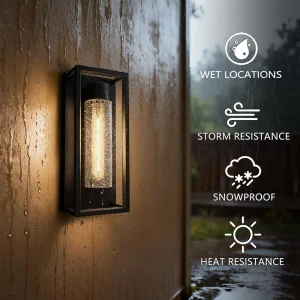
Certified, weather-resistant outdoor fixtures engineered for longevity