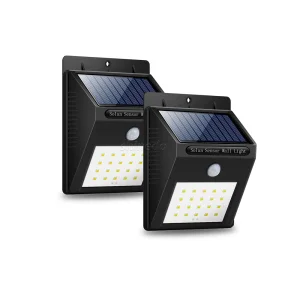
Explore our premium selection of outdoor architectural, landscape, and smart lighting solutions engineered for performance, durability, and global compliance.
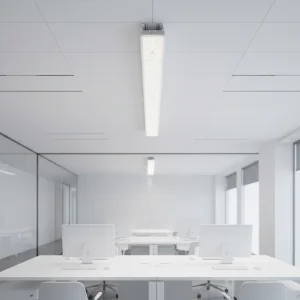
In modern architectural design, lighting is no longer treated merely as a functional add-on; rather, it is recognized as a vital structural element that defines spatial boundaries, dictates human emotional responses, and highlights spatial geometries. At the heart of this shift lies architectural cove lighting. Modern developments in Solid-State Lighting (SSL) have rendered traditional T5 linear fluorescent tubes obsolete. Today's global buyers—ranging from electrical distributors and lighting specification professionals to hospitality procurement managers—demand high-performance LED linear systems that provide smooth, flicker-free, and high-efficacy indirect illumination.
China is home to the world's most advanced LED packaging plants, optical engineering laboratories, and automated manufacturing facilities. Selecting the right supplier involves looking beyond surface-level catalog prices. It requires a meticulous technical evaluation of a factory's engineering standards, raw material supply chains, compliance frameworks, and quality management protocols. This whitepaper serves as an industry roadmap for sourcing high-end linear and cove lighting solutions from China's premier manufacturing corridors, highlighting the operational excellence of leading exporters like Jiangmen Dixon Lighting Co., Ltd.
Enterprise-scale buyers evaluating Chinese LED manufacturers look for specific technical and operational metrics to de-risk their supply chain. High-quality architectural projects leave no room for error: uneven color temperatures, visible hot spots, and early diode failures can ruin multi-million dollar commercial designs. In response, global procurement offices look closely at the following core criteria:
Color consistency across production batches is critical. Leading Chinese manufacturers implement strict color binning protocols, guaranteeing that all LED cove lights fall within a 3-Step or 5-Step MacAdam Ellipse (SDCM ≤ 3). This ensures that linear light runs installed end-to-end maintain a uniform chromaticity without visible color shifts between segments.
Modern commercial specifications require system efficacies exceeding 120 lm/W. To deliver this performance, premium fixtures use high-grade copper leads, robust double-layer PCBs (typically 3oz or higher copper weight), and high-efficiency phosphors. Excellent thermal management is key; heat sinks made from 6063-T5 extruded aluminum ensure junction temperatures remain low, allowing the diodes to achieve rated lifespans of L80B10 > 50,000 hours.
Professional Insight: "For enterprise buyers, verifying the LM-79, LM-80, and TM-21 test reports is essential. A reliable manufacturer will provide independent lab reports from accredited bodies like TUV or Intertek to back up their claims about lumen maintenance and thermal stability."
With the rise of smart building automation, cove lighting must integrate seamlessly with control systems. Premium manufacturers design their driver electronics to support clean dimming down to 0.1% using leading protocols, including:
The global lighting industry has moved past the era of low-cost, basic manufacturing. Today's market is defined by China's Industry 4.0 initiatives. Leading exporters have upgraded their manufacturing bases by integrating automation, Enterprise Resource Planning (ERP) databases, and real-time Quality Control (QC) loops. This level of vertical integration offers significant advantages:
Established in 2007, Jiangmen Dixon Lighting Co., Ltd. has developed over 15+ years of experience in the global outdoor and architectural lighting markets. Serving clients across North America, Europe, Australia, and Asia, Dixon Lighting specializes in reliable, energy-efficient, and beautifully designed lighting systems for residential, commercial, and landscape applications.
Operating from a modern production facility of over 5,000 square meters, Dixon Lighting employs more than 100 experienced professionals. The company features dedicated R&D engineering departments, a strict quality assurance team, and responsive customer support representatives. By managing the entire lifecycle of a project—from industrial design and optical simulation to automated manufacturing and compliance certification—Dixon delivers dependable, project-ready solutions.
To ensure consistent quality, Dixon utilizes an advanced ERP system that tracks component lots from receiving to delivery. The facility adheres to ISO 9001 quality standards and holds international safety certifications, including CE, RoHS, and ETL, issued by leading third-party testing organizations like TUV and Intertek.
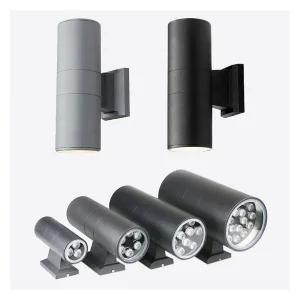
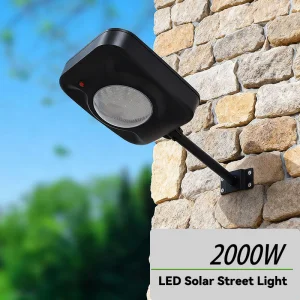
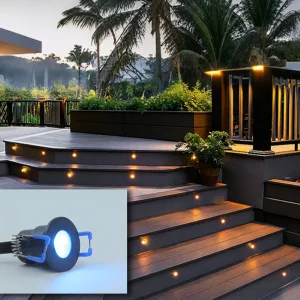
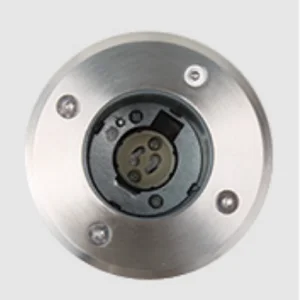
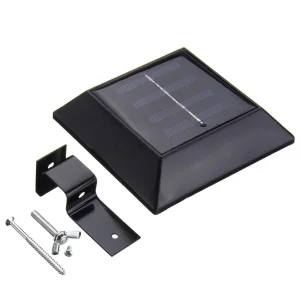
Over the years, Dixon Lighting has developed a comprehensive product portfolio, including security flood lights, smart motion-activated fixtures, architectural up-and-down wall sconces, step lights, deck lighting, eco-friendly solar-powered fixtures, and inground landscape well lights. Built for long-term durability, weather resistance, and thermal efficiency, Dixon products perform reliably in demanding environments.
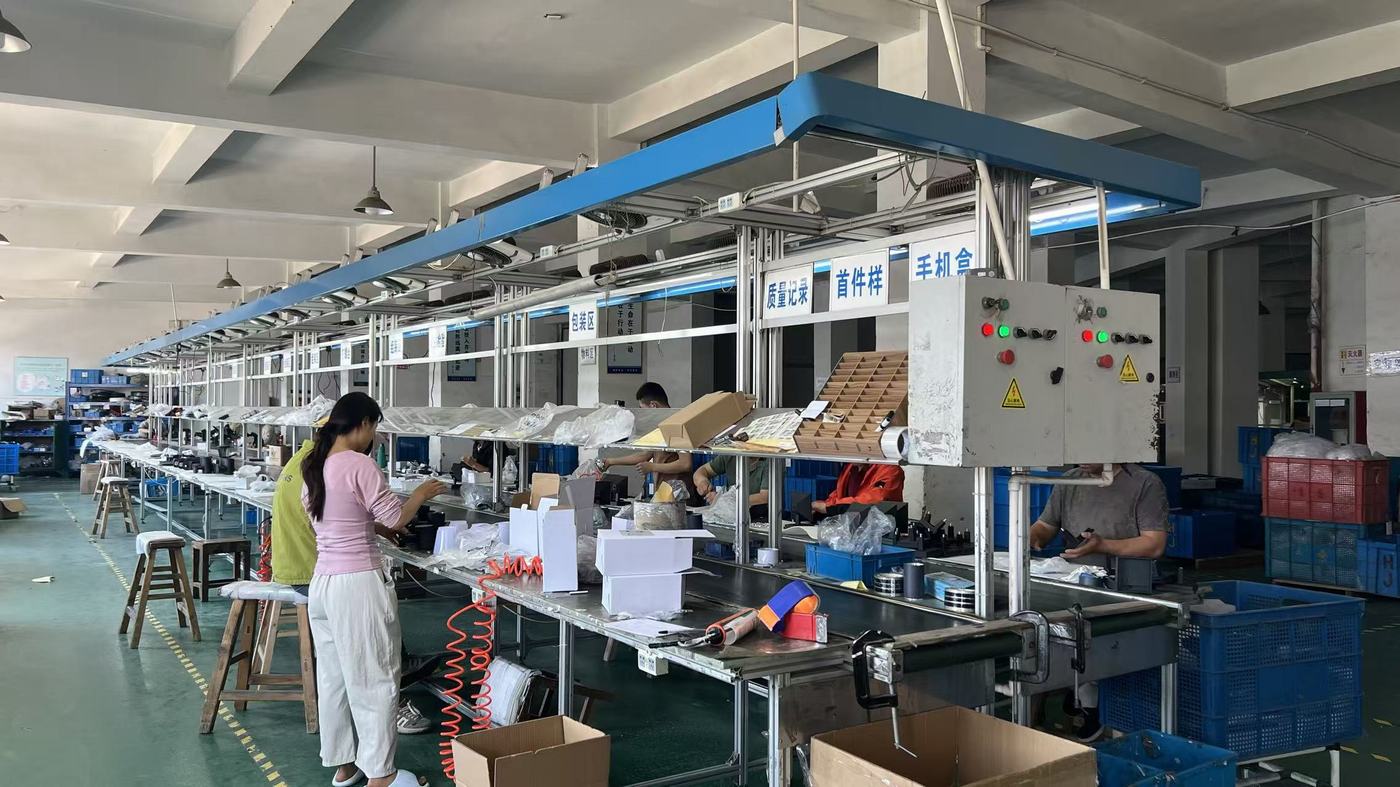
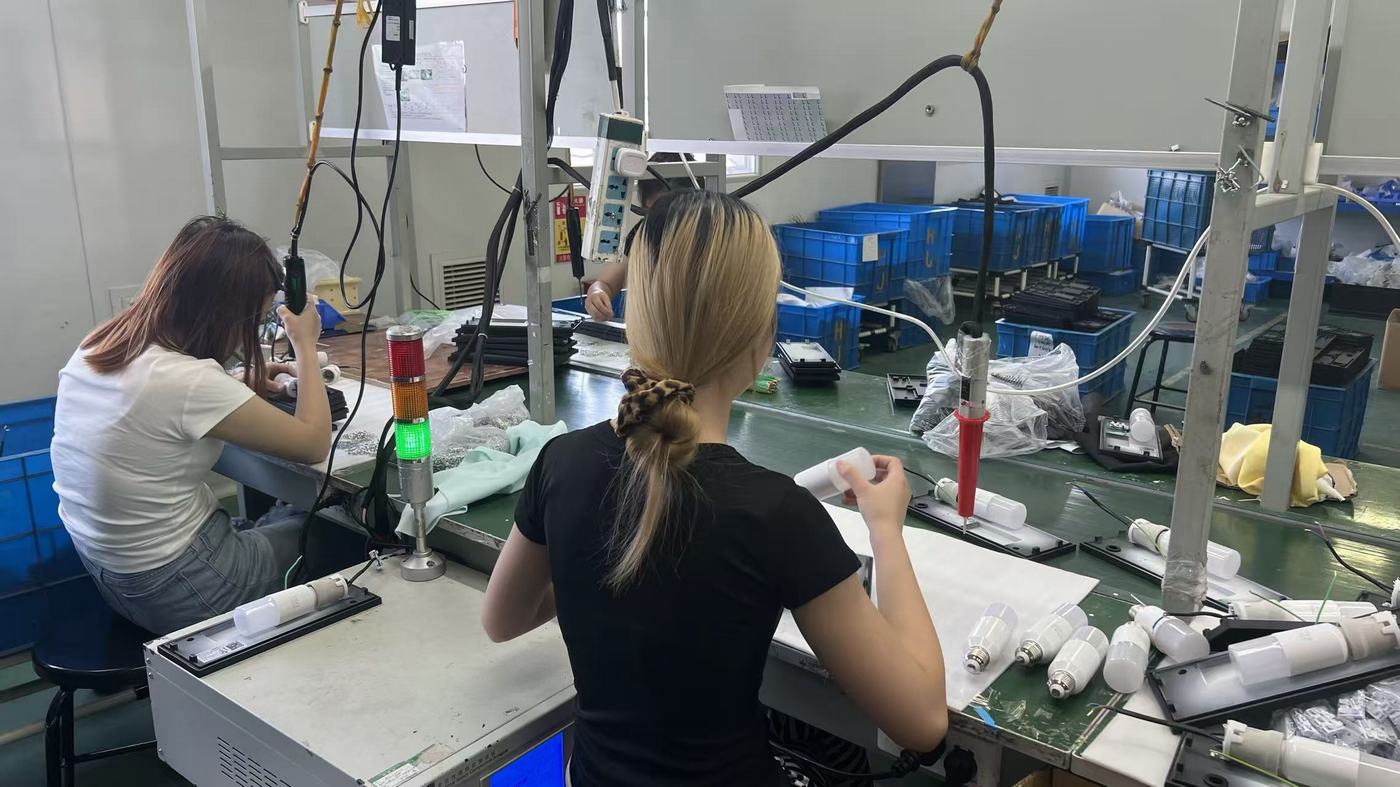
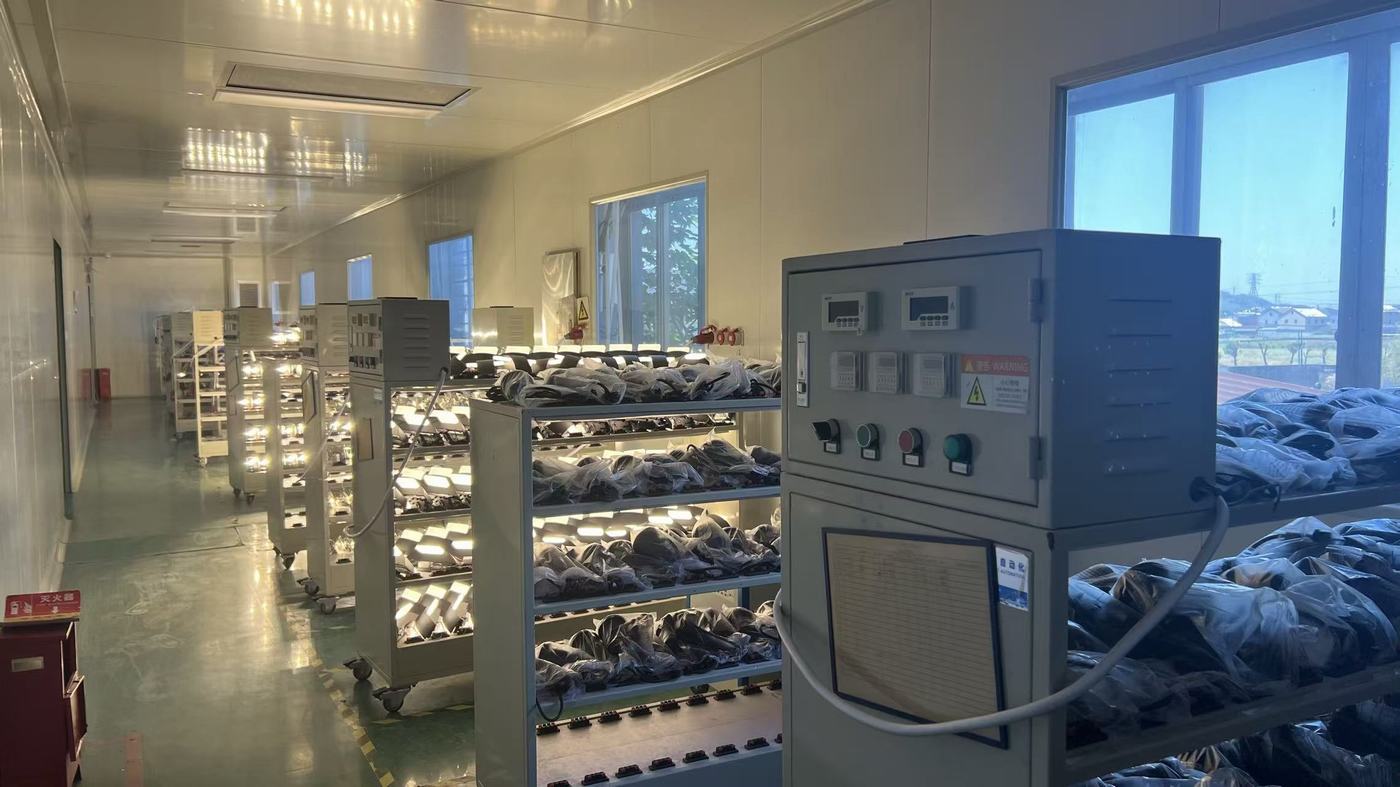
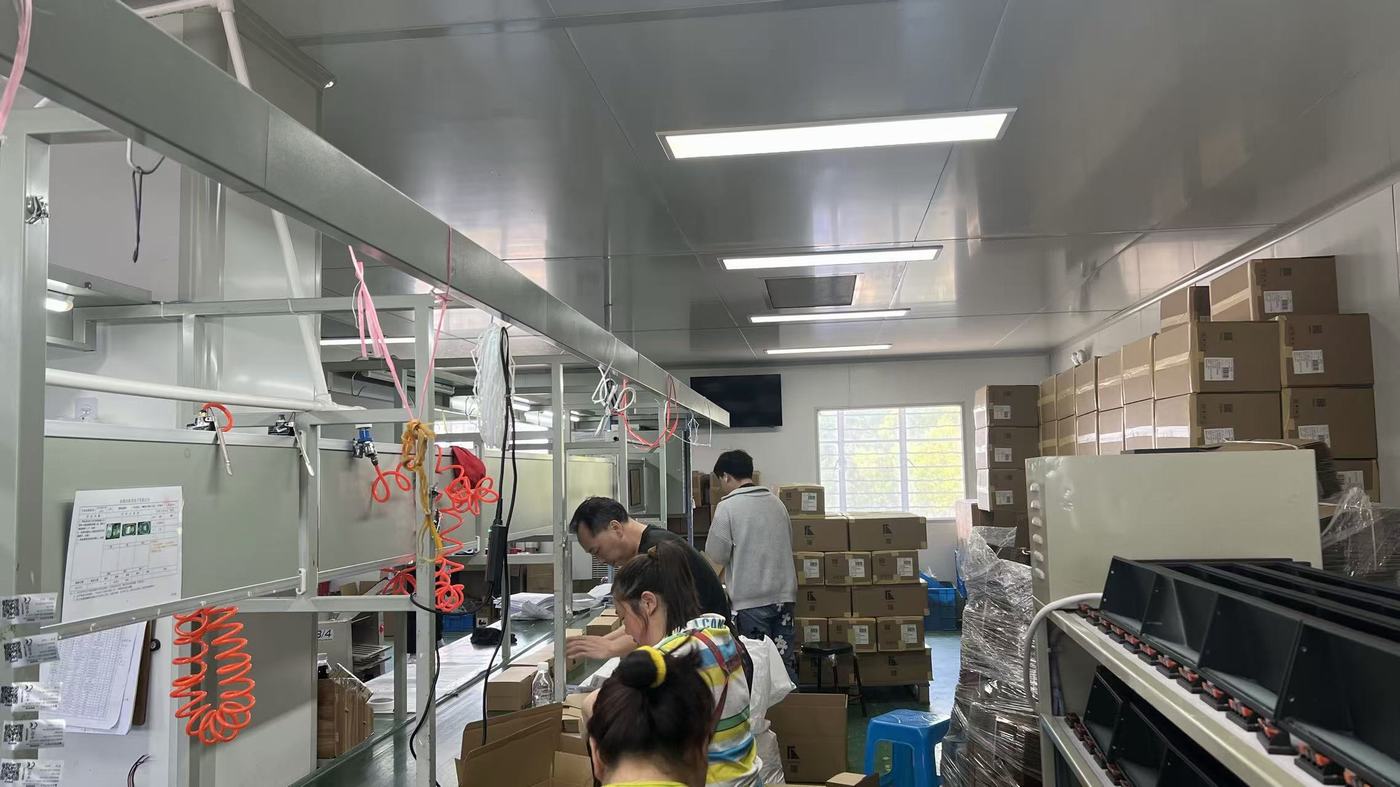
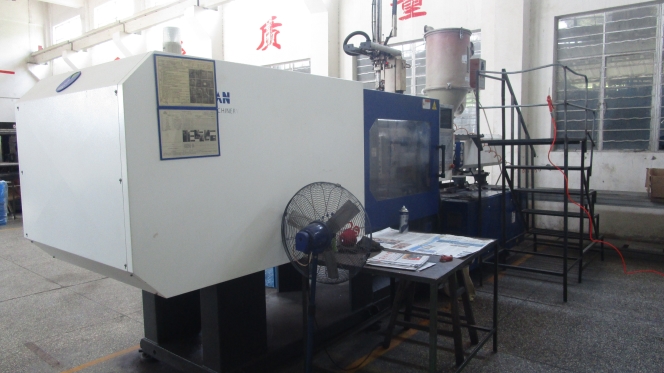
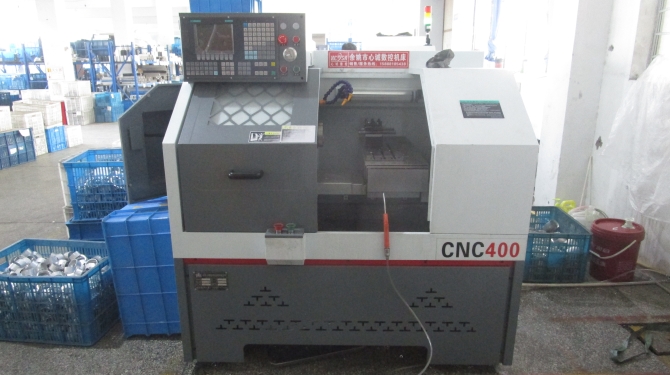
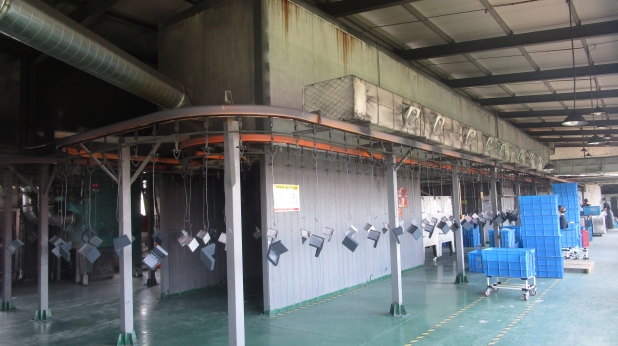
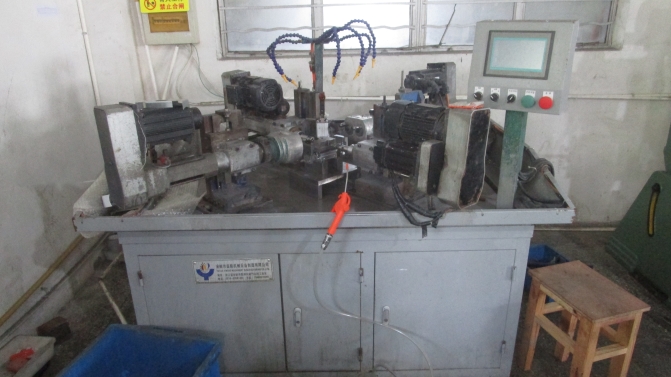
At Dixon Lighting, every stage of the manufacturing process is carefully monitored. The factory's integrated production line ensures high quality control at every step:
Inside Dixon Lighting's manufacturing plant: automated machinery and systematic quality controls ensure outstanding product consistency.
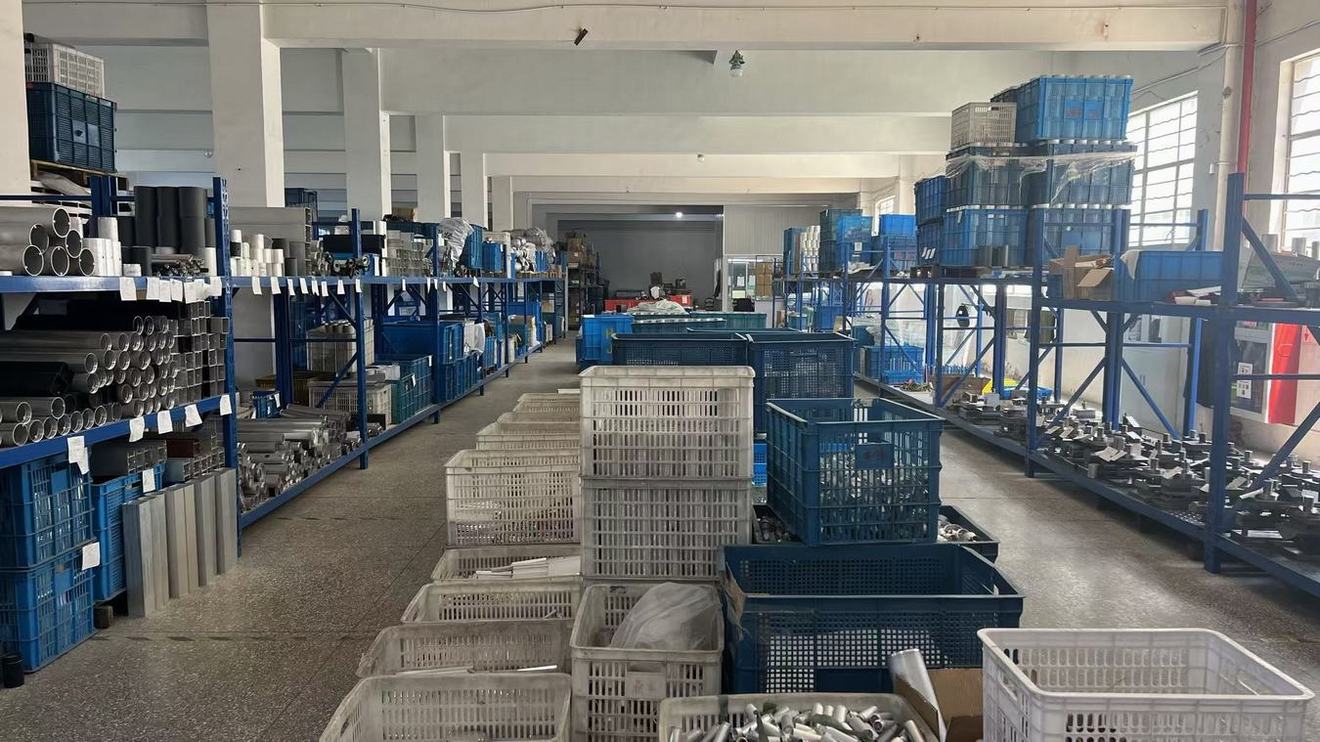
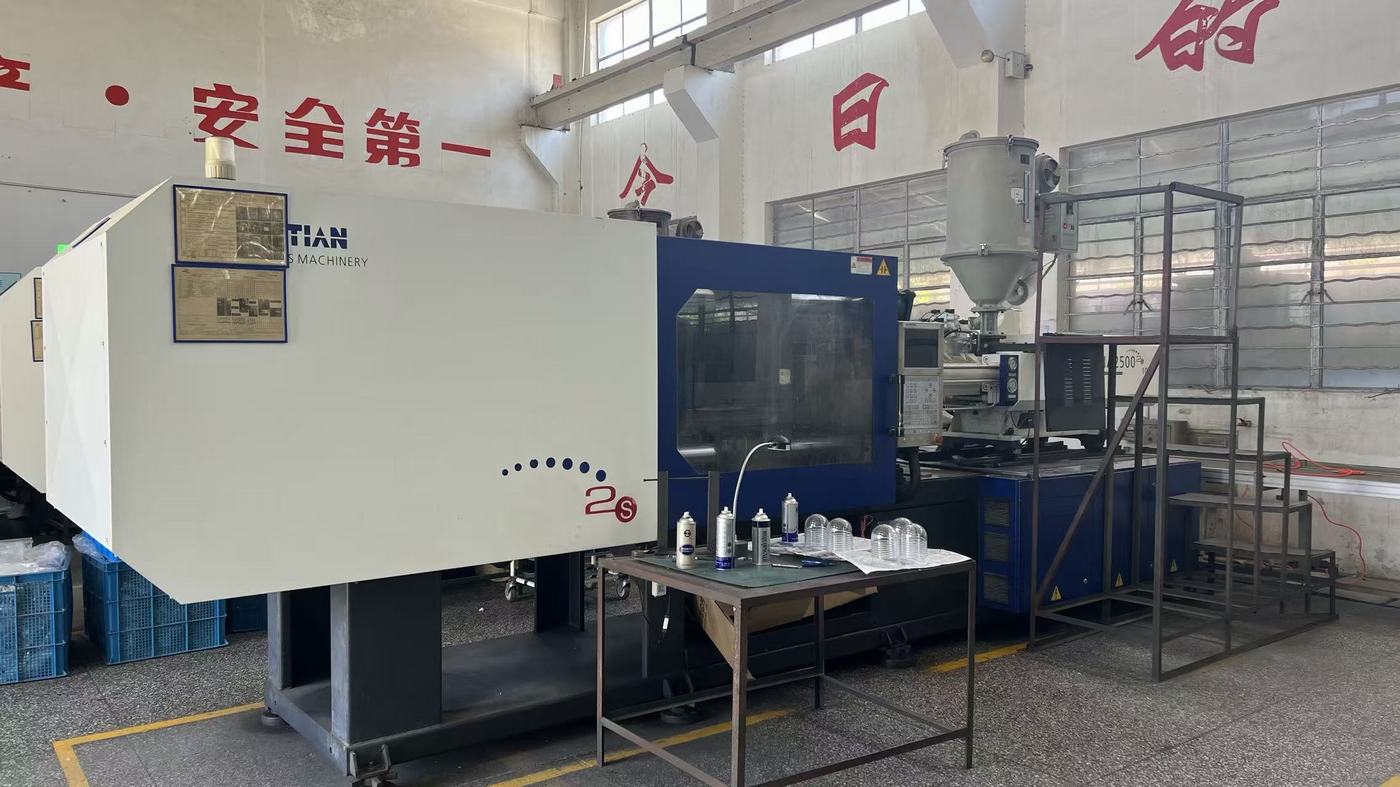
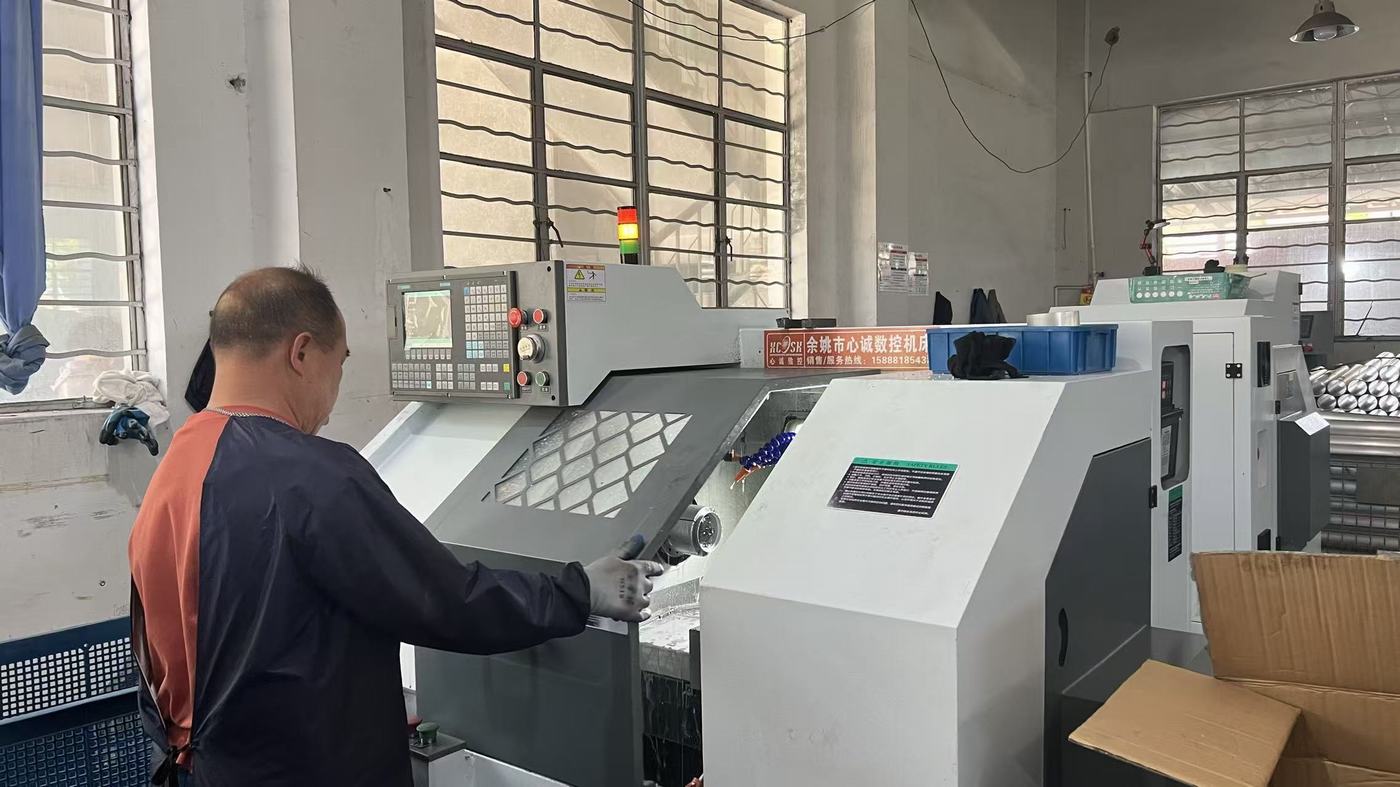
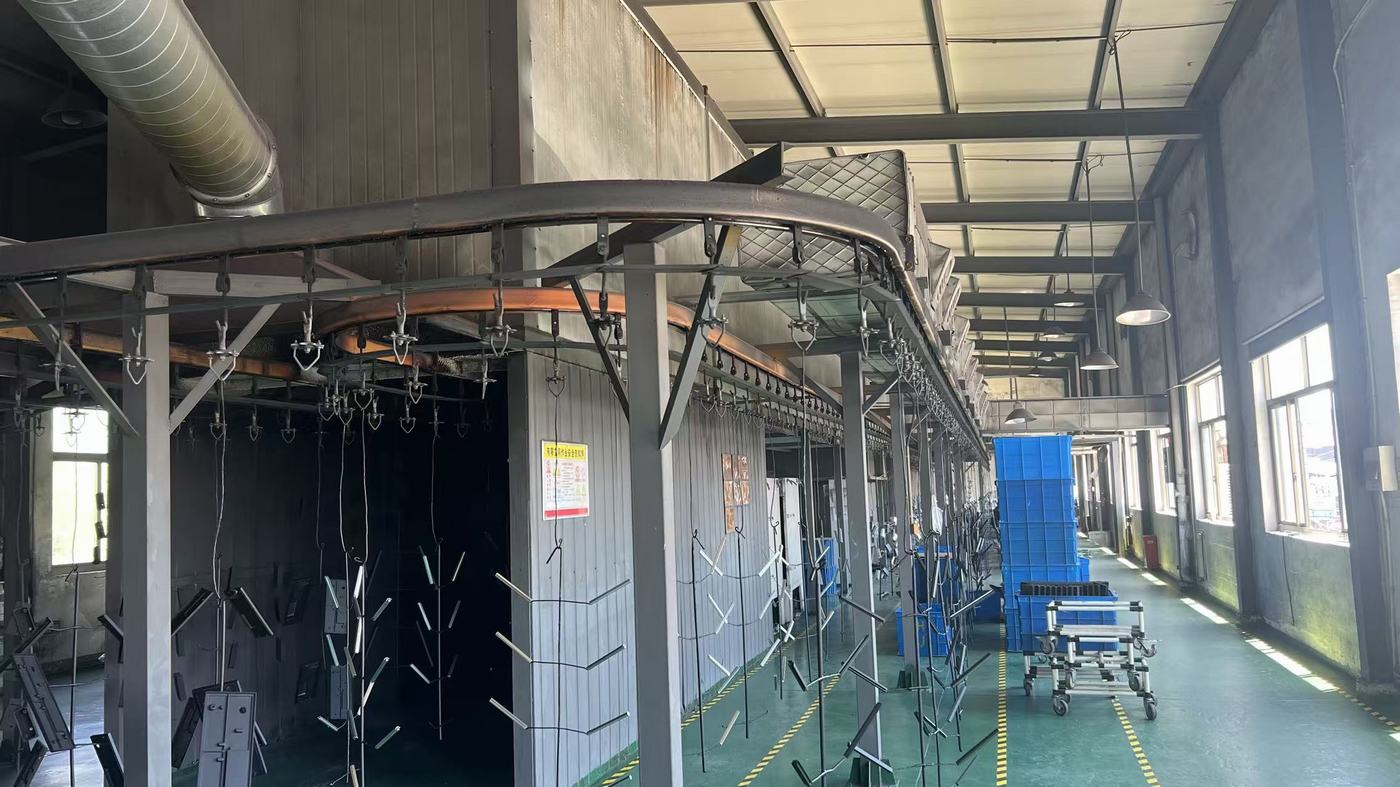
Architectural lighting design relies on proper cove placement and dimensions to achieve optimal light dispersion. Poorly designed coves can result in visible hot spots, harsh cut-off shadows, or dim, muddy illumination. The table below outlines typical architectural cove dimensions and application guidelines:
| Cove Type | Recommended Offset | Light Placement | Target Applications |
|---|---|---|---|
| Classic Ceiling Cove | 150mm - 300mm from ceiling | Diodes pointing upward | Hotel lobbies, residential living spaces, high-end boardrooms |
| Knife-Edge Cove | 100mm - 150mm from wall edge | Diodes angled at 45° | Modern minimalist corridors, galleries, luxury retail perimeter lighting |
| Wall Grazer Cove | 50mm - 100mm from wall surface | Diodes pointing downward/parallel | Textured stone or wood walls, hotel facades, high-end retail features |
When selecting the right linear light, engineers must match the fixture to the environment. Indoors, high-density, diffuse LED strips (such as COB) help eliminate diode reflections on glossy surfaces. For outdoor facades, columns, and bridges, fixtures require robust IP67/IP68 silicone or polyurethane encapsulation to withstand temperature changes, dust, and moisture.
Get answers to the most common questions raised by electrical engineers, lighting designers, and procurement managers sourcing from China.
Complete your design specifications with our high-durability, weather-resistant landscape, pathway, and decorative outdoor lighting ranges.