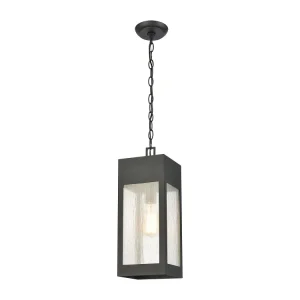
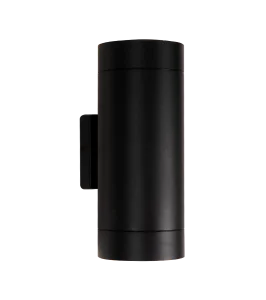
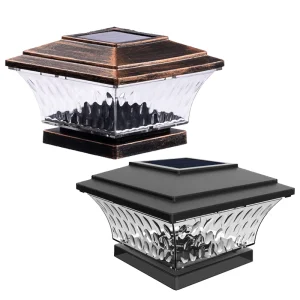
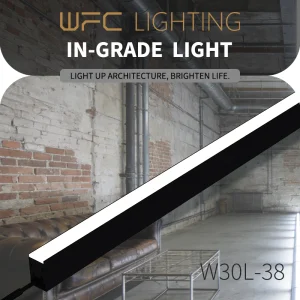
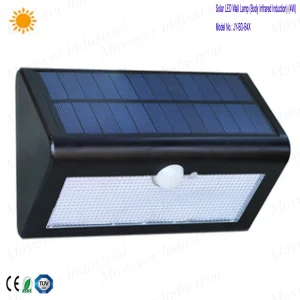
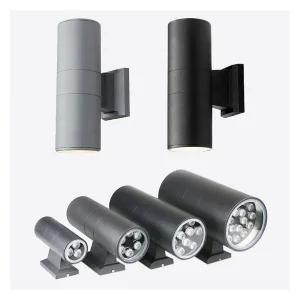
Explore our industrial-grade low voltage, solar-powered, and waterproof landscape illumination products engineered for modern outdoor projects.
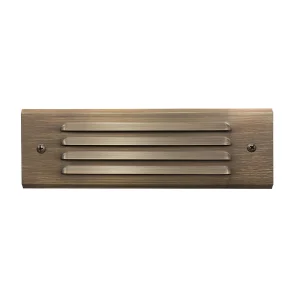
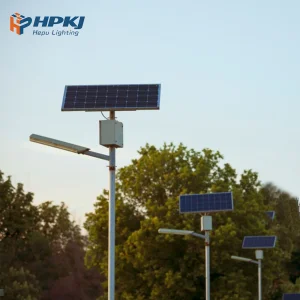
An in-depth analysis of structural integrity, photometrics, and supply chain efficiencies for global procurement officers, landscape architects, and municipal buyers.
Modern landscape architecture relies heavily on safety, visual guiding, and architectural highlight systems. High-quality luminous outdoor pathways serve not just aesthetic purposes but operate as core infrastructure components. These solutions utilize low-voltage LED circuits (frequently 12V AC/DC systems) and advanced high-output solar engines to map routes, mitigate safety hazards, and minimize light pollution. By utilizing precise color-correlated temperatures (CCT) of 2700K to 3000K, designers can construct paths that offer comforting, non-glare illumination that conforms to Dark Sky guidelines.
From an engineering standpoint, selecting the correct thermal management pathway is essential. Unlike indoor systems, outdoor luminaires are subjected to severe diurnal thermal cycles. Inadequate heat dispersion leads to rapid lumen depreciation and spectral shifting. Leading manufacturers implement specialized aluminum profiles (such as 6063-T5 anodized alloy) and copper core PCBs to transfer thermal energy away from delicate LED diodes. This mechanical design maintains the junction temperature below critical thresholds, enabling a reliable operational lifespan exceeding 50,000 hours.
For import distributors and project developers based in North America, Western Europe, and Australia, regulatory compliance represents a significant operational threshold. Luminous pathway fixtures deployed in public or residential environments must adhere to strict testing regimes. At Jiangmen Dixon Lighting Co., Ltd., our engineering and manufacturing frameworks comply fully with global compliance specifications:
Conforms to UL Standards 1598 and 1838. Essential for all low-voltage landscape lighting installations in the US and Canada.
Fully compliant with LVD (Low Voltage Directive) and EMC directives, validating safety and electromagnetic compatibility.
Strict restrictions on hazardous materials, including lead, cadmium, and polybrominated biphenyls, facilitating recycling and safety.
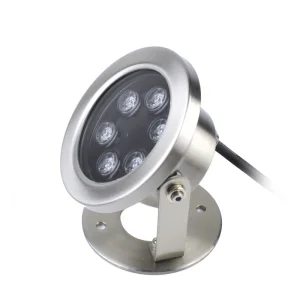
Testing processes are certified by top-tier third-party laboratories, such as TUV and Intertek. Beyond electrical certificates, the physical housings are engineered to survive harsh, corrosive exterior environments. The Ingress Protection (IP) rating is the industry yardstick for physical resilience. Pathway fixtures require an IP65 rating at minimum to protect against low-pressure jets, while in-ground well lights require an IP67 rating to withstand transient immersion during heavy rainfall. For sub-surface pond and fountain configurations, a true IP68 rating, along with hermetically sealed stainless steel housing, is crucial to prevent moisture ingress caused by hydrostatic pressure.
How Jiangmen Dixon Lighting integrates precision raw materials, advanced CNC milling, and rigorous testing protocols to yield zero-defect production runs.
The Jiangmen region in Guangdong province stands as the premier global hub for light-emitting diode (LED) supply chain development. Establishing a dedicated manufacturing center within this cluster allows Jiangmen Dixon Lighting Co., Ltd. to secure premium raw materials, leverage professional CNC tooling facilities, and employ skilled production professionals. Our 5,000+ square meter factory operates under strict ISO 9001:2015 quality control systems to ensure uniformity across volume production orders.
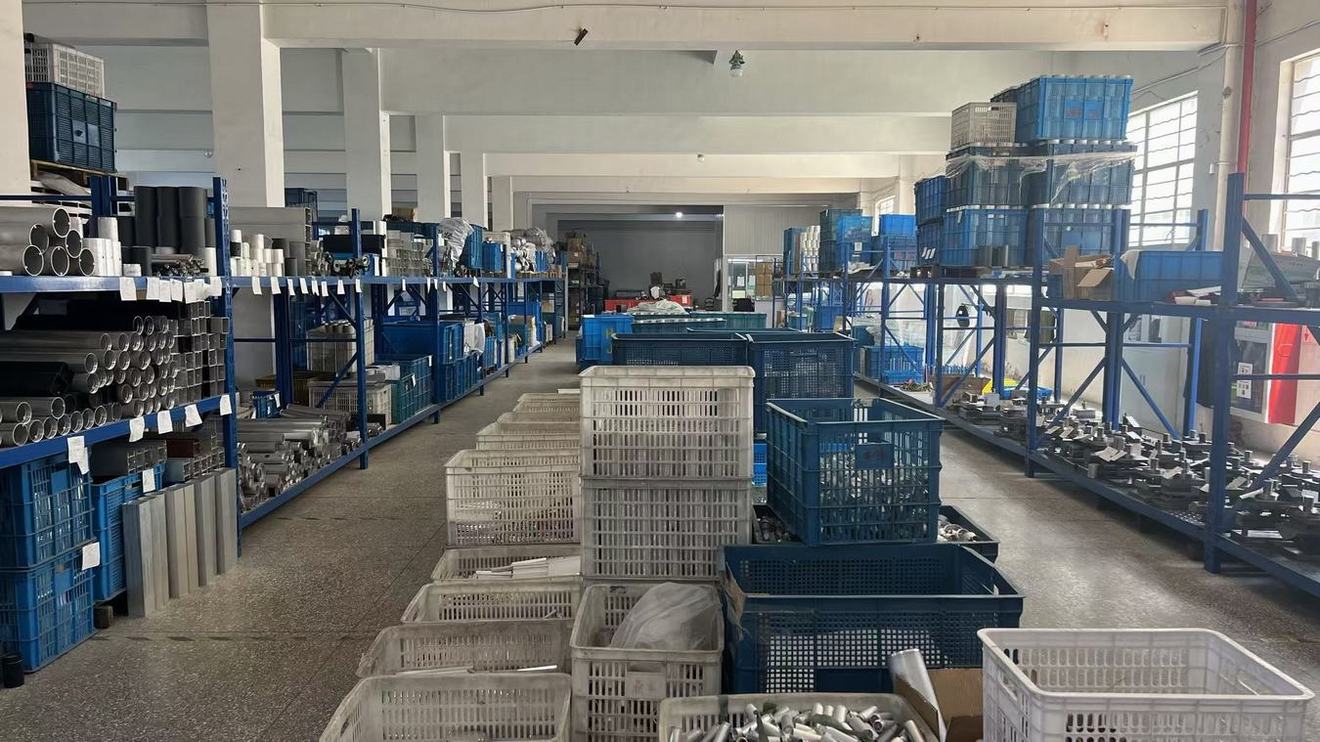
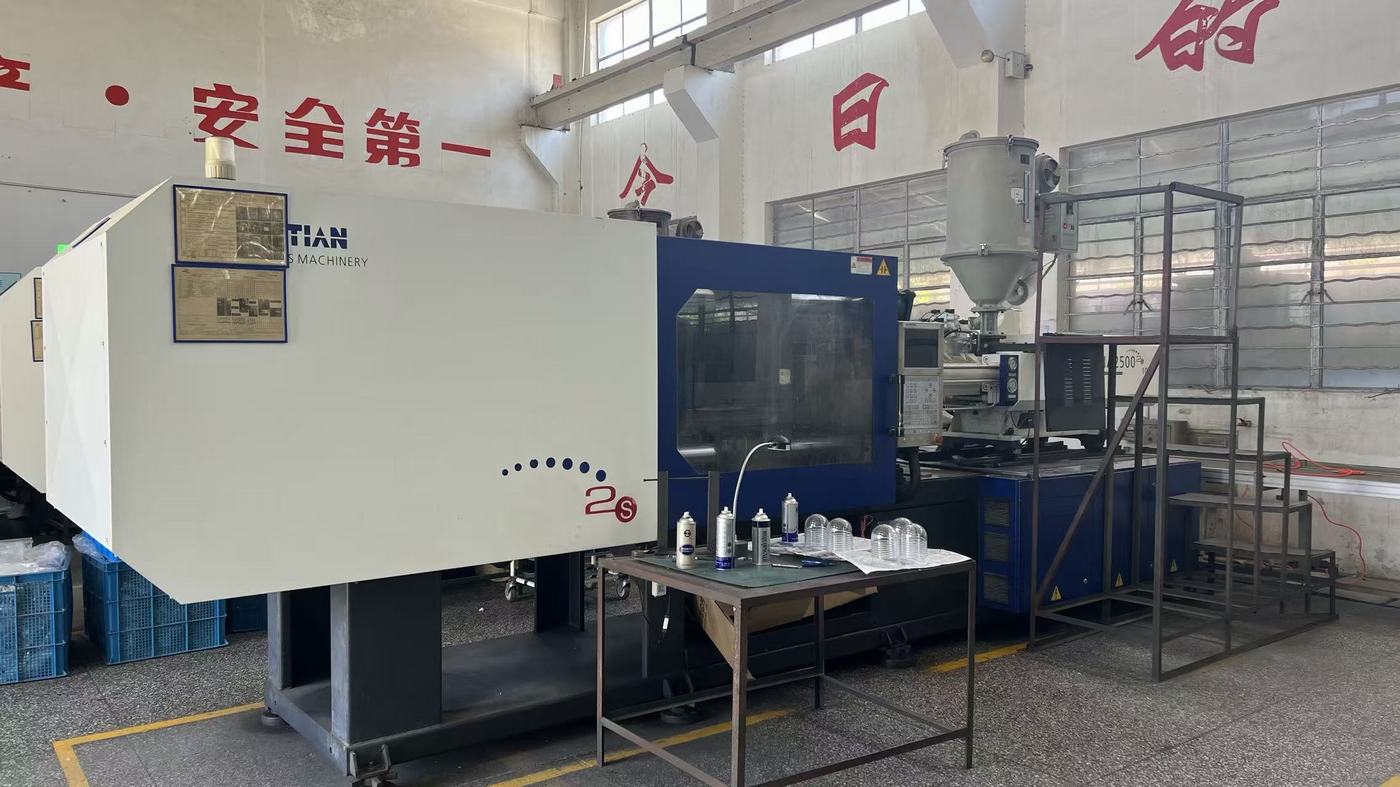
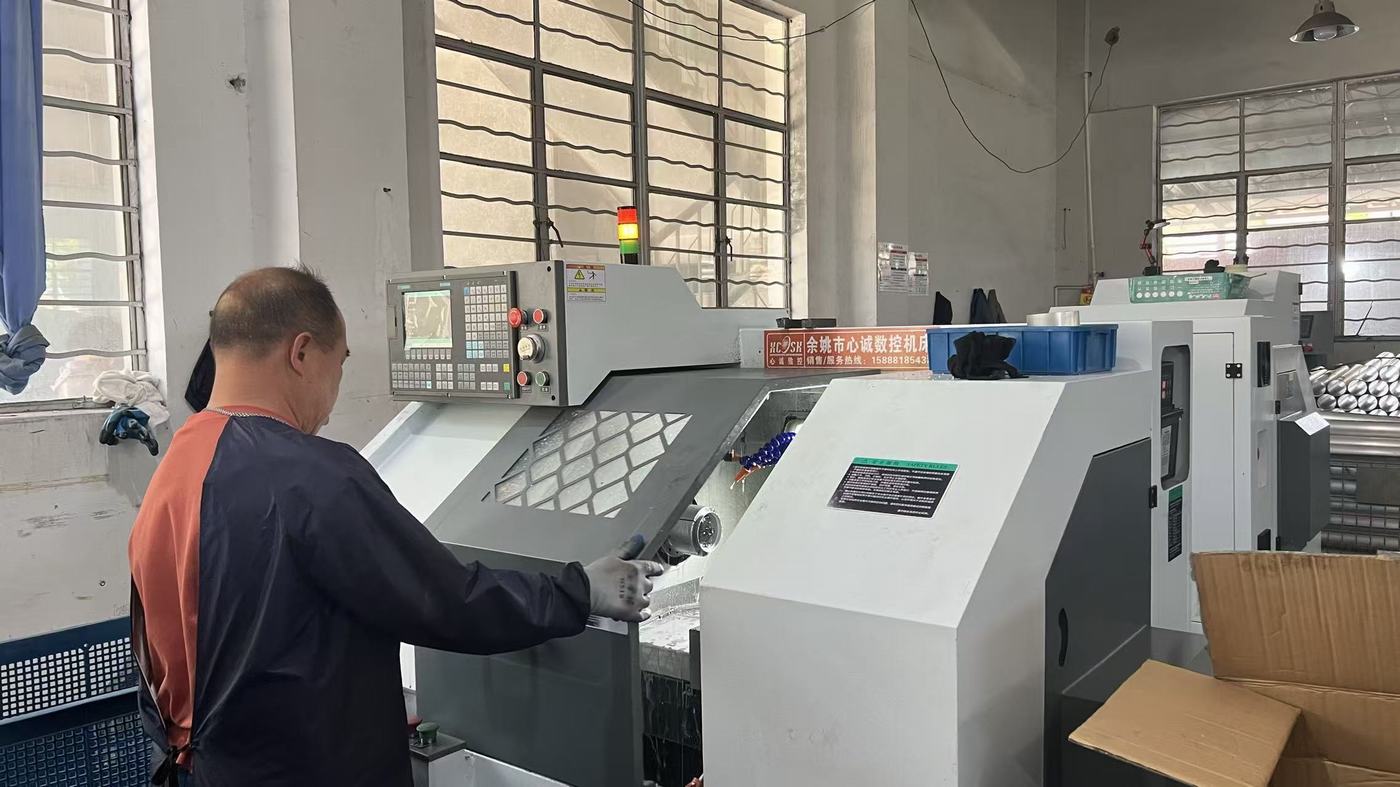
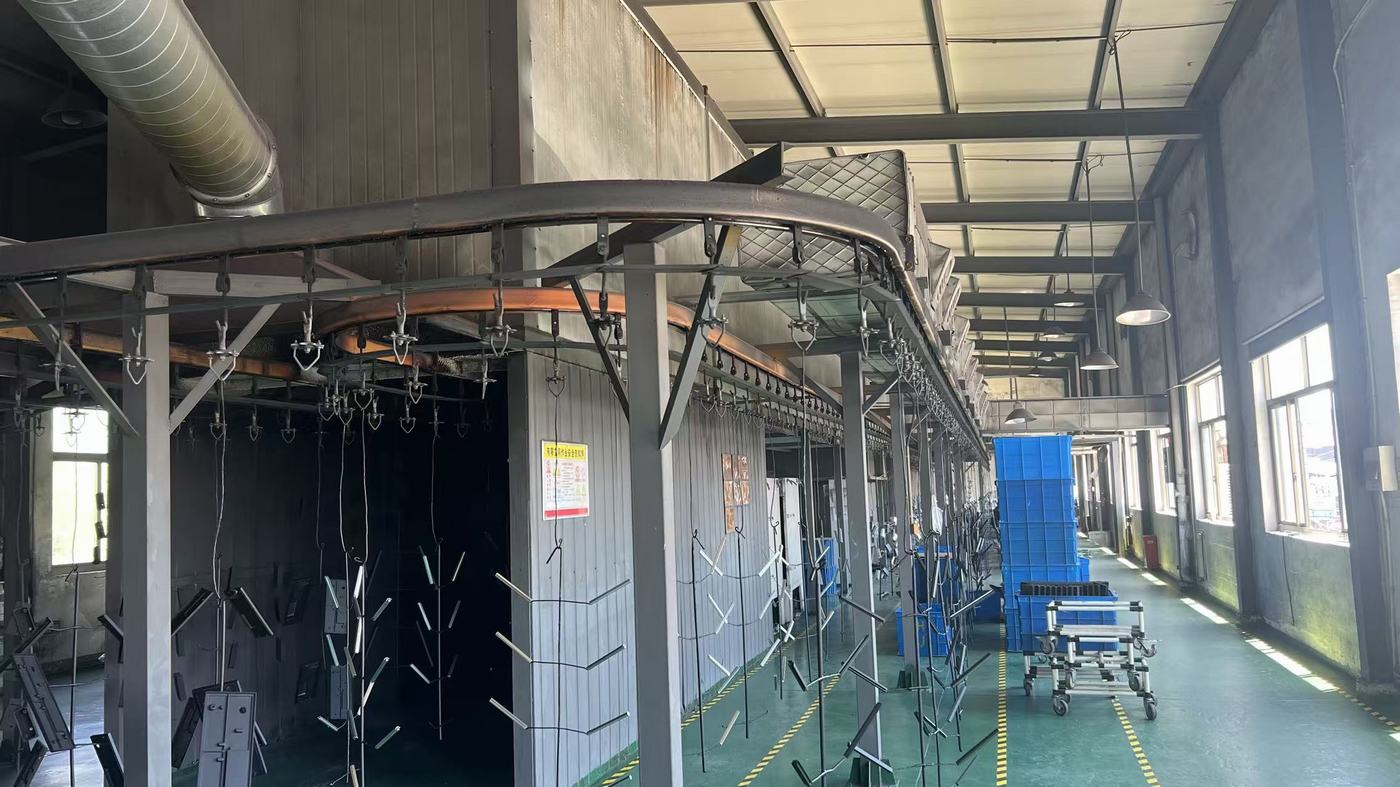
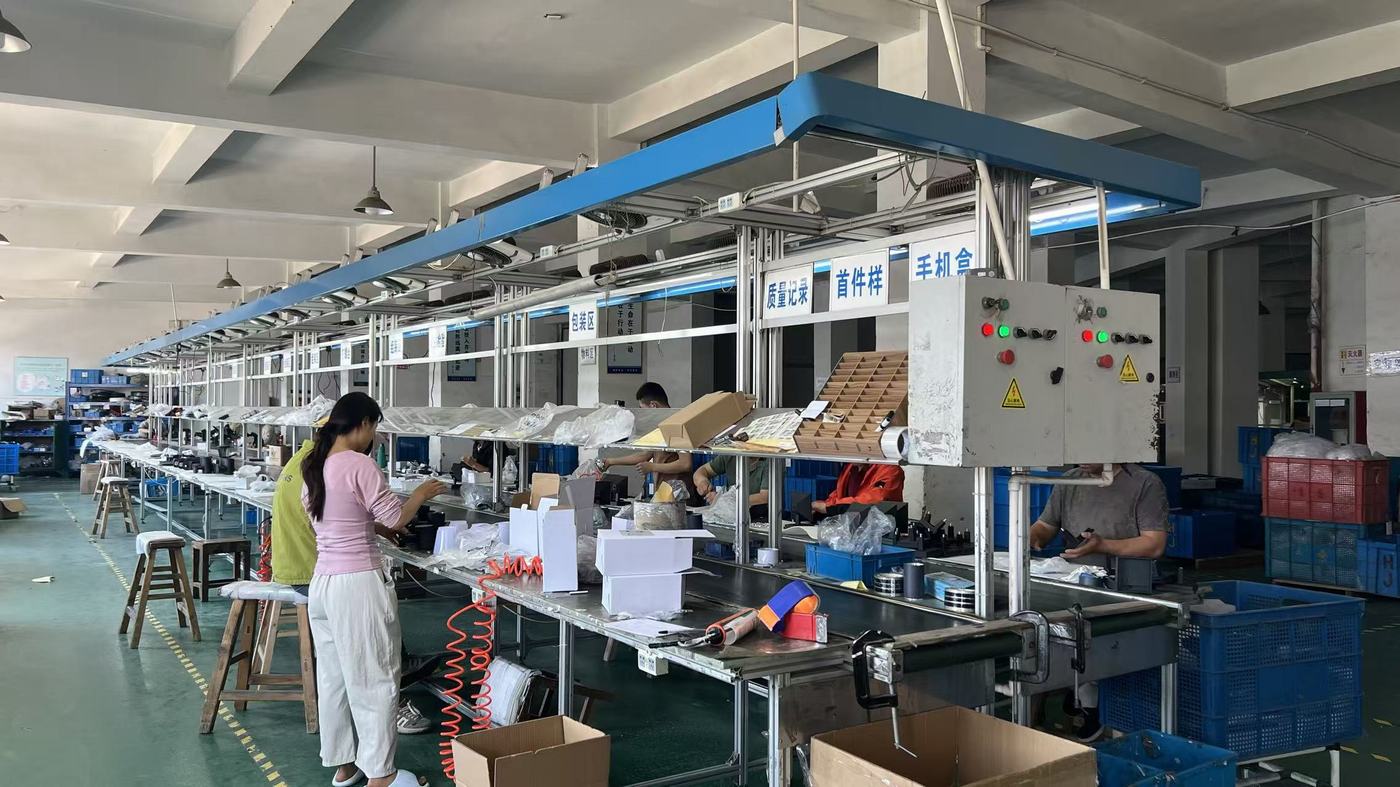

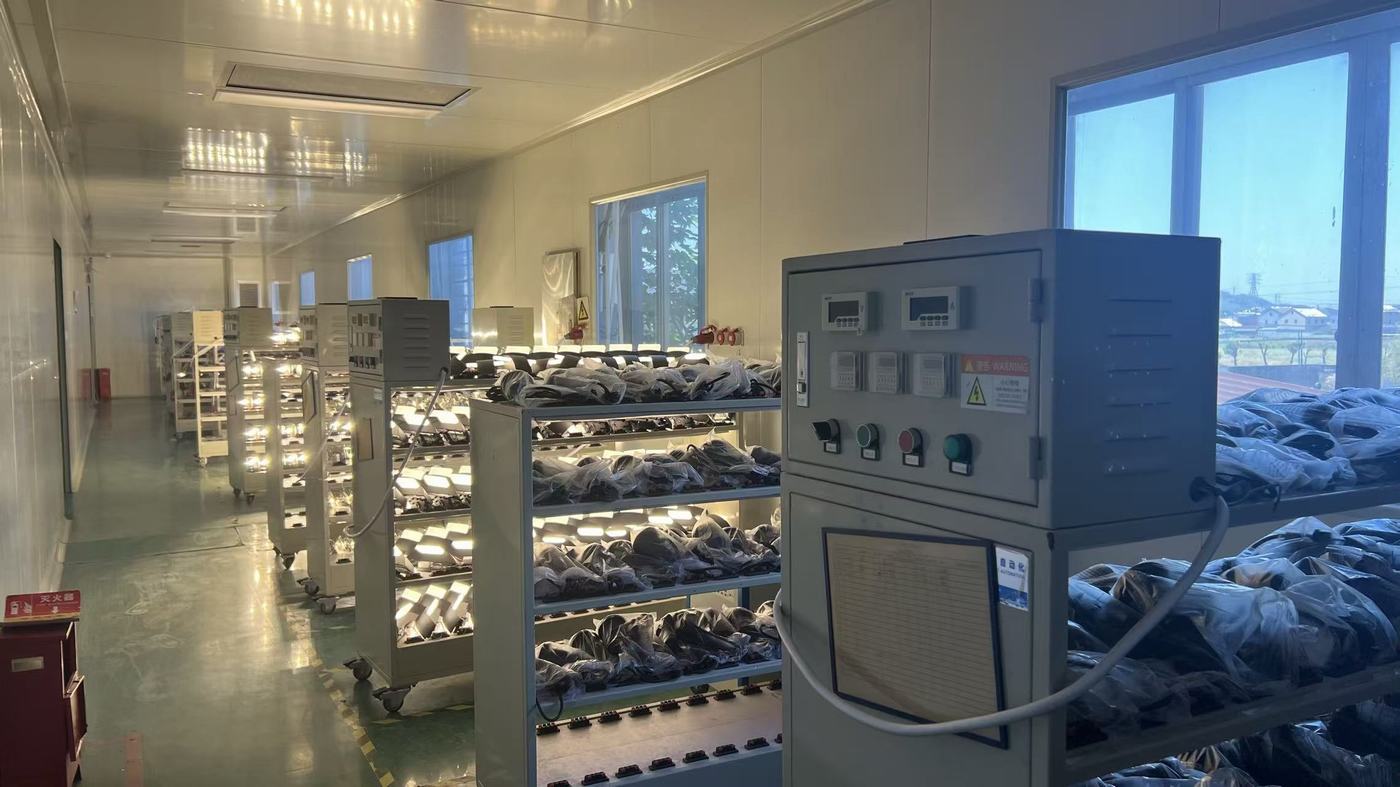
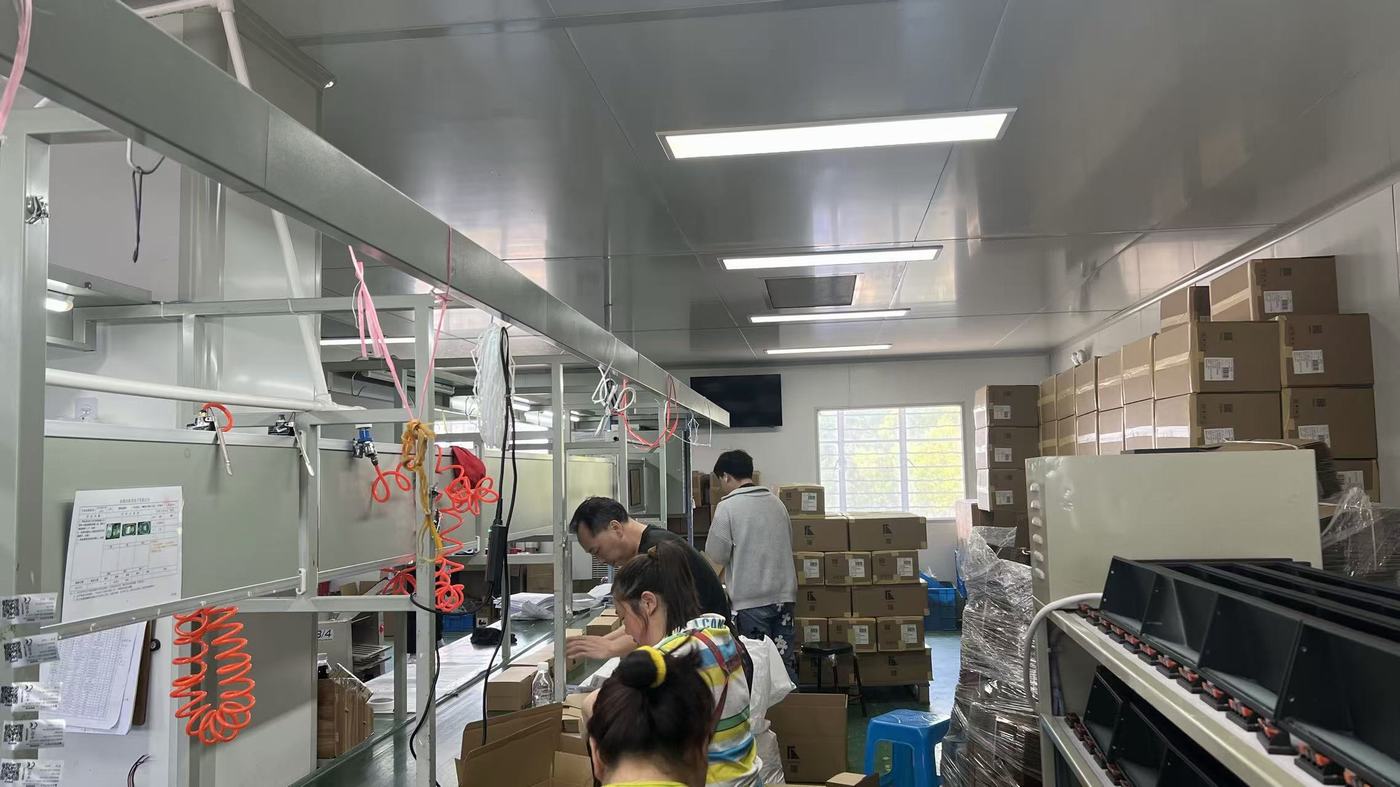
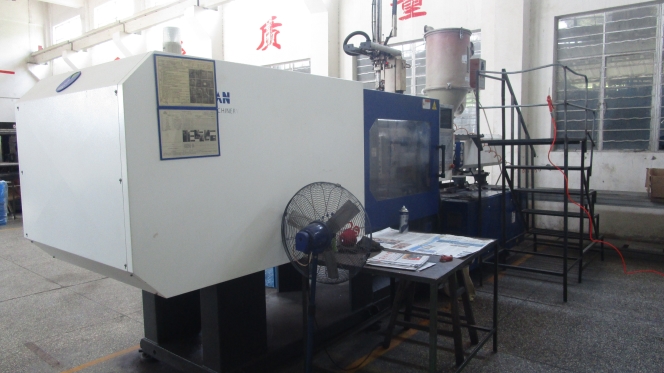
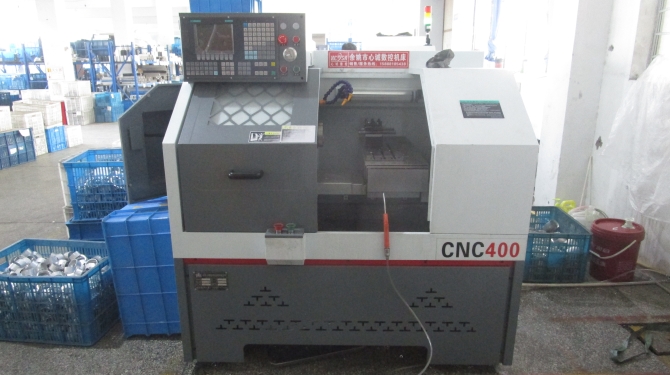
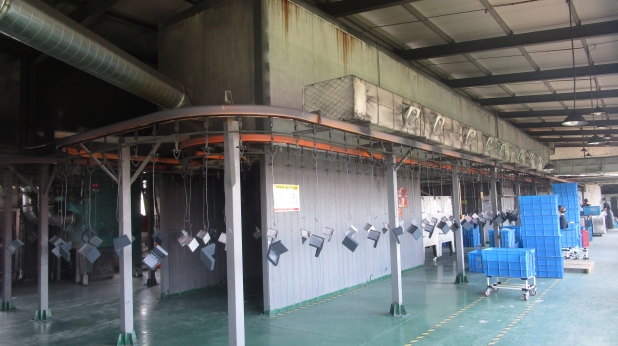
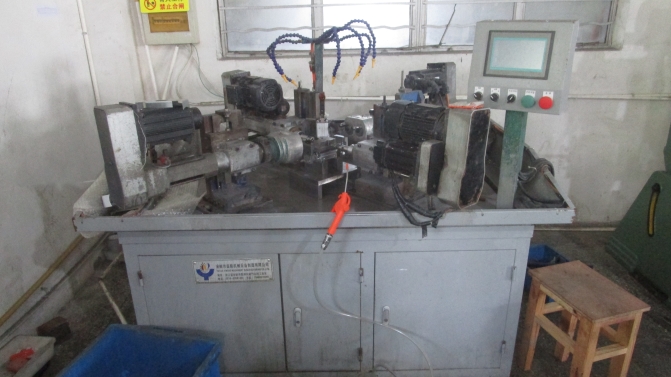
We believe high product quality is maintained through strict manufacturing standards and rigorous quality check stages. Dixon Lighting's ERP-managed system tracks materials and assembly stages to guarantee product quality:
Evaluating how high-performance materials, smart sensors, and green technologies are shaping the requirements of global outdoor projects.
For outdoor pathways, selecting the housing material impacts the lifespan and ROI of the installation. For high-end hospitality, public parks, and coastal developments, designers must choose between solid brass and anodized aluminum housings:
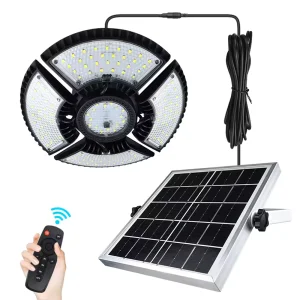
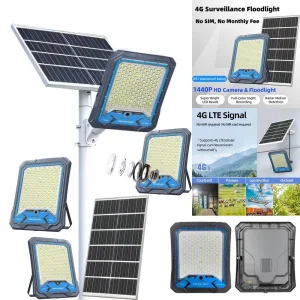
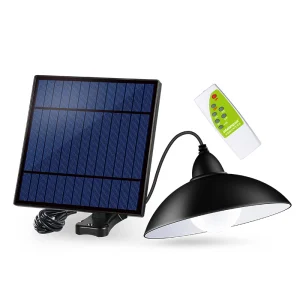
Global architectural projects increasingly prioritize low carbon footprints, leading to growing demand for photovoltaic outdoor lighting. Modern commercial solar options have moved beyond low-brightness decorative lights. Using monocrystalline solar panels, high-density Lithium Iron Phosphate (LiFePO4) batteries, and smart motion sensors, Dixon's solar solutions (such as our split solar streetlights and pendant models) operate reliably even through consecutive cloudy days. These systems charge efficiently in low-light conditions, adjusting output based on motion activity to conserve battery power throughout the night.
Simultaneously, low-voltage 12V AC/DC systems remain the standard for precise architectural landscaping. By operating on safe low voltage, landscape lighting designers can run wires without heavy protective conduits, reducing installation costs and simplifying field adjustments. These systems operate safely around water features, pool decks, and garden areas, presenting no hazard to users or pets.
A technical guide on integrating luminous outdoor lighting systems into varied municipal, commercial, and residential projects.
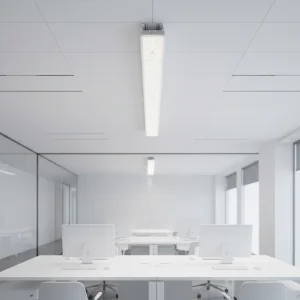
Utilizing IP66 LED linear in-ground step lights and dimmable pendant arrays, commercial developments build safe, welcoming spaces. Dynamic lighting profiles guide foot traffic, mark level changes, and elevate the property's evening aesthetic.
Coastal projects require highly corrosion-resistant materials. Combining cast brass stair lights with IP67 stainless steel well lights protects fixtures from moisture and salt air, reducing long-term maintenance costs.
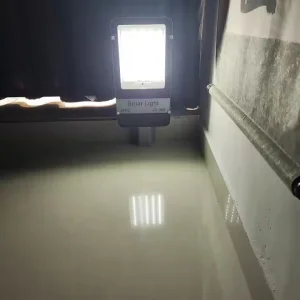
For remote areas, public parks, and pathways without utility access, integrated solar streetlights and motion-activated lights provide reliable illumination. These fixtures charge automatically during the day and run self-sufficiently, eliminating trenching and cabling costs.
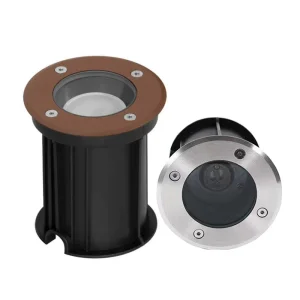
Selecting the correct fixture for each application is essential. For instance, in-ground pathway lighting must support the weight of maintenance vehicles and pedestrian traffic. Dixon's GU10 In-Ground Well Lights utilize thick 304 stainless steel faceplates and impact-resistant tempered glass, allowing them to support high static loads. For steps and stairs, choosing asymmetric optical lenses directs light downward to illuminate paths without shining directly into the eyes of pedestrians, improving comfort and safety.
Expert answers addressing complex design issues, installation challenges, and compliance requirements in outdoor landscape lighting projects.
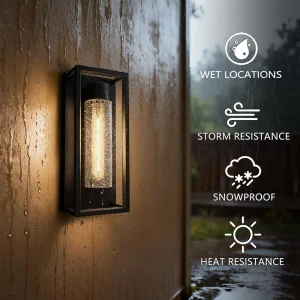
Explore our architectural wall mounts, intelligent solar floodlights, and versatile accent lamps engineered for commercial and residential environments.