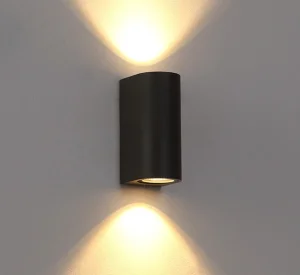
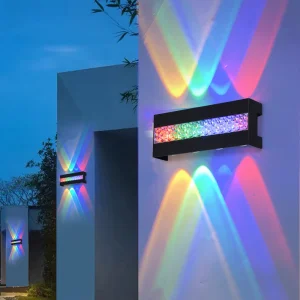
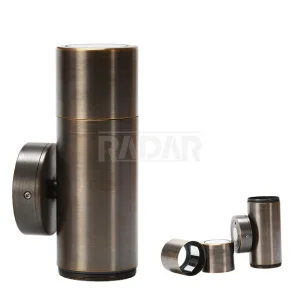
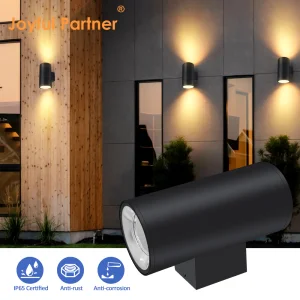
Engineered for Lisbon’s unique maritime climate and demanding architectural layouts. Discover our primary design series optimized for immediate supply.
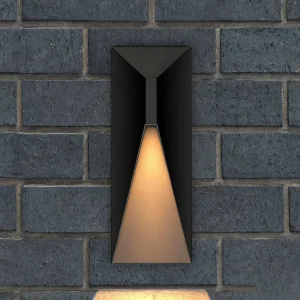
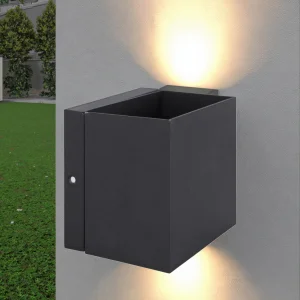
Deploying High-Resiliency Outdoor Lumination in the Tagus Estuary & Atlantic Coastline
Lisbon is a city of remarkable architectural dualism. From the historical, limestone-clad facades of Baixa and Alfama to the ultra-modern, glass-and-steel complexes of the Parque das Nações, the city demands lighting systems that satisfy distinct aesthetic paradigms. However, aesthetic integration is only one half of the equation; the engineering constraints imposed by the local geography represent a substantial challenge for municipal developers and electrical contractors alike.
Operating at the confluence of the Atlantic Ocean and the Tagus River estuary, Lisbon is subjected to high ambient humidity, elevated levels of atmospheric salinity, and significant UV index exposure during the summer months. These environmental factors accelerate structural oxidation and electronic degradation of outdoor fixtures. Non-specialized architectural luminaires deployed in locations such as the Doca de Santo Amaro or along the Avenida da Liberdade regularly suffer from housing corrosion, lens clouding, and premature driver failure.
For lighting exporters and procurement specialists servicing Portugal's capital, specifying marine-grade alloys is non-negotiable. Luminaire enclosures must utilize specialized copper-free aluminum alloys (such as A380 or ADC12) that have undergone multi-stage electrostatic powder coating. These treatments satisfy the requirements of ISO 12944, ensuring corrosion resistance in environments classified as C4 (Industrial and coastal areas with moderate salinity) and C5 (Marine coastal areas with high salinity). Dixon Lighting addresses these demanding parameters with dedicated high-pressure die-cast housings that minimize structural seams, reducing galvanic corrosion risks.
Aligning with European Decarbonization Targets & Smart Integration Trends
The global solid-state lighting (SSL) industry is undergoing a structural transition driven by systemic regulatory updates, energy efficiency targets, and digital networking capabilities. Within the European Union, the Ecodesign Directive (EU) 2019/2020 and the Single Lighting Regulation (SLR) mandate stringent energy efficacy standards, effectively forcing the phasing out of older, legacy gas-discharge and low-efficiency LED drivers. For commercial distributors and project specifiers in Lisbon, importing products that possess verifiable CE, RoHS, and ErP certifications is mandatory to navigate municipal tenders and large-scale public contracts.
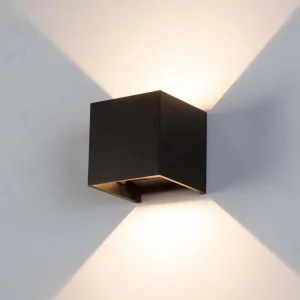
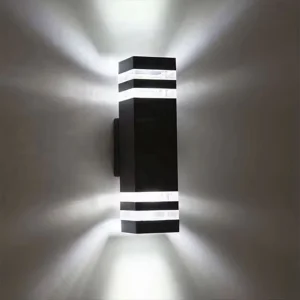
Furthermore, structural developments in architecture emphasize "Dark Sky" compliance, designed to limit upward light spill and light pollution. Up and down wall lights are uniquely positioned to meet these directives because they restrict luminous flux to targeted vertical surfaces, minimizing glare and unwanted sky glow. Modern optical designs incorporate precise internal reflectors and asymmetric lenses that confine the light path to defined angles, enhancing pedestrian safety while preserving nocturnal biodiversity.
Distributors and importers face significant inventory carrying costs due to varying client preferences in correlated color temperature (CCT). Dixon Lighting’s advanced 5CCT technology allows installers to select between 2700K, 3000K, 3500K, 4000K, and 5000K settings on a single fixture during installation. This drastically reduces the SKU count required by Lisbon distributors while satisfying the distinct aesthetic requirements of historic preservation (which prefers warm 2700K tones) and modern developments (which utilize neutral 4000K profiles).
How our luminaires address distinct urban zones within the Lisbon metropolitan area.
Preserving Pombaline facades requires soft, low-glare uplighting that highlights the texture of traditional limestone and pastel stucco. Using 2700K CCT wall sconces with diffused upward beams prevents optical harshness, maintaining the romantic, historical nightscape of Old Lisbon.
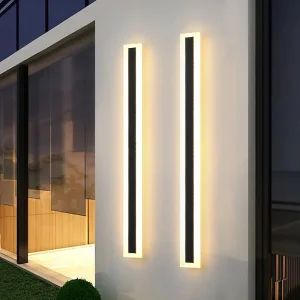
Modern commercial complexes demand structural coherence, linear profiles, and high luminous efficacy. Our contemporary LED linear strip wall lamps (30-200cm) accentuate the verticality of modern glass and concrete, adding dynamic depth to building envelopes.
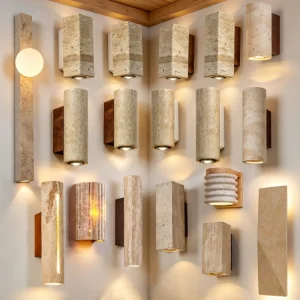
Direct exposure to salt spray requires IP65 or IP66 ingress protection and non-corrosive outer materials. Using high-grade anodized aluminum and specialized natural travertine sconces ensures the fixture withstands saline mist without tarnishing or electrical degradation.
Dixon Lighting's State-of-the-Art Production Facility in Jiangmen
Operating a manufacturing facility exceeding 5,000 square meters, Jiangmen Dixon Lighting Co., Ltd. integrates advanced ERP control protocols and ISO 9001:2015 quality standards. Every step in our manufacturing cycle, from metallurgical analysis of incoming ingots to the final thermal testing of assembled luminaires, is strictly audited to guarantee defect-free export lots to Europe.
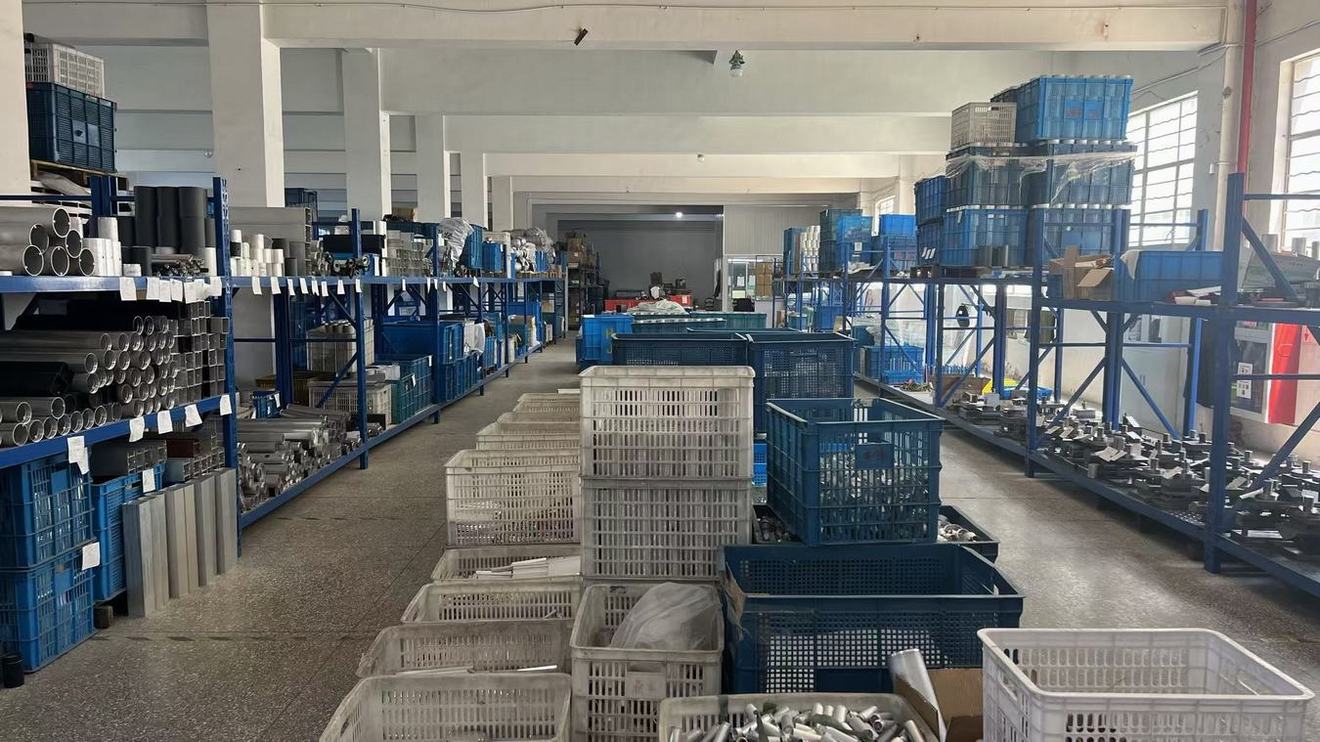
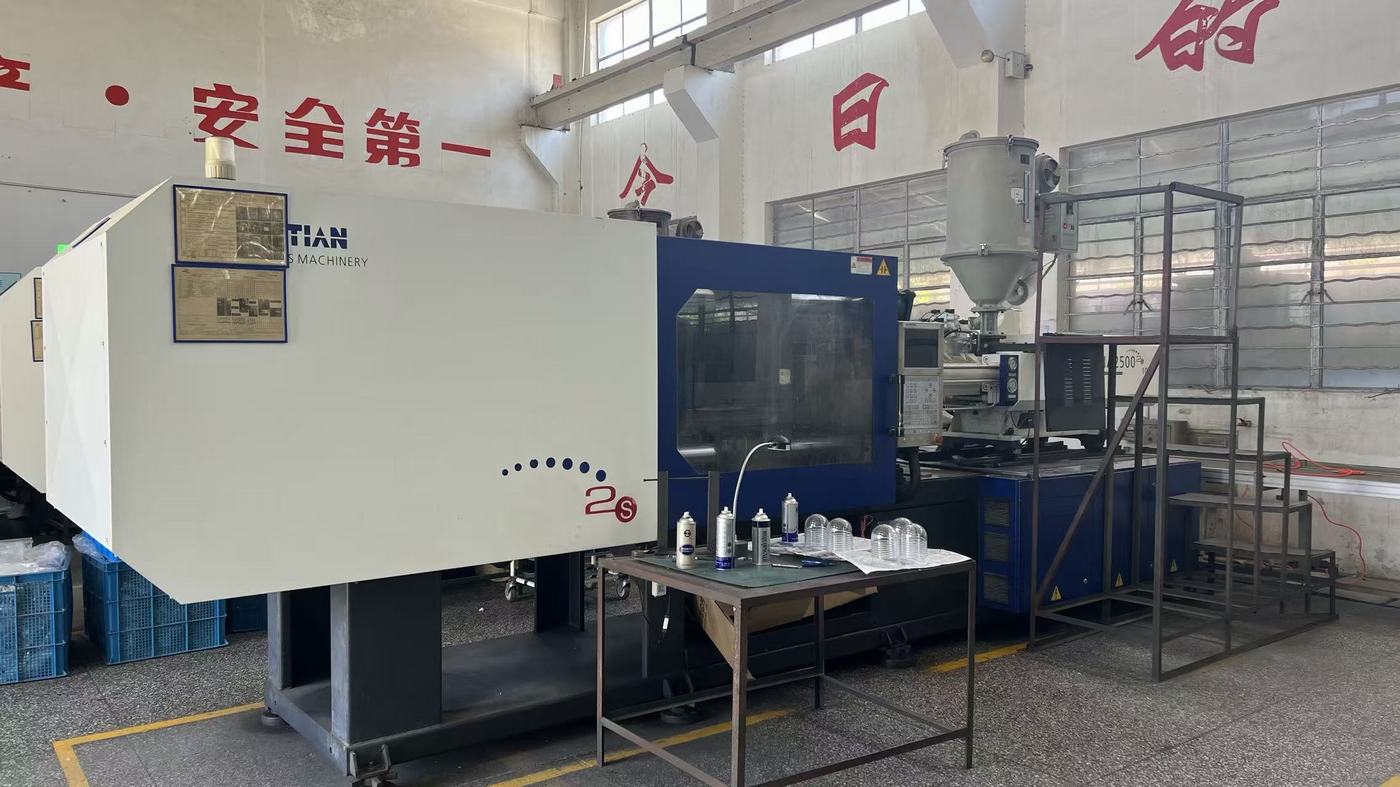
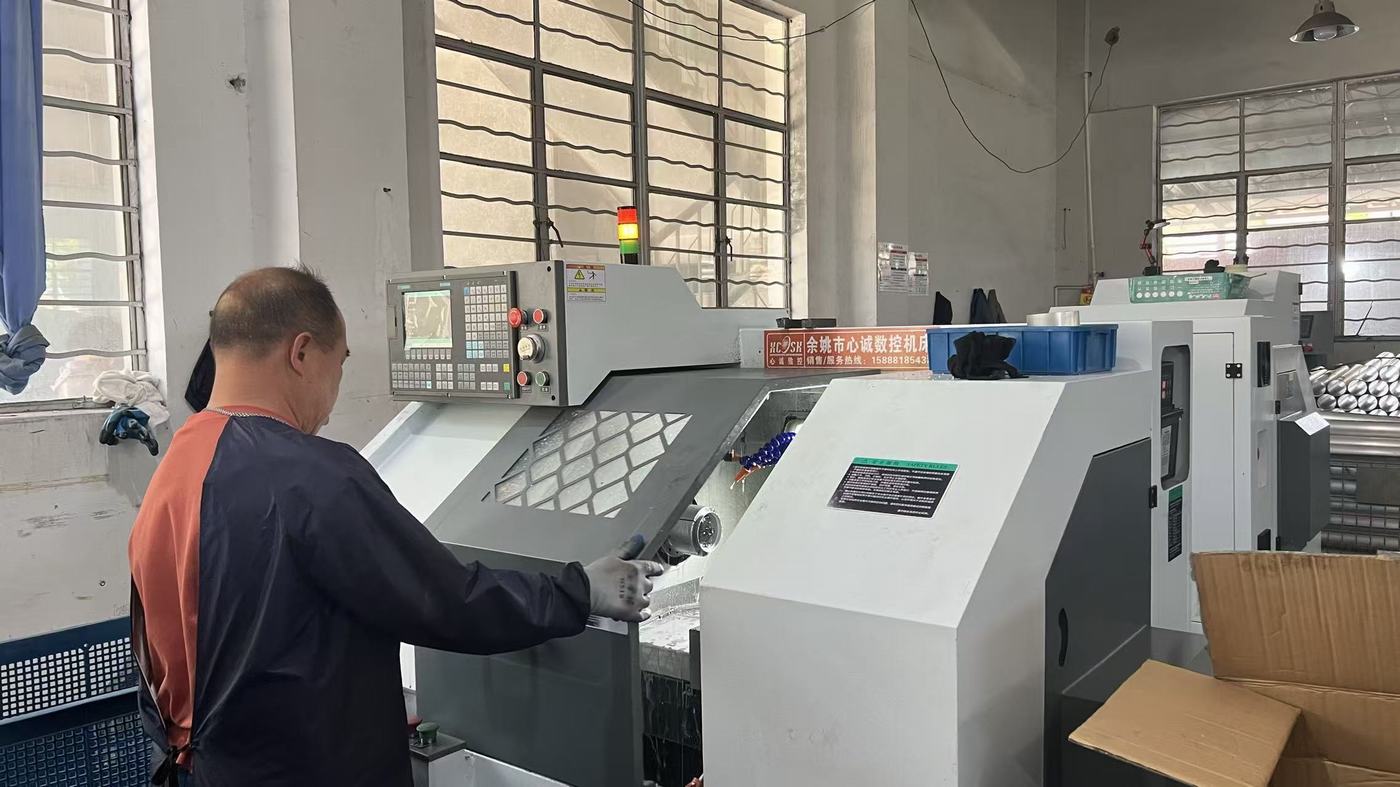
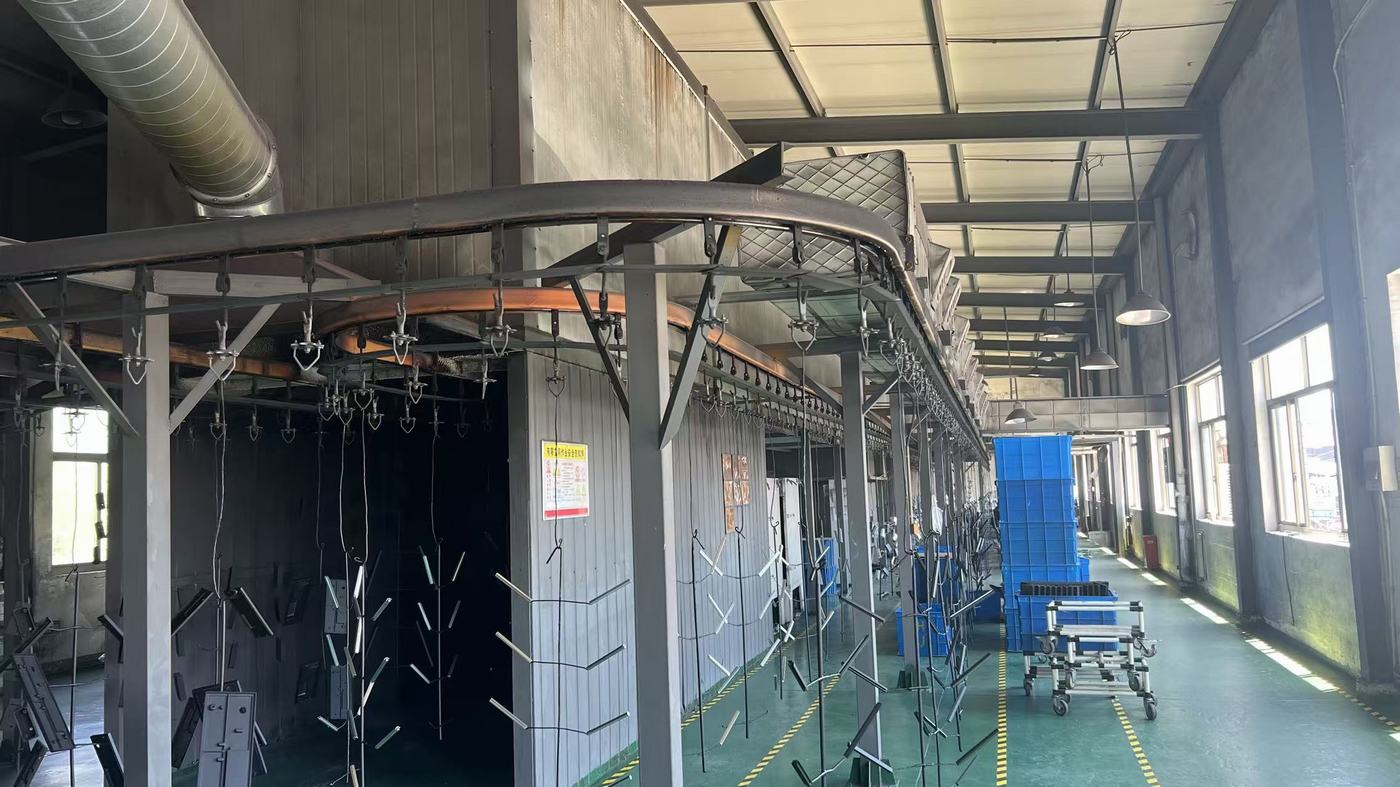
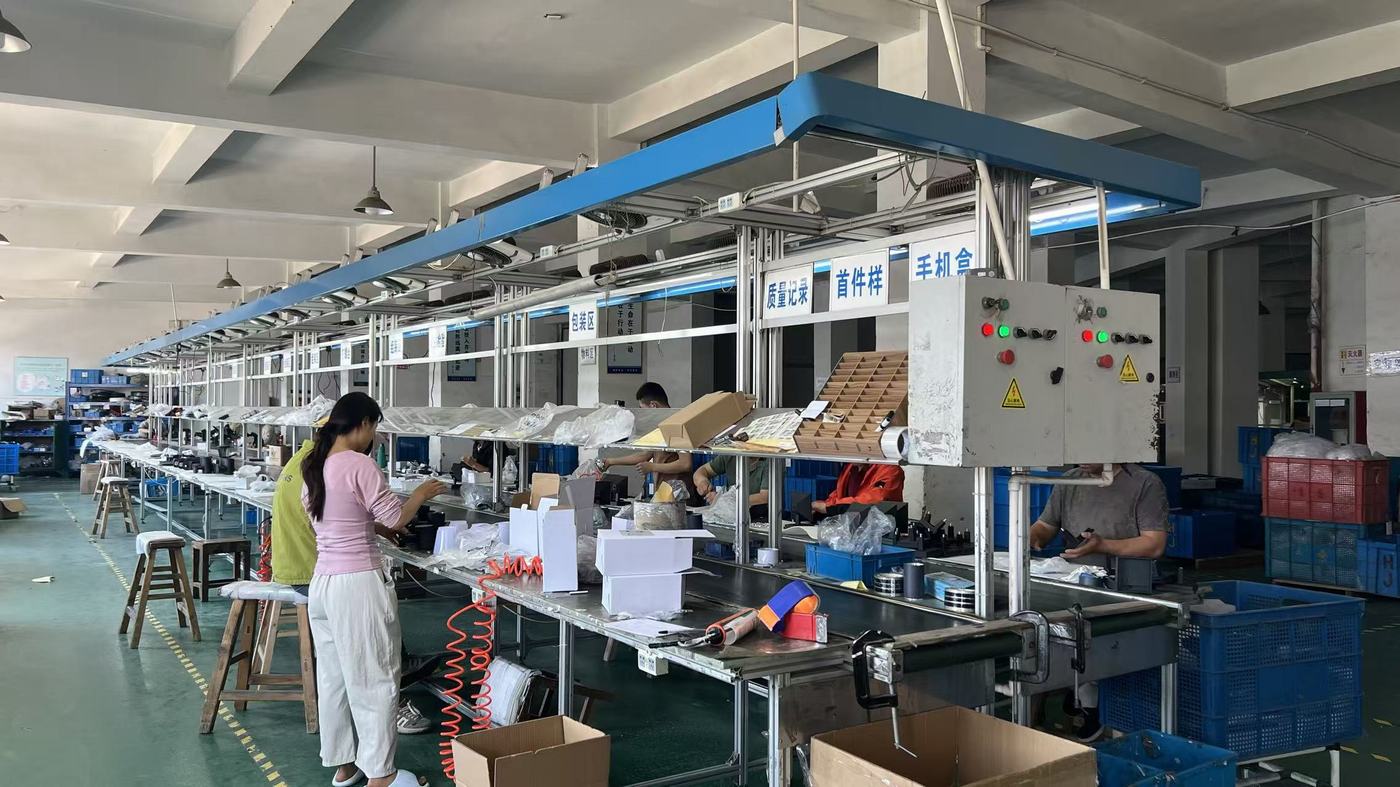
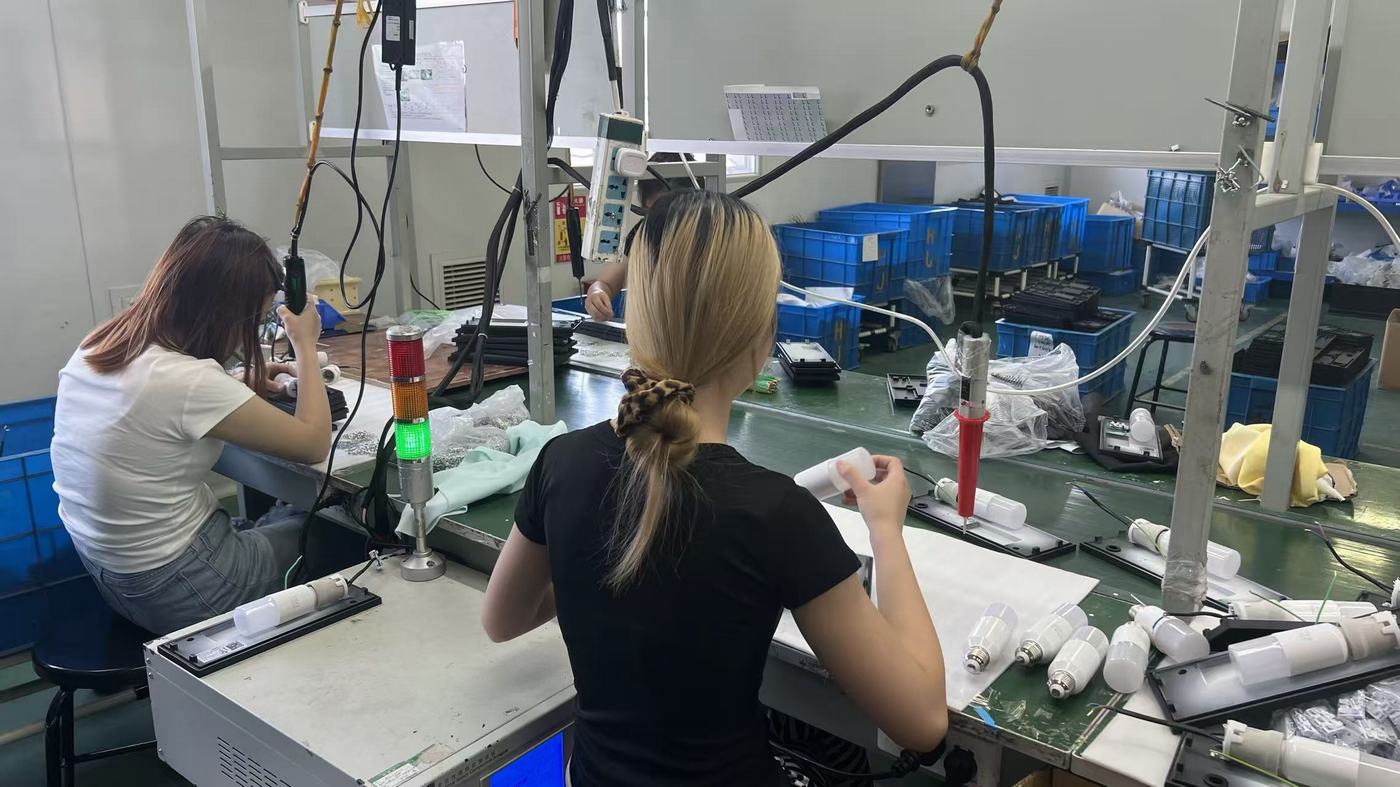
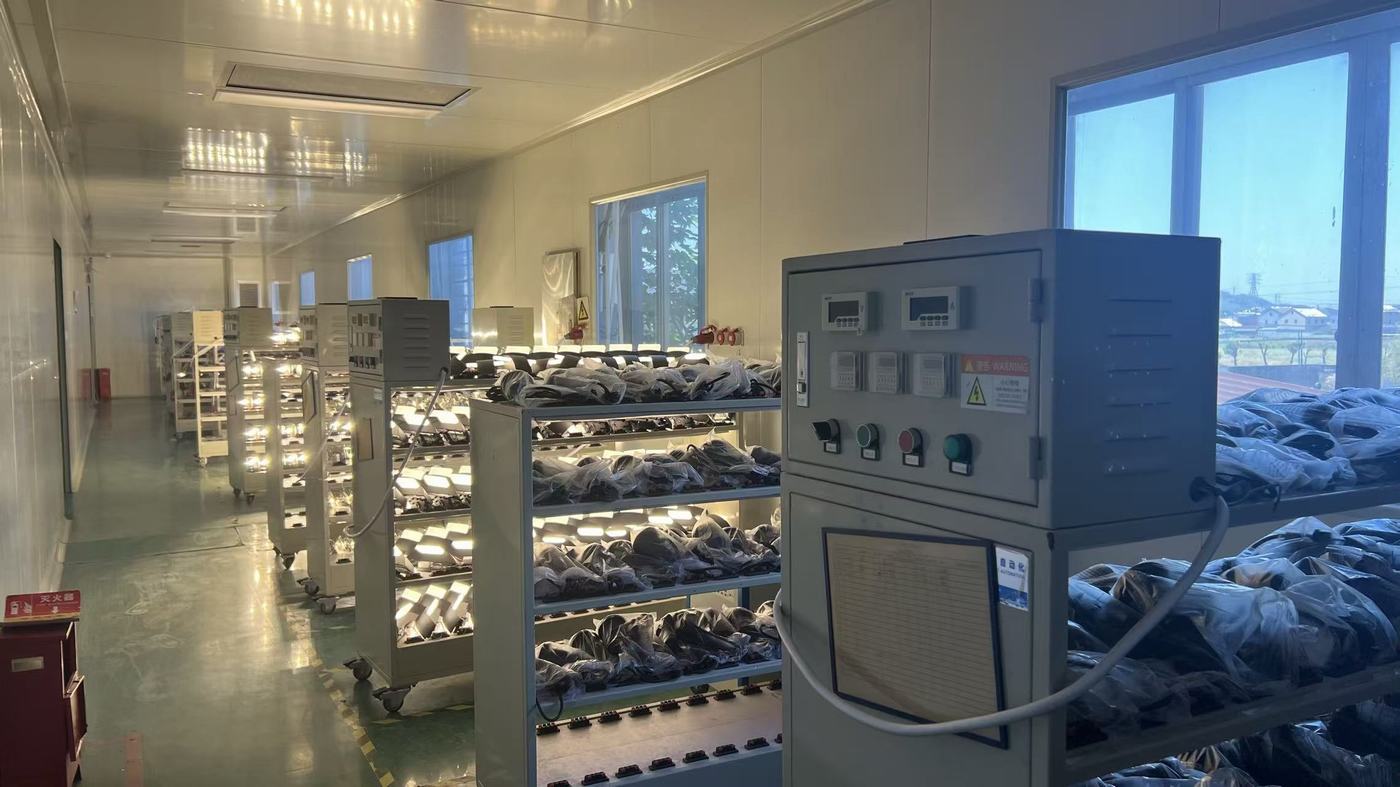
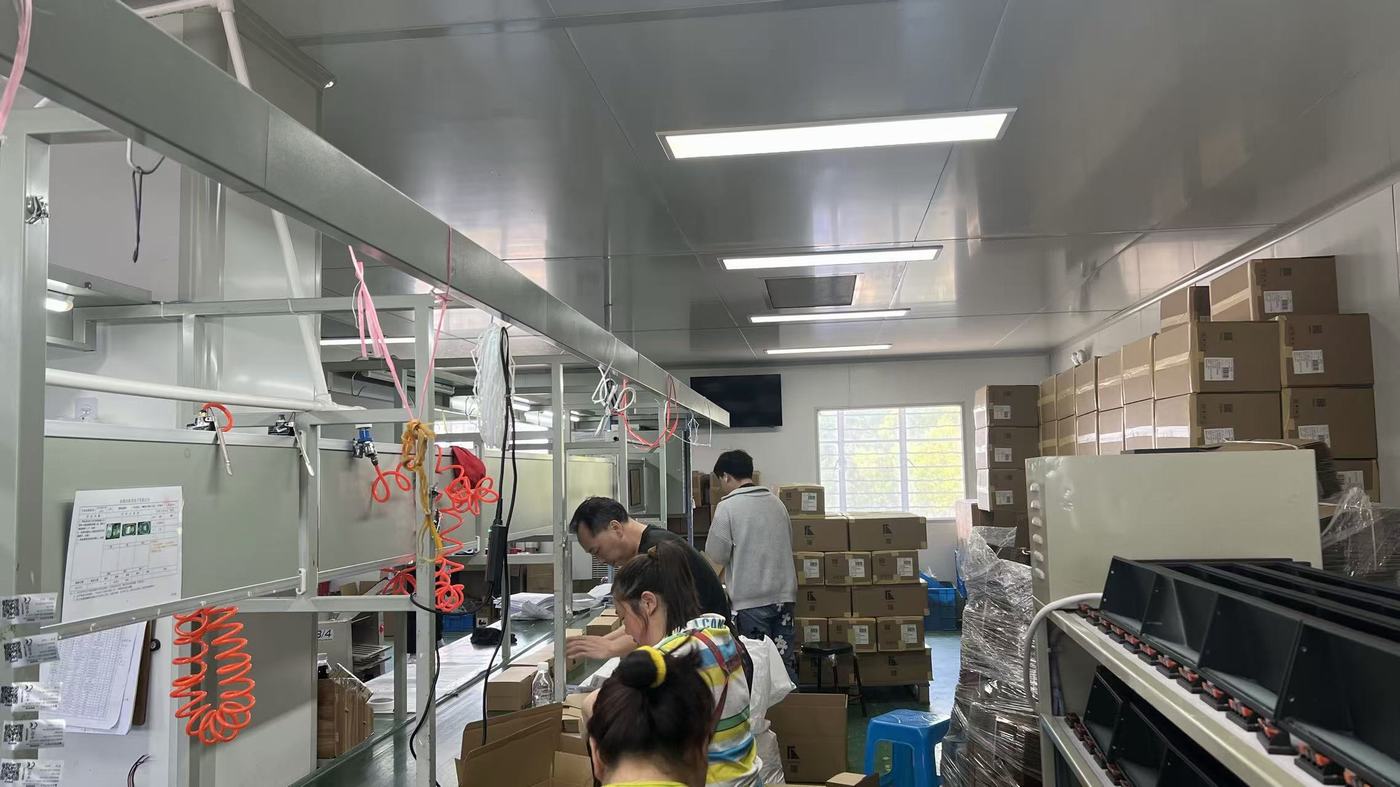
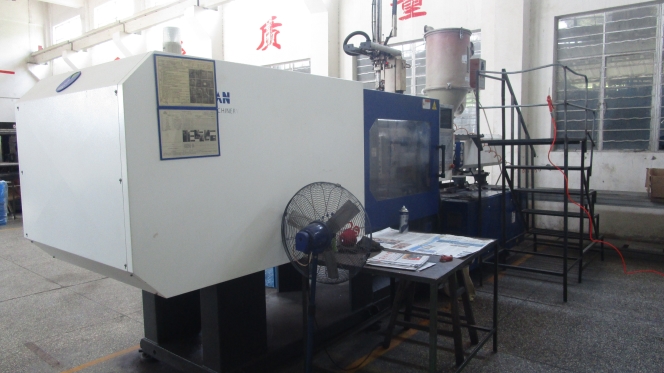
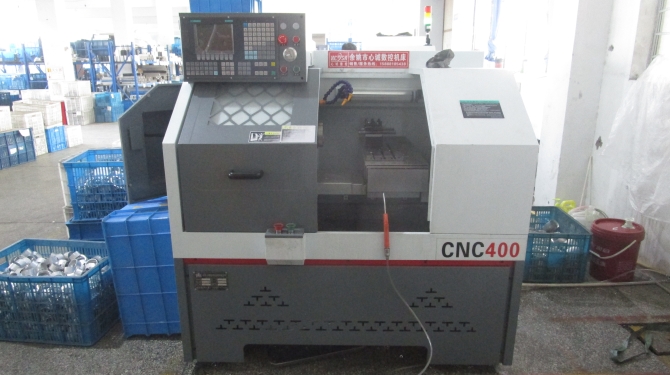
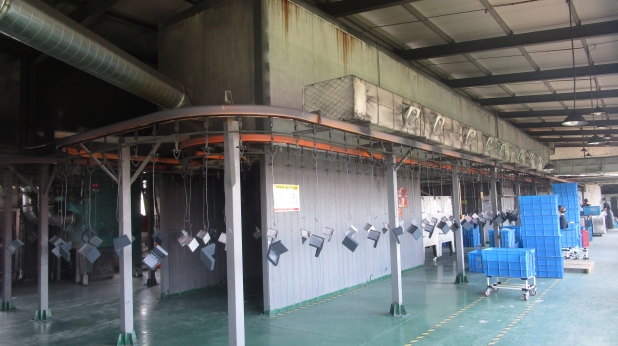
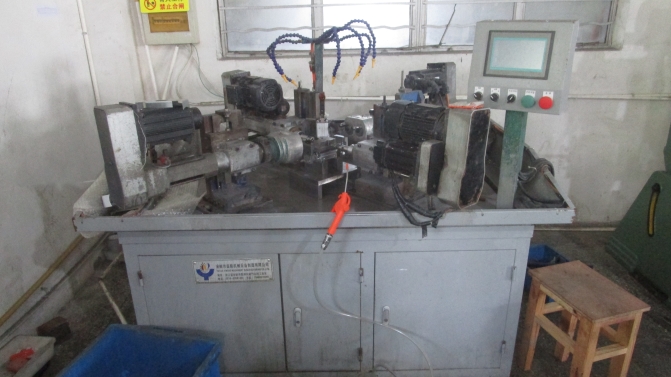
Our QC department performs thermal profiling using FLIR imaging to verify heat dissipation paths on all new designs. Unmanaged heat is the leading cause of LED degradation; by optimizing our heat sink fins and selecting premium thermal interface materials, we keep junction temperatures below 75°C (at an ambient temperature of 25°C), ensuring L70 lifetimes exceed 50,000 operating hours. This rigorous attention to engineering is the primary reason why European distributors rely on Dixon Lighting for their long-term supply chain partnerships.
Developing Next-Generation Smart-Grid Ready Outdoor Luminaires
As smart city programs gain traction across Portugal and wider Europe, outdoor architectural lighting is transitioning from static fixtures to intelligent nodes. Our engineering roadmap includes the integration of Bluetooth Mesh, Casambi, and DALI-2 protocols directly into our driver designs. This enables commercial spaces to run dynamic lighting programs, dimming fixtures during periods of low activity or shifting CCT values to mimic natural circadian rhythms.
Furthermore, in alignment with circular economy goals, Dixon Lighting is exploring modular assembly designs where LED arrays and drivers can be replaced independently without discarding the structural housing. This extension of lifecycle usability reduces material waste and lowers total cost of ownership for municipal and private operators. Our choice of raw materials focuses heavily on highly recyclable alloys, ensuring our lighting footprint is minimized over the product's entire operating lifecycle.
Durable, compliant, and highly configurable luminaires designed for export and project integration.
15+ Years of International Outdoor Lighting Expertise
Since its founding in 2007, Jiangmen Dixon Lighting Co., Ltd. has established itself as an industry leader in the outdoor lighting sector, serving major markets in North America, Europe, Australia, and regions across the globe. Our business focus covers the design, precision manufacturing, and export of advanced, energy-efficient, and highly reliable outdoor lighting solutions across residential, commercial, and landscape lighting systems.
Operating from our modern production facility of over 5,000 square meters, Dixon employs more than 100 experienced personnel, including a dedicated research and development team, an efficient international sales team, and a highly responsive after-sales technical support division. This vertical integration allows us to assist clients throughout the lifecycle of a lighting supply agreement, from initial ODM/OEM drafting to regulatory compliance and final shipping logistics.
Quality remains the primary pillar of our business philosophy. Dixon Lighting utilizes an advanced enterprise resource planning (ERP) system to monitor manufacturing steps in real-time, matching requirements defined under ISO 9001 quality management guidelines. Our complete product lines have successfully passed rigorous evaluations by international testing authorities, such as TUV and Intertek, to secure necessary CE, RoHS, and ETL certifications. These documents serve as a guarantee of quality and performance, assuring compliance with European and global safety requirements.
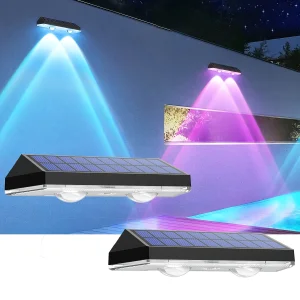
Our catalog features a diverse range of outdoor lighting designs, including residential security flood lights, smart motion sensor sconces, step and deck lighting fixtures, solar gutter luminaires, and architectural landscape well lights. By prioritizing architectural integrity, structural safety, and high efficiency, Dixon Lighting is a trusted production partner for developers, wholesalers, and importers worldwide.
Detailed Answers to Key Technical and Logistical Questions Raised by Architects and Importers
We utilize high-pressure die-cast aluminum alloys with low copper content (less than 0.1%) to reduce natural oxidation. Before the painting phase, raw castings go through a multi-stage chemical wash, followed by the application of an electrostatic conversion coating. Finally, a thermosetting TGIC polyester powder coat is applied. This creates a resilient barrier against saline air, satisfying ISO 12944 C4/C5 requirements.
Yes, our up and down wall lights can be configured with strict shielding and optics. In zones where zero upward light output ratio (ULOR=0%) is mandated by Portuguese local codes or EU dark sky requirements, the upward optical channel can be disabled, or customized with directional snoots/shutters to ensure light is cast only onto the building surface.
All our exported products hold valid CE and RoHS certifications, issued by recognized laboratories including TUV and Intertek. These certificates are supplied alongside shipment declarations, ensuring smooth customs clearances at the Port of Lisbon (Porto de Lisboa).
The 5CCT system features a dip-switch selector located inside the electrical wiring chamber of the luminaire. The installer selects the preferred color temperature (2700K, 3000K, 3500K, 4000K, or 5000K) prior to securing the lens cover. If adjustments are required post-installation, the switch can be repositioned by unscrewing the protective faceplate.
For standard configurations, production lead times are typically 30 to 45 days. Custom designs requiring new injection mold tools require an additional 25 to 30 days for tooling development and sample approval. Shipping transit from southern Chinese ports to Lisbon typically takes 30 to 40 days.
Partner directly with a certified, high-capacity Chinese manufacturer. We provide comprehensive customization, competitive pricing, and certified quality compliance.
Send Inquiry Now