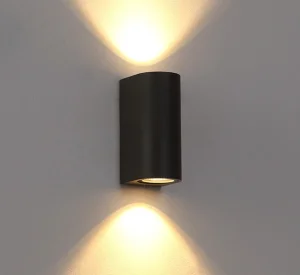
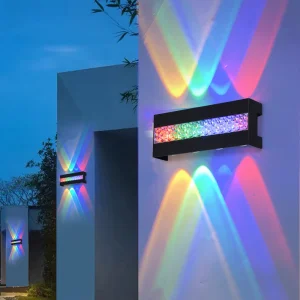
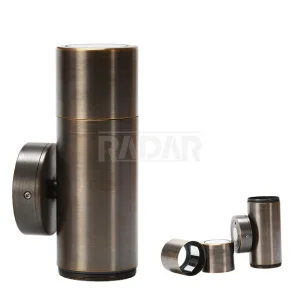
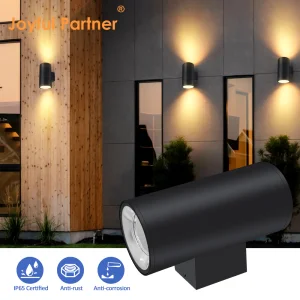
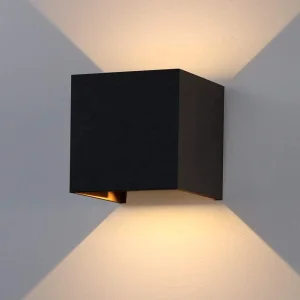
These highly optimized, dual-emission wall mounted luminaires feature advanced thermal pathways and structural IP ratings, ideal for public and residential developments across South Tarawa and Kiritimati.
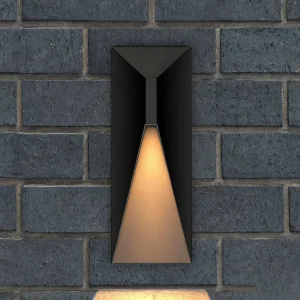
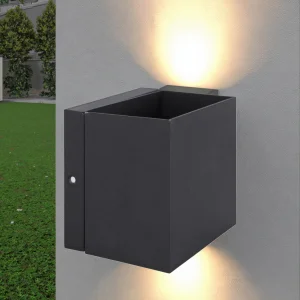
Kiribati's geography, comprising 32 atolls and one raised coral island, exposes outdoor electrical systems to some of the most aggressive environmental threats globally. Standard exterior lighting solutions installed in high-salinity coastal areas like South Tarawa, Betio, and Kiritimati often suffer from rapid corrosion, seal failure, and electrical short-circuits within months.
High ambient salinity carries chloride ions that strip the passive protective oxide film of standard aluminum casings. Combined with relentless UV exposure and intense tropical downpours, luminaires require specialized engineering. Our marine-grade up and down wall lights utilize A380 die-cast aluminum alloys treated with electrostatically applied AkzoNobel powder coatings, boasting excellent UV stability and corrosion resistance (C5-M rating).
Additionally, with ambient temperatures regularly hovering around 32°C to 35°C, thermal management is paramount. Our advanced thermal dissipation pathways lower junction temperatures, ensuring the LED chips maintain high efficacy (up to 120 lm/W) and a long lifespan of over 50,000 hours.
Delivering resilient lighting solutions designed to withstand the world’s most challenging environments.
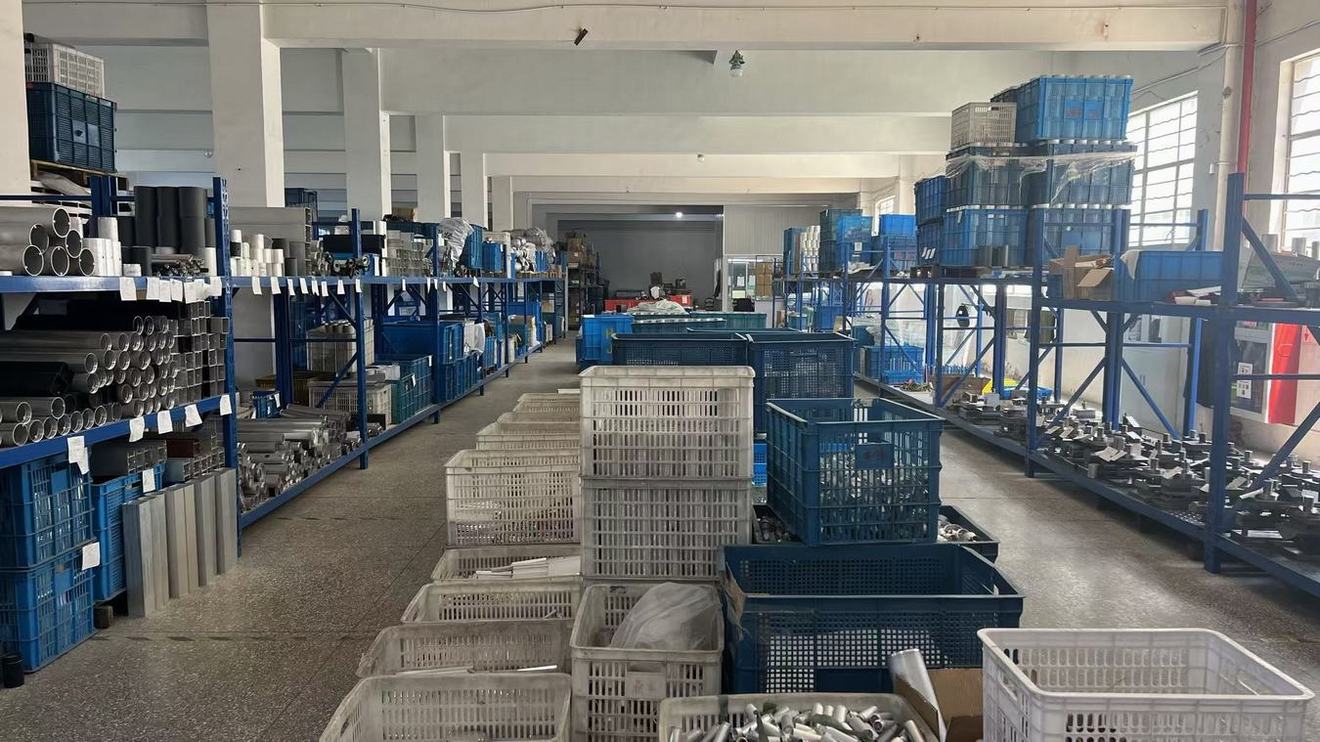
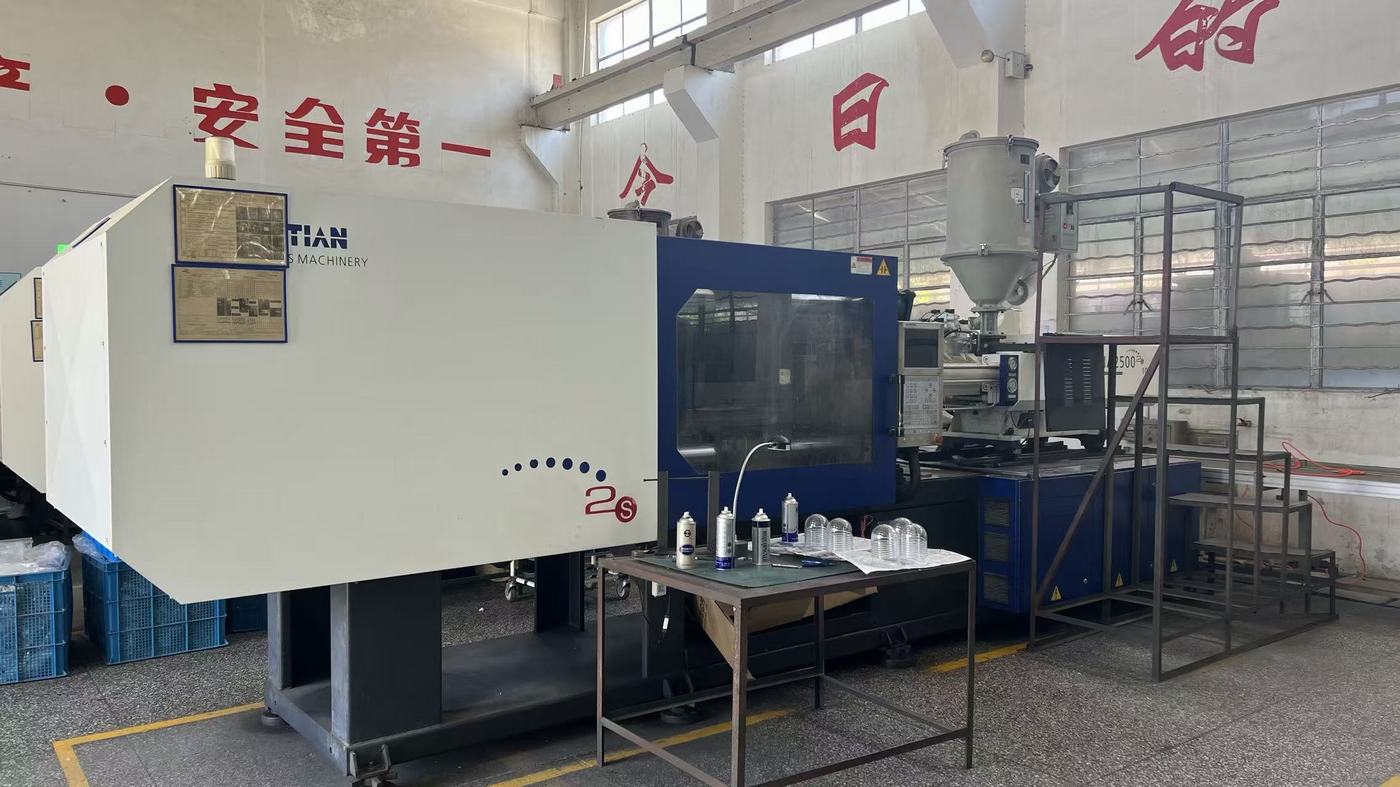
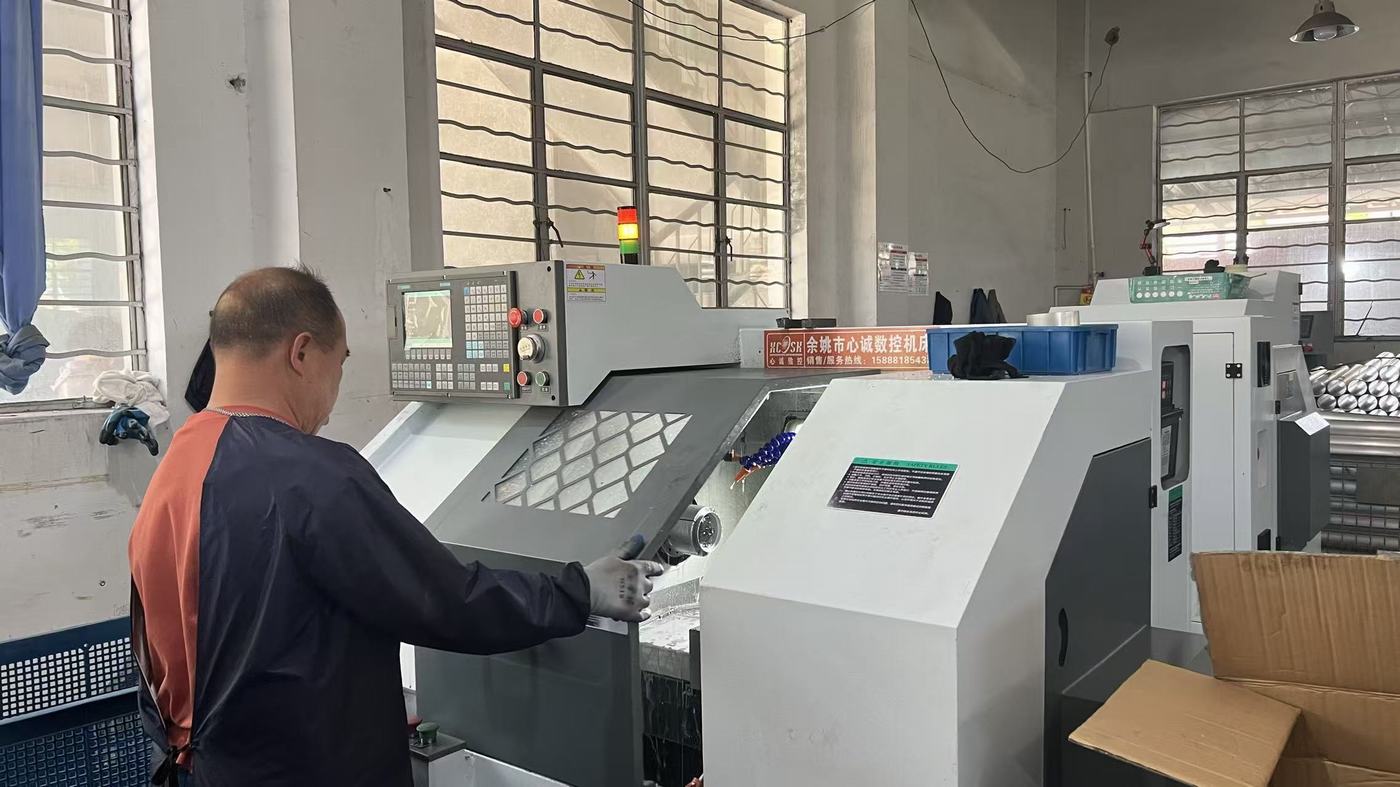
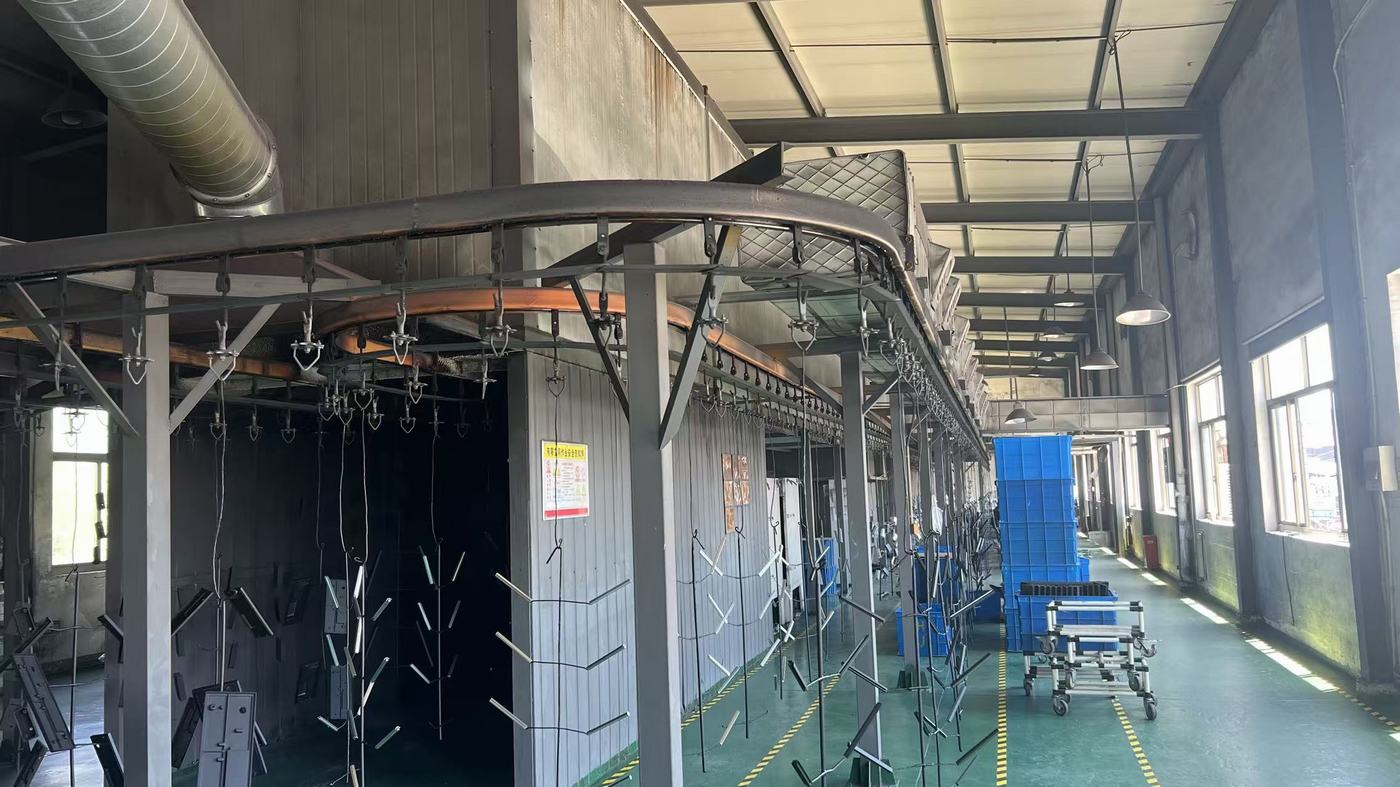
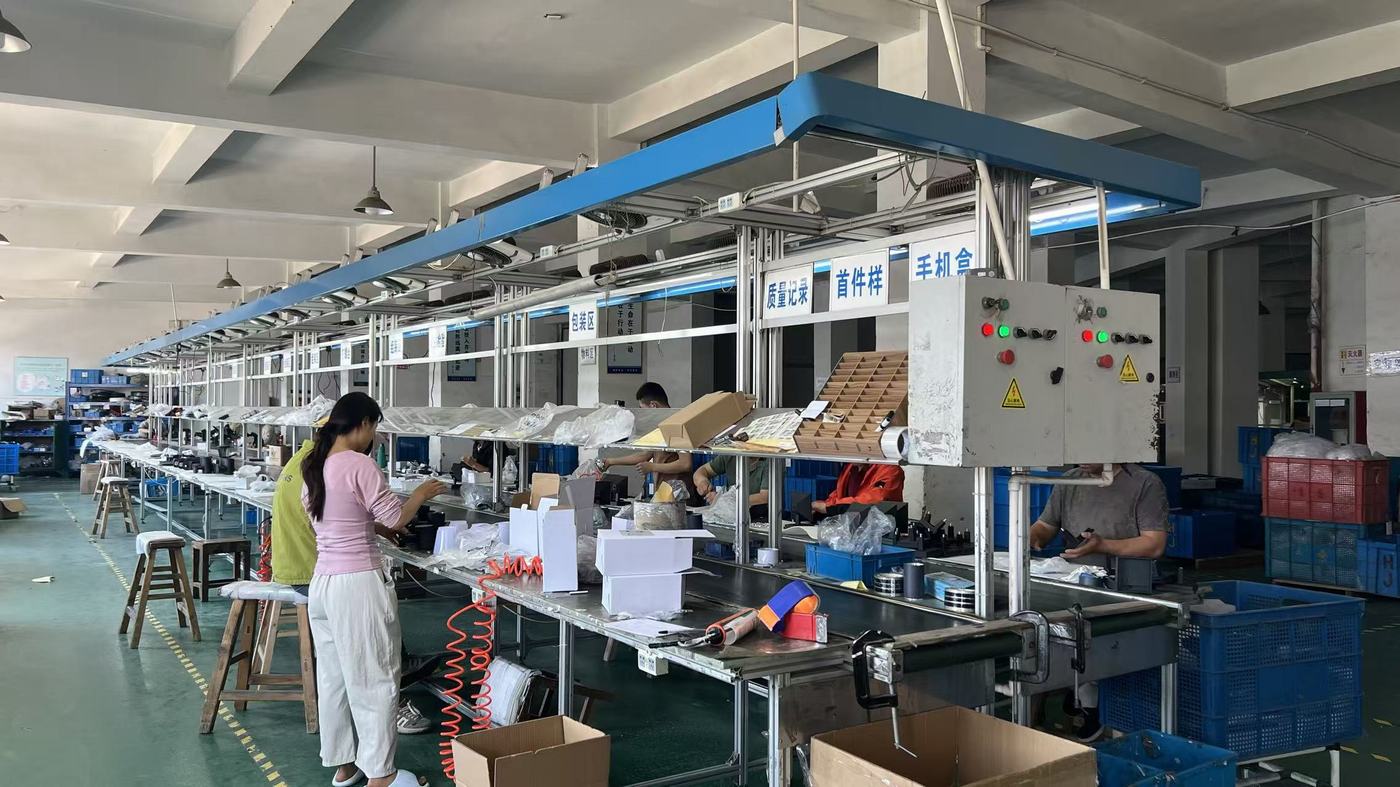
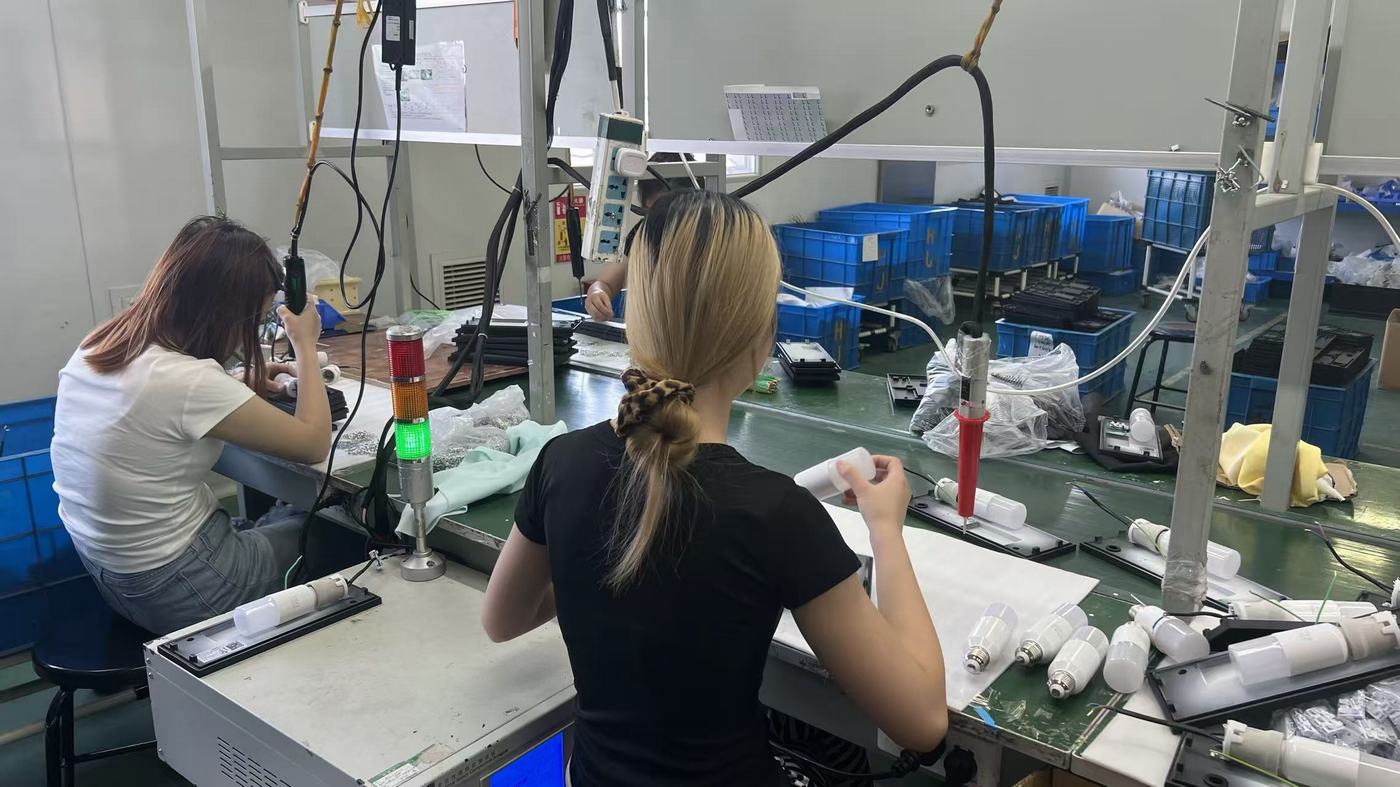
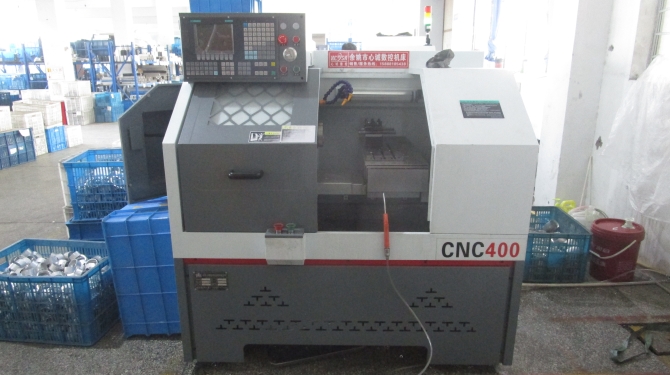
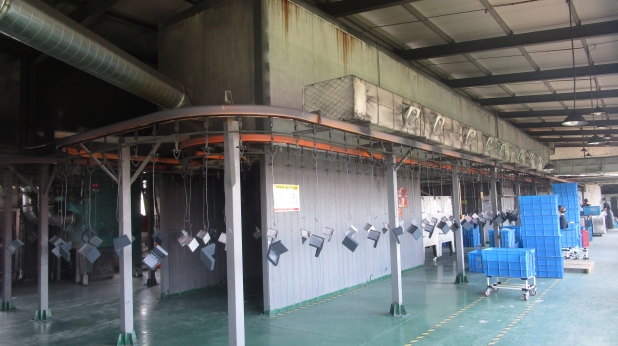
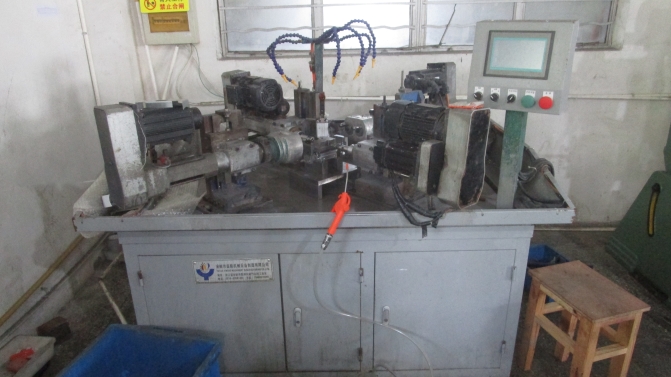
Jiangmen Dixon Lighting Co., Ltd. operates a high-precision facility integrating advanced ERP software, automated CNC centers, and comprehensive quality assurance systems to ensure zero-defect production.
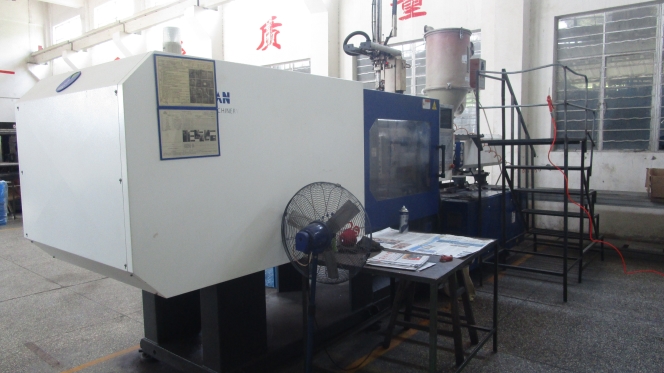
Our raw material selection is rigorous. We utilize top-grade aluminum and polycarbonate components that are fed into automated injection molding and precision hardware processing lines. By executing CNC drilling, tapping, and automated painting under one roof, we eliminate production variability and secure high structural integrity for each luminaire casing.
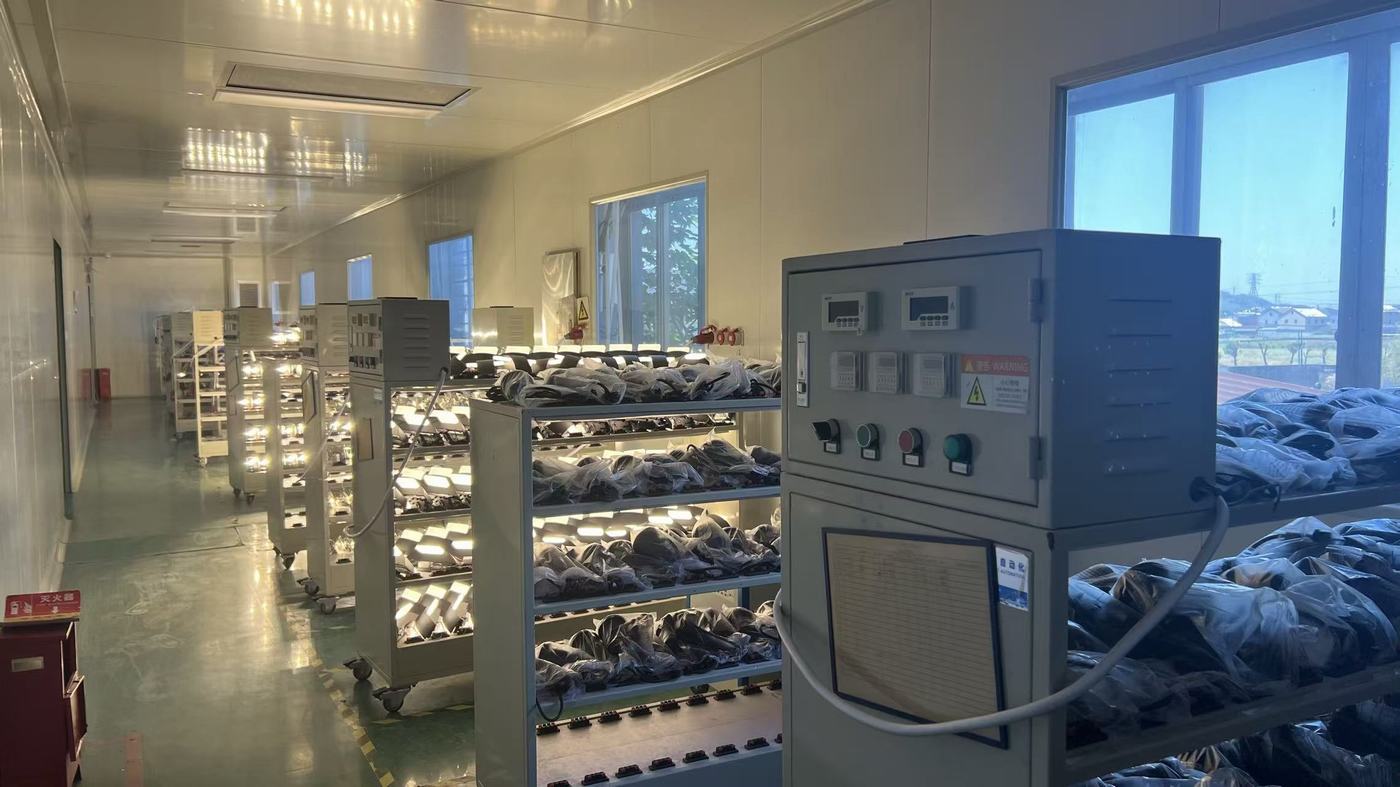
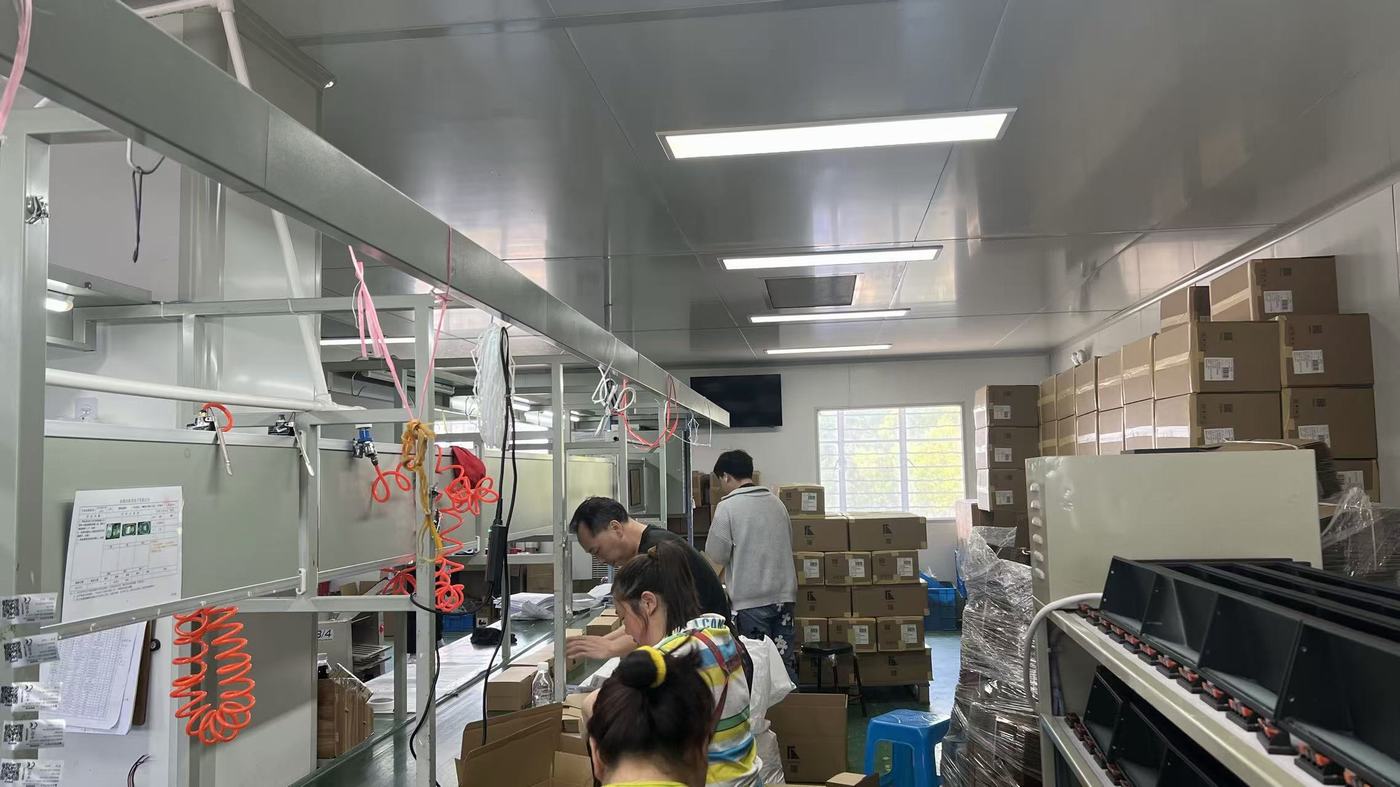
Every product undergoes extensive testing before packing. Our QC standards include continuous salt-spray testing, high-temperature environmental simulation, and 100% load aging tests for 48 hours. By modernizing our workflow, we ensure our global partners, from Oceania to North America, receive durable, energy-efficient up and down wall lights that lower long-term maintenance overhead.
OEM and ODM Customization Capacity: We assist international project developers and distributors by adjusting color temperatures (from warm 2700K to cool 6500K, or switchable 5CCT designs), altering beam configurations (narrow, medium, or wide angles), and applying bespoke paint coatings.
Whether managing residential, retail, or hospitality lighting projects, our engineers coordinate closely with project specifications to provide tailored packaging and high-volume delivery timelines.
Our engineering team recommends these high-performance exterior wall lamps, designed for residential estates, public parks, and resort facades in Oceania.
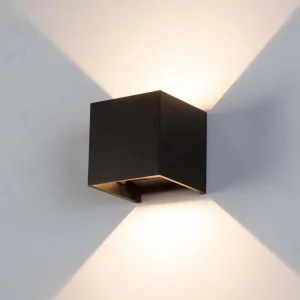
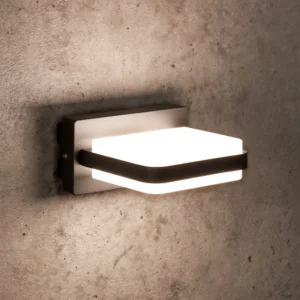
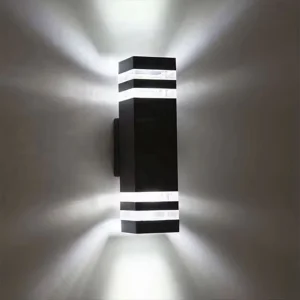
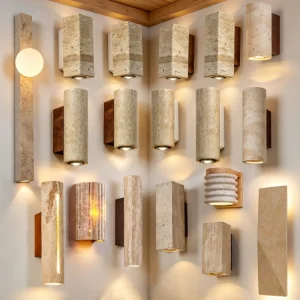
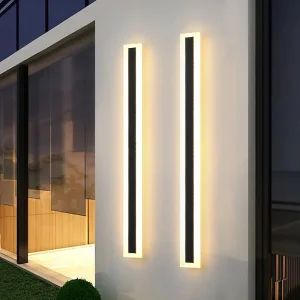
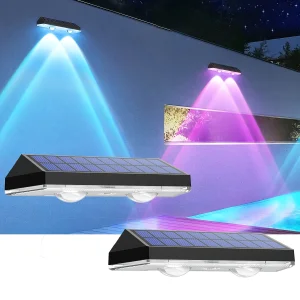
Further wall-mounted and decorative options to meet your project specifications.
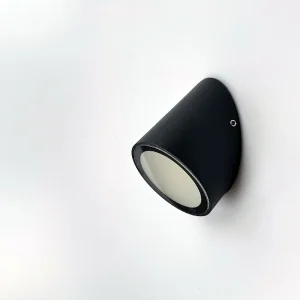
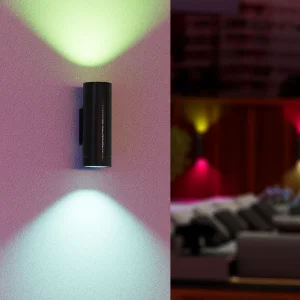
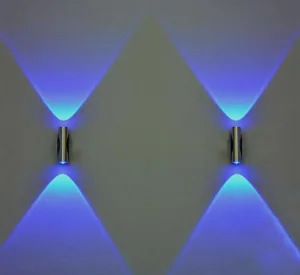
For lighting distributors, electrical wholesalers, and architectural contractors sourcing lighting solutions for remote locations like Kiribati, logistics and product durability represent the primary metrics of failure or success. A defective batch of luminaires installed on a resort facade in Outer Islands requires costly replacement and shipping operations, negating initial savings.
Dixon Lighting addresses these operational risks by adhering to strict manufacturing protocols. Our ISO 9001 certified production facility utilizes an advanced ERP tracking system, cataloging every batch of raw materials from receipt to structural assembly. By integrating top-tier driver brands with wide voltage capabilities (AC100-277V), our wall lights mitigate the risk of driver failure from erratic grid voltages in developing regions.
Furthermore, our luminaires carry recognized safety and compliance certifications, including CE, RoHS, and ETL, audited by premier international testing agencies such as TUV and Intertek. This testing ensures that our products are fully compliant with structural safety, radio frequency interference, and hazardous material restrictions.
To secure optimal performance in coastal installations, engineers should evaluate these key technical specifications during procurement:
From eco-tourism resorts to public infrastructure, our up and down wall lights fulfill specific functional roles under equatorial conditions.
Eco-resorts in Kiritimati (Christmas Island) require lighting that accentuates the organic texture of local materials without creating harsh glare. Our Wabi-Sabi travertine wall lamps and warm-temperature (2700K) aluminum cylinders provide glare-free, directional ambient lighting that complements the natural landscape while maintaining a resilient barrier against humid sea air.
In South Tarawa, public buildings and commercial structures require lighting that operates reliably despite salt spray and heavy precipitation. The IP65 14-inch CCT dual-emission lights offer wide-angle throw, illuminating pedestrian footpaths and enhancing safety along administrative facades.
Given the rising cost of fuel-based electricity in the Pacific, our solar-assisted ABS wall lights offer a reliable off-grid solution. Featuring high-efficiency monocrystalline solar panels and long-lifespan LiFePO4 batteries, they charge under intense daytime equatorial sun and provide security illumination throughout the night without drawing from local power grids.
Modern housing builds in Kiribati benefit from the energy savings of low-wattage exterior LEDs. Our compact 10W sconces deliver high lumen output (800+ lumens) with minimal consumption, helping households lower utility costs while maintaining durable, stylish outdoor spaces.
Get answers to technical questions concerning the installation, shipping, and performance of our wall lights in tropical coastal zones.