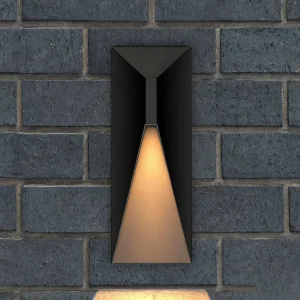
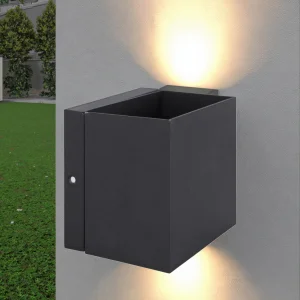
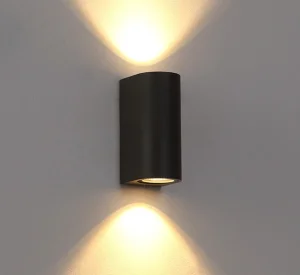
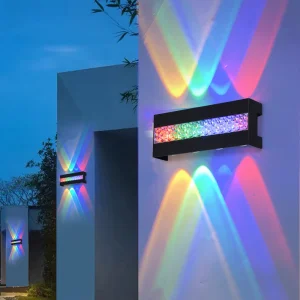
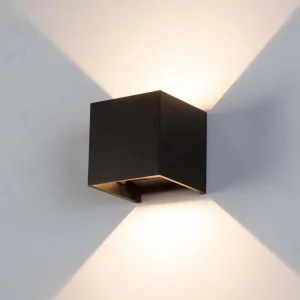
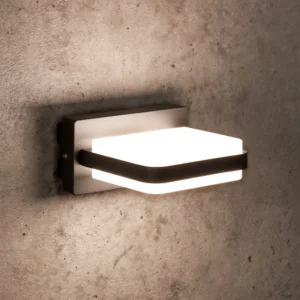
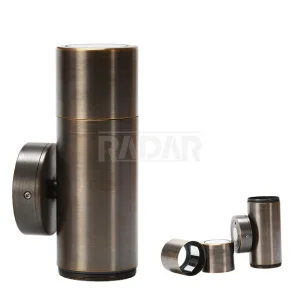
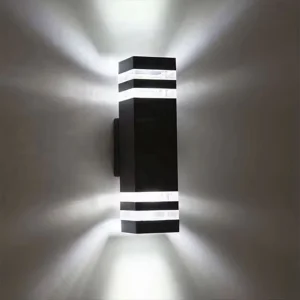
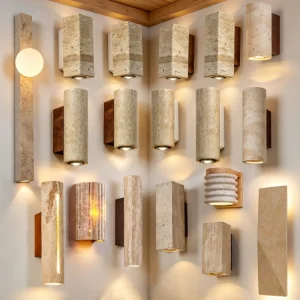
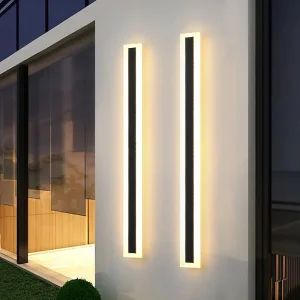
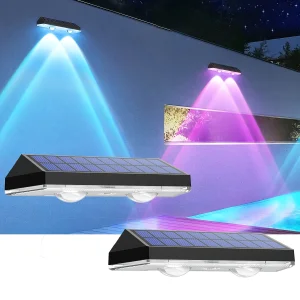
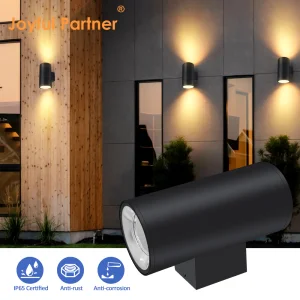
Engineered with double-emission optical arrays and IP65 robust enclosures suited for modern Tokyo high-rises and residential pathways.
As the metropolitan heart of Japan, Tokyo demands lighting solutions that bridge the gap between historical aesthetics and modern technological efficiency. In districts like Ginza, Roppongi, and Marunouchi, lighting is not merely a utility; it is a critical component of spatial experience and architectural brand identity. High-end facades, boutique exteriors, and premium residential spaces utilize Up and Down Wall Lights to create subtle, glare-free, and high-impact structural depth.
Crucially, Tokyo operates under stringent local environmental guidelines. The Tokyo Metropolitan Government's Environmental Security Ordinance enforces rigid regulations regarding light pollution, glare management, and sky glow minimization. Linear and vertical beam-oriented lighting systems, such as directional Up and Down wall sconces, have become the preferred luminaire format. They confine the light output to the facade itself, preventing unwanted lateral spill while ensuring walkways and security perimeters remain beautifully illuminated.
Municipal laws require outdoor lighting setups to exhibit precise optical beam cutoffs. Our export portfolio integrates precise TIR (Total Internal Reflection) optics and internal shielding to ensure zero upward light pollution (Dark Sky Compliance) when specified for dense residential zones in Meguro and Minato wards.
With Tokyo's humid subtropical climate and exposure to occasional severe typhoons, external wall lights must resist water ingress. All imported luminaires must carry verified protection ratings of IP65 or higher to withstand high-velocity seasonal monsoons and high ambient humidity.
Entering the Japanese architectural space demands uncompromising electrical integrity. Unlike other global markets, Japan enforces the Electrical Appliance and Material Safety Law (DENAN). Importers and international exporters must strictly guarantee that products falling under the law carry the mandatory PSE Mark.
| Technical Parameter | JIS / PSE Standard Requirements | Dixon Lighting Factory Specification | Impact on Tokyo Installations |
|---|---|---|---|
| Input Voltage range | 100V - 200V AC (50Hz/60Hz dual) | 100V-277V Auto-Sensing Wide Range | Prevents voltage fluctuations in East Japan grid |
| Water Ingress Protection | JIS C 0920 (Equivalent to IP64 minimum) | IP65 to IP66 Waterproof Rating | Resists intense rain, typhoons, and oceanic damp |
| Thermal Endurance | Class B or Class F thermal insulation | Die-cast ADC12 aluminum heat dissipation | Longevity in urban heat islands in Tokyo summers |
| Color Rendering Index (CRI) | Ra 80 minimum for architectural paths | Ra 80 to Ra 90+ High Fidelity LED | Preserves natural building materials (Travertine/Wood) |
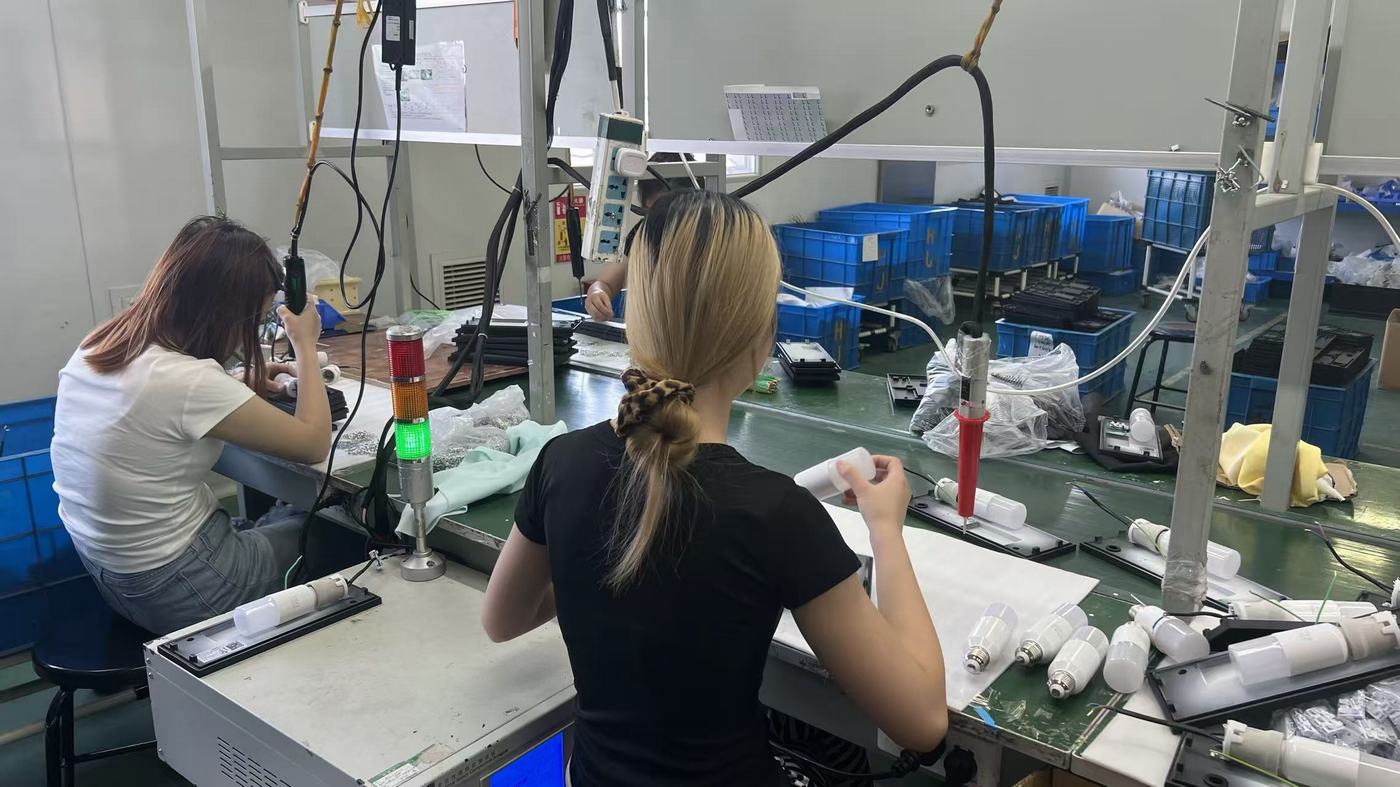
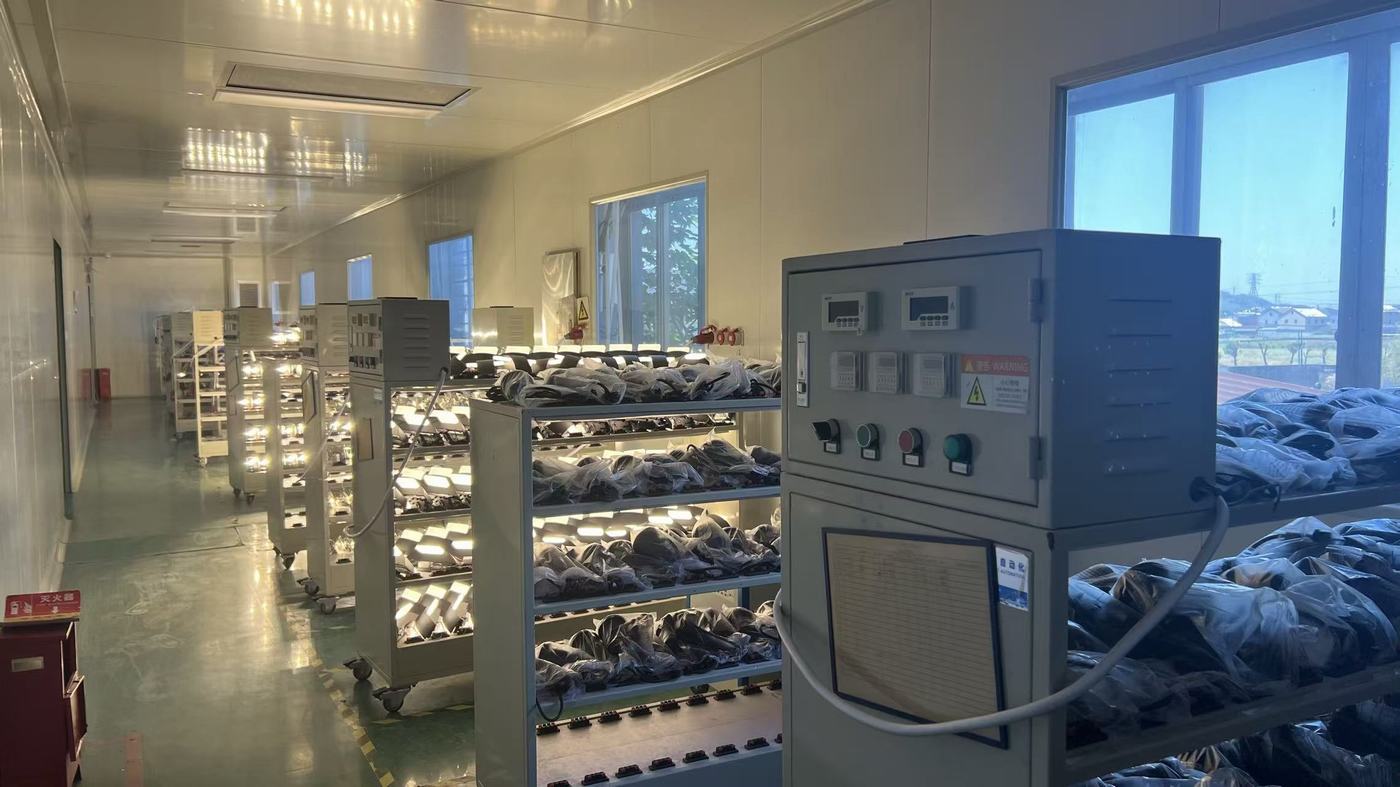
At Dixon Lighting, our manufacturing facilities integrate certified testing laboratories to ensure compliance with the JIS C 8105 series (Luminaires: Safety & Performance requirements). Our products undergo rigorous thermal, electric-shock, and vibration tests to ensure safe performance in high-density seismically active urban zones like Tokyo Bay.
The global architectural lighting market is experiencing a rapid shift toward Smart Urban Systems (IoT) and deep structural miniaturization. Standard bulk fixtures are being replaced with low-profile, high-output luminaires that blend directly into architectural lines.
Our technological roadmap focuses on three crucial areas: dynamic white tuning (adjusting light temperature between 2200K warm wash and 5000K daylight to match circadian rhythms), sustainable energy sourcing via high-conversion monocrystalline solar cells (ideal for eco-district projects in Tokyo), and Casambi/DALI-2 smart network integration for centralized brightness dimming during late-night hours.
Providing Japanese developers and distributors with the ideal combination of cost efficiency, rapid customization, and rigorous quality control.
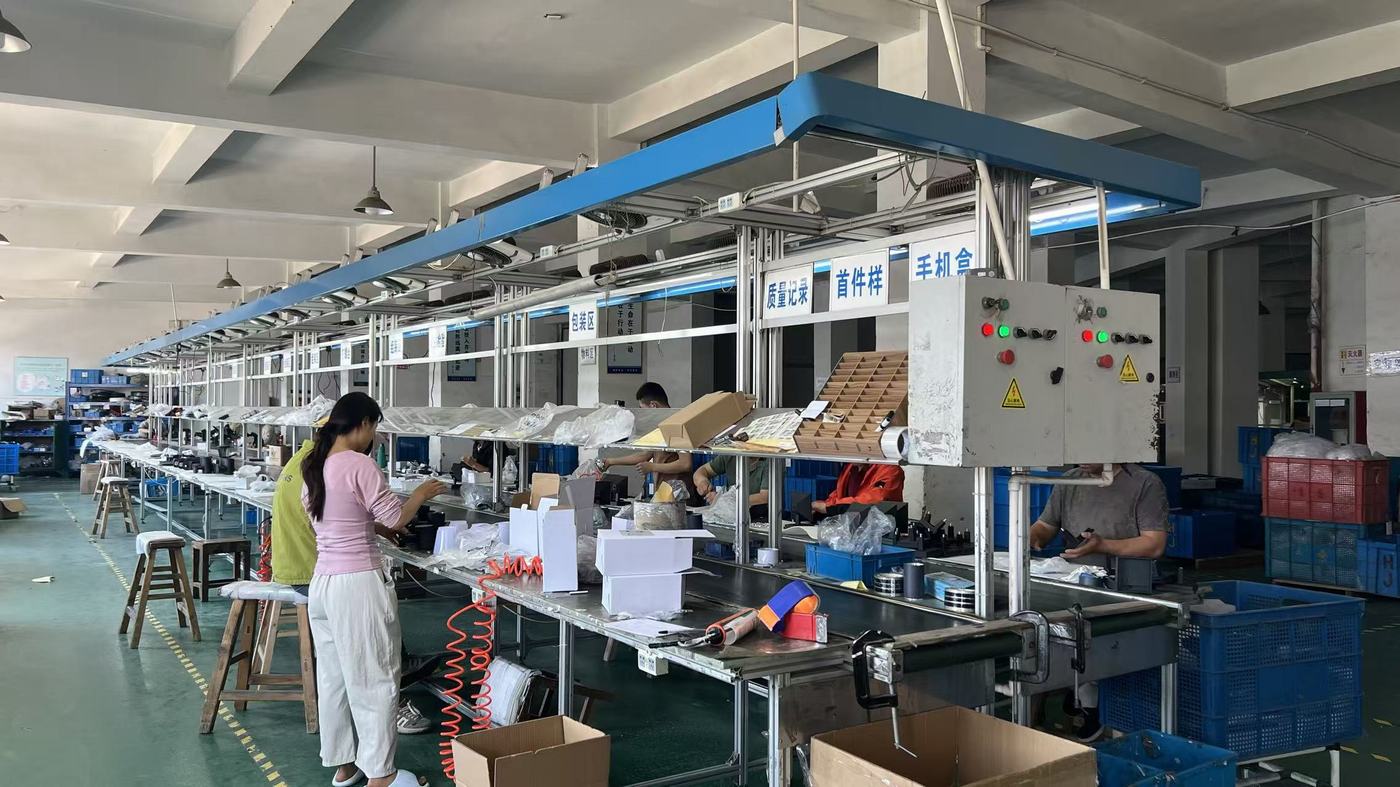
Jiangmen Dixon Lighting Co., Ltd. has been specializing in the outdoor lighting industry since 2007, with over 15 years of experience serving customers across North America, Europe, Australia, Japan, and other international markets. We are dedicated to designing, manufacturing, and supplying innovative, energy-efficient, and reliable outdoor lighting solutions for residential, commercial, and landscape applications.
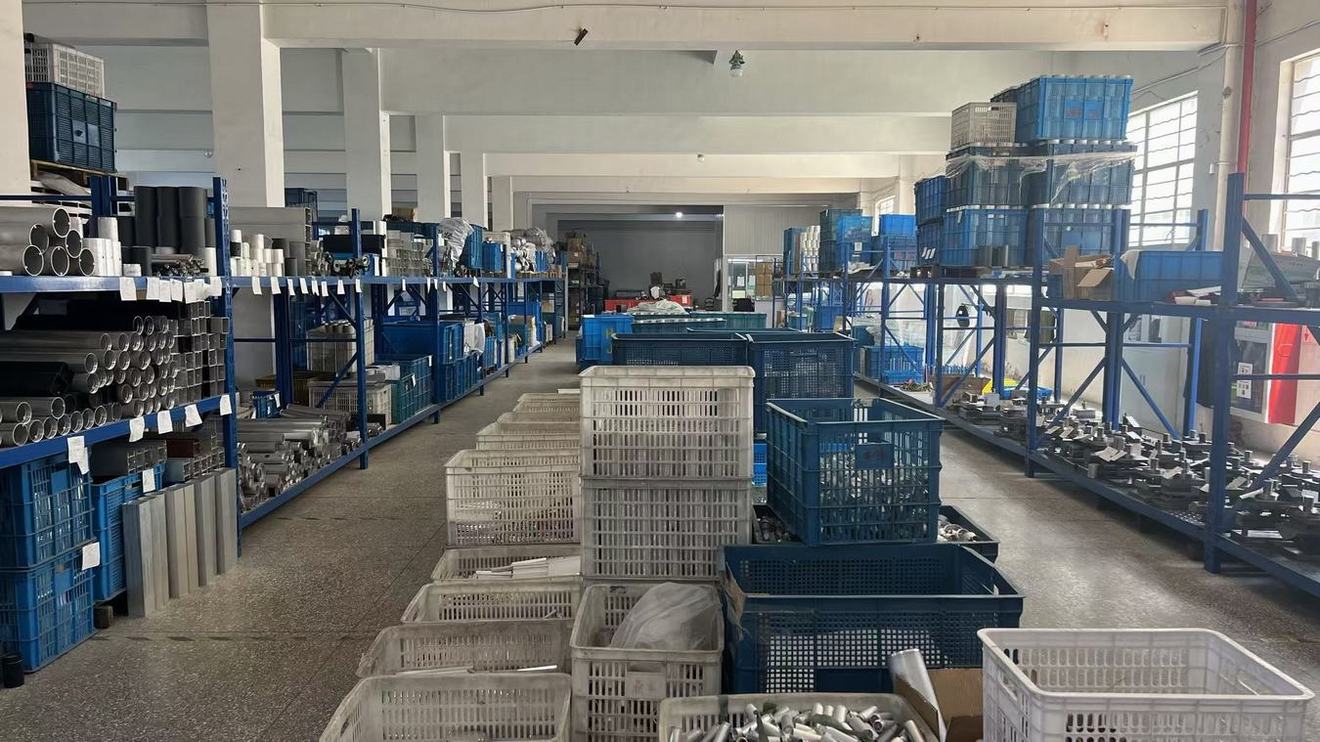
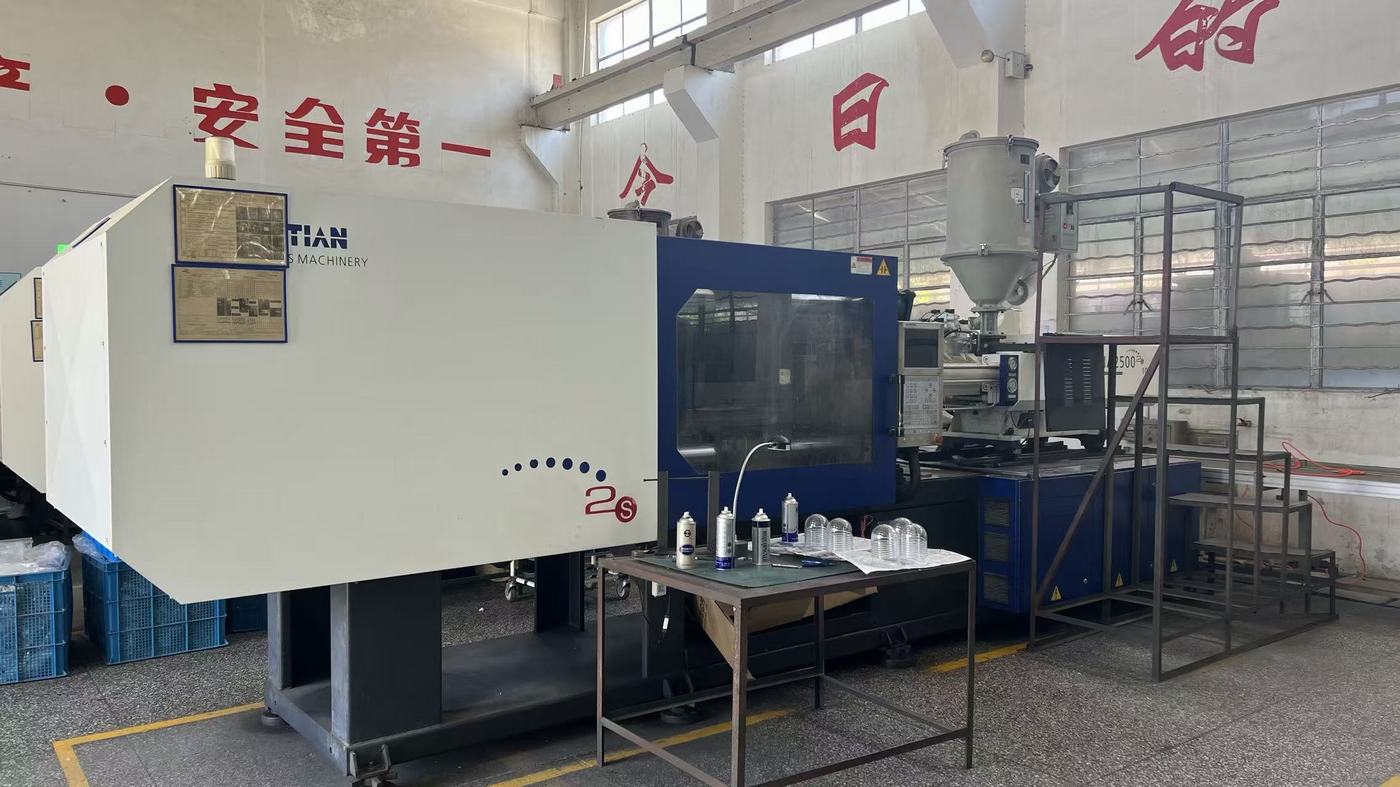
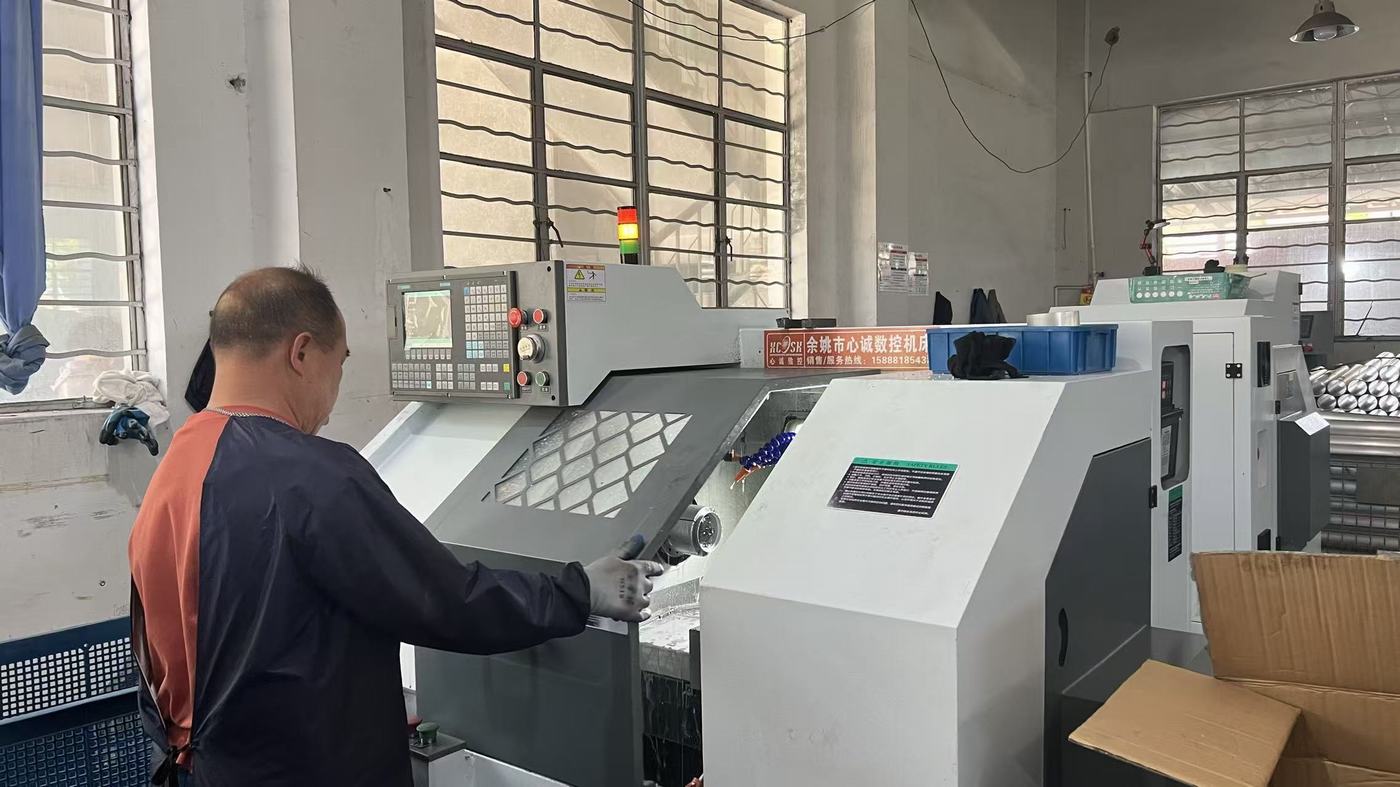
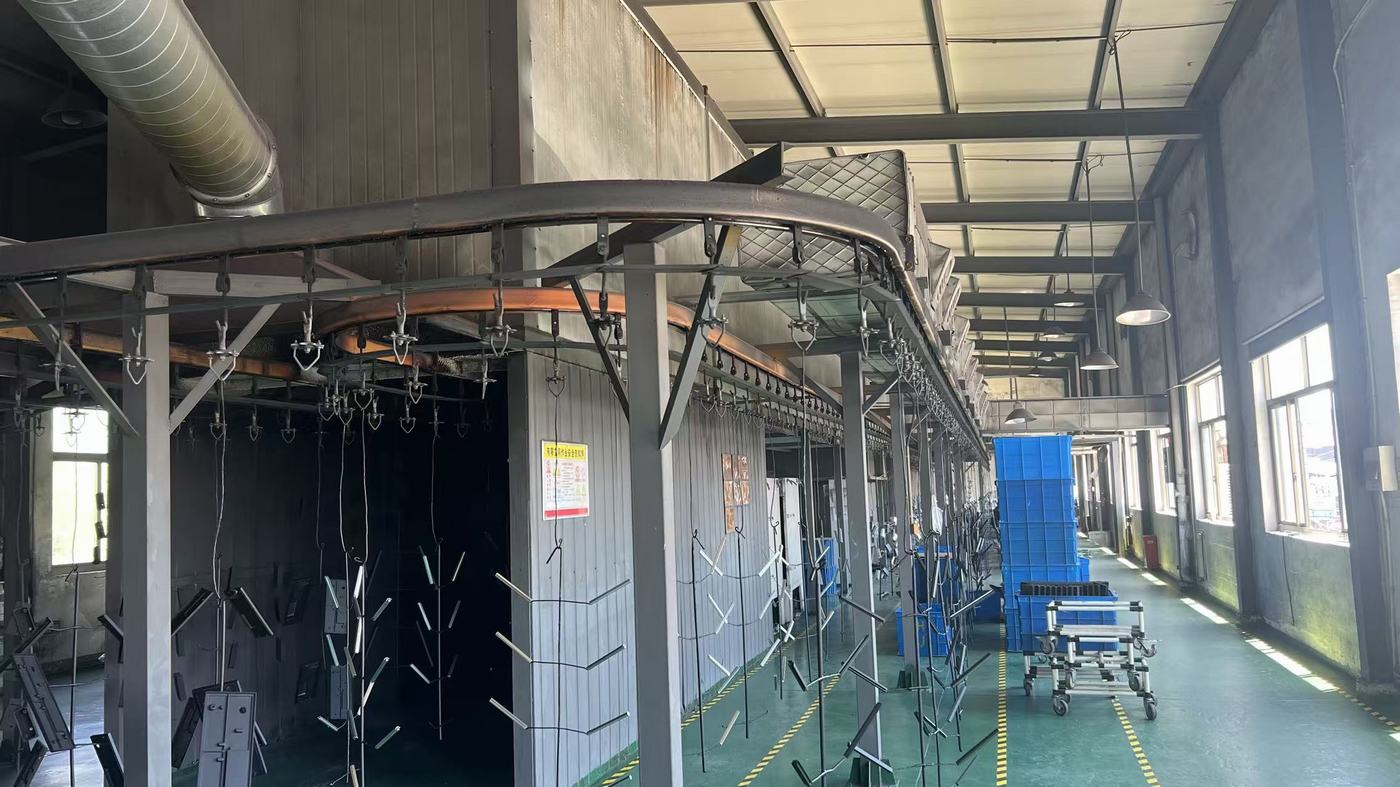
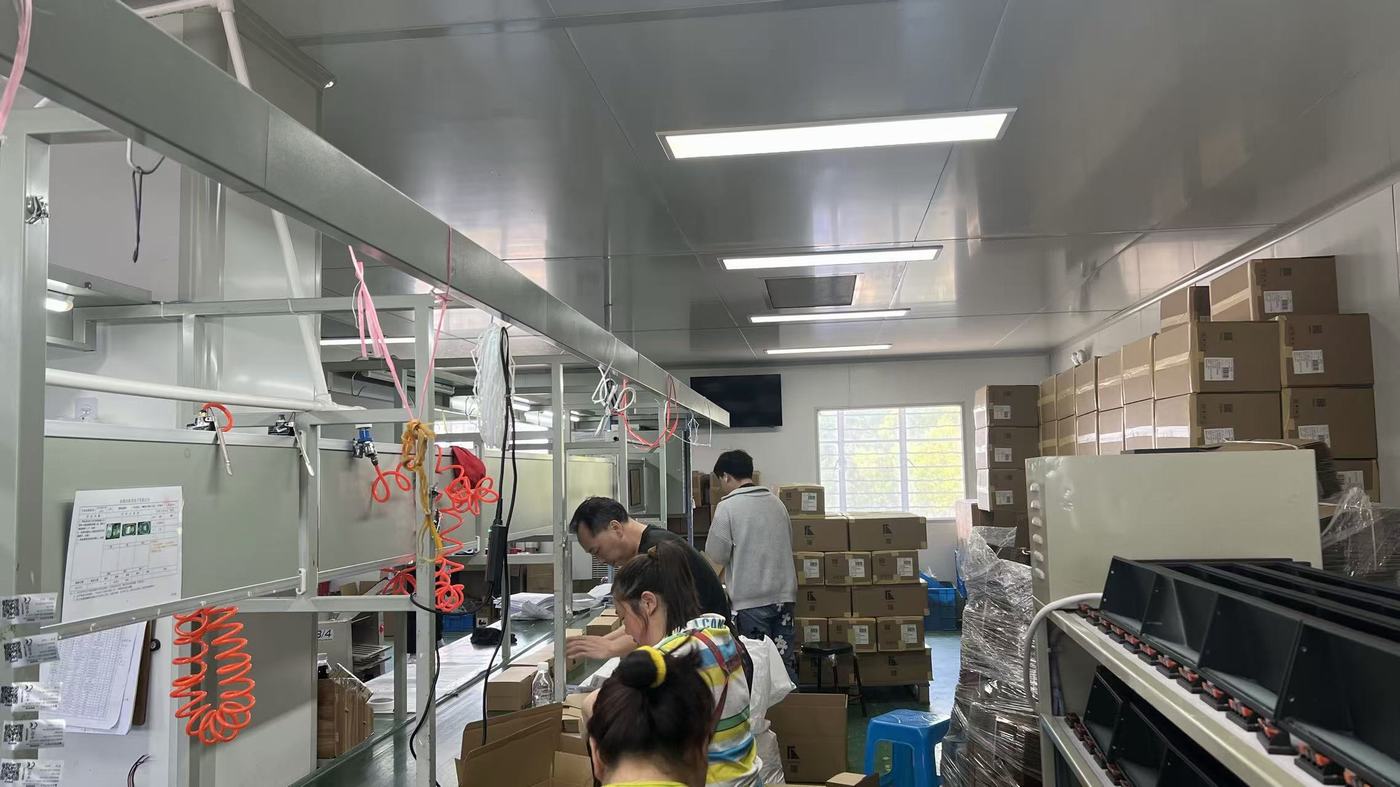
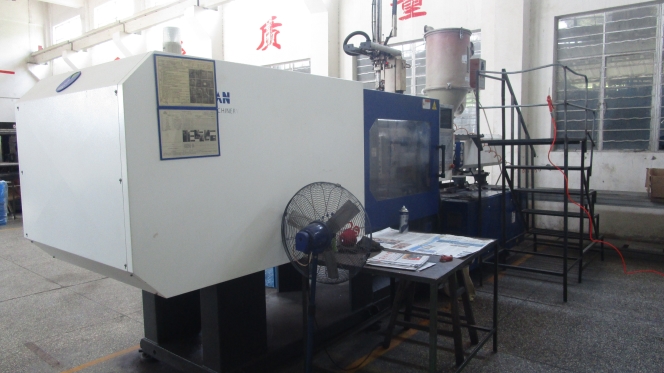
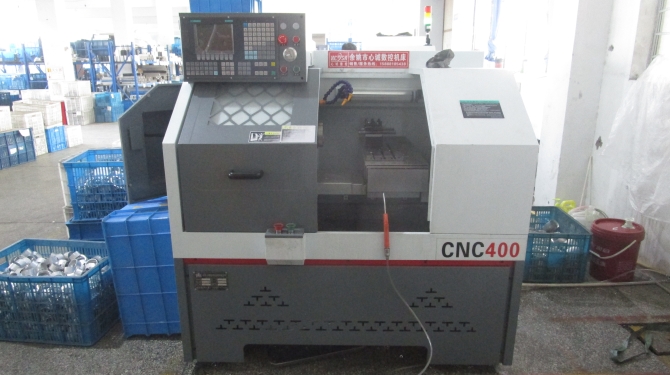
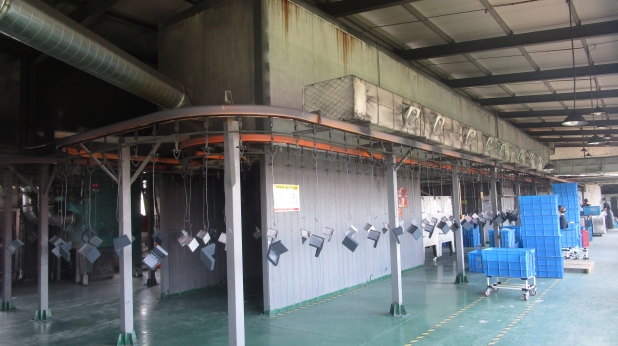
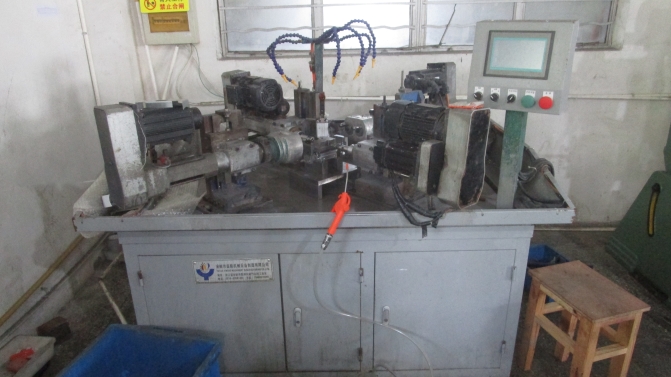
Our company operates from a modern production facility covering more than 5,000 square meters and employs over 100 experienced staff members. Supported by a professional R&D team, an efficient sales team, and a responsive after-sales service department, we are able to provide comprehensive support throughout every stage of a project, from product development and customization to delivery and technical assistance.
To ensure consistent product quality and efficient production management, Dixon Lighting has implemented an advanced ERP management system and follows strict ISO quality control standards. Our products have obtained internationally recognized certifications, including CE, RoHS, and ETL, issued by leading testing organizations such as TUV and Intertek. These certifications demonstrate our commitment to safety, quality, and compliance with global market requirements.
Innovation remains at the core of our business philosophy. We continuously invest in product development and manufacturing improvements to meet the evolving needs of the global lighting market. Whether for OEM, ODM, or customized lighting projects, Dixon Lighting is committed to delivering reliable products, competitive solutions, and outstanding customer service.
Our aim is to survive through quality, develop through innovation, and build long-term partnerships based on trust, professionalism, and mutual success. With a strong commitment to excellence, Jiangmen Dixon Lighting Co., Ltd. strives to be a trusted partner for customers worldwide and a leading manufacturer in the outdoor lighting industry.
Explore our complete catalog of up and down lighting solutions selected for high-profile residential developments and luxury commercial facades in Japan.
Providing direct, expert answers to procurement officers, architectural designers, and lighting importers regarding the Tokyo regulatory market.
For AC-powered outdoor lighting fixtures connected directly to 100V-200V mains, the product falls under the "Non-Specified Electrical Appliances" category under the Japanese DENAN Law and must feature the Circle PSE mark. This requires safety testing matching JIS standards, verification of thermal dissipation, and insulation properties. We provide all test documentation and certificates for smooth custom clearance at Tokyo ports.
Our premium products are constructed using Die-Cast ADC12 Aluminum and coated with thermoset powder coatings that offer high corrosion resistance against sea salt and humidity. Featuring structural designs rated up to IP66, our lights use heat-resistant silicone sealings that prevent water ingress even under severe wind-driven rain scenarios typical of Japan's typhoon season.
Yes. Tokyo's aesthetic rules often require low-color temperatures (e.g., 2200K or 2700K) for traditional or low-intensity zones (like Wabi-Sabi spaces or historical corridors). We provide 5-CCT adjustable settings or dedicated warm LED arrays (2700K/3000K) to meet strict district aesthetic regulations. We also offer customization in body color finishes to complement wood and natural stone facade textures.
For standard models, the typical lead time is 20-30 days from our Jiangmen facility, utilizing direct maritime routes to the Port of Tokyo or Port of Yokohama. We offer flexible MOQs for project-based architectural bids. Please reach out to our trade department to request quotes and container shipping logistics configurations.
From standard dual-emission lights to bespoke designs certified for Japanese infrastructure. Get local support, full test reports, and highly competitive manufacturing quotes.