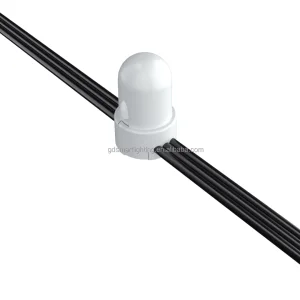
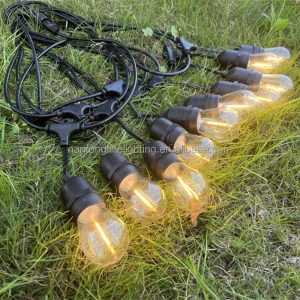
String and Festoon Lights Manufacturers & Exporters in Finland

Architectural Winter Illumination Systems Engineered for Harsh Arctic Climates & Smart Urban Infrastructure

1. Finland's Microclimate & Outdoor Lighting Infrastructure: The Demand for Industrial-Grade Resilience

Finland’s architectural landscape demands outdoor lighting solutions that go far beyond standard decorative grade parameters. With winter temperatures plunging down to -40°C in Lapland, and seasonal darkness (known locally as Kaamos) dominating the country for several months, lighting is not merely a styling choice; it is critical infrastructure. To survive these conditions, structural string and festoon lighting must possess extreme physical integrity.

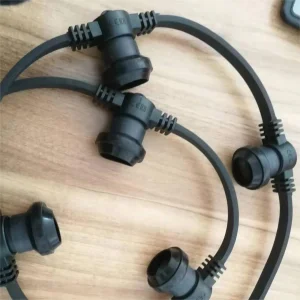
Most commercially available outdoor lights suffer from structural failure in Nordic climates due to thermal contraction. Plastic coatings of standard PVC cables become brittle, crack, and permit water ingress, causing short circuits. Our specialized product ranges utilize heavy-duty rubber cables (such as H05RNH2-F neoprene rubber), which remain flexible and structural down to -45°C. Furthermore, persistent exposure to heavy snow loading, ice accumulation, and high wind shear requires robust mounting loops, high-tension copper wiring, and reinforced socket joints.

Cold-Hardiness & The Science of Cable Engineering

Chloroprene rubber (neoprene) maintains its molecular elasticity under sub-zero temperatures. Unlike PVC, which undergoes glass transition at 0°C, neoprene cables retain their flexibility, resisting shear stresses and tension caused by wind-swayed frozen branches.

2. Localized Application Scenarios Across the Finnish Landscape

Modern festoon lights in Finland are utilized across diverse commercial, residential, and municipal scenarios:

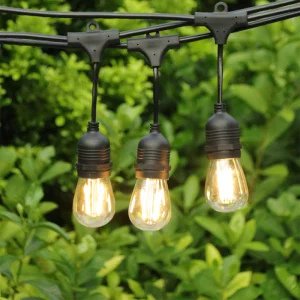
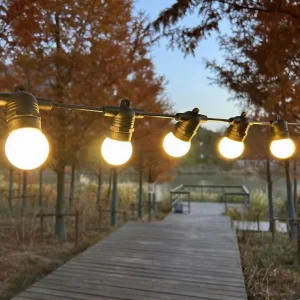
  • Public Plaza & Festive Markets: Historic town squares like Senate Square (Senaatintori) in Helsinki require long-span, connectable IP65/IP68 E27 festoon harnesses. These setups must support high electrical loads and feature weather-sealed drop sockets for reliable service during winter markets.
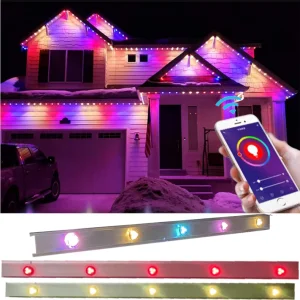
  • Lapland Tourism & Arctic Igloo Resorts: High-end tourism projects in Rovaniemi and Levi deploy addressable, low-voltage RGBIC pixel strings to create immersive ambient installations. These coordinate with the Northern Lights, requiring smooth dimming curves and smart home integration.
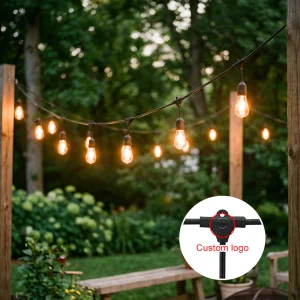
  • Cottage (Mökki) Culture: Traditional Finnish lakeside cabins are increasingly illuminated by solar-assisted, low-voltage (12V-24V) LED string networks. These require minimal power while delivering dependable, warm-white ambient lighting.
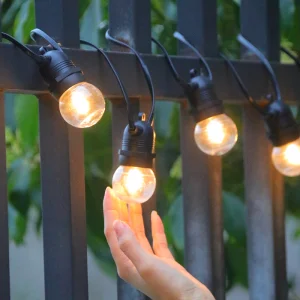
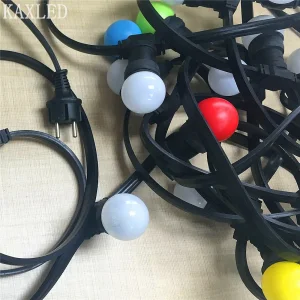
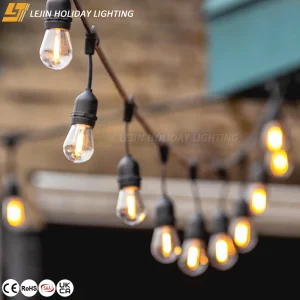
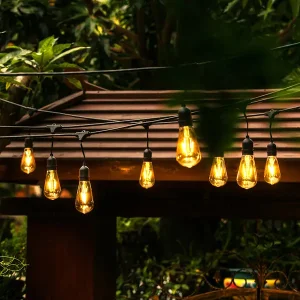
  • Urban Commercial Spaces: Restaurants, cafes, and rooftop bistros in Tampere and Turku rely on year-round vintage filament S14/G45 heavy-duty outdoor belt lights. They create welcoming environments that extend outdoor seating usability into the shoulder seasons.

3. Advanced Technical Roadmap: The Smart Convergence

The next generation of outdoor architectural illumination systems, blending IoT connectivity with ultimate materials science.

❄️

Low-Temp Power Delivery

Integrating digital-control drivers with auto-heating mechanisms to ensure immediate cold starts at -40°C without driver thermal shock or current spiking.

🌐

Matter & DALI-2 Controls

Universal smart home connectivity, allowing municipal managers and business operators to dim, schedule, and configure dynamic patterns via standard protocol arrays.

♻️

Eco-Efficiency Optics

High-lumen efficiency LEDs exceeding 130 lm/W coupled with custom optical hoods, minimizing glare and light pollution in sensitive Nordic wilderness reserves.

4. Global Commercial Dynamics & Chinese Supply Chain Strengths

Globally, the demand for architectural-grade outdoor festoon lighting is expanding rapidly. The market has shifted from basic seasonal decorations to permanent, energy-efficient commercial installations. While local European distributors play a crucial role in localized warehousing and compliance, the source of hardware innovation and high-capacity manufacturing remains rooted in China's advanced lighting manufacturing clusters.

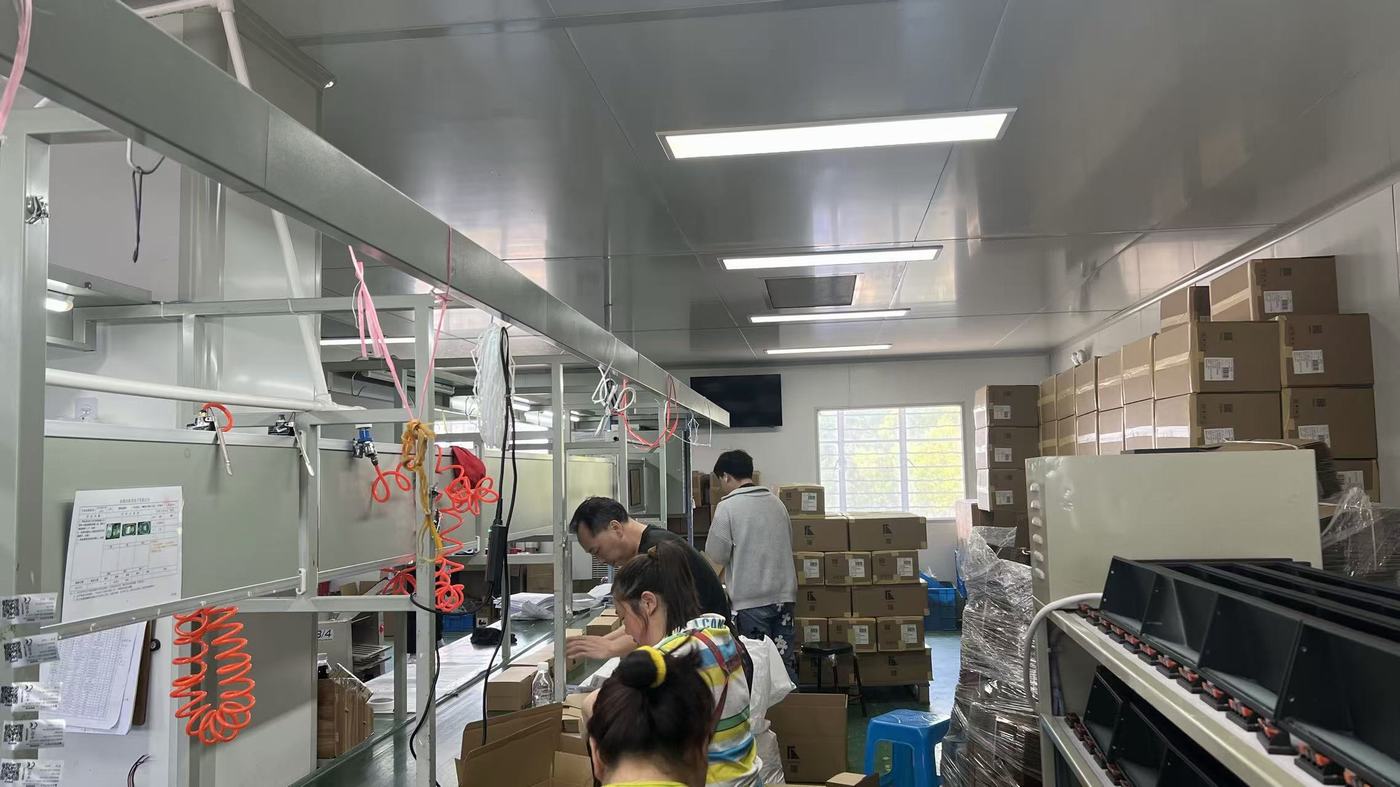
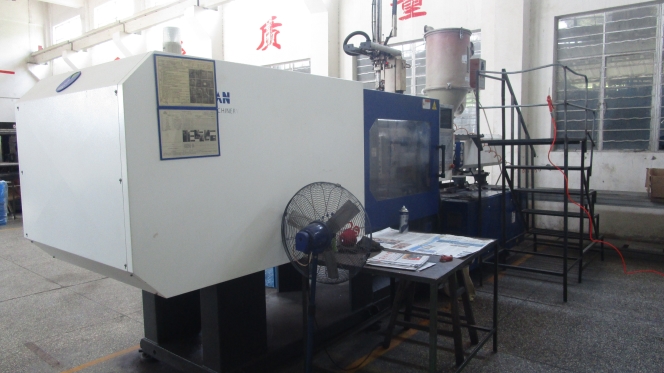
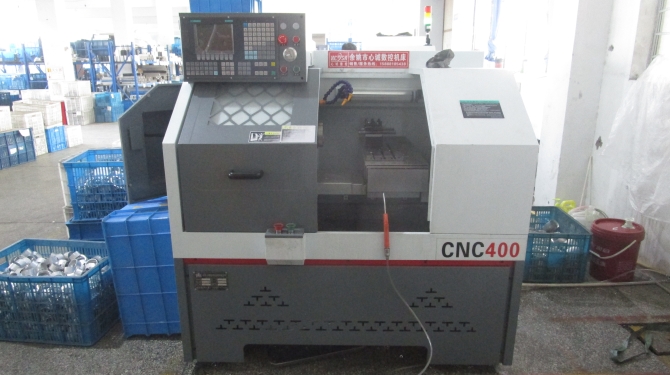
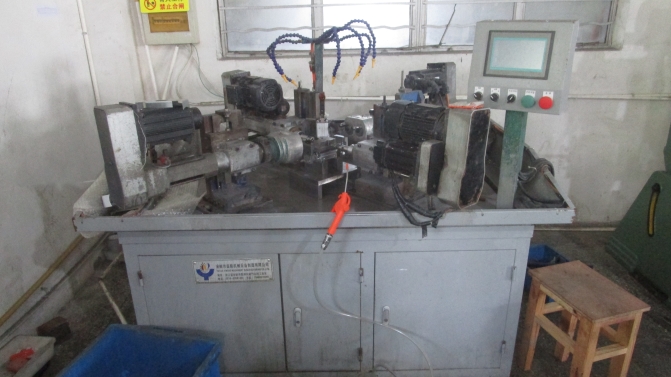
The core strength of the Chinese supply chain lies in raw material access, advanced engineering capabilities, and manufacturing speed. As a dedicated leader in this sector, Jiangmen Dixon Lighting Co., Ltd. has spent over 15 years optimizing production workflows. From sourcing pure copper conductors and high-grade vulcanized rubber to implementing computerized injection molding and precise CNC machining, our facility in Jiangmen ensures that every structural element is built to international standards.

15+
Years Experience
5,000+
SQM Modern Facility
100+
Expert Technicians
100%
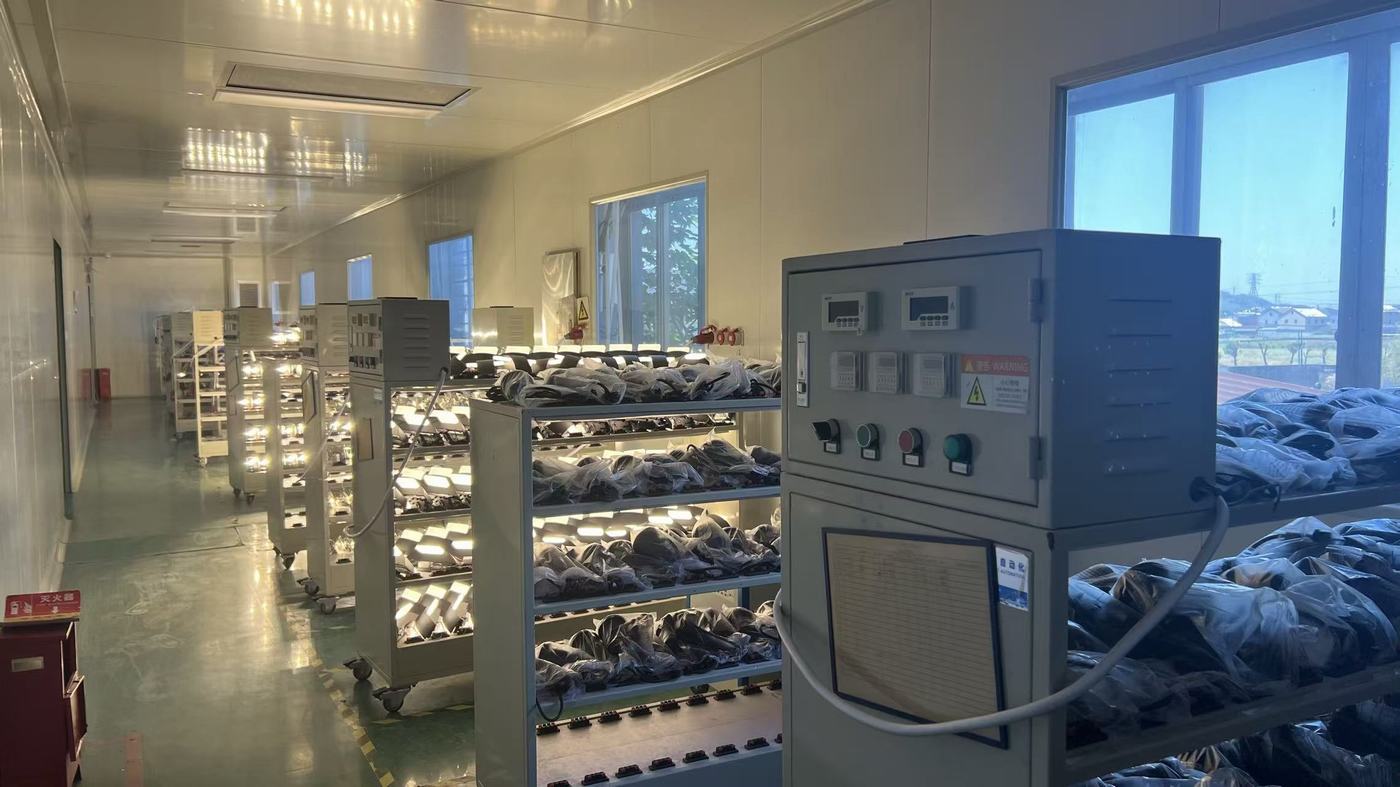
Quality Aging Inspected

5. Production Lifecycle & Technical Machining Capability

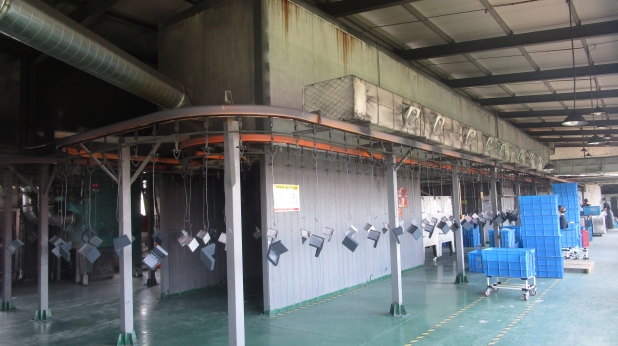
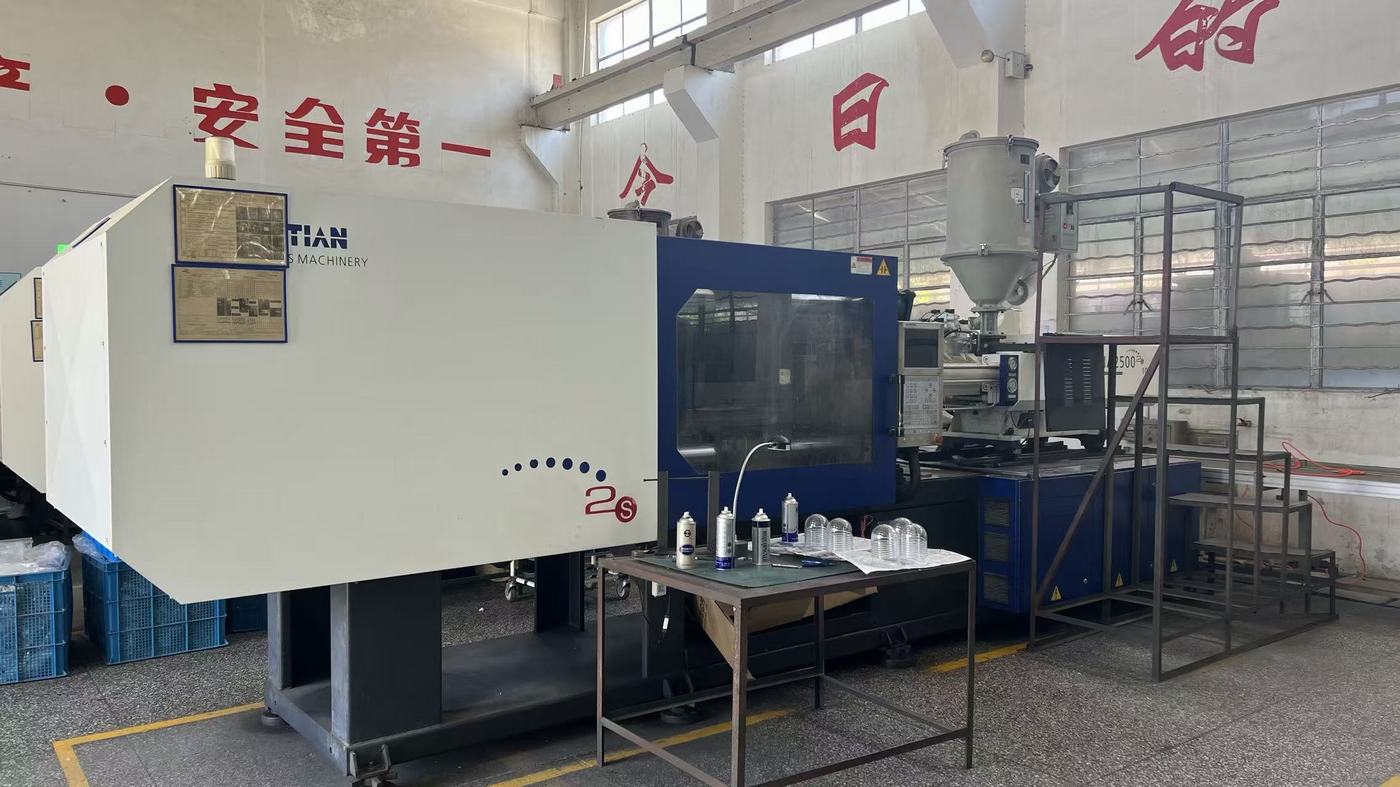
An inside look at our advanced manufacturing workflows, demonstrating our capability as a primary OEM/ODM partner.
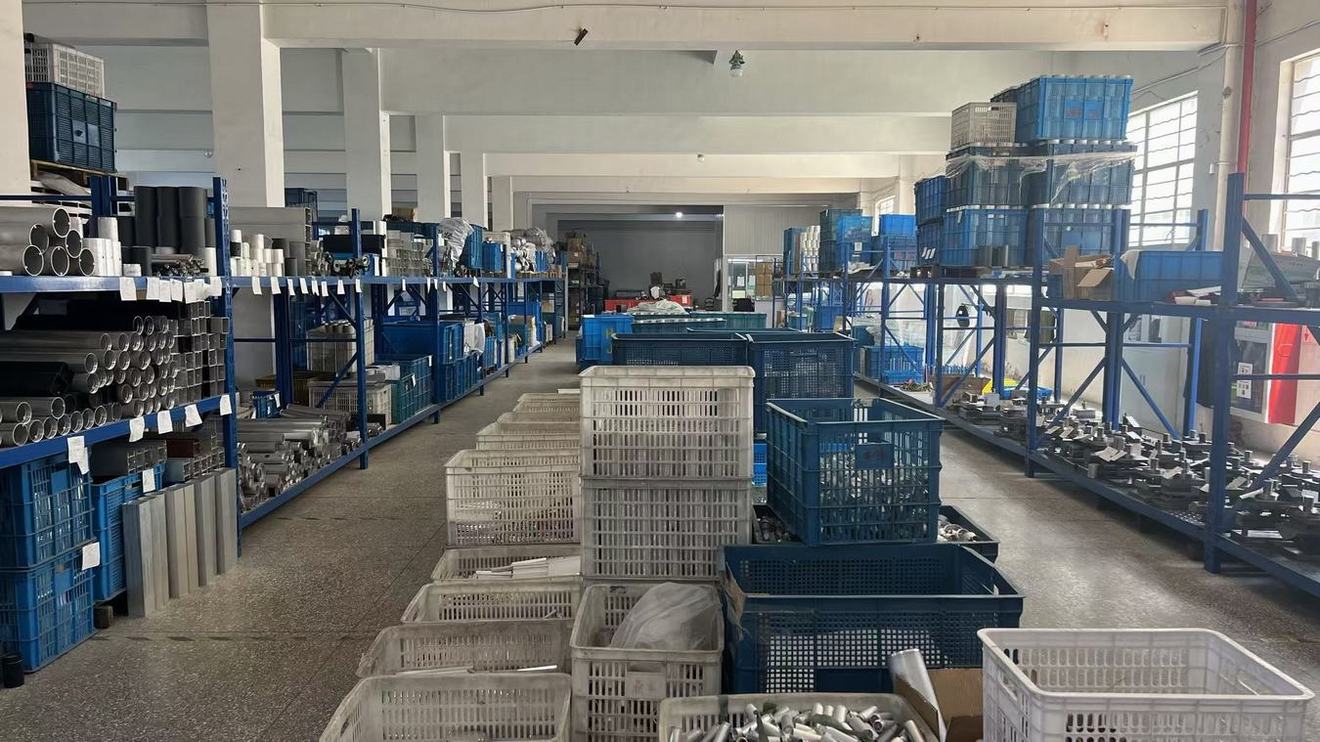
Raw Material Inspection
Injection Molding
Injection Molding
Hardware Processing
Hardware Processing
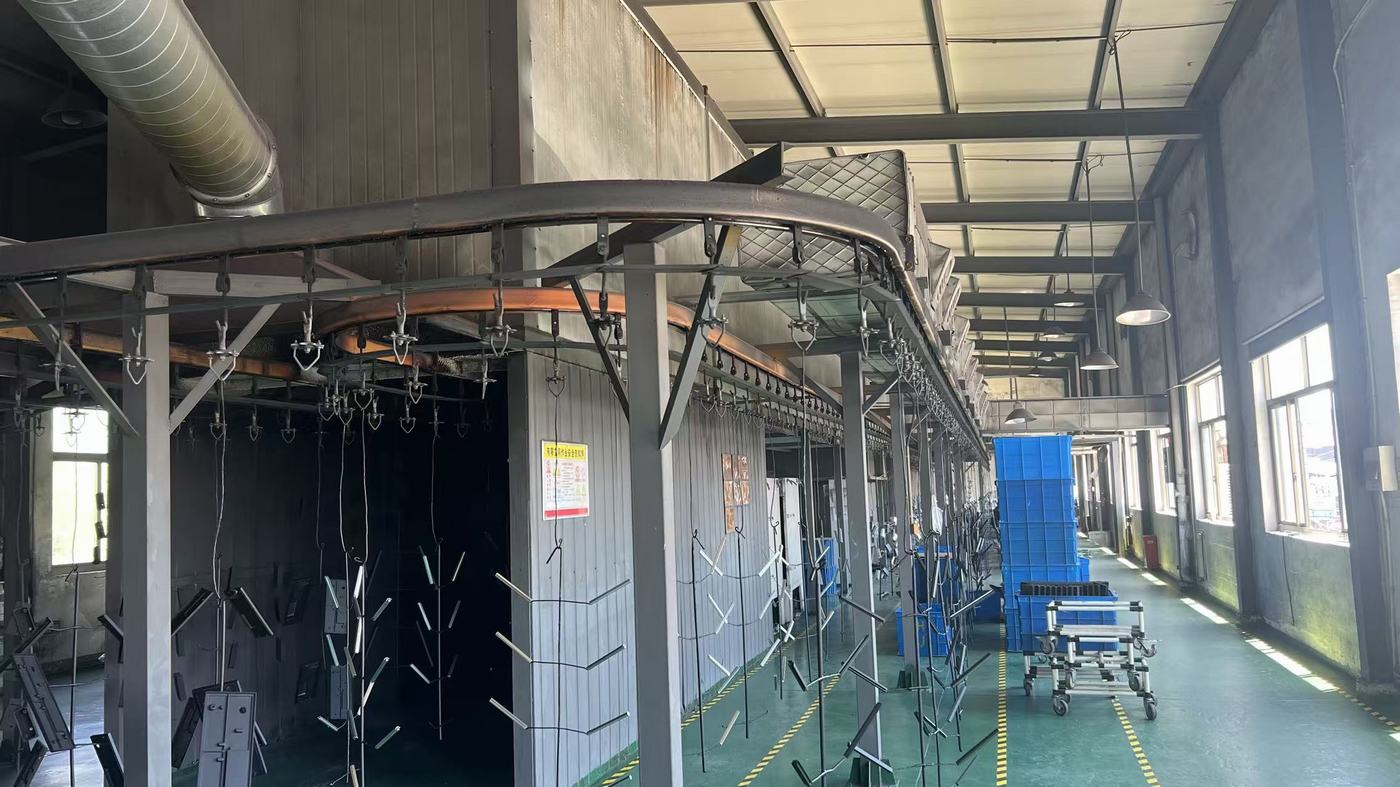
Painting Process
Painting Process
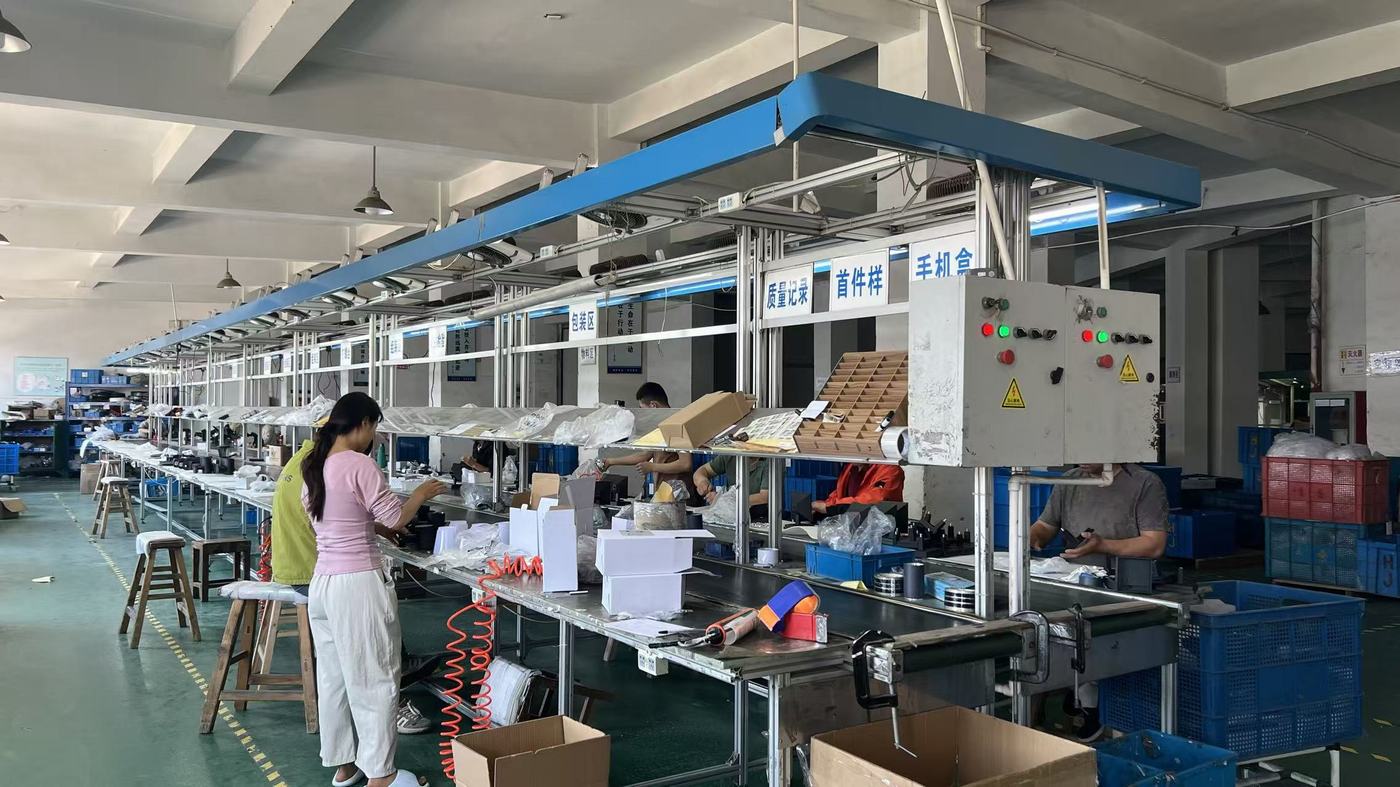
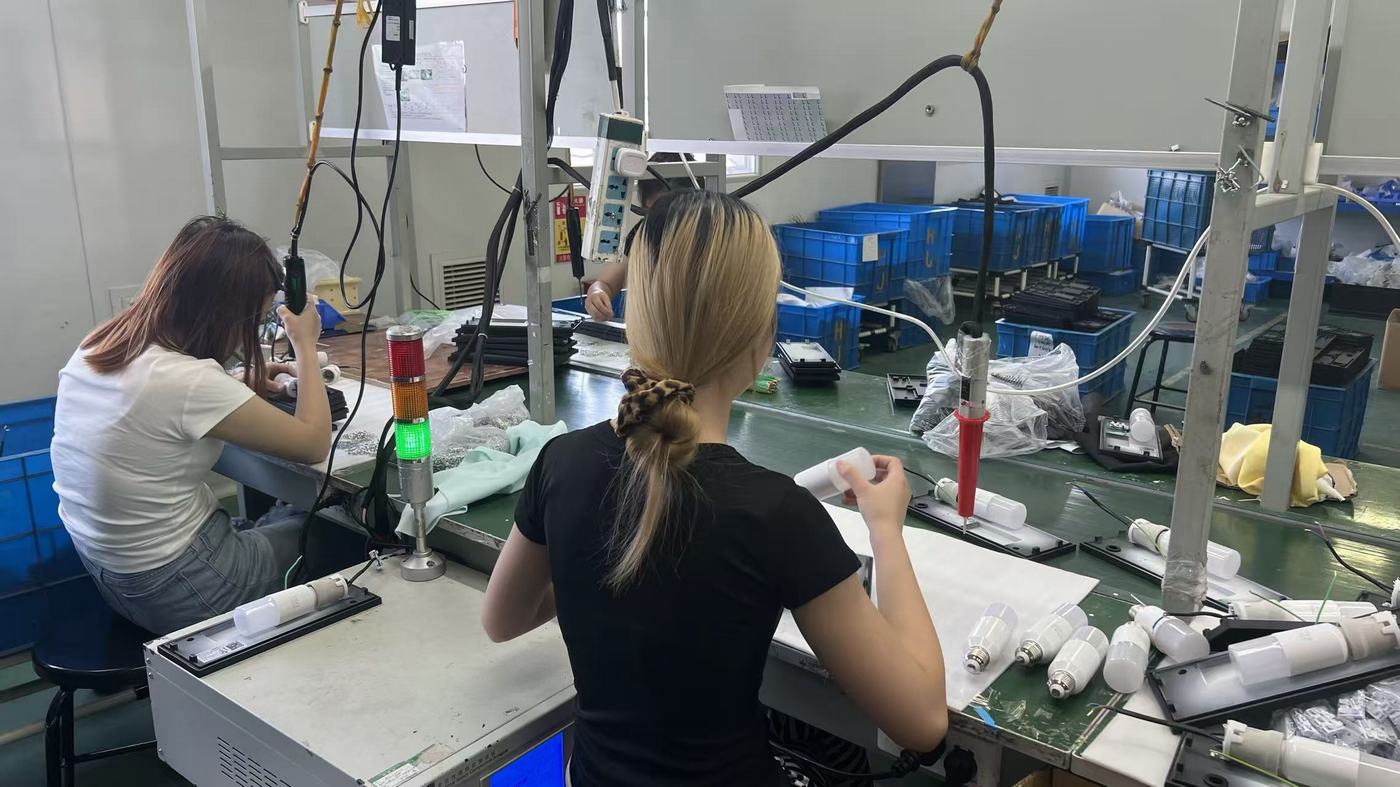
Product Assembly
Product Assembly
Quality Testing
Quality Testing
High Temperature Aging Test
Sub-Zero & Thermal Aging
Rigorous Packaging
Heavy-Duty Packing
High-Performance Injection Machine
Injection Machine Yard
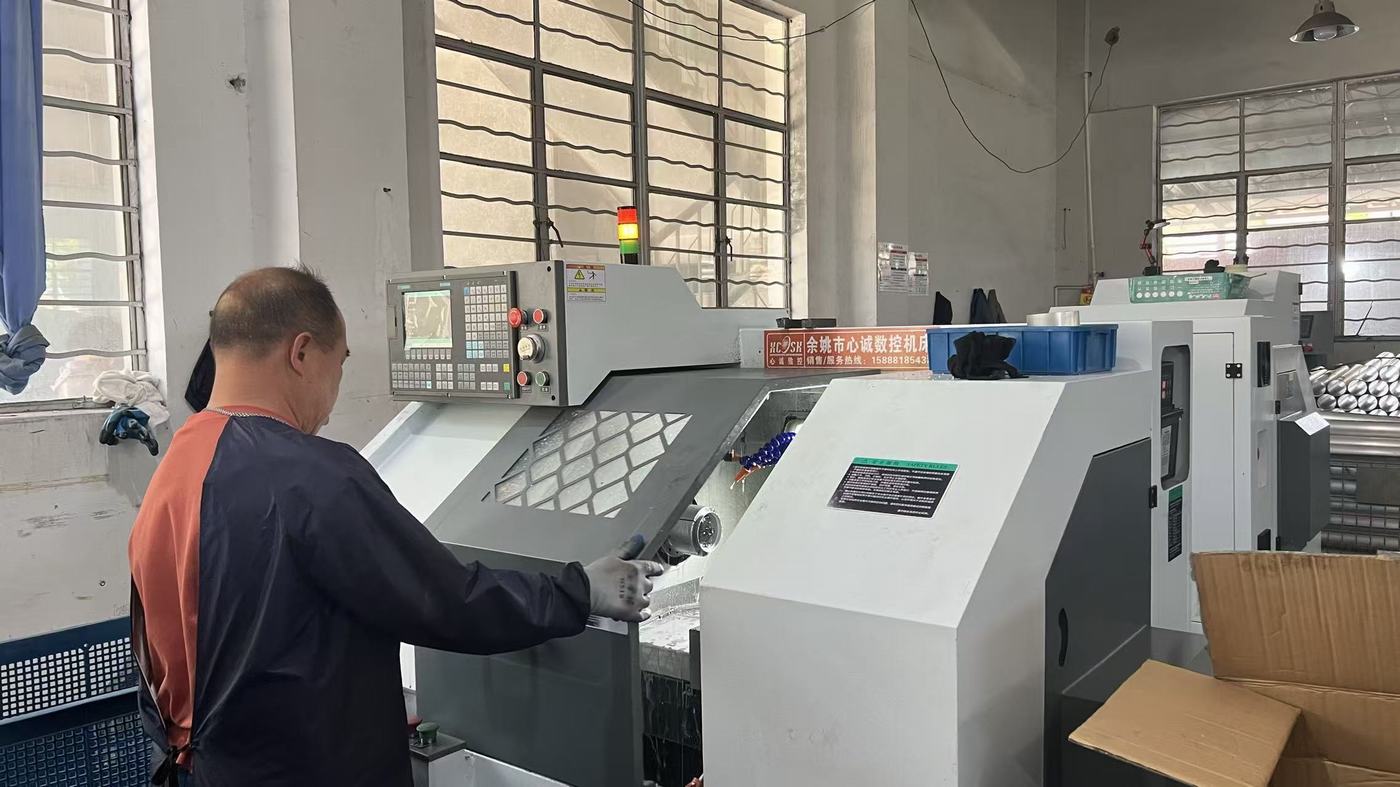
High Precision CNC Center
CNC Machining Center
Automated Painting Machine
Painting Automation
Drilling and Tapping Machine
Drilling & Tapping Assembly

6. Compliance, Certifications, and Nordic Market Standards

For Finnish importers and general contractors, compliance with European safety standards is non-negotiable. The Finnish Safety and Chemicals Agency (Tukes) enforces strict rules regarding electrical equipment sold for outdoor installation.

All outdoor festoon system projects exported by Dixon Lighting conform to the EU General Product Safety Directive and carry CE, RoHS, and ETL markings verified by independent testing laboratories like TUV and Intertek. We ensure our outdoor lighting chains meet the EN 60598-2-20 safety directive, which mandates strict insulation thickness, mechanical pull-force thresholds, and ingress protection validation.

7. Expert Q&A: Engineering Festoon Lighting for Nordic Climates

Critical engineering answers for electrical engineers, landscape architects, and commercial lighting importers in Finland.

Why are standard PVC cable string lights unsuited for Finnish winters?
PVC (Polyvinyl Chloride) undergoes glass transition at approximately 0°C. In sub-zero temperatures, PVC lose its molecular flexibility, turning brittle and prone to structural cracks under physical load. Neoprene rubber (chloroprene) cables, however, retain structural integrity down to -45°C. This prevents insulation fractures and limits the risk of water ingress and short circuits.
How does an IP65 rating compare to an IP68 rating in high-snowfall zones?
An IP65 rating certifies protection against dust ingress and low-pressure water jets, which is suitable for standard vertical hang designs. However, for ground-level installations, borders, and regions facing heavy snow accumulation, an IP68 rating is recommended. When snow melts, standard IP65 enclosures can experience capillary water ingress. IP68 units feature fully encapsulated internal drivers and hermetically sealed joints to withstand immersion in slush and standing meltwater.
What specific certifications must be checked for imports into Finland?
All equipment must carry the CE mark and comply with the Low Voltage Directive (LVD) and Electromagnetic Compatibility (EMC) Directive. Testing against EN 60598-2-20 (particular safety regulations for decorative lighting chains) is mandatory. Importers must verify these reports are issued by accredited testing labs, such as TUV, Intertek, or SGS, to satisfy local Tukes requirements.
How does cold temperature affect LED output and drivers?
LED chips run more efficiently in cold conditions because lower junction temperatures improve luminous efficacy and lifespan. However, standard electronic drivers struggle to start up in extreme cold due to capacitor characteristics. Dixon solves this issue by sourcing custom low-temperature electrolytic capacitors and designing soft-start control circuits that can operate reliably in -40°C environments.
Can these systems integrate with centralized municipal smart controls?
Yes. Our heavy-duty architectural chains and point-source pixel systems support advanced dimming control protocols, including DALI-2, 0-10V, and DMX512. For smart cities and hospitality projects in Finland, they can be configured with smart gateways compatible with wireless Zigbee or Matter networks. This enables central dimming, automated scheduling, and energy optimization.

Secure Your Arctic-Resistant Supply Chain

Partner directly with Dixon Lighting. Leverage our 15+ years of specialized outdoor manufacturing experience, advanced CNC machining facilities, and rigorous ISO-certified testing protocols to deliver exceptional lighting performance for your project.

Send Inquiry Now