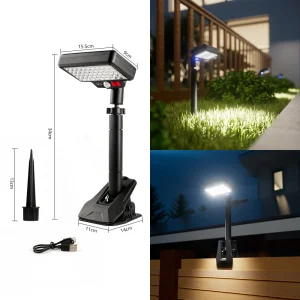
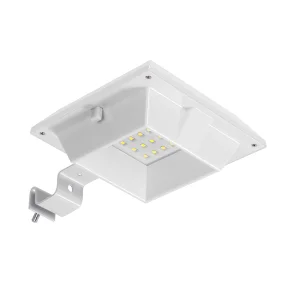
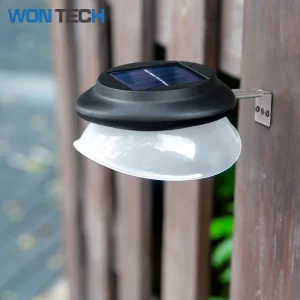
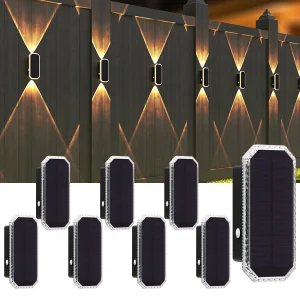
Engineered for structural integration along commercial and high-end residential rooflines, optimized for Southern Hemisphere sun tracks.
An authoritative breakdown of architectural specification, materials science, and environmental adaptation required for New South Wales climatic conditions.
Sydney's solar exposure requires advanced UV-stabilized polycarbonate or aerospace-grade aluminum housings to prevent yellowing, degradation, and structural failure over extended lifespans.
Salt spray corrosion testing (ASTM B117 compliance) is mandatory for luminaires installed in harbor-adjacent suburbs like Paddington, Manly, and Bondi to secure structural integrity.
Equipped with Lithium Iron Phosphate (LiFePO4) systems designed to operate optimally within wide thermal ranges without risk of thermal runaway during high summer heatwaves.
Sydney is characterized by a humid subtropical climate, experiencing long hours of intense sunshine alongside severe weather fluctuations. For commercial lighting designers and property developers, specifying lighting systems requires close attention to the local geographical profile. The Sydney basin suffers from high UV indices (frequently peaking at 11+ in summer) and high atmospheric salt levels due to coastal winds coming off the Tasman Sea. Traditional low-grade solar lighting solutions degrade rapidly under these conditions, presenting yellowed lenses, compromised IP seals, and reduced lithium capacity.
Furthermore, residential developments in areas like Parramatta and Western Sydney experience distinct inland thermal loads, requiring internal solar charge controllers to utilize temperature-compensated charging curves. The AS/NZS 3000 electrical standard (Wiring Rules) and localized council regulations (DCPs) increasingly highlight external structural safety, placing significant focus on fire-safe battery chemistry, wind-resistant bracket assemblies, and high-efficiency photovoltaic integration to offset carbon footprints.
"Dixon Lighting's high-specification solar gutter and perimeter luminaires are optimized specifically to meet the rigid demands of Australian structural standards, utilizing architectural-grade anodized aluminum (6063-T5) and monocrystalline silicon cells to maximize energy density in compact form factors."
Globally, the solar lighting landscape is undergoing a technological transition. The reliance on legacy Polycrystalline panels and Nickel-Cadmium (Ni-Cd) batteries has diminished, replaced by Monocrystalline silicon cells featuring PERC (Passivated Emitter and Rear Cell) technology. This achieves conversion efficiencies upward of 22.5%. Concurrently, light-emitting diodes (LEDs) have achieved luminous efficiencies exceeding 200 lm/W, meaning fewer solar panel surface areas are required to produce higher luminous flux (lumens).
The manufacturing sector is also shifting towards automated SMT (Surface Mount Technology) assembly lines and intelligent sensor integration. Features such as PIR motion detection, radar sensors, and Bluetooth Mesh/Zigbee connectivity are now standard in commercial projects. This enables central building systems to adjust solar lighting nodes dynamically, ensuring public safety and pathway security without relying on grid connection.
Engineered for durability, verified through international testing bodies, and optimized for global distribution.
A global leader in B2B outdoor illumination, specializing in OEM/ODM product development since 2007.
Jiangmen Dixon Lighting Co., Ltd. has been specializing in the outdoor lighting industry since 2007, accumulating over 15 years of practical manufacturing experience serving professional clients across North America, Europe, Australia, and key international markets. We are dedicated to designing, manufacturing, and supplying innovative, energy-efficient, and reliable outdoor lighting solutions for residential, commercial, and architectural landscape applications.
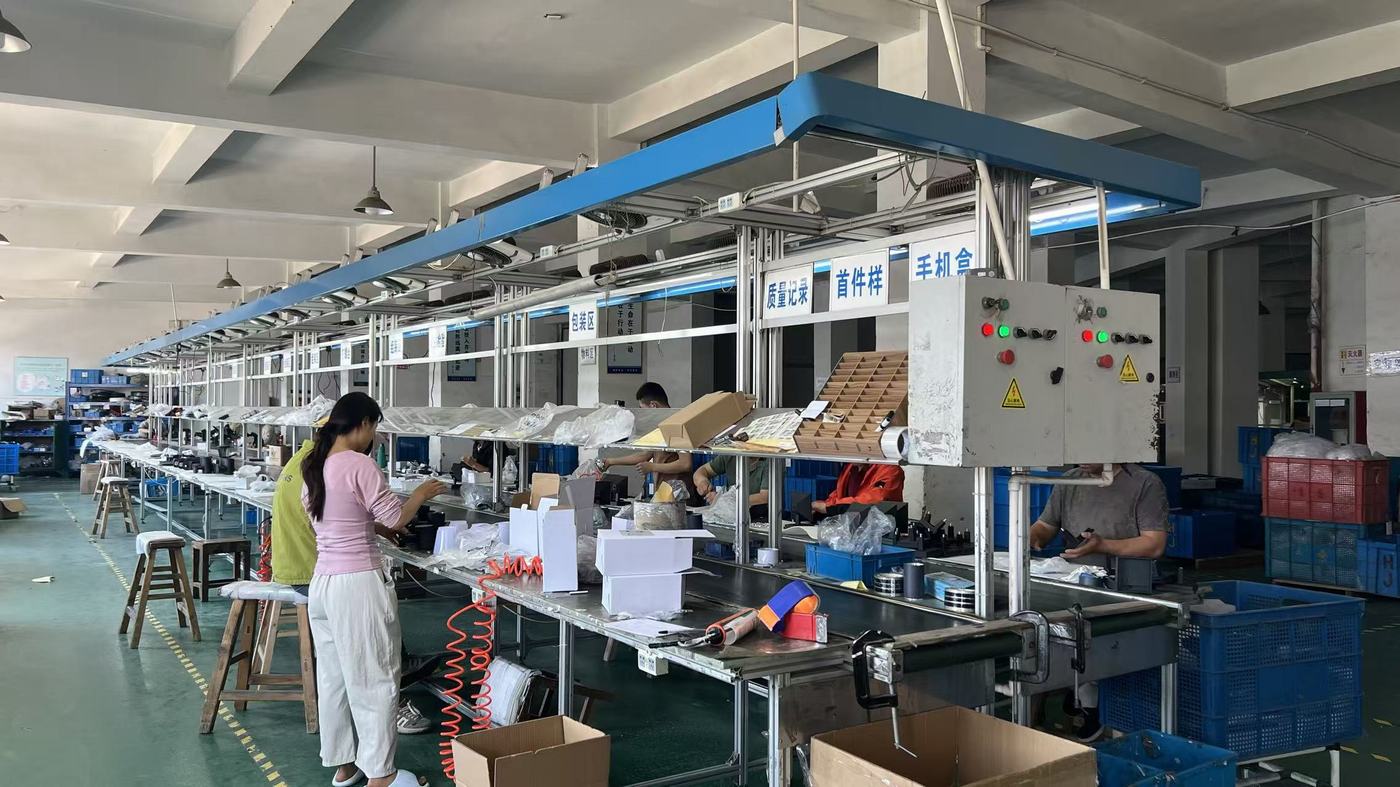
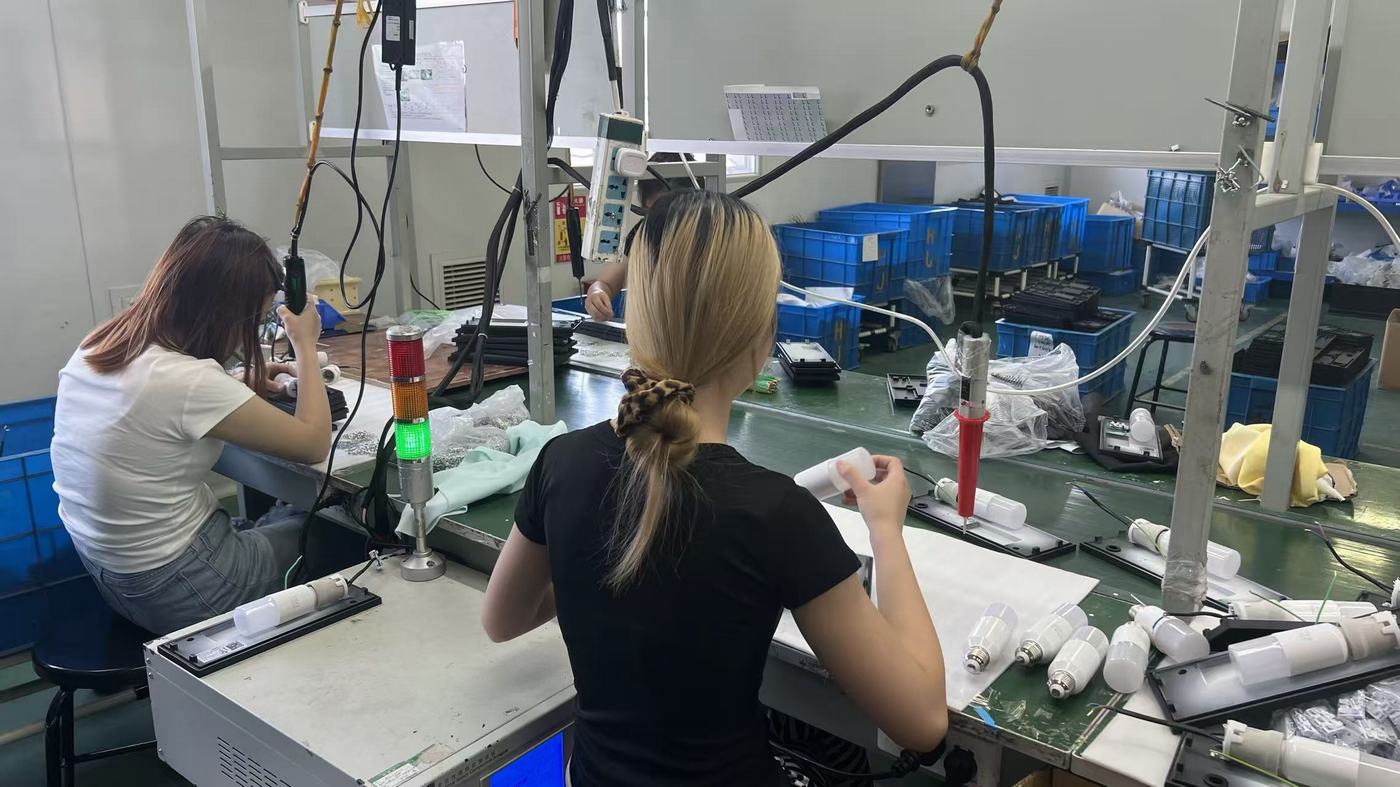
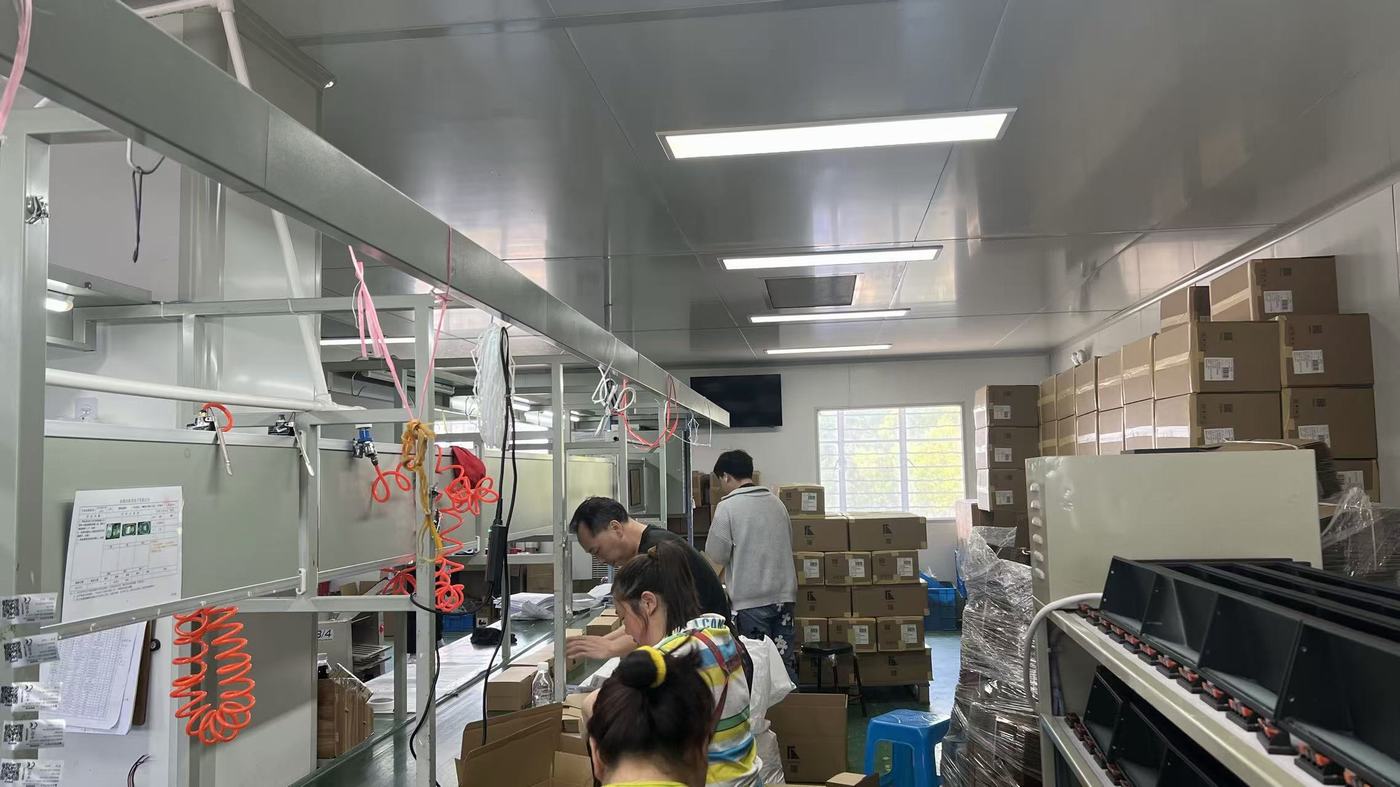
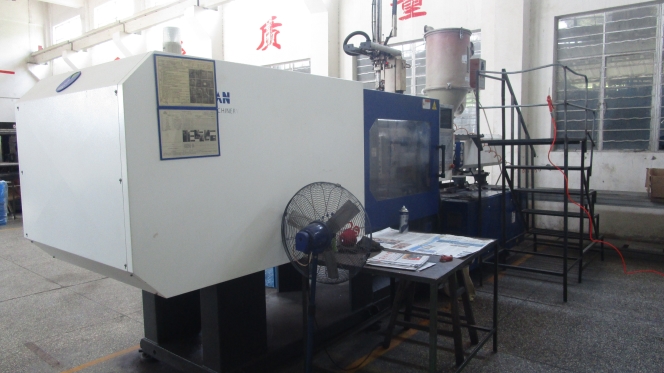
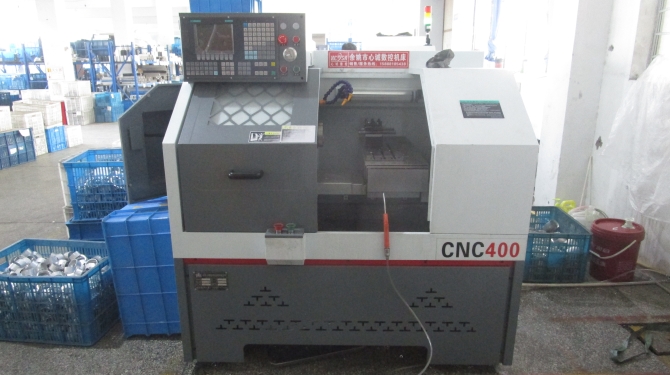
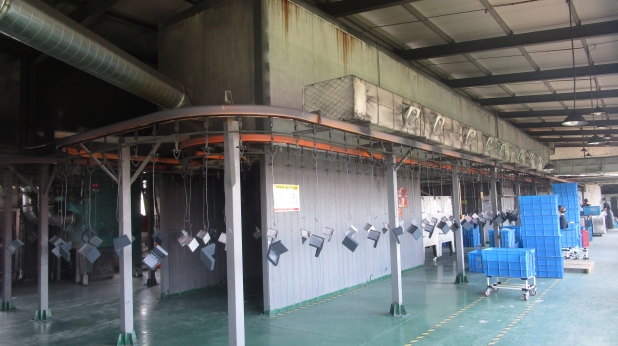
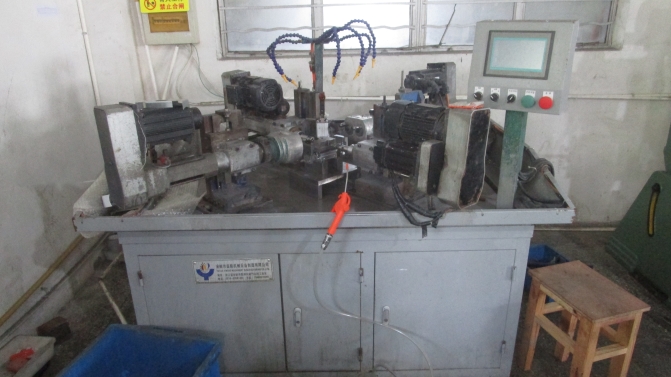
Operating from a modern production facility spanning more than 5,000 square meters, Dixon Lighting utilizes an experienced workforce of over 100 staff members. Supported by an advanced R&D department, an efficient technical sales group, and a rapid-response after-sales engineering team, we provide comprehensive project support from conceptual CAD design and rapid prototyping to certification, container logistics, and post-installation technical assistance.
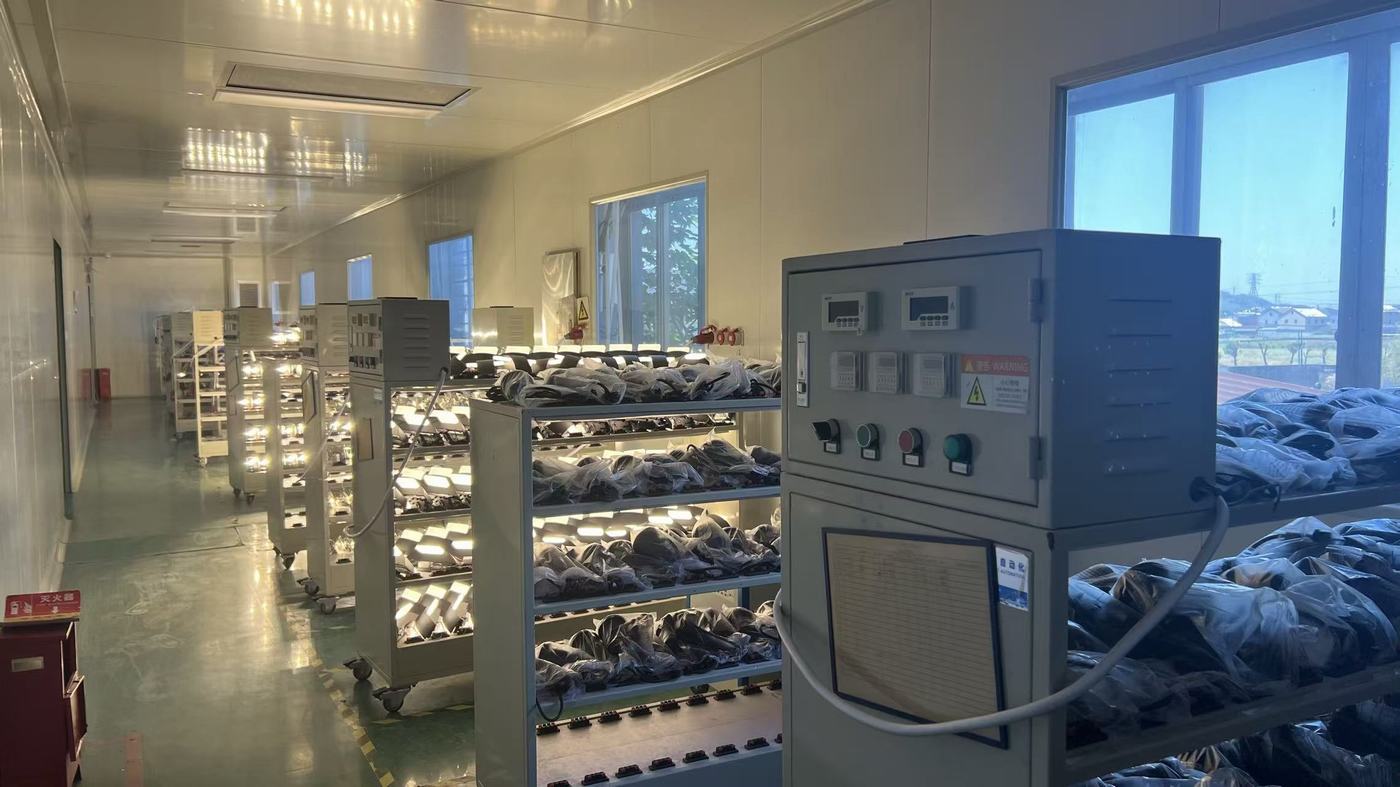
To ensure consistent product quality, Dixon Lighting has implemented an advanced Enterprise Resource Planning (ERP) system and strictly adheres to ISO quality control methodologies. Our complete range of solar and architectural luminaires is certified by premier international laboratories (including TUV and Intertek), obtaining CE, RoHS, and ETL marks. These certifications ensure our products comply fully with safety, environmental, and performance standards required in Australia and Oceania markets.
Whether you require standard OEM distribution models, complex ODM structural customizations, or bespoke architectural designs for Sydney municipal developments, Dixon Lighting commits to providing highly competitive pricing, engineered durability, and robust customer service pipelines.
Every solar fixture goes through rigorous industrial processing stages to ensure compliance with harsh outdoor environmental conditions.
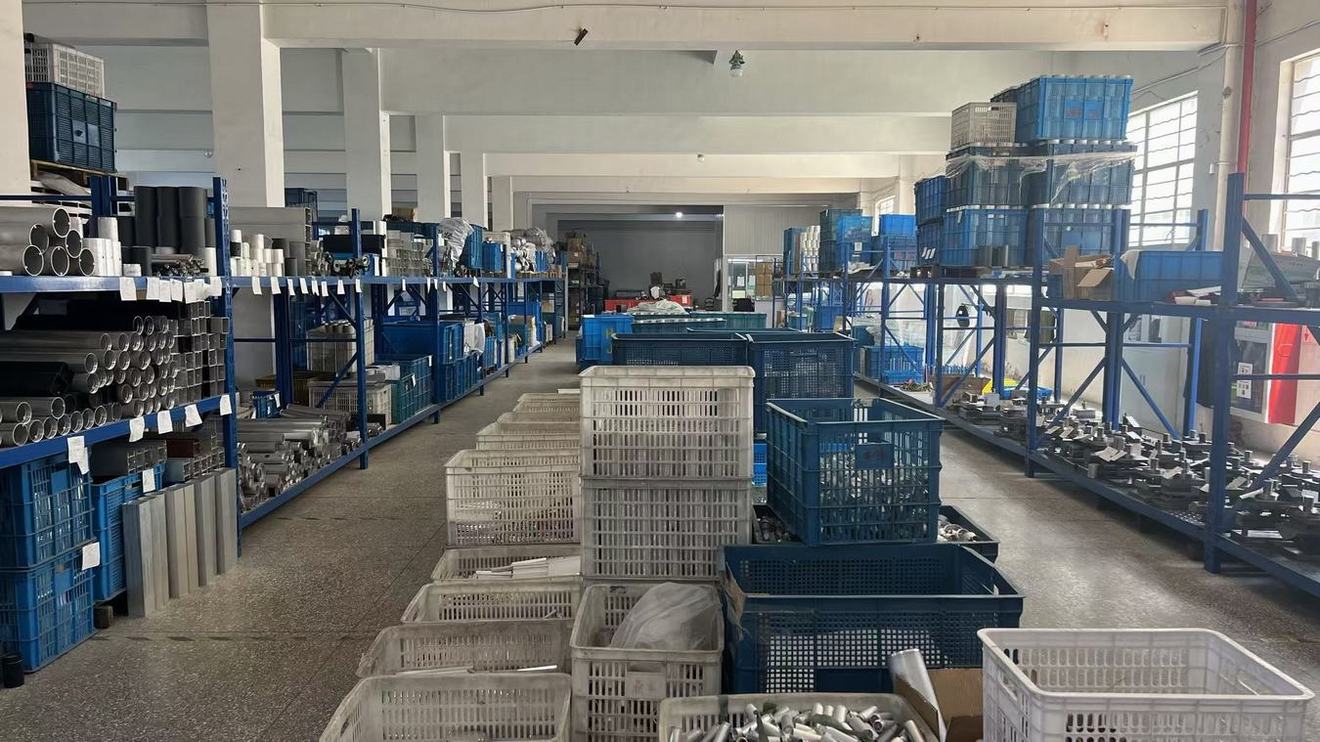
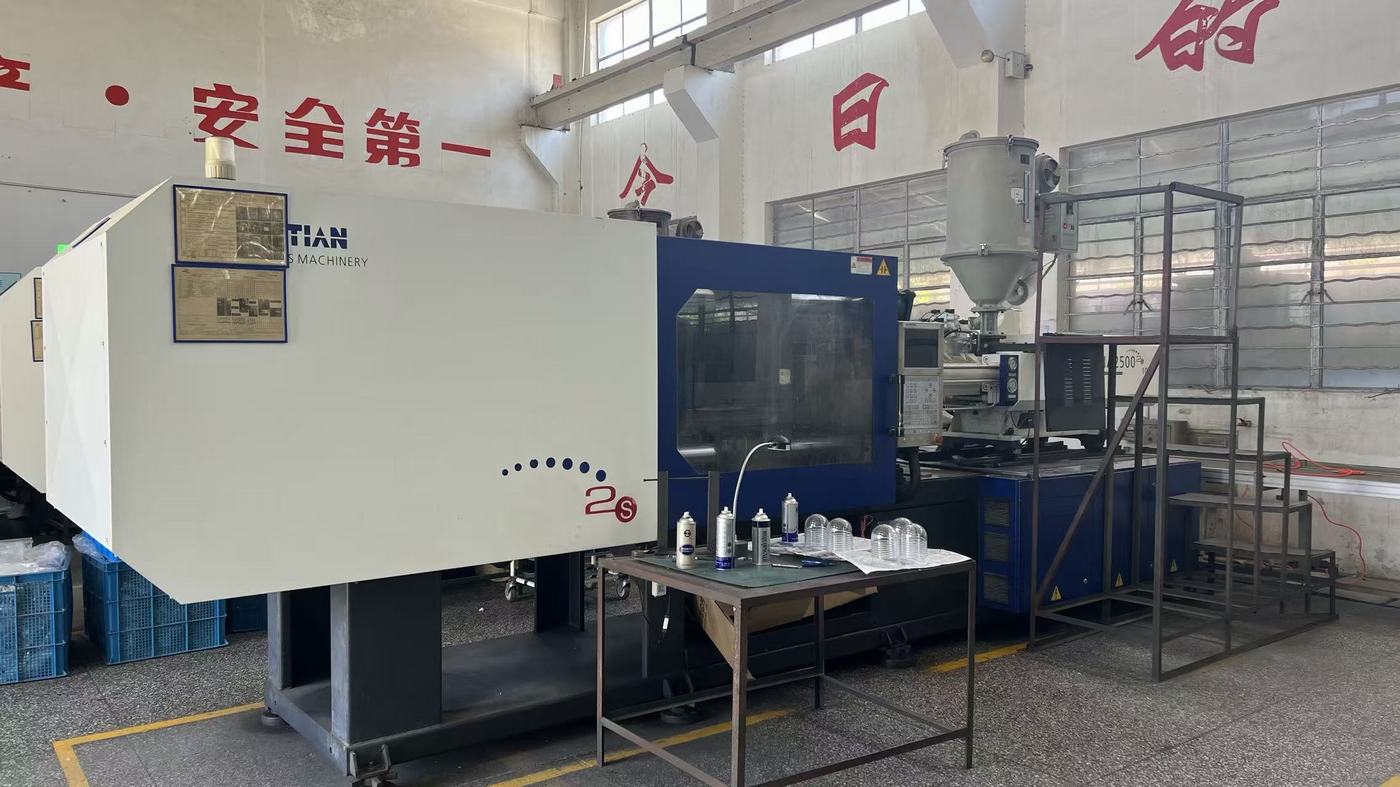
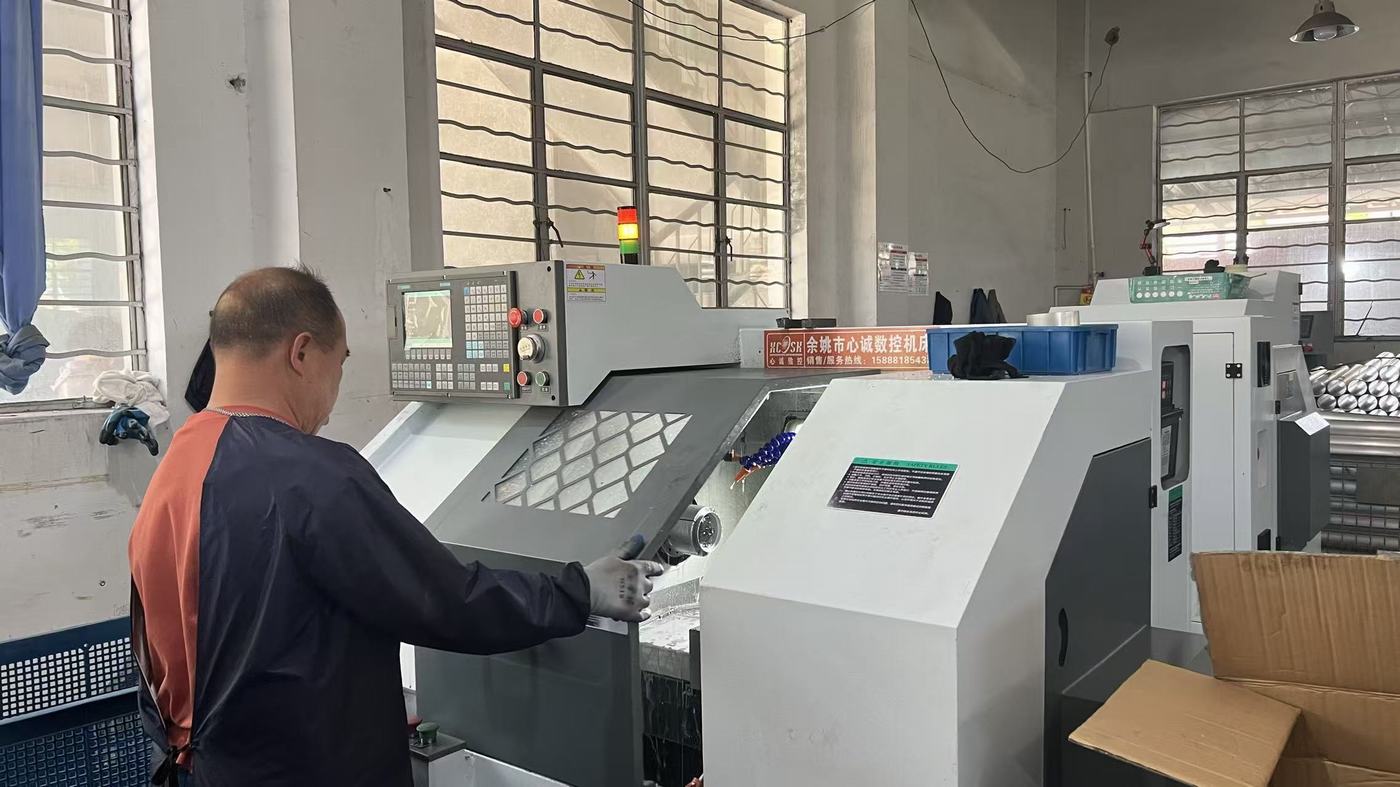
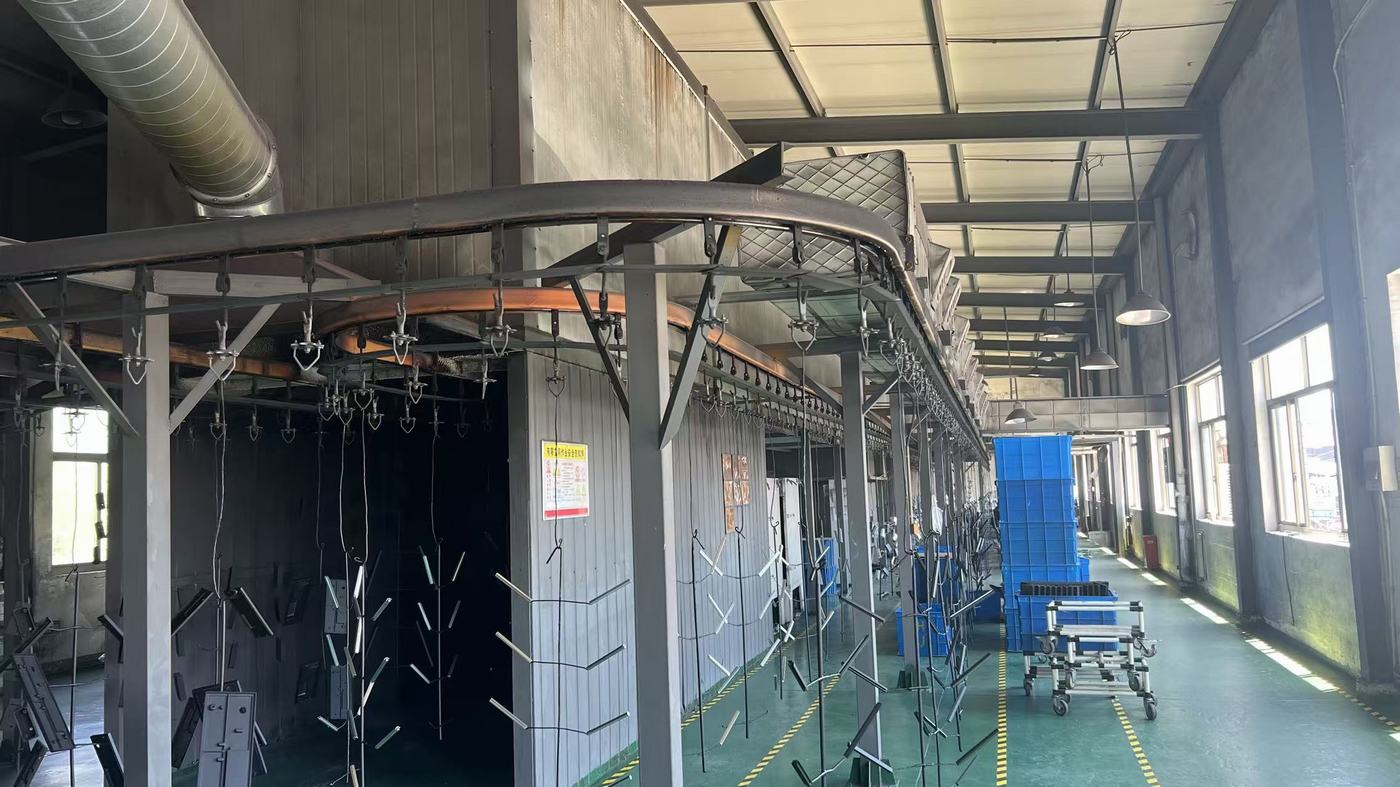
From historic urban heritage terraces to sprawling coastal properties, our solar luminaires integrate seamlessly.
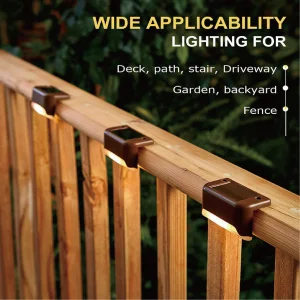
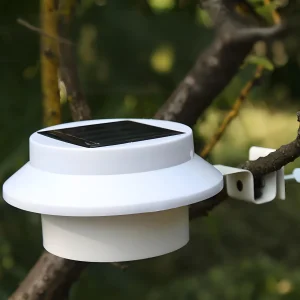
In historical suburbs where drilling into sandstone or masonry facades is strictly restricted by heritage conservation regulations, our drill-free and clip-on gutter fixtures provide a zero-impact installation. They ensure safety illumination along balcony pathways and structural perimeters without violating local council preservation planning controls.
Fitted with corrosion-resistant, marine-grade aluminum casings, these luminaires survive the continuous salt fog and moisture typical of Sydney Harbour properties. Specifying IP65 and IP67 waterproofing guarantees internal circuit longevity even during high-tide coastal gales.
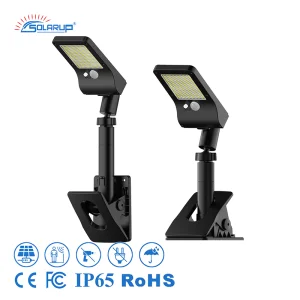
For industrial parks and commercial buildings seeking compliance with green star building certifications, our heavy-duty solar security wall lights act as zero-carbon emission solutions. The integration of high-sensitivity motion sensors ensures emergency-level light output when pedestrian activity is detected, maintaining compliance with public domain lighting requirements.
Select industrial lighting products designed for rapid installation, smart detection, and long-term operating durability.
In-depth technical answers for commercial developers, contractors, and retail partners operating in Oceania.
Ready to initiate a bulk order or request custom OEM prototyping?
Send Inquiry Now