Premium motion sensor fixtures configured for strict European building envelopes and environmental standards.
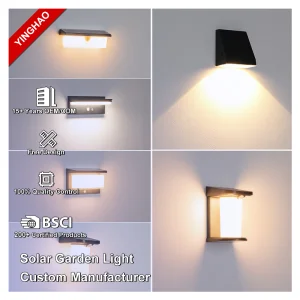

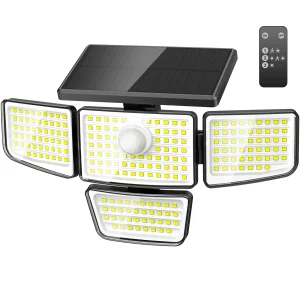
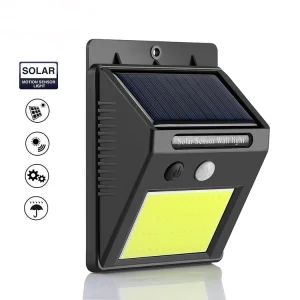
A comprehensive analysis of market forces, technical demands, and regulatory conditions shaping the German outdoor lighting sector.
Germany represents one of the most demanding and sophisticated markets globally for outdoor lighting. The national transition toward sustainable infrastructure—codified under the **Building Energy Act (Gebäudeenergiegesetz - GEG)**—places strict caps on energy consumption for commercial and residential buildings. Outdoor lighting systems are no longer treated as secondary considerations. Under modern guidelines, new construction projects must minimize energy overheads, driving developers toward smart, sensor-driven luminaires.
Furthermore, Germany’s local environment demands premium-grade physical resilience. Lighting fixtures installed in industrial corridors, northern ports like Hamburg, or alpine regions like Bavaria must withstand extreme weather variance—from salty coastal atmospheres to sub-zero temperatures and heavy winter snow. Consequently, the minimum industry threshold is migrating from basic weatherproofing to high-level **IP65/IP66 and IP68 ratings**, utilizing durable materials such as UV-stabilized ABS, polycarbonate, and corrosion-resistant anodized aluminum.
This European standard dictates the safety, visual comfort, and efficiency parameters for lighting in outdoor workplaces. It specifically highlights the necessity of localized control and glare reduction, establishing motion sensors as a core design principle for reducing nocturnal light pollution (Lichtverschmutzung) while maintaining occupational safety.
To capture maximum market value in Germany, manufacturers and exporters must understand distinct spatial installation contexts:
How cutting-edge sensor technology and solar harvesting are changing the outdoor lighting framework.
The industry is transitioning away from basic legacy PIR (Passive Infrared) sensors toward more sophisticated, multi-sensor systems. For exporters looking to distribute to high-value German buyers, maintaining a technological roadmap is critical:
| Technology Dimension | Legacy Standards | Next-Gen Integration (Dixon R&D) | Market Advantage in Germany |
|---|---|---|---|
| Sensor Type | Standard PIR (Single zone) | Dual PIR & Microwave Radar Fusion | Reduces false triggers caused by high wind, rain, or falling leaves. |
| Solar Harvesting | Polycrystalline panels | Monocrystalline Silicon (22%+ Efficiency) | Ensures battery recharge during overcast winters in Northern Europe. |
| Connectivity | Standalone offline units | Tuya/App Control, Mesh Integration | Enables smart municipal planning and remote configuration. |
| Battery Chemistry | Ni-Cd / Lead Acid | High-Capacity LiFePO4 cells | Provides longer life cycles (>2000 cycles) and thermal stability down to -20°C. |
In addition to hardware, environmental impact is receiving significant scrutiny. Germany's Federal Nature Conservation Act specifies rules to combat insect mortality and night sky disruption. High-end motion sensor outdoor lights from Dixon resolve this by integrating dimming logic: maintaining a soft 10% standby glow during inactive hours, and immediately climbing to 100% intensity upon detecting active foot or vehicular traffic.
Combining German engineering standards with China's manufacturing precision and supply chain resilience.
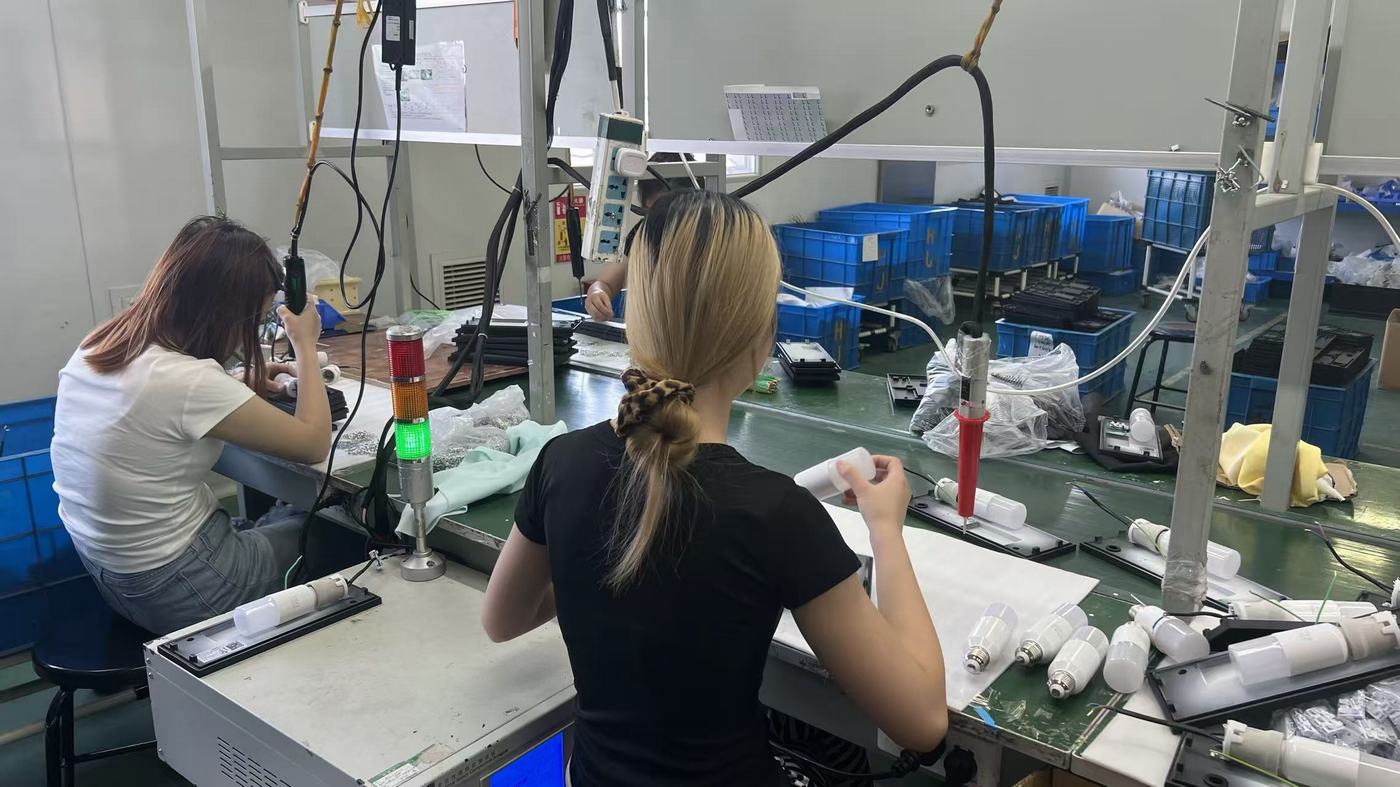
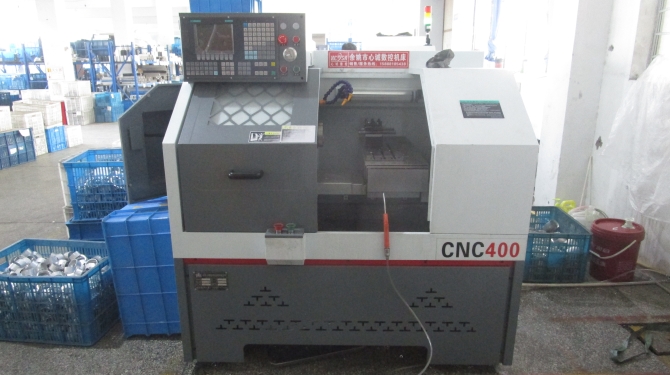
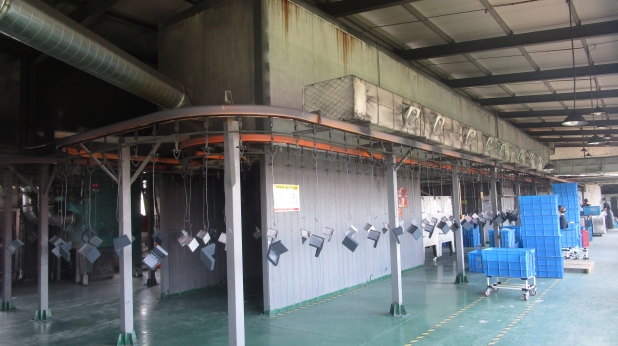
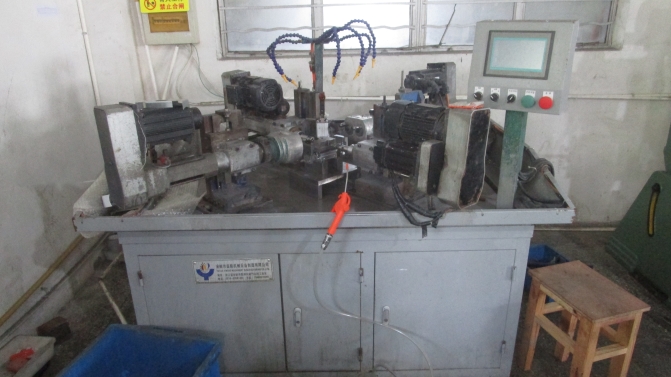
Jiangmen Dixon Lighting Co., Ltd. has been specializing in the outdoor lighting industry since 2007, accumulating over 15 years of experience serving customers across North America, Europe, Australia, and other international markets. We are dedicated to designing, manufacturing, and supplying innovative, energy-efficient, and reliable outdoor lighting solutions for residential, commercial, and landscape applications.
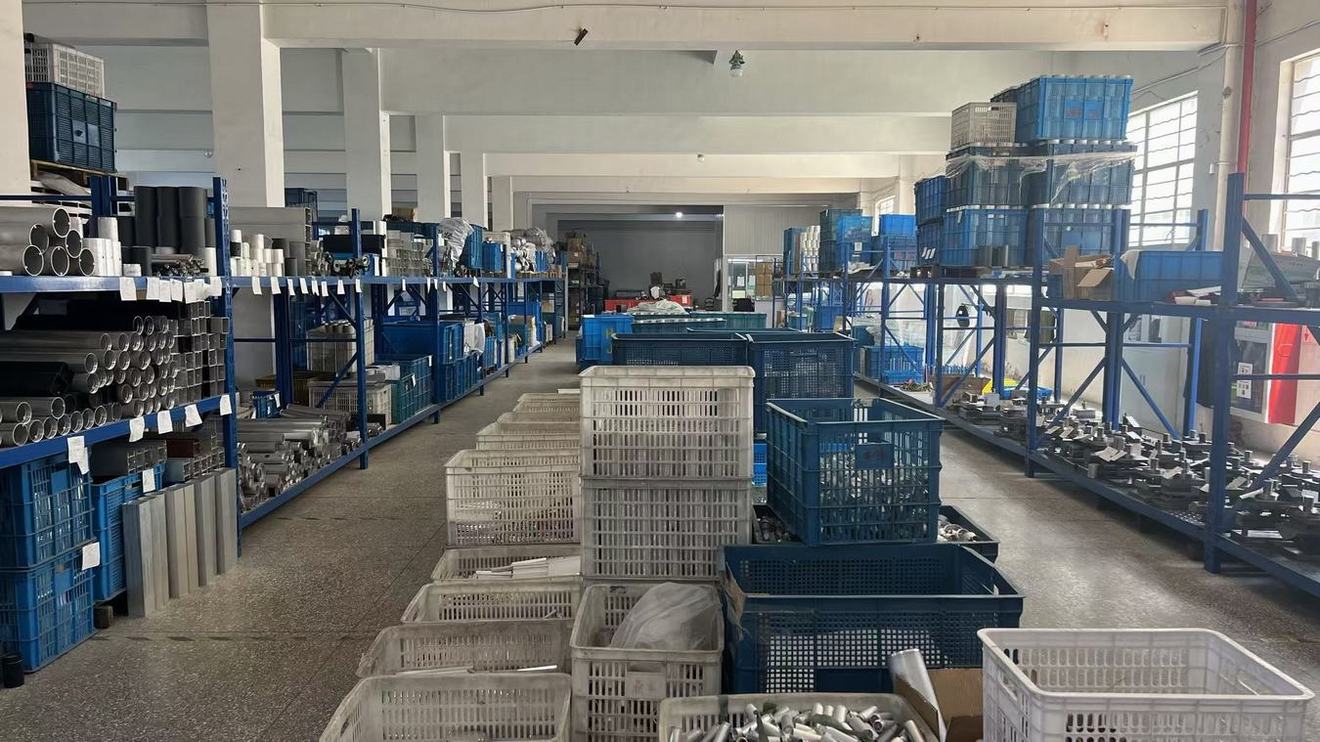
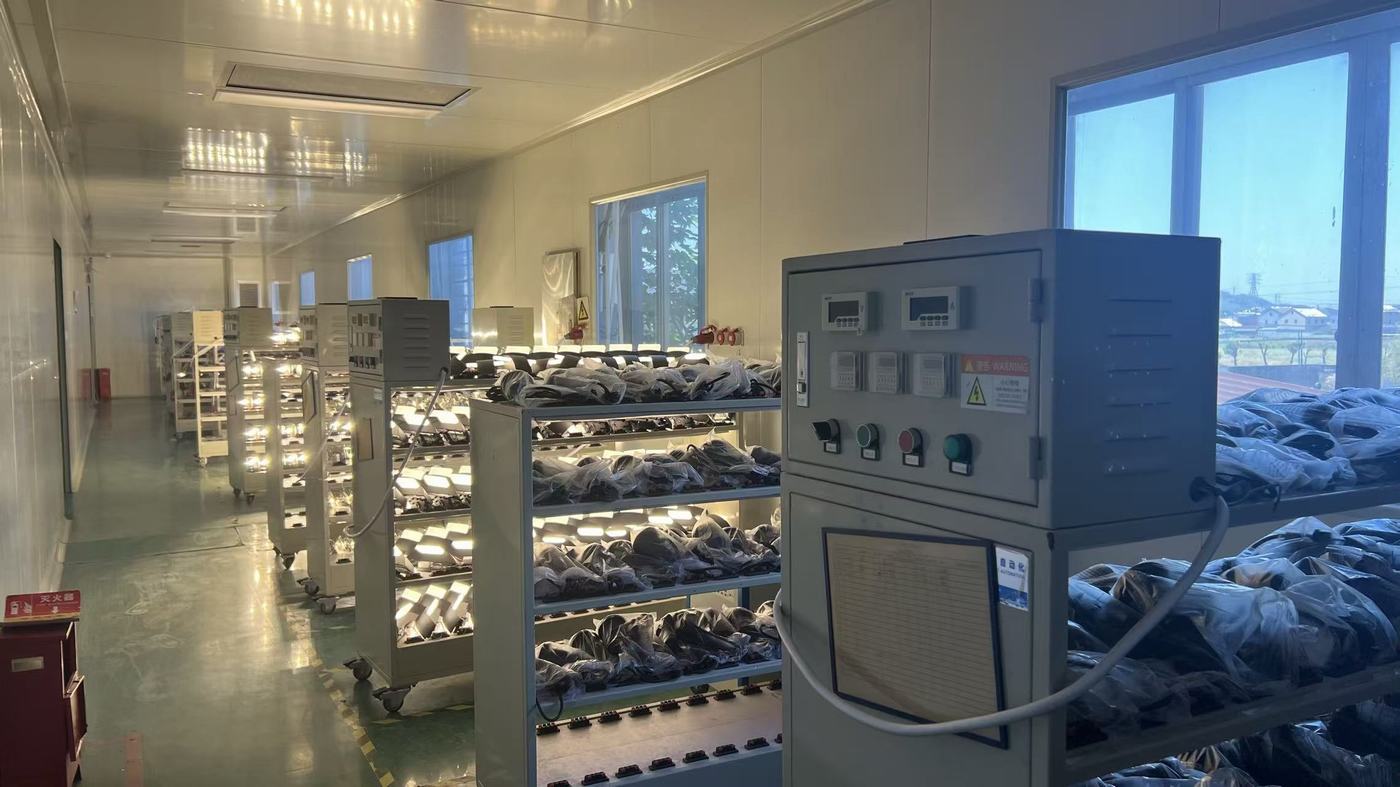
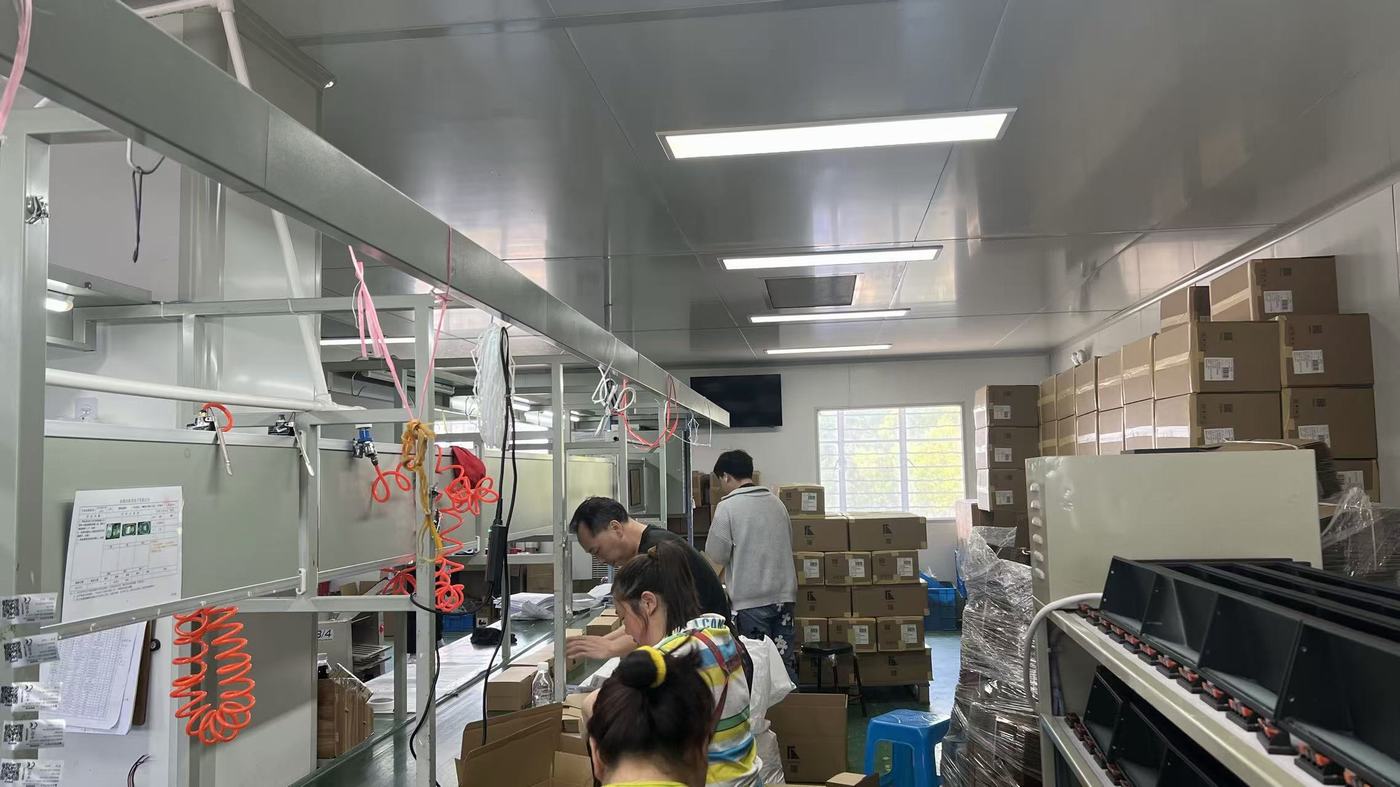
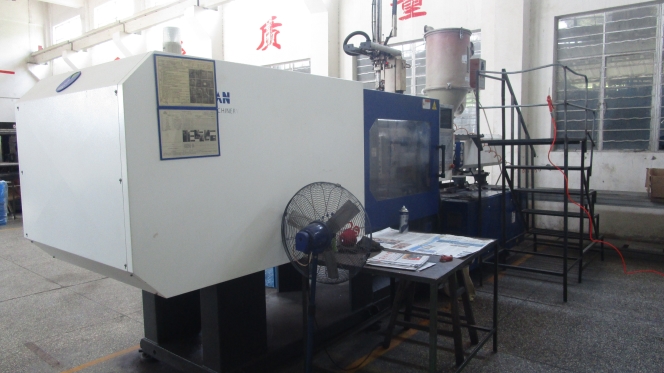
Operating from a modern production facility covering more than 5,000 square meters and employing over 100 experienced staff members, we are supported by a professional R&D team, an efficient sales team, and a responsive after-sales service department. We are able to provide comprehensive support throughout every stage of a project, from product development and customization to delivery and technical assistance.
To ensure consistent product quality and efficient production management, Dixon Lighting has implemented an advanced ERP management system and follows strict ISO quality control standards. Our products have obtained internationally recognized certifications, including CE, RoHS, and ETL, issued by leading testing organizations such as TUV and Intertek. These certifications demonstrate our commitment to safety, quality, and compliance with global market requirements.
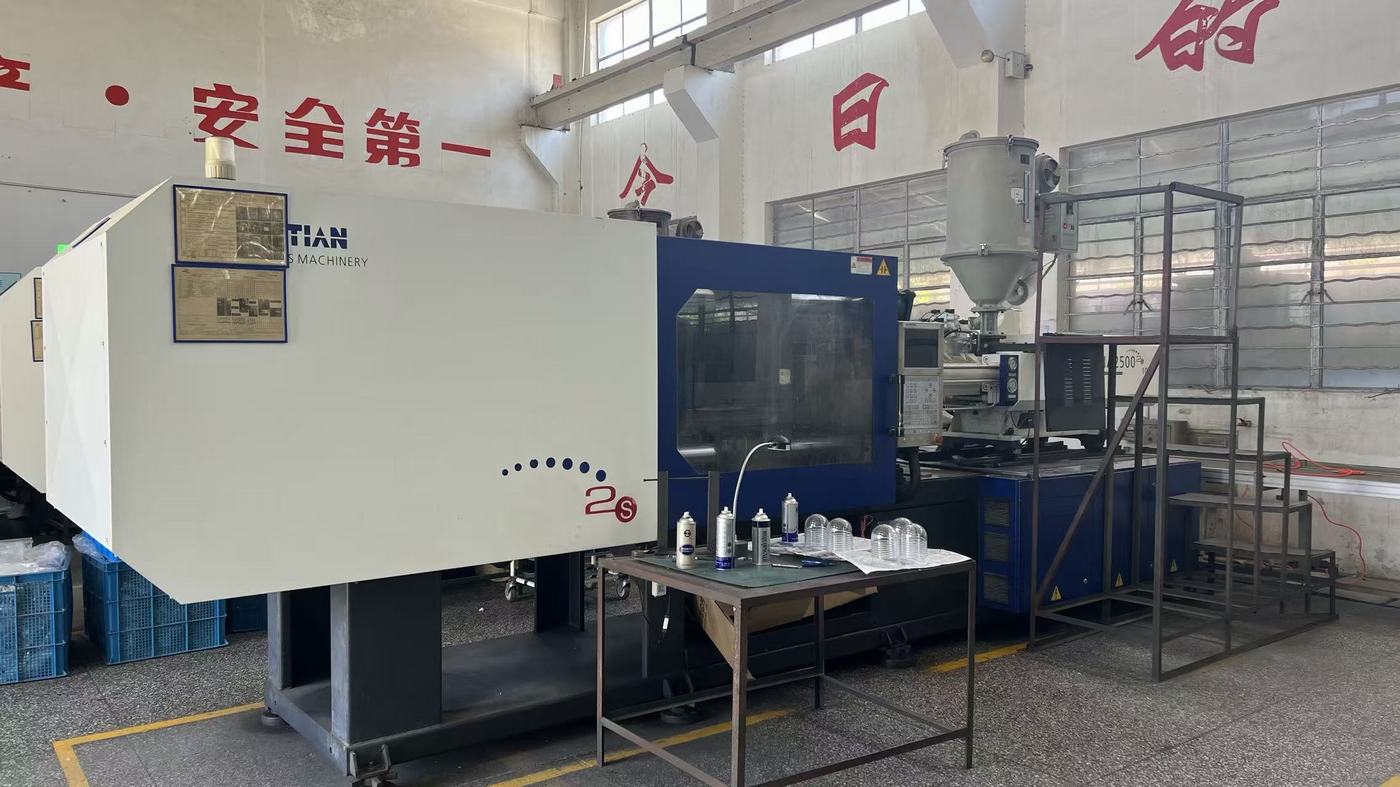
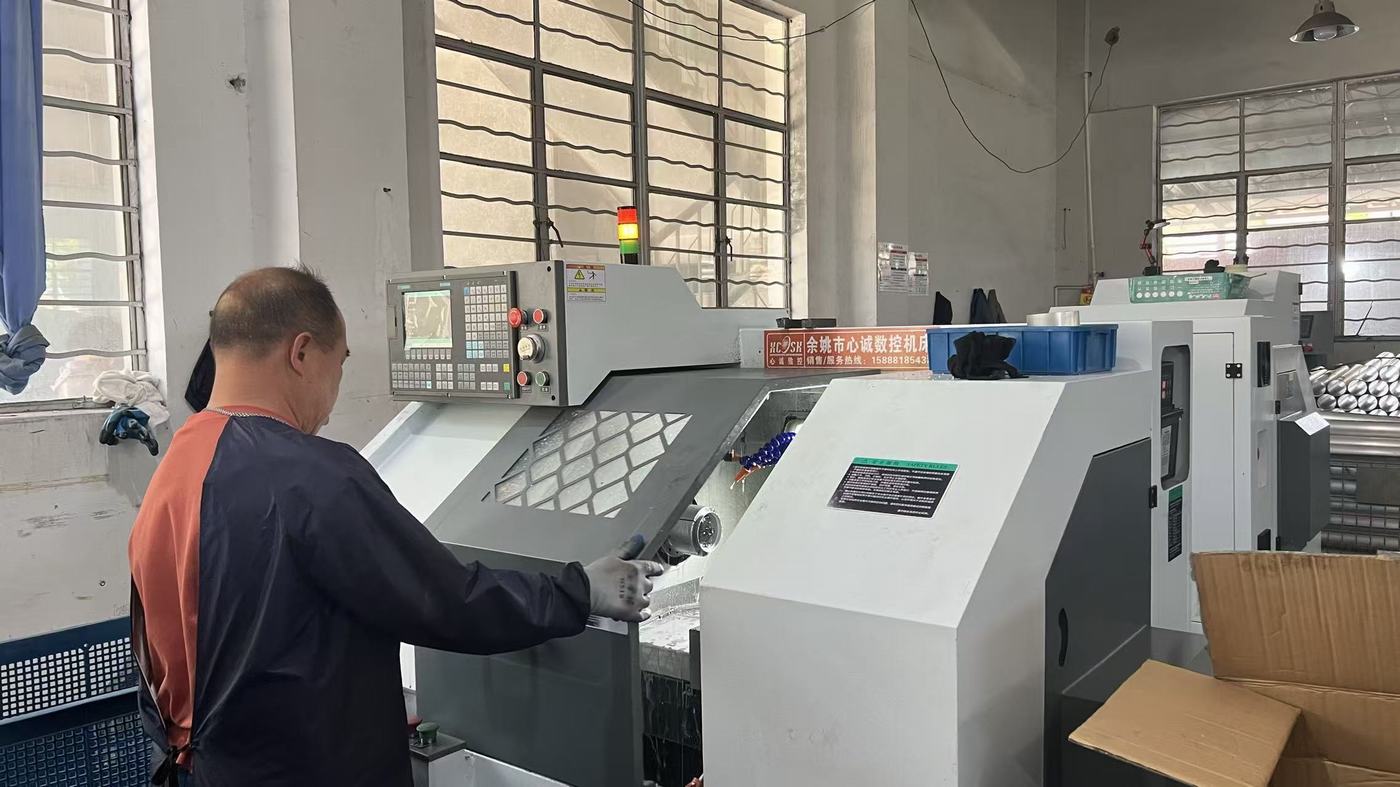
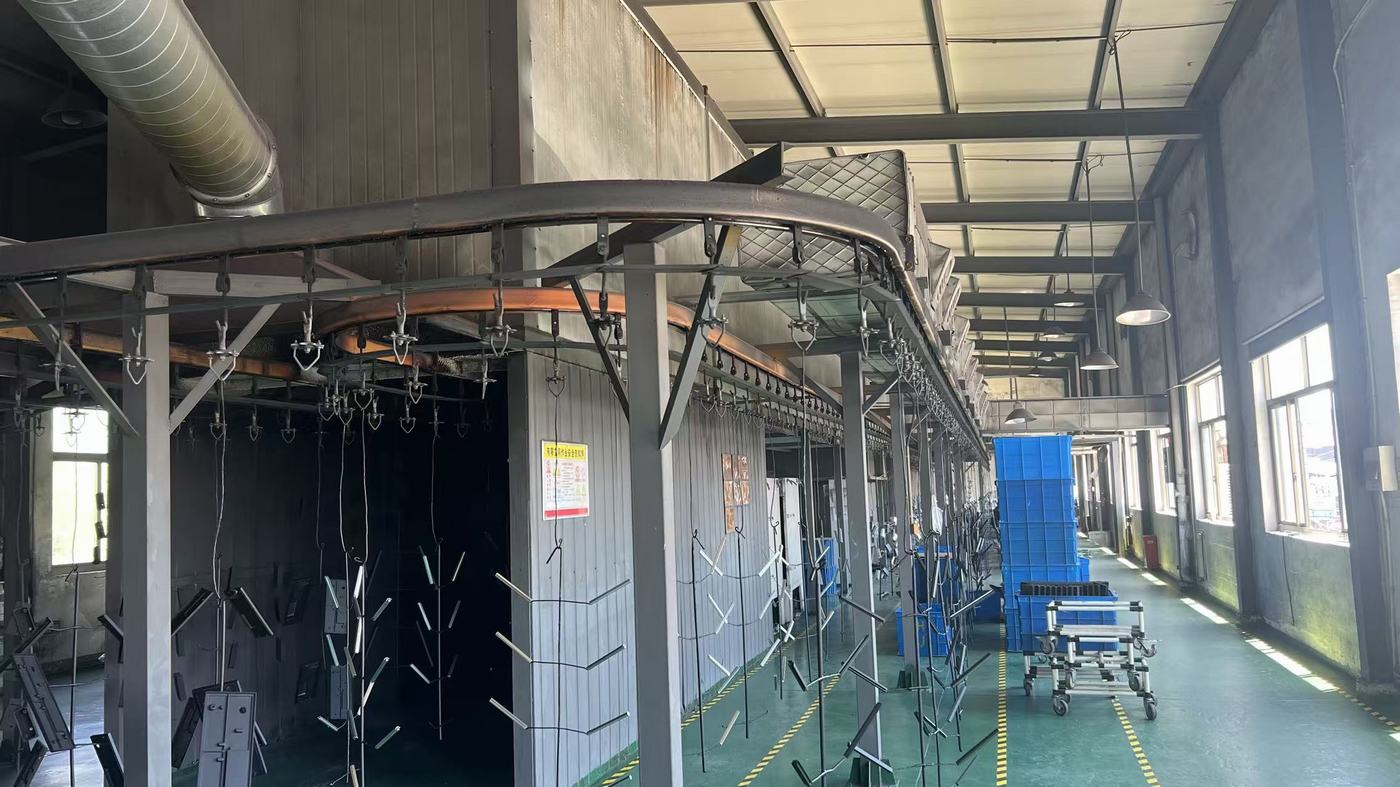
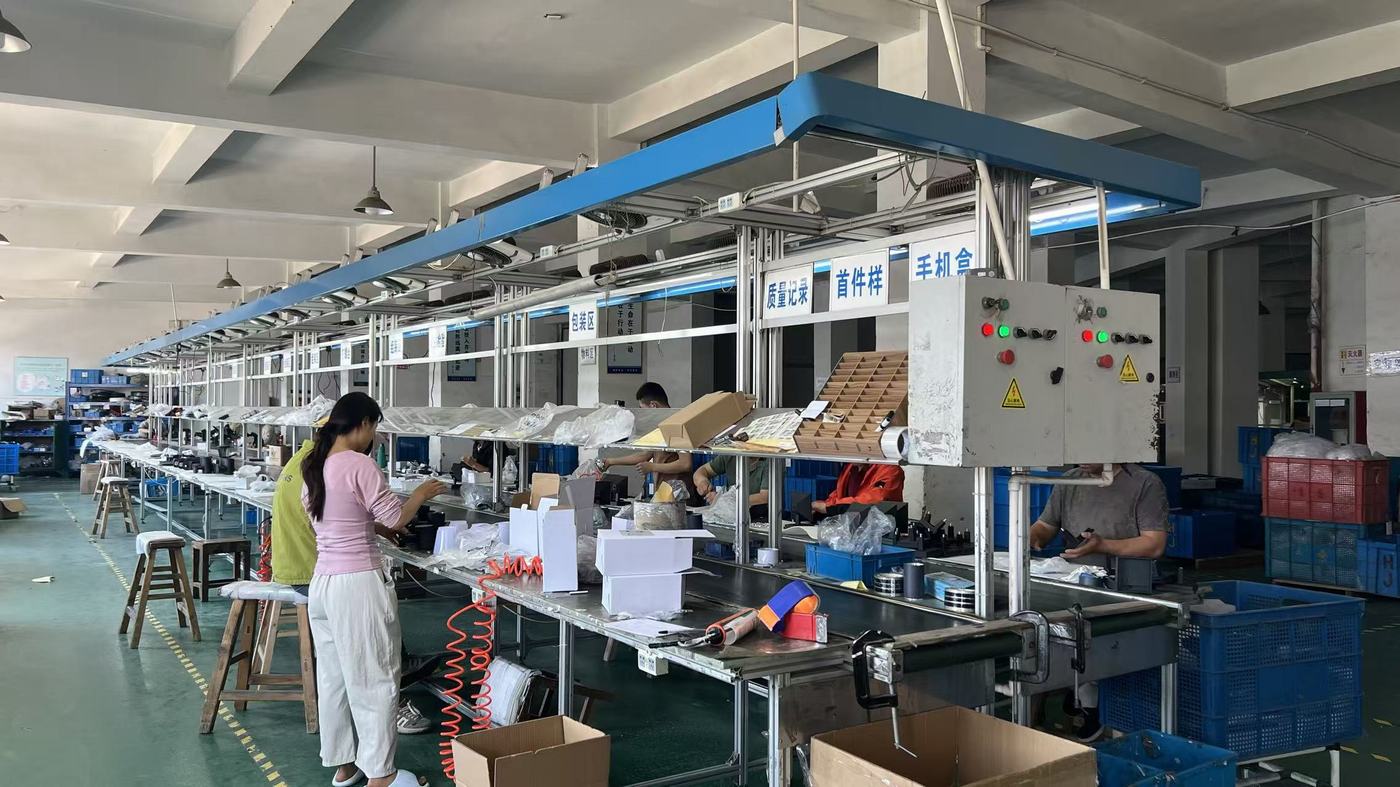
Eliminating friction for European and global importers through robust certifications.
For lighting distributors in Germany, non-compliance represents a major operational risk. The introduction of products that fail to meet strict electromagnetic compatibility (EMC) or low voltage directives can result in severe financial penalties and product recalls under the **ProdSG (Product Safety Act)**.
Jiangmen Dixon Lighting Co., Ltd. mitigates this risk by ensuring that all components and final designs undergo rigorous third-party audits. Our alignment with **TUV Rheinland** and **Intertek** ensures that products imported into Germany seamlessly pass customs checks and meet the CE, RoHS, and WEEE requirements. By maintaining a highly traceable supply chain—managed via ERP software—we can provide localized partners with full test reports and certificates of conformity on demand.
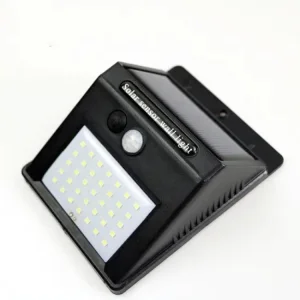
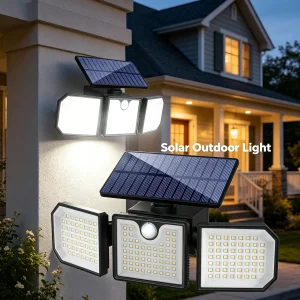
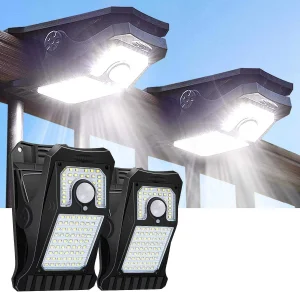
Select from our core catalog, carrying proven track records in residential, commercial, and landscape integrations.
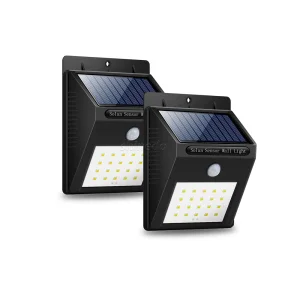
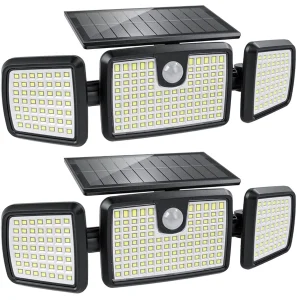
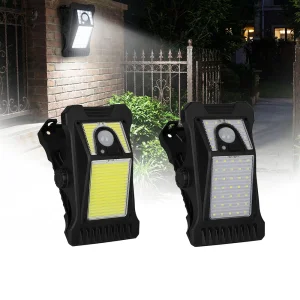
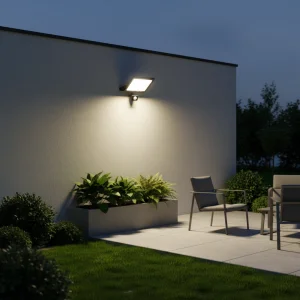
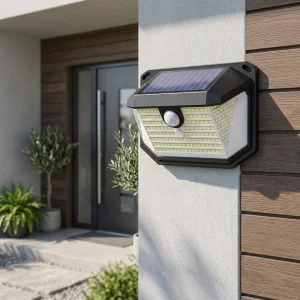
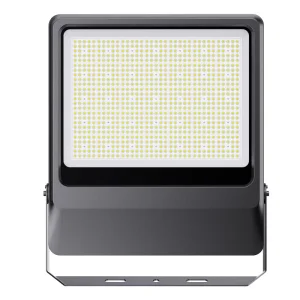
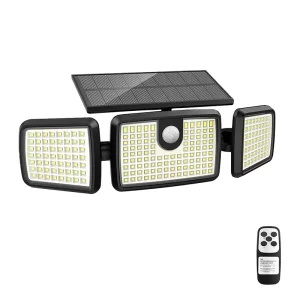
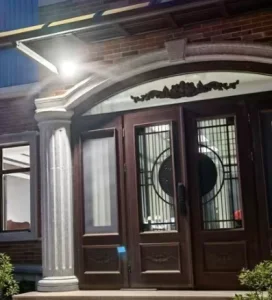
Preserving our full collection of safety and ambient security options.
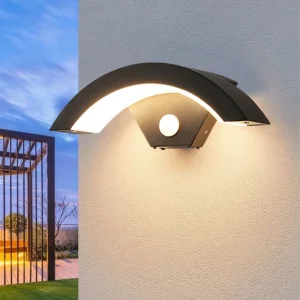
Direct technical answers from Dixon’s Engineering Team for project managers, importers, and distributors.
