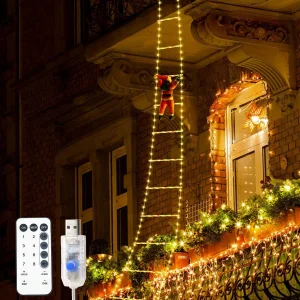
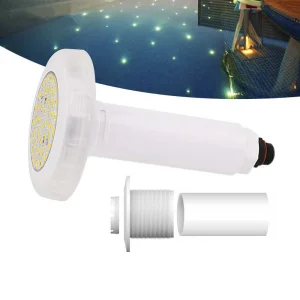
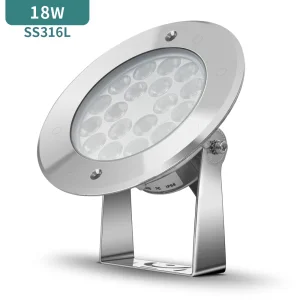
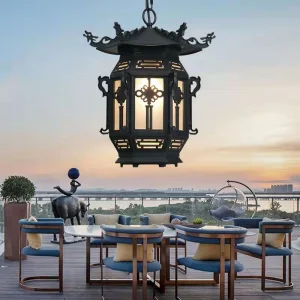
Explore our top-tier catalog of highly efficient, durable, and IP-rated architectural solutions
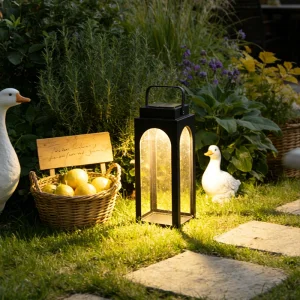
The global lighting industry has experienced a paradigm shift, transitioning from simple illumination to highly integrated, intelligent architectural elements. The market for decorative string lighting—collectively categorized under fairy lights—is no longer limited to seasonal holiday decorations. Today, commercial hospitality, urban landscaping, architectural retrofitting, and high-end residential real estate drive sustained year-round demand.
For international procurement managers, sourcing high-efficiency, durable decorative lights from reliable Chinese manufacturers requires navigating a complex matrix of technological offerings, safety compliance frameworks, and supply chain logistics. This industry white paper analyzes key trends shaping the fairy lights sector, provides actionable insights for global enterprise procurement, and showcases the advanced manufacturing processes of Jiangmen Dixon Lighting Co., Ltd., a veteran industry leader established in 2007.
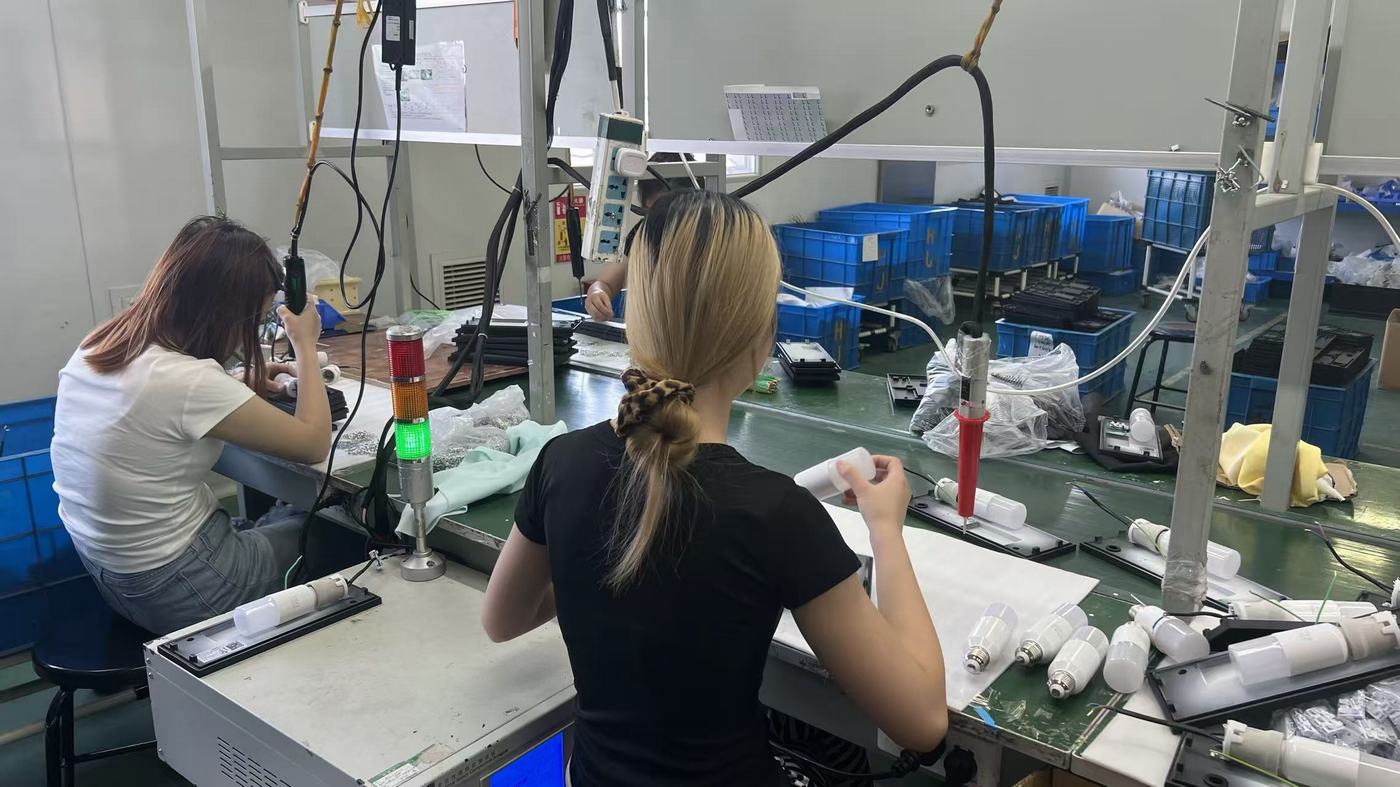
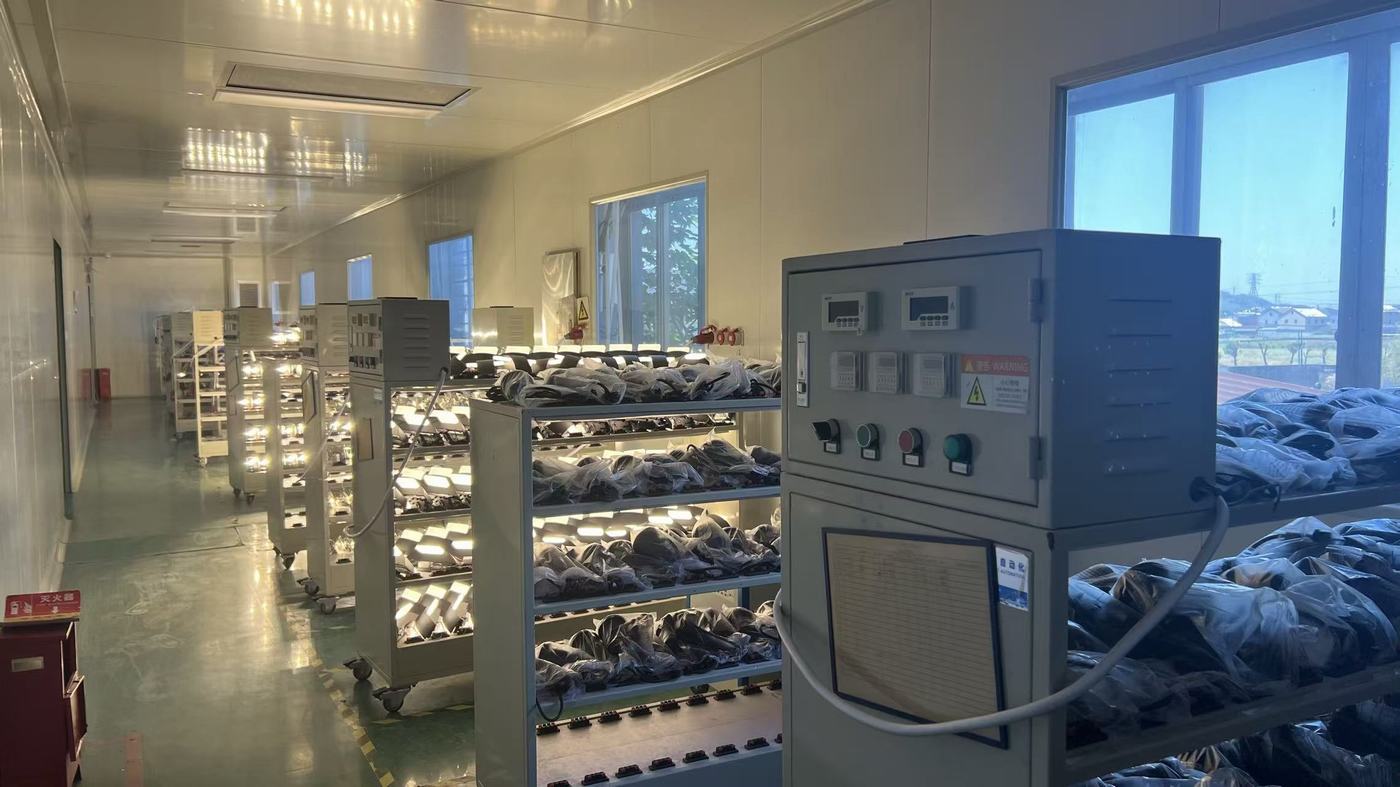
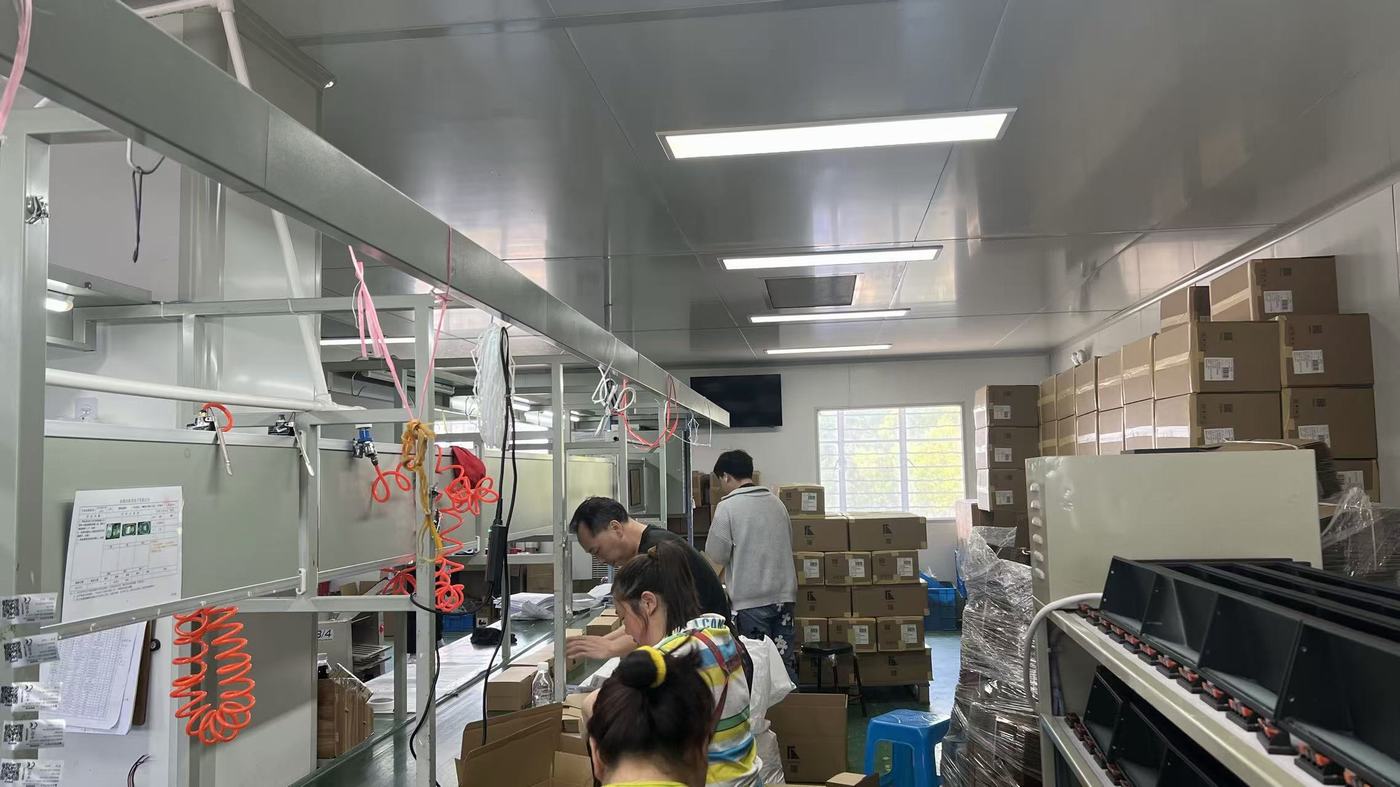
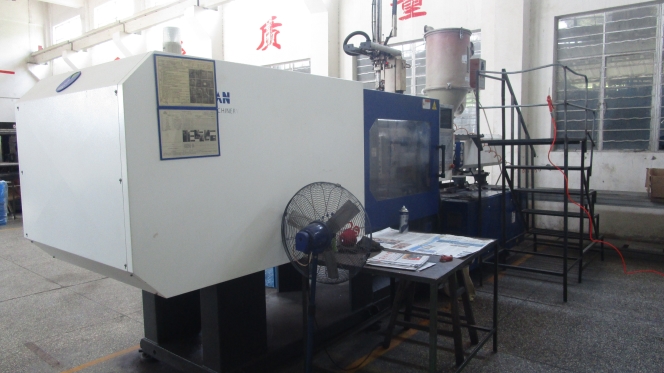
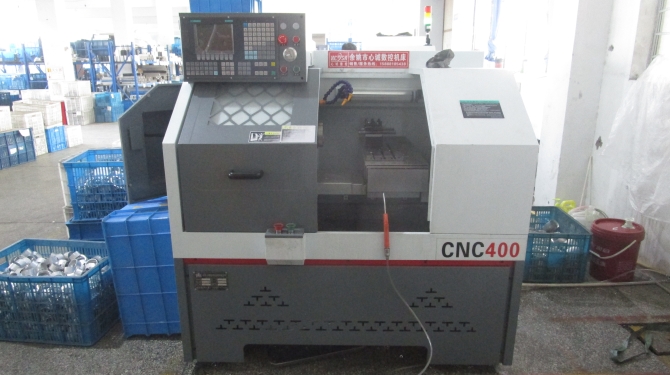
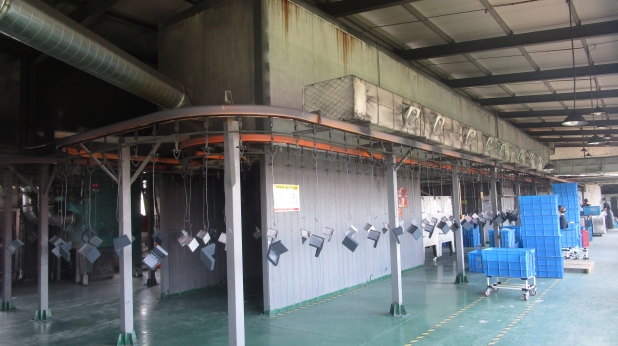
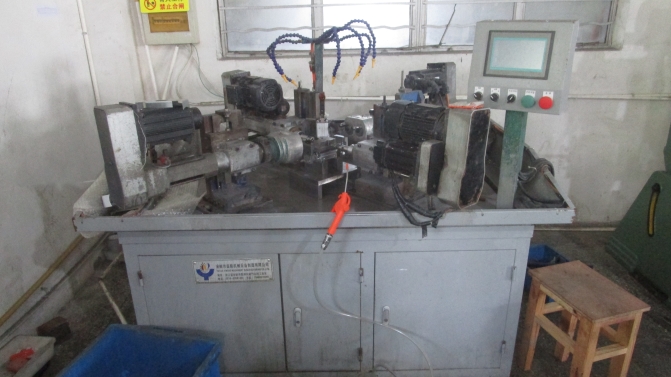
As a professional manufacturer operating from a modern production facility in Jiangmen, China, Dixon Lighting has optimized every manufacturing stage. With an integrated ERP management system and ISO-compliant quality controls, the company addresses the rigorous expectations of markets in North America, Europe, and Australia.
Understanding the technological shifts that determine competitiveness and regulatory alignment
Modern commercial developments require lighting infrastructure that integrates seamlessly with smart home automation ecosystems and building management systems (BMS). Decorative fairy lights are evolving to include Bluetooth Mesh, Zigbee, and Wi-Fi modules, allowing users to control schedules, brightness, and RGB color dynamics via mobile applications or central control consoles.
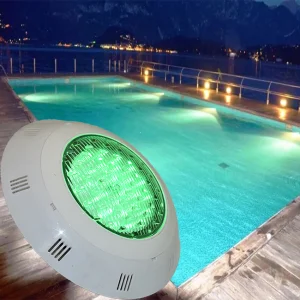
Traditional decorative lights were fragile. Modern standards demand IP65 to IP68 waterproof ratings for continuous outdoor operation. Submersible design elements (such as those used in high-grade pool and landscape ground lights) are being applied to heavy-duty architectural string systems, using anti-UV jackets and corrosion-resistant wire alloys.
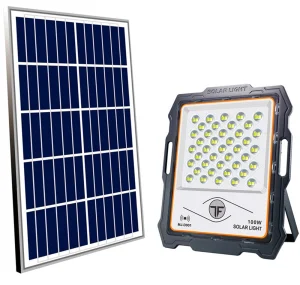
With environmental, social, and governance (ESG) compliance driving corporate decisions, solar-powered decorative lighting has become standard. Manufacturers are integrating monocrystalline silicon solar cells with elevated conversion rates (over 22%) and smart photo-sensors that automate dusk-to-dawn energy conservation.
Over 15 Years of Precision Manufacturing and OEM/ODM Excellence
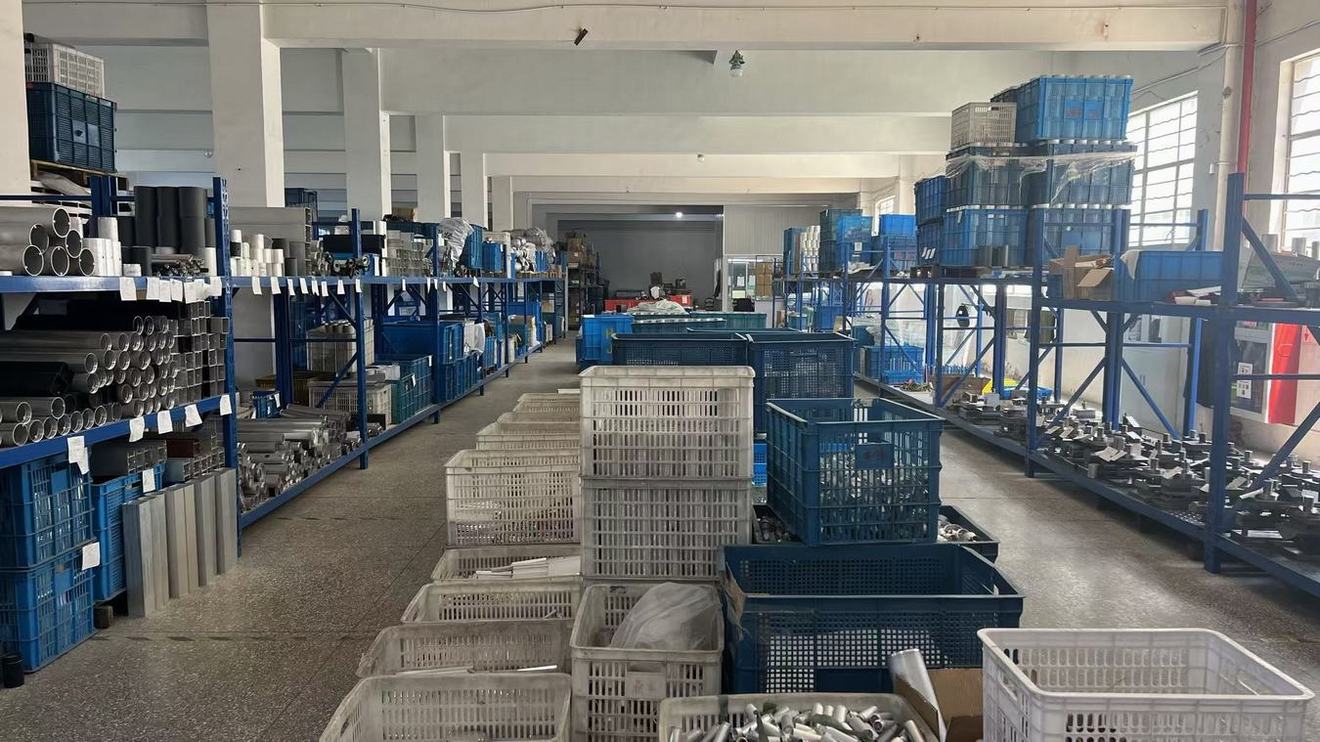
Since its founding in 2007, Jiangmen Dixon Lighting Co., Ltd. has established itself as an innovative, safety-focused, and quality-driven outdoor lighting manufacturer. Spanning a modern production footprint of more than 5,000 square meters, the facility combines advanced engineering equipment with over 100 skilled production technicians, R&D engineers, and QA/QC inspectors.
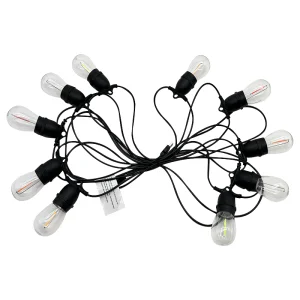
By leveraging an advanced Enterprise Resource Planning (ERP) platform, Dixon Lighting maintains precise control over its entire supply chain, material costs, and delivery timelines. The company’s diverse catalog includes security flood lights, motion sensor systems, up-and-down architectural wall pack lights, garden path fixtures, low-voltage solar landscape systems, and heavy-duty decorative festoon and string lighting. Their commitment to safety and engineering integrity is validated by certifications from leading certification bodies like TUV and Intertek, with compliance standards including CE, RoHS, and ETL.
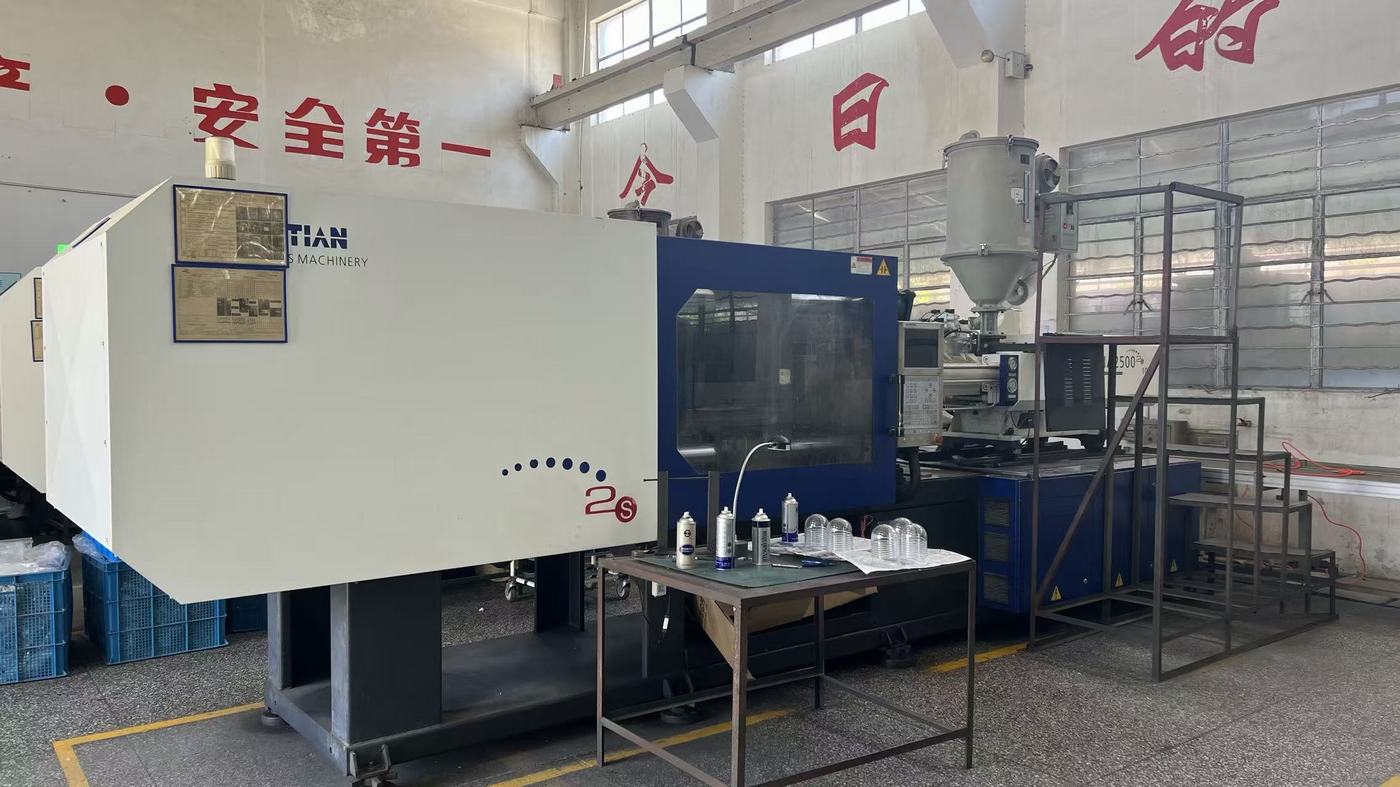
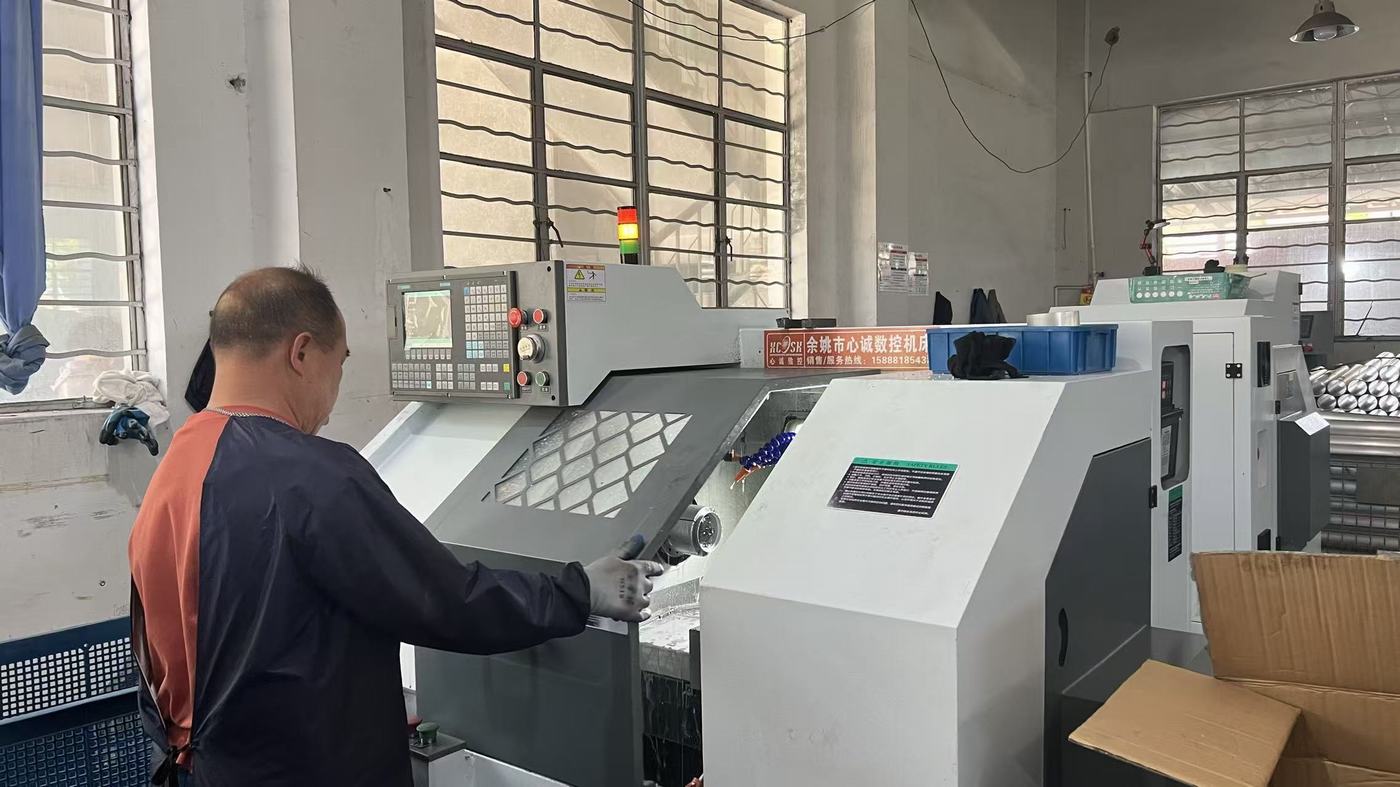
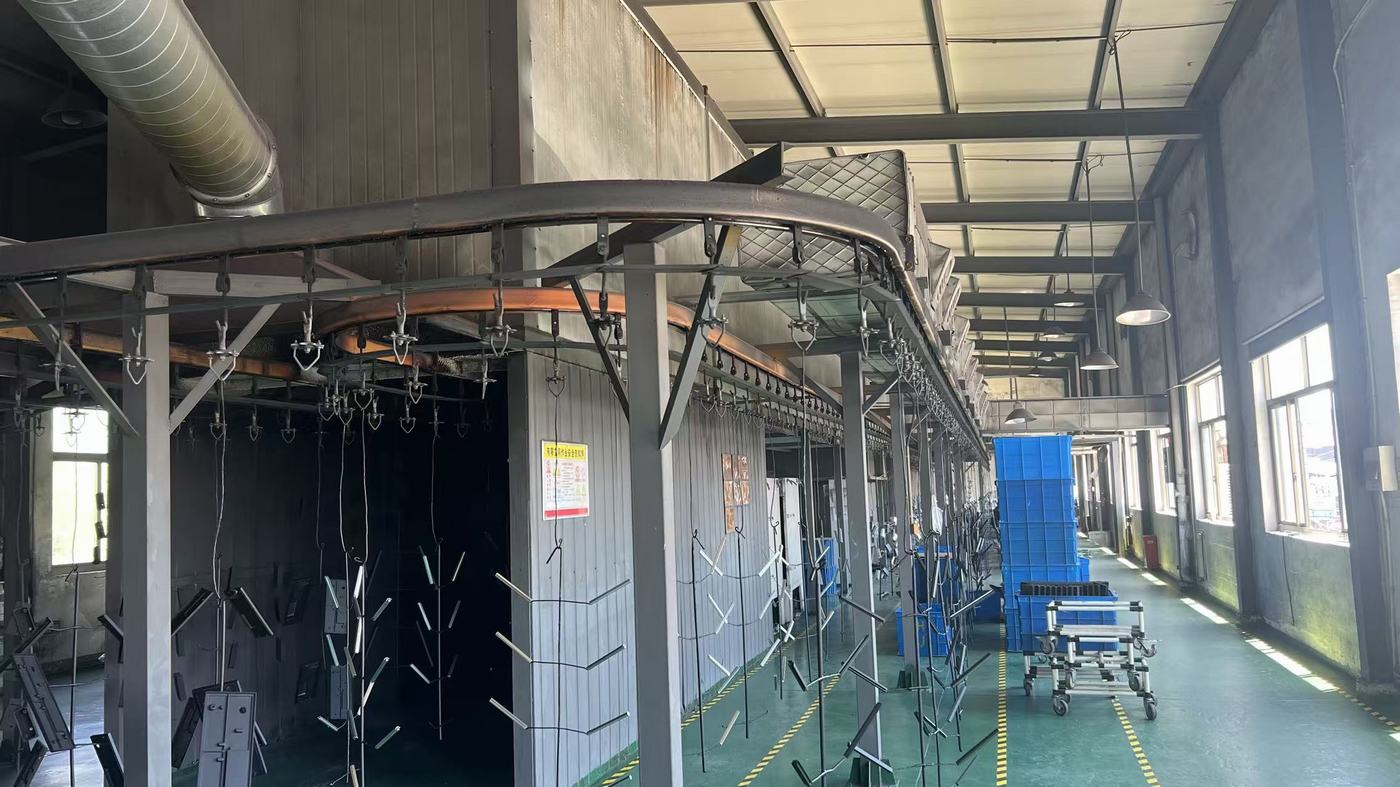
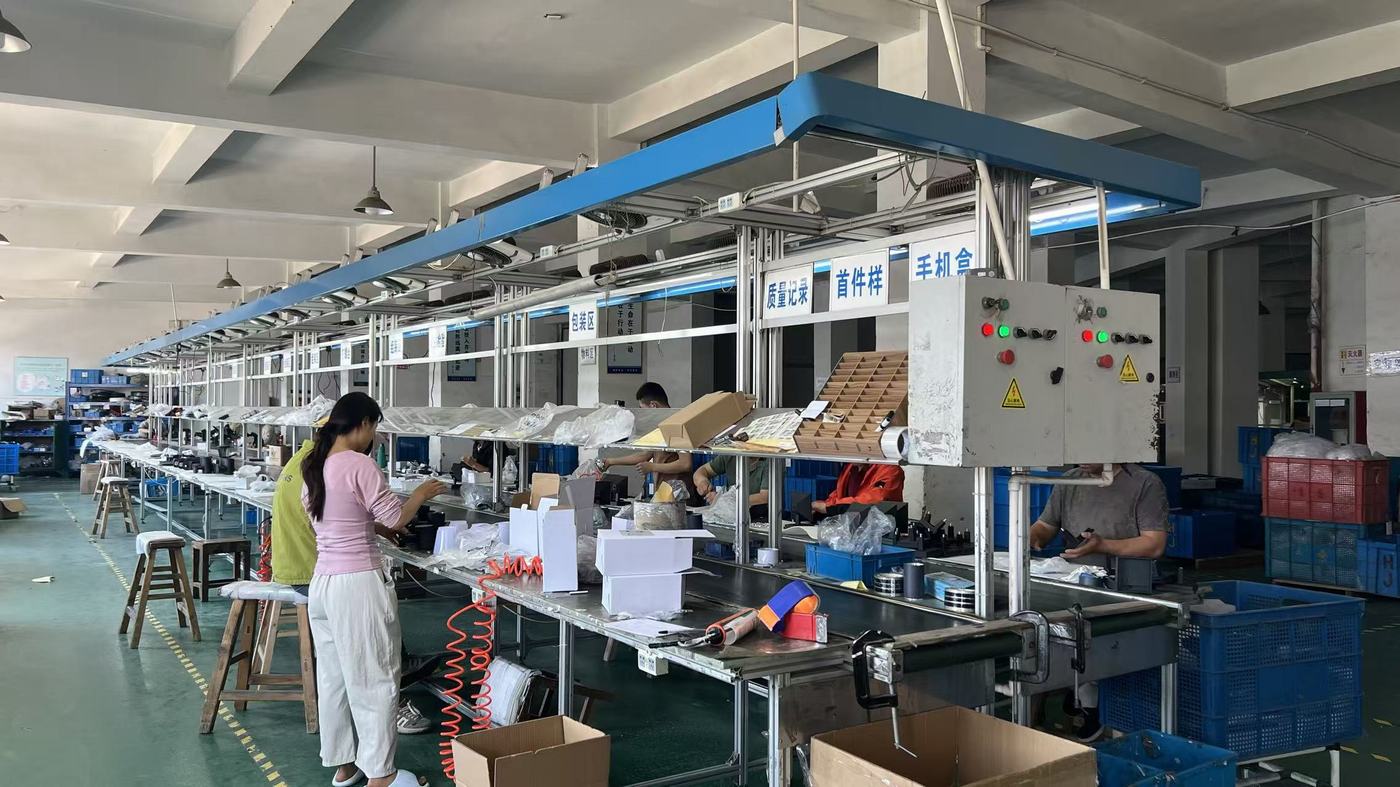
Global distributors, commercial project integrators, and large retail chains face specific sourcing challenges when importing decorative lights. Lower-tier products often lead to customer returns, field failures, and compliance issues. The industry expects components to meet strict performance metrics:
To meet these requirements, manufacturers must act as solutions providers rather than just factories. Dixon Lighting integrates design services with mechanical testing. For example, commercial projects using festoon systems require mechanical calculations for structural wire tension over spans, custom drop spacings, and end-to-end electrical loading guidelines to avoid voltage drop across long installations.
By coordinating with structural planners during the engineering phase, Dixon ensures that every lighting system aligns with local wind load requirements, electrical codes, and aesthetic guidelines.
Regulatory compliance is non-negotiable in international lighting distribution. Leading testing organizations, such as TUV and Intertek, evaluate safety, electromagnetic compatibility (EMC), and environmental impact.
Dixon Lighting’s manufacturing facility adheres strictly to ISO 9001:2015 quality management guidelines. Each production run undergoes a multi-stage testing process: initial raw material inspections, automated in-circuit diagnostics, post-assembly IPX6/IPX7 water intrusion tests, and a compulsory 24-hour thermal aging run. This process ensures products meet the requirements for certification under ETL (North America), CE (Europe), and SAA (Australia).
Looking forward, the industry is moving toward biodegradable wire sheathing and packaging materials to support circular-economy initiatives. Additionally, developments in micro-LED technology are enabling more compact, higher-density light arrays with lower energy draw.
Dixon’s R&D efforts focus on integrating intelligent addressable IC chips within single-string configurations. This technology allows for complex light sequencing, color changes, and synchronization with architectural audio systems, broadening possibilities for landscape and event design.
Technical and logistical insights for experienced B2B buyers
Browse additional decorative, solar, and underwater components designed for commercial projects