Engineered for durability, high conversion efficiency, and precision detection parameters to meet modern commercial and architectural mandates.
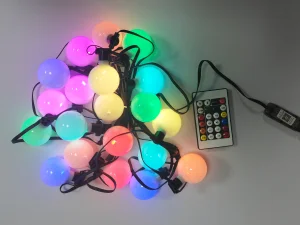
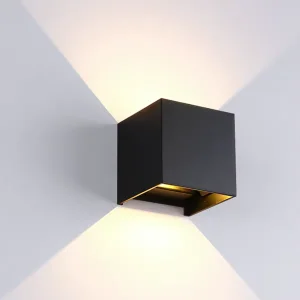
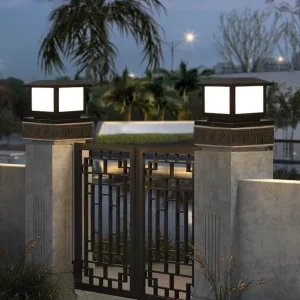
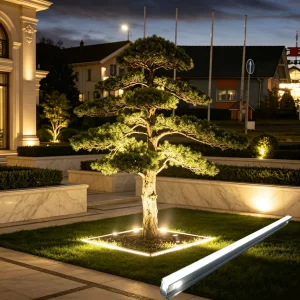
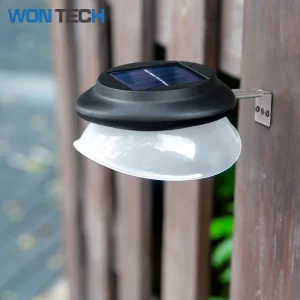

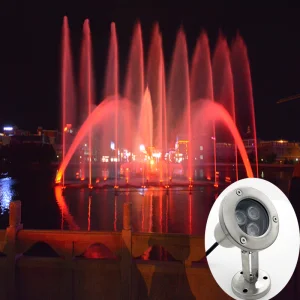
The global commercial outdoor lighting sector is undergoing a tectonic shift toward grid independence, driven by aggressive corporate ESG (Environmental, Social, and Governance) targets, escalating municipal grid expenses, and strict international carbon-neutral mandates. Leading industrial enterprises are no longer treating exterior solar security lights merely as cost-saving fixtures. Instead, they view high-efficiency solar motion sensor lighting systems as mission-critical infrastructure that eliminates electrical trenching costs, reduces scope 2 carbon emissions, and ensures uninterrupted site security during municipal grid failures.
By integrating cutting-edge Passive Infrared (PIR) and high-frequency microwave radar sensor technologies, modern industrial solar luminaires provide zero-carbon illumination on demand. According to recent B2B purchasing metrics, global logistics hubs, manufacturing complexes, and commercial properties that transition from traditional utility-grid metal halide or high-pressure sodium luminaires to smart, decentralized solar motion-detection LED fixtures achieve a direct 100% reduction in operating energy costs and payback periods under 18 months, especially in regions with complex outdoor conduits.
To achieve the long-term reliability demanded by enterprise specifications, solar motion lighting systems must rely on an interconnected architecture of components engineered to withstand physical and chemical stress. The overall operational efficiency of a solar luminaire depends on four technical pillars: the photovoltaic converter, the energy storage system, the luminaire driver, and the intelligent motion-detection sensor framework.
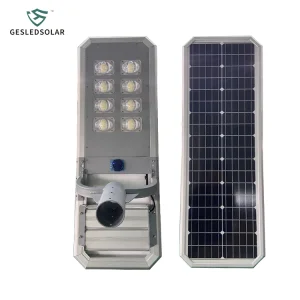
Modern commercial systems utilize high-conversion monocrystalline silicon solar panels coated with low-reflection tempered glass. Unlike low-cost polycrystalline panels, monocrystalline cells feature a single-crystal structure that achieves efficiency ratings between 21% and 23%. This ensures effective charge accumulation even under diffuse sunlight conditions and heavy winter overcast. Furthermore, quality encapsulation layers (such as Ethylene Vinyl Acetate - EVA) protect the PV module from PID (Potential Induced Degradation), maintaining a power output of over 85% after 20 years of operational service.
The transition from lead-acid (Gel) and standard Nickel-Metal Hydride (NiMH) batteries to Lithium Iron Phosphate (LiFePO4) chemistry represents a major leap in solar light durability. LiFePO4 chemistry provides a lifespan of 2,000 to 3,000 charge-discharge cycles at 80% Depth of Discharge (DoD), compared to only 300 to 500 cycles for older ternary lithium batteries. Furthermore, LiFePO4 exhibits excellent thermal stability, eliminating thermal runaway risks in hot climates (up to 65°C) and maintaining battery integrity at sub-zero temperatures through advanced, built-in battery management systems (BMS).
| Component Specification | Standard Grade (Residential) | Enterprise Grade (Dixon Industrial) | Performance Benefit |
|---|---|---|---|
| PV Cell Type | Polycrystalline (15%-17% efficiency) | Monocrystalline Silicon (21%-23.5% efficiency) | Faster charging in low-light and winter overcast conditions |
| Battery Chemistry | Ternary Lithium / Lead-Acid | Grade-A Lithium Iron Phosphate (LiFePO4) | 3000+ lifecycles, enhanced safety, thermal stability |
| Detection Type | Basic PIR (Single-sensor) | Dual-Pyroelectric PIR / Microwave Radar Combo | Zero false-triggering, wide angle (up to 180°), 12m range |
| Chassis Structure | Recycled Thin Plastics / Thin Sheet Metal | ADC12 Die-Cast Aluminum & High-Impact UV-ABS | IK08 impact resistance, rustproof under saline mist conditions |
| Control Chipset | PWM charging controllers | Smart MPPT / Adaptive Lux Sensor Algorithms | Optimized efficiency with auto dimming on low battery |
Smart outdoor motion sensing relies on two primary technologies: Passive Infrared (PIR) and Microwave Radar detection. PIR sensors respond to thermal radiation signatures from humans and vehicles, conserving battery life by keeping lights at a low standby level until a thermal gradient enters the zone. Microwave Radar sensors emit high-frequency electromagnetic waves, detecting movement through Doppler shifts. Integrating these two sensors with smart algorithms allows Dixon luminaires to adjust brightness levels automatically, extending operational times to 3–5 consecutive rainy days without risk of complete power depletion.
Established in 2007, Jiangmen Dixon Lighting Co., Ltd. has spent over 15 years developing industrial-grade, energy-efficient outdoor lighting solutions. Serving demanding commercial markets across North America, Europe, Australia, and key international hubs, the company operates a specialized production complex measuring over 5,000 square meters. Equipped with advanced automated manufacturing lines and a professional staff of more than 100 specialists, Dixon operates as an integrated R&D, manufacturing, and quality testing facility.
To ensure reliable performance in diverse environments, Dixon implements an advanced ERP resource management framework alongside strict ISO 9001 quality management procedures. Rather than relying on third-party evaluations, our designs undergo rigorous testing protocols for water ingress, thermal resilience, and mechanical impact. Every component is tracked, and our products carry internationally recognized certifications, including CE, RoHS, and ETL (issued by leading organizations like TUV and Intertek). These credentials ensure that Dixon luminaires meet the safety, electrical, and environmental compliance standards required for commercial bids and building codes worldwide.
Our products feature high-impact structural designs rated up to IK08, making them suitable for extreme outdoor applications, from coastal installations to desert developments.
We offer comprehensive customization services, including tailoring optical distribution curves, optimizing battery storage for cold climates, and laser-engraving client brands.
All fixtures comply with strict import regulations, featuring CE, RoHS, and ETL marks to guarantee smooth custom clearance and regional utility approvals.
To maintain reliable performance in challenging environments, Dixon Lighting manages every stage of production within our vertically integrated facility. Below is the step-by-step manufacturing and quality control sequence that supports our performance claims:
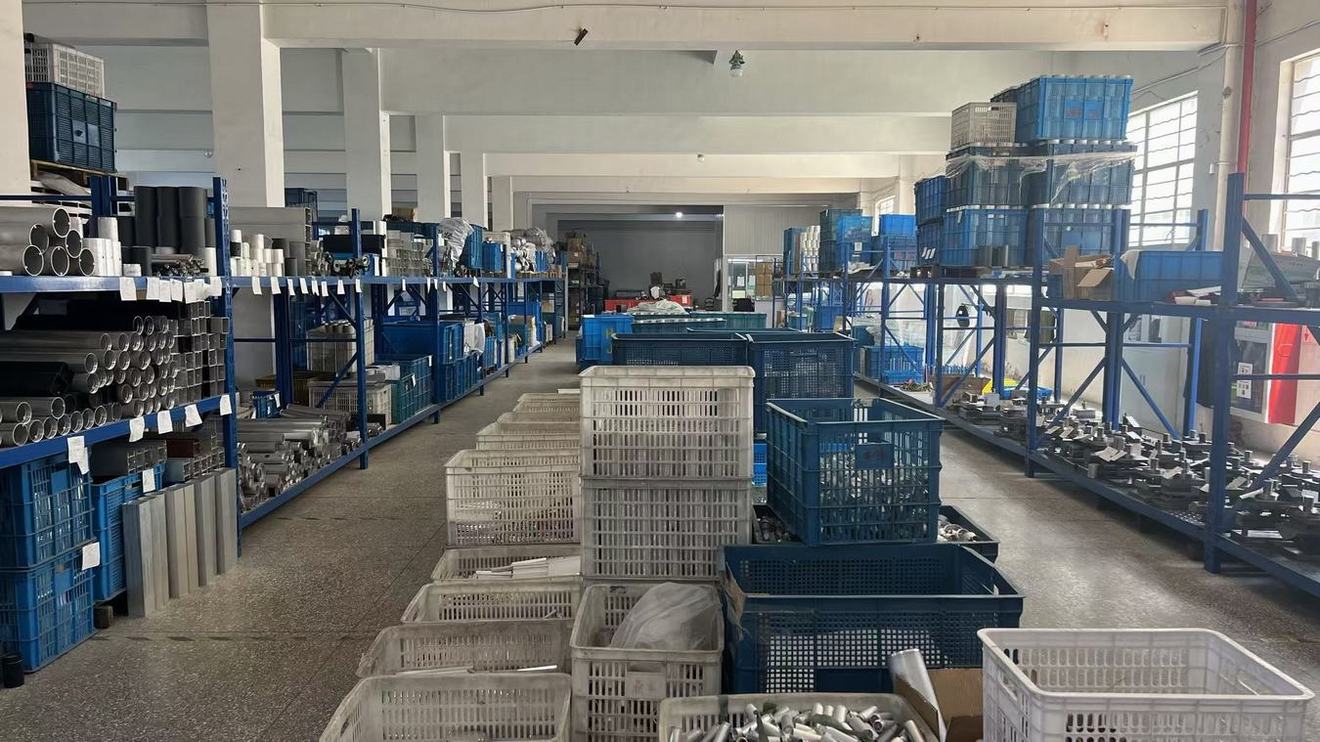
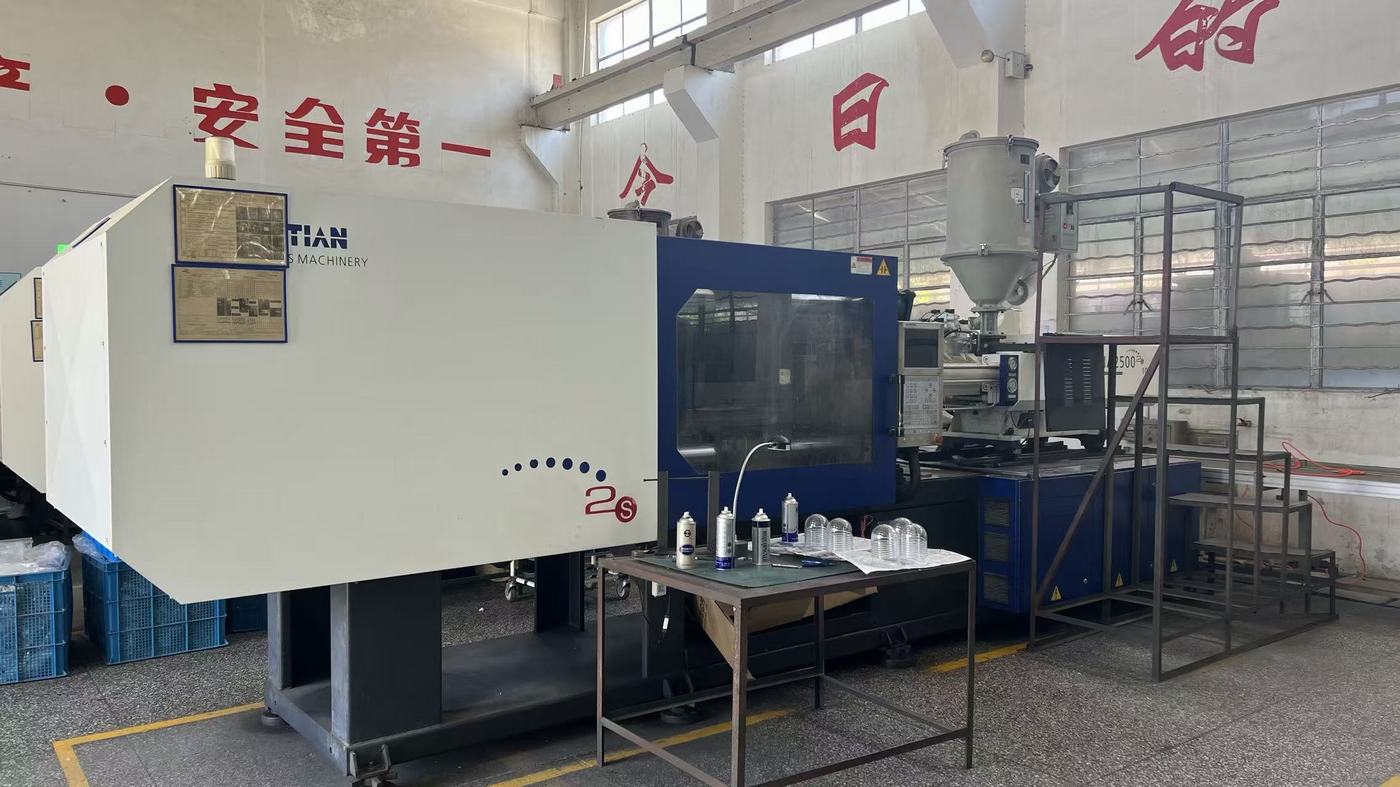
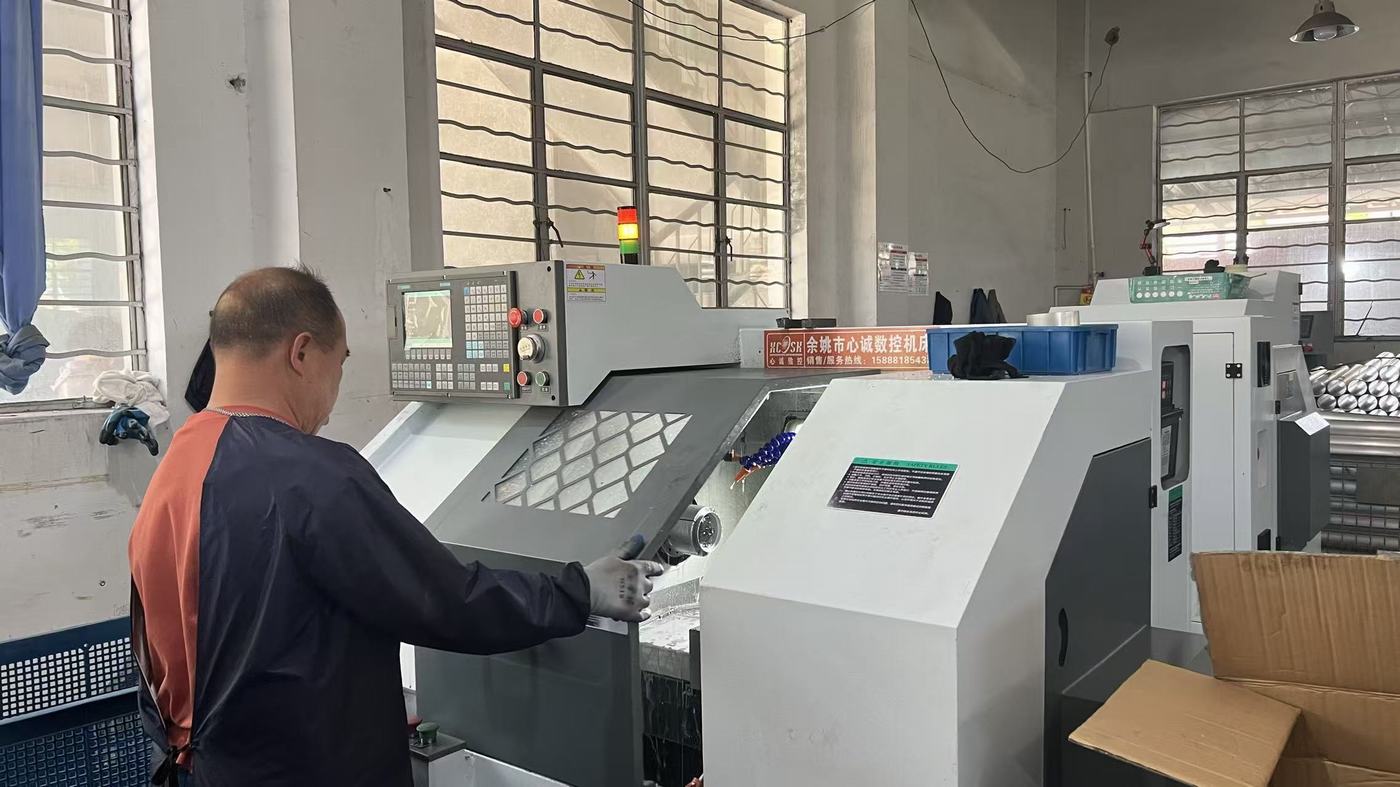
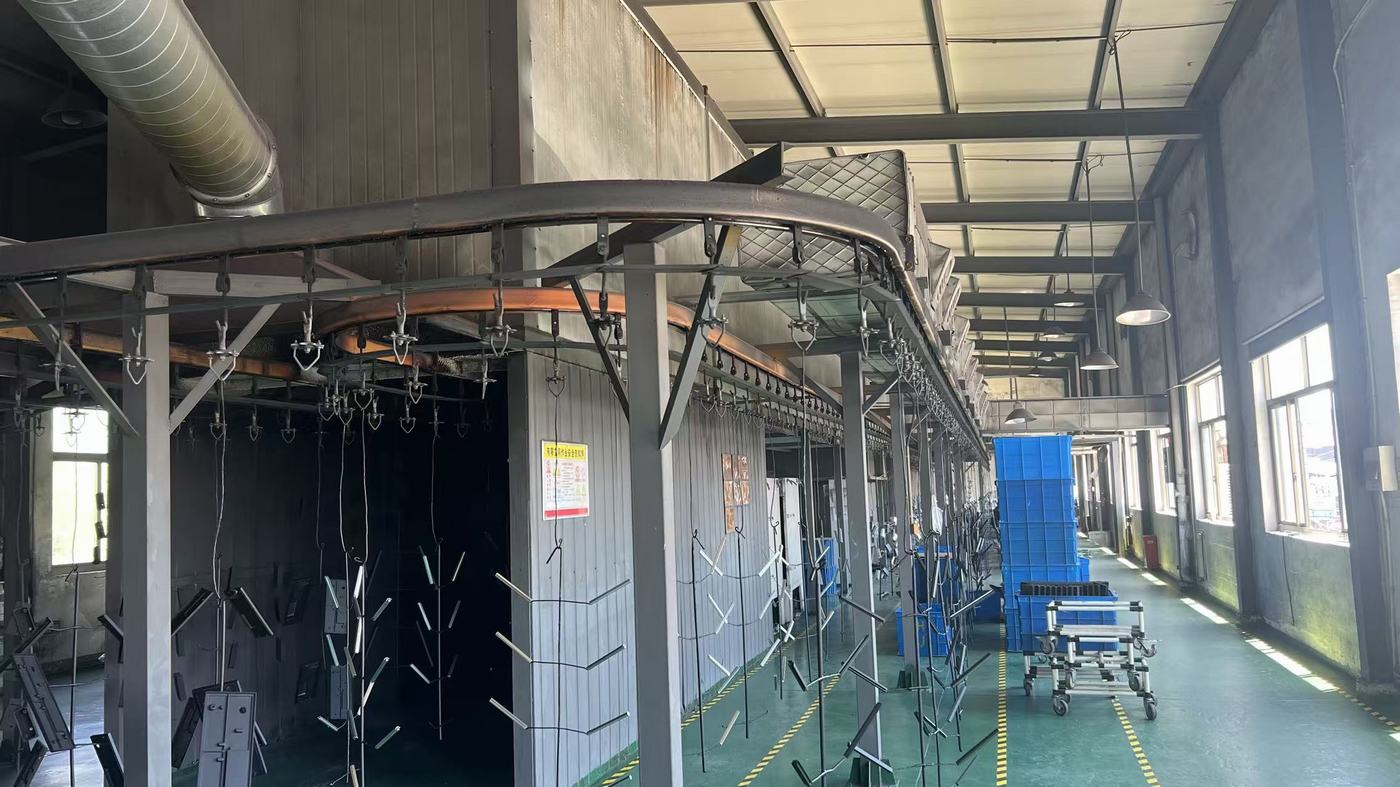
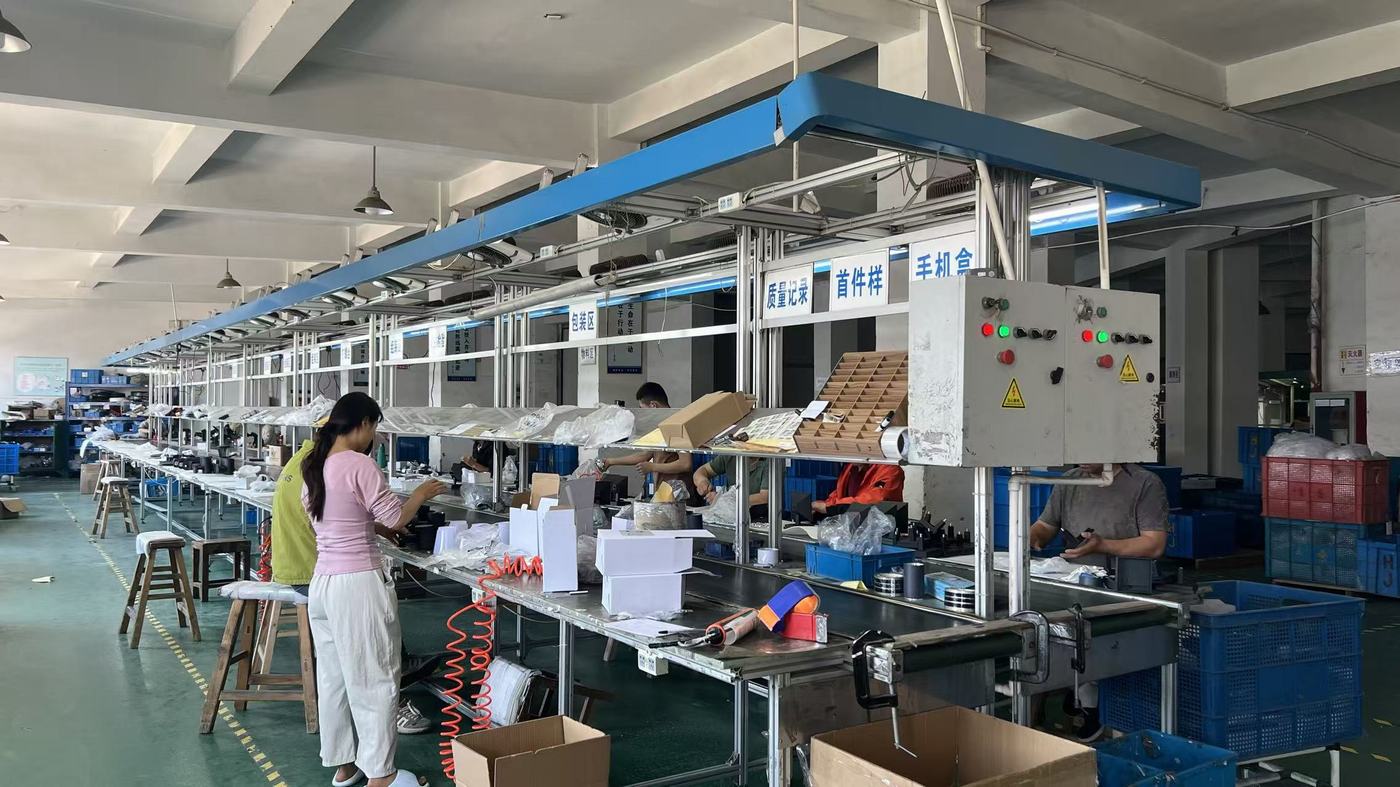
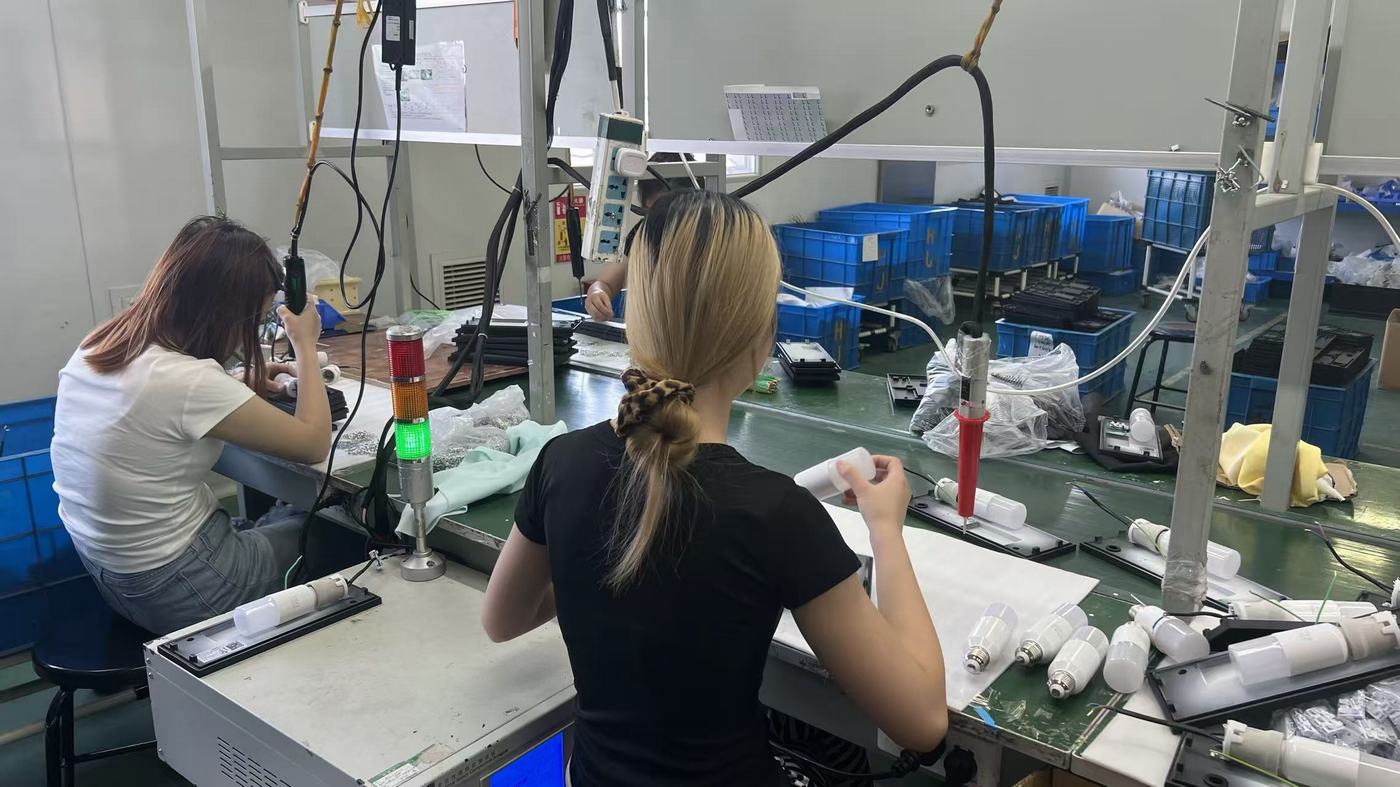
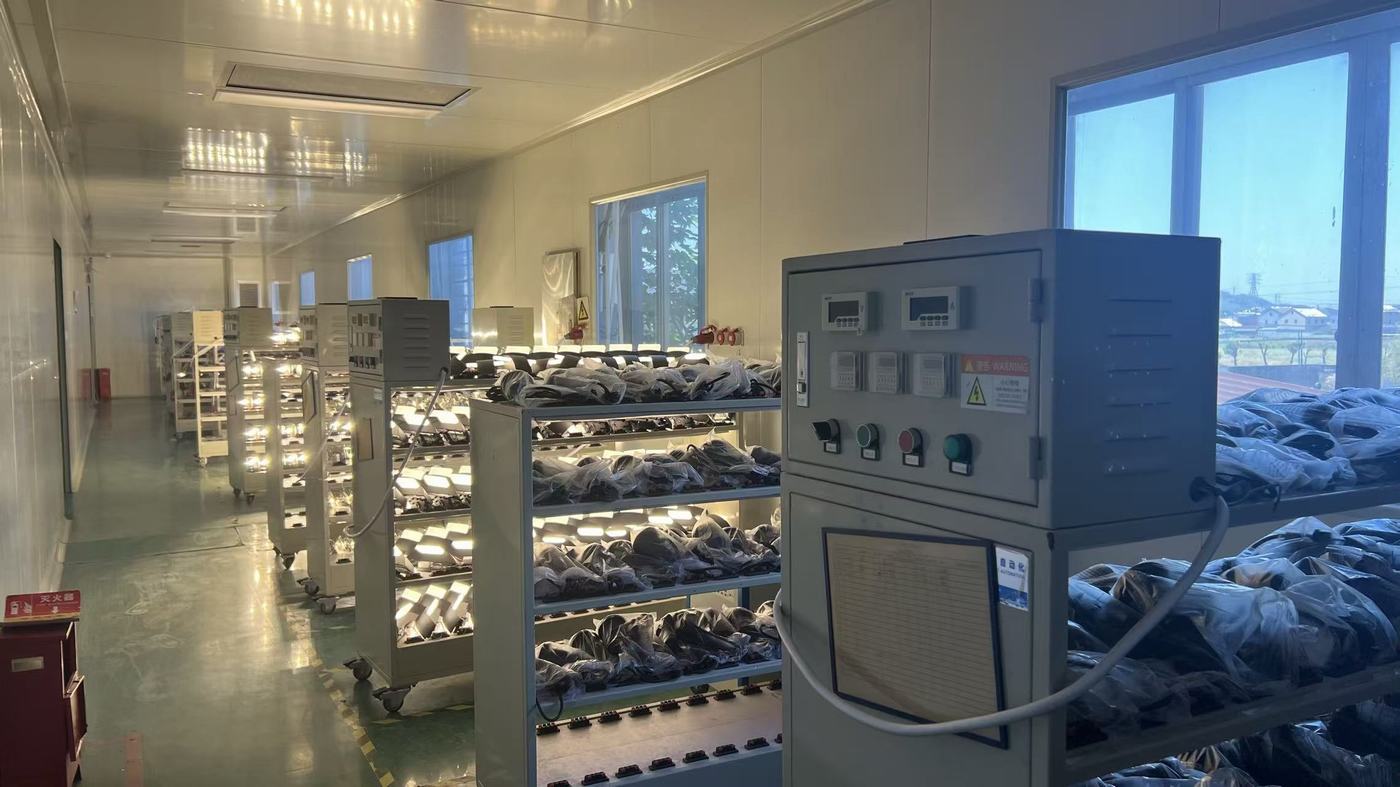
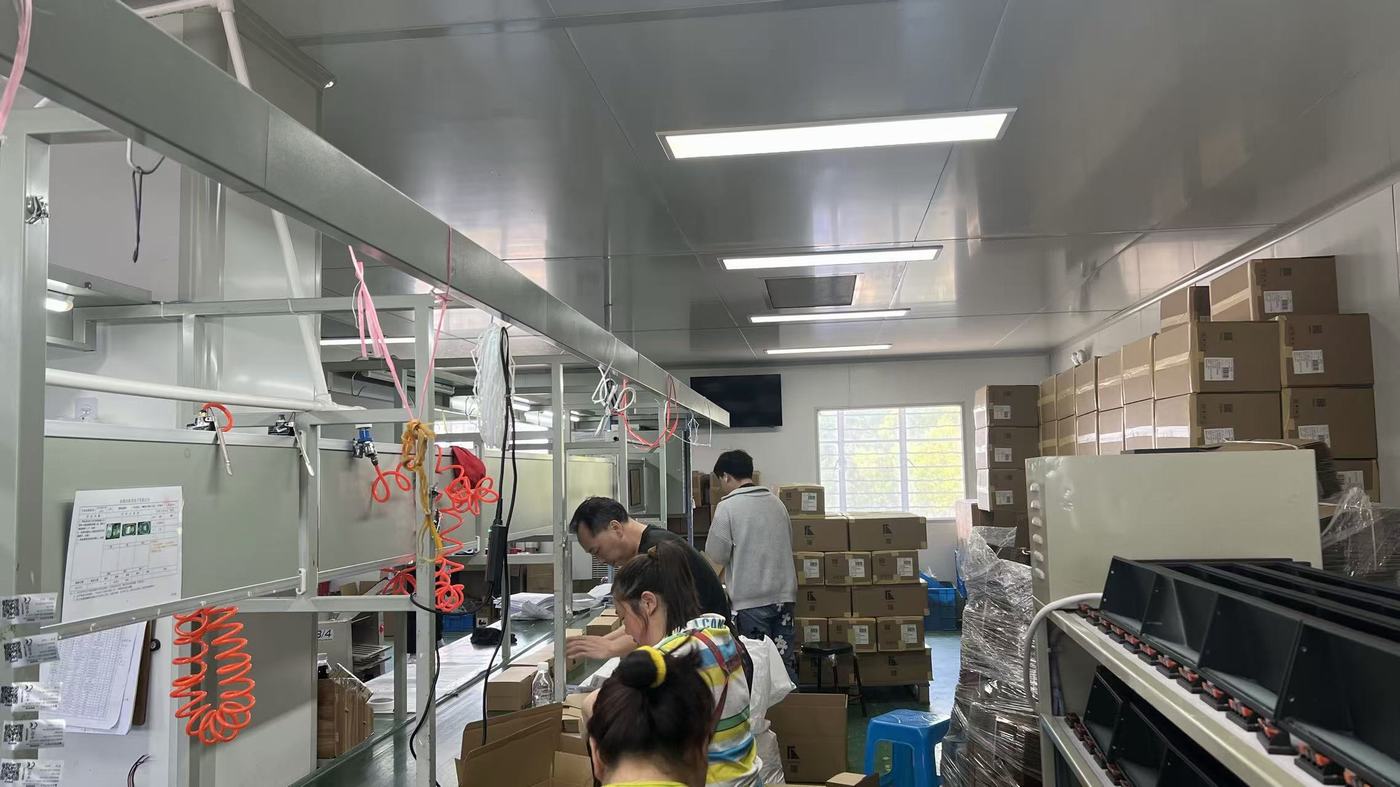
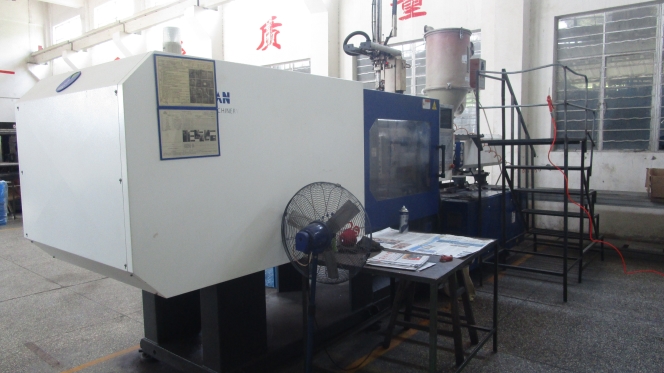
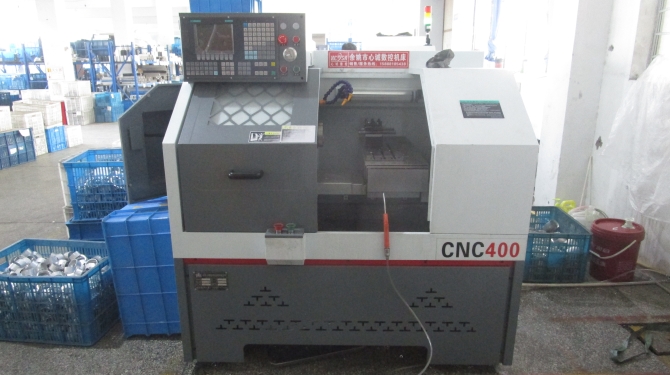
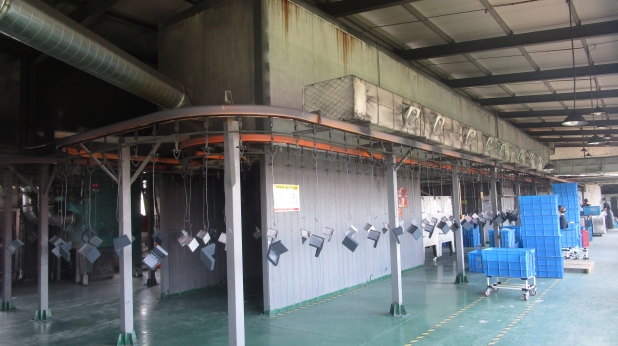
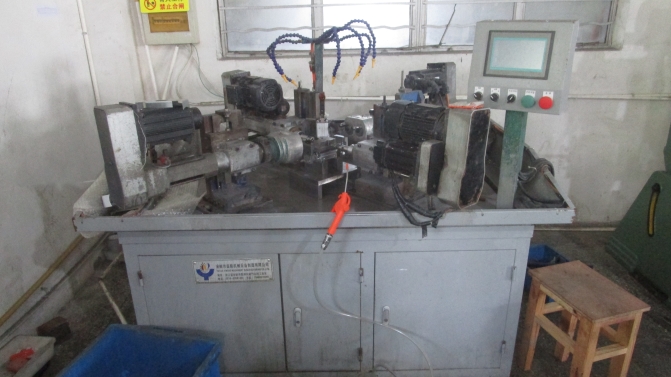
By combining advanced automation—such as CNC machining centers, high-pressure injection presses, and automated powder-coating lines—with systematic testing steps (like the mandatory 48-hour continuous electrical and thermal aging protocol), Dixon keeps its batch defect rate under 0.3%. This commitment to quality control minimizes warranty claims and protects the reputations of distributors and contractors who install our products.
Navigating the procurement of large-scale solar lighting requires careful attention to regional codes and structural testing compliance. B2B procurement managers must verify that the products they import meet the necessary mechanical and electrical certifications to prevent customs issues and avoid liability during installation.
For the North American Market, compliance with ETL (conforming to UL 1598 safety standards) is essential for commercial insurance acceptance. In European Jurisdictions, CE marks and compliance with the RoHS directive are required to verify the absence of hazardous materials in electronic assemblies.
Dixon helps streamline this process by providing comprehensive documentation, including IES files for photometrics and complete certifications, for all international markets. This allows engineers and lighting designers to easily import Dixon fixtures into simulation software like Dialux, streamlining project approvals and accelerating compliance sign-offs.
The field of solar lighting is evolving beyond simple, isolated light fixtures. The future of solar motion lights lies in integration with IoT (Internet of Things) protocols and mesh networks. By incorporating Bluetooth Mesh or Zigbee transceivers, modern solar motion lights can communicate across zones. For example, when one light detects motion, it can trigger adjacent lights along a path to illuminate ahead of a pedestrian or security patrol.
Additionally, advances in solid-state physics are leading to the adoption of perovskite-silicon tandem solar cells, which have the potential to push conversion efficiencies past 30%. When paired with long-lasting solid-state batteries, these technological developments will continue to make solar motion lights a reliable, high-performance choice for demanding commercial applications.
Dixon uses high-quality Lithium Iron Phosphate (LiFePO4) battery cells equipped with custom Battery Management Systems (BMS). Unlike standard lithium-ion batteries, our BMS includes low-temperature charging protection and thermal regulation, preventing charging when temperatures drop below 0°C to protect the cell chemistry. Additionally, the oversized monocrystalline solar panels are designed to convert ambient light, helping maintain energy input even on short, overcast winter days.
While the initial cost of commercial solar motion lights is higher than that of AC-powered fixtures, the overall cost is often lower because they eliminate trenching, cabling, conduit work, and permit fees. When factoring in zero monthly electricity costs and minimal maintenance requirements, our commercial customers typically see full ROI within 12 to 18 months after installation.
Our professional-grade PIR and microwave sensors are designed to detect movement up to 12 meters away within a 120° to 180° field of view. When mounted between 3 to 6 meters high, the detection area can be calibrated using the built-in sensor settings to focus on specific pathways or entry zones, helping minimize false triggers from passing traffic.
Yes. Dixon provides comprehensive ODM and OEM customization services. We can adjust housing finishes to match architectural color schemes, create custom brackets for specific mounting needs, and offer LED configurations ranging from warm 2700K to cool 6500K, as well as customized smart RGB setups.
All Dixon products are certified by leading international compliance bodies such as TUV and Intertek. We provide complete CE and RoHS certificates for the European Union, and ETL certifications conforming to UL standards for North America. We also provide complete safety data sheets (SDS) and UN38.3 test reports for our lithium battery assemblies to ensure smooth shipping and customs clearance.
Dixon constructs its enclosures using high-strength, corrosion-resistant ADC12 die-cast aluminum alloys and UV-stabilized polycarbonate. The internal components are sealed with high-grade silicone gaskets and waterproof glands, allowing them to withstand temporary submersion (IP67) and constant moisture without risk of corrosion.
We stand behind our industrial-grade luminaires with a comprehensive 3 to 5-year warranty, which covers the battery pack, LED driver, solar panel, and sensor array. In the rare event of a component issue, we supply drop-in replacement parts that can be easily changed on-site, minimizing downtime and maintenance costs.
Our intelligent fixtures feature dimming algorithms that monitor remaining battery capacity in real-time. If solar charging is limited due to extended overcast weather, the controller automatically reduces baseline standby output while keeping the motion detection active. This smart management allows the light to remain functional for up to 5 consecutive days of poor weather.
Engineered to deliver high performance in commercial, residential, and municipal applications.