Engineered for Commercial Longevity, Zero-Grid Operations, and Dynamic Architectural Aesthetic Enhancements
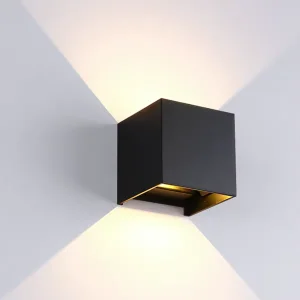
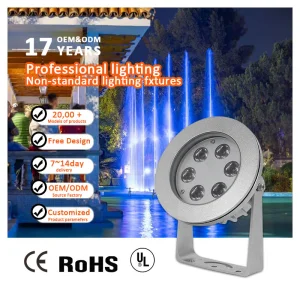
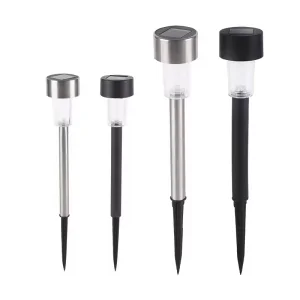
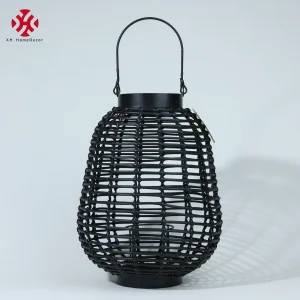
Analyzing key structural vectors, carbon neutrality regulations, and smart integration standards driving the industry forward.
Government initiatives such as the European Green Deal and regional building standards in North America are forcing a paradigm shift from traditional grid-powered outdoor lighting to self-sustaining solar systems. Developers look to zero-emissions infrastructure as a primary benchmark for new projects.
Modern commercial installations incorporate IoT (Internet of Things) communication protocols such as Bluetooth Mesh, Zigbee, and LoRa. This enables building automation software to remotely control brightness, check battery levels, program schedules, and monitor device diagnostics on a real-time dashboard.
To survive extreme weather, manufacturers are abandoning cheap ABS plastics in favor of structural aircraft-grade aluminum alloy, architectural UV-resistant powder coat coatings, and ultra-durable tempered glass enclosures that maintain light transmittance without yellowing or degradation over decades.
A data-backed analysis to assist developers, lighting designers, and global procurement departments in structural planning.
| Performance Metrics | High-Efficiency Solar Landscape Systems | Traditional Low-Voltage AC Systems (12V-24V) | Key Purchasing Strategic Advantage |
|---|---|---|---|
| Installation Cost | Zero trenching or cabling required; reduced labor costs by up to 75%. | Requires trenching, conduit, transformer installation, and electrician labor. | Solar optimizes early-stage CapEx. |
| Operating Expense (OpEx) | Zero electricity billing; self-powered grid-free autonomy. | Continuous monthly utility cost based on energy consumption. | Decarbonized operations with zero lifetime power costs. |
| Resilience & Failover | Decentralized network; one component failure does not affect others. | Single transformer or line fault disables the entire run. | Critical safety lighting is maintained under power outages. |
| Maintenance Overhead | Periodic battery replacement (5-8 years on LiFePO4 cells); simple panel wash. | Transformer troubleshooting, voltage drop monitoring, cable damage fixes. | Significantly reduced long-term operational overhead. |
How specialized manufacturing clusters enable rapid prototype deployment, strict cost controls, and advanced material sourcing.
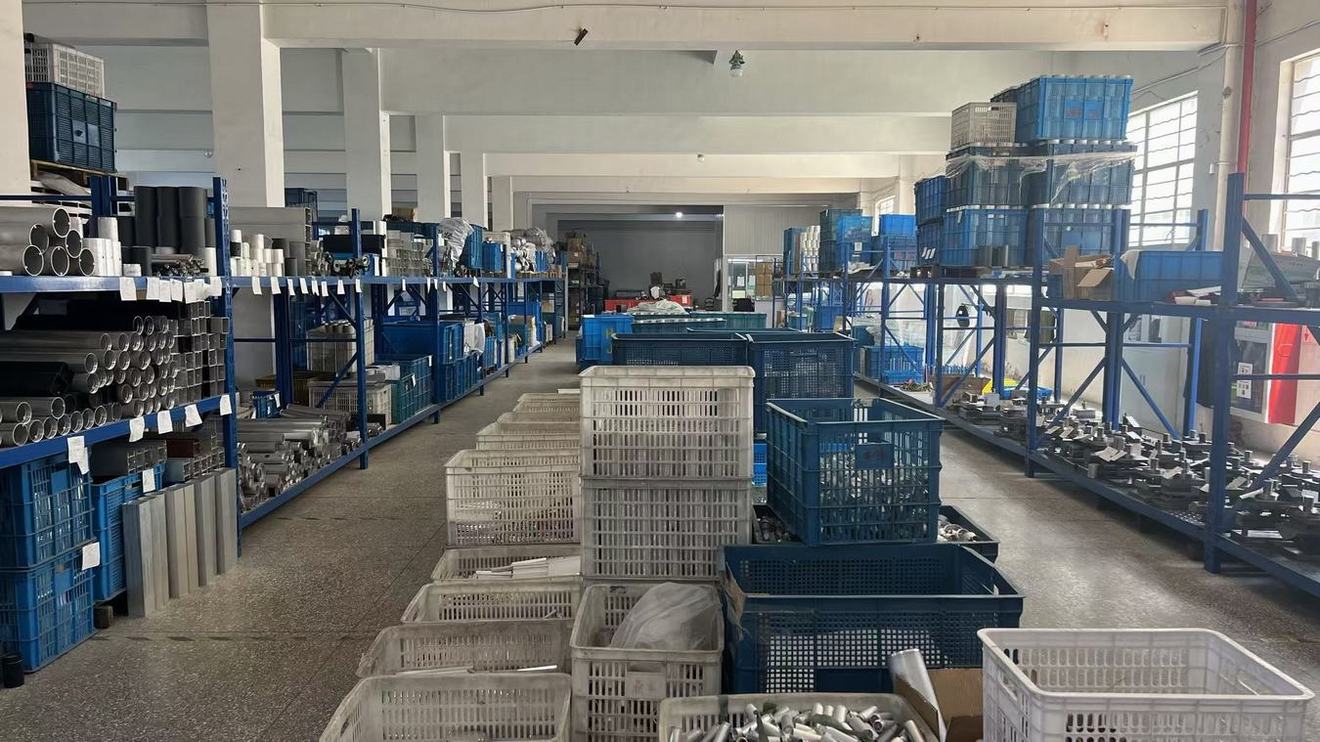
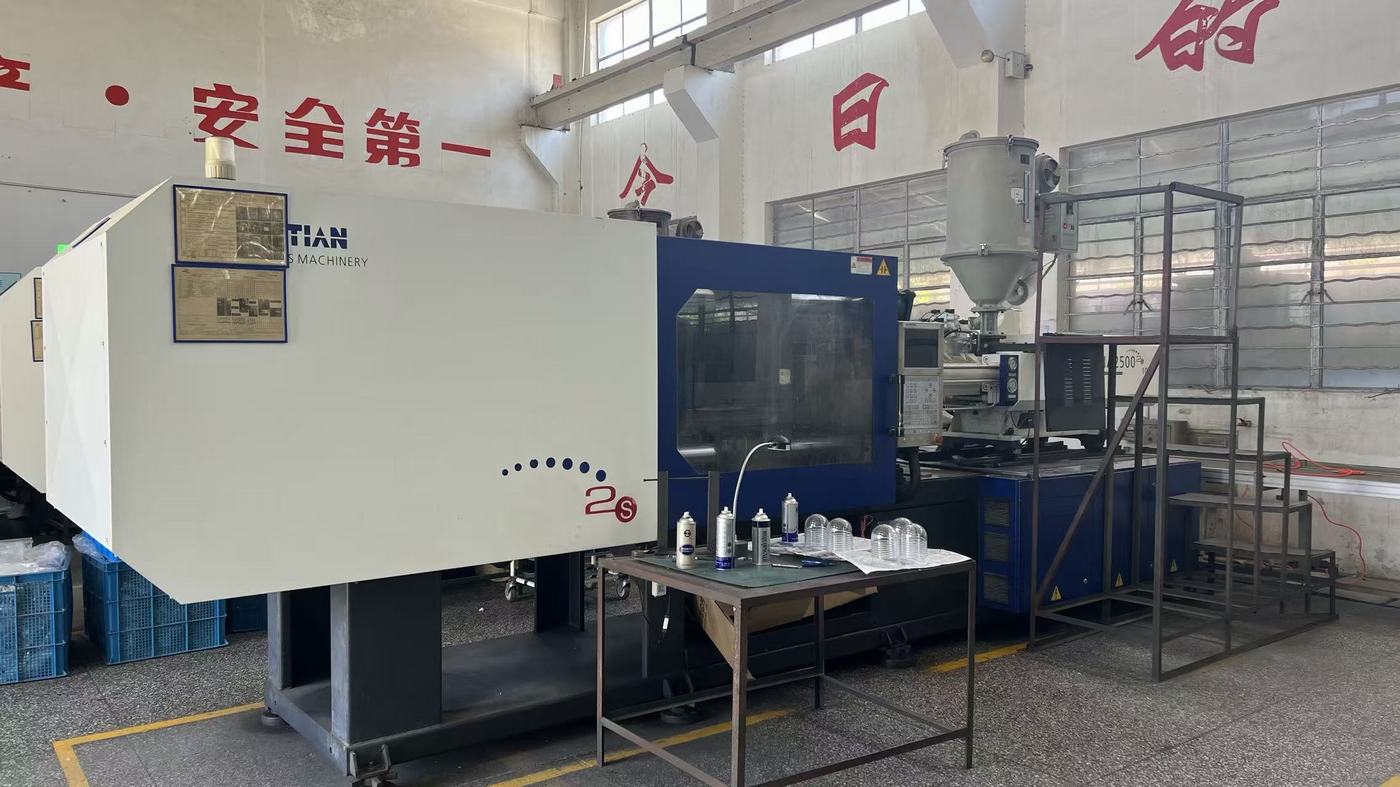
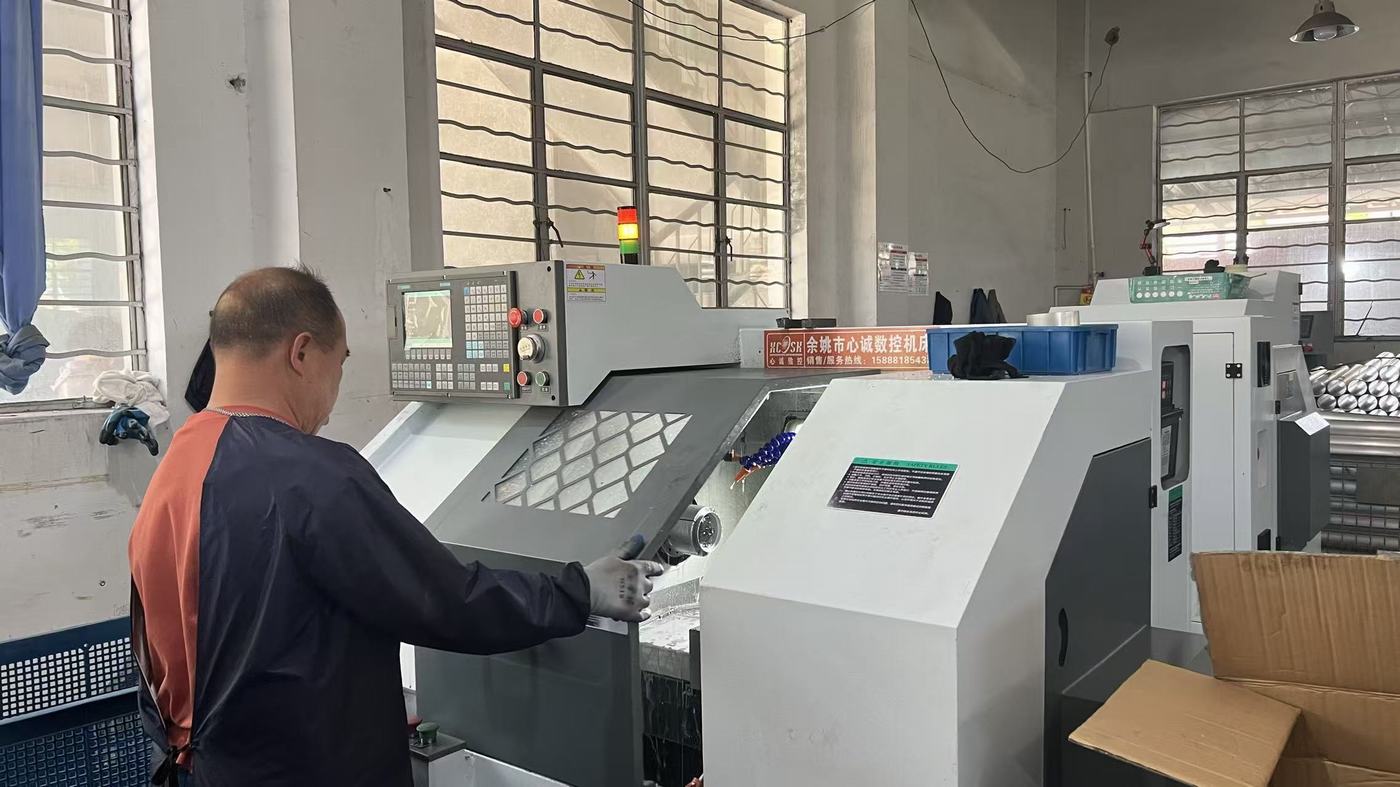
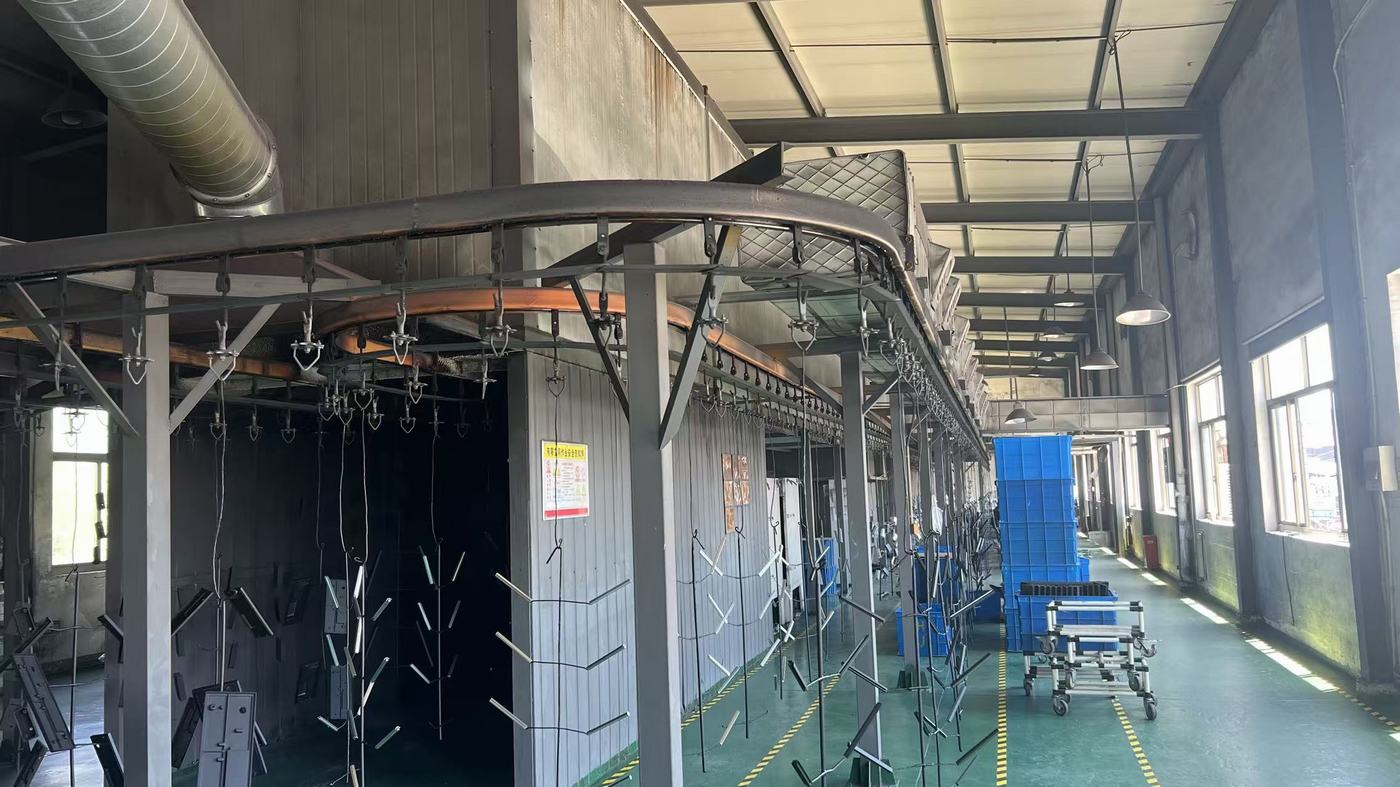
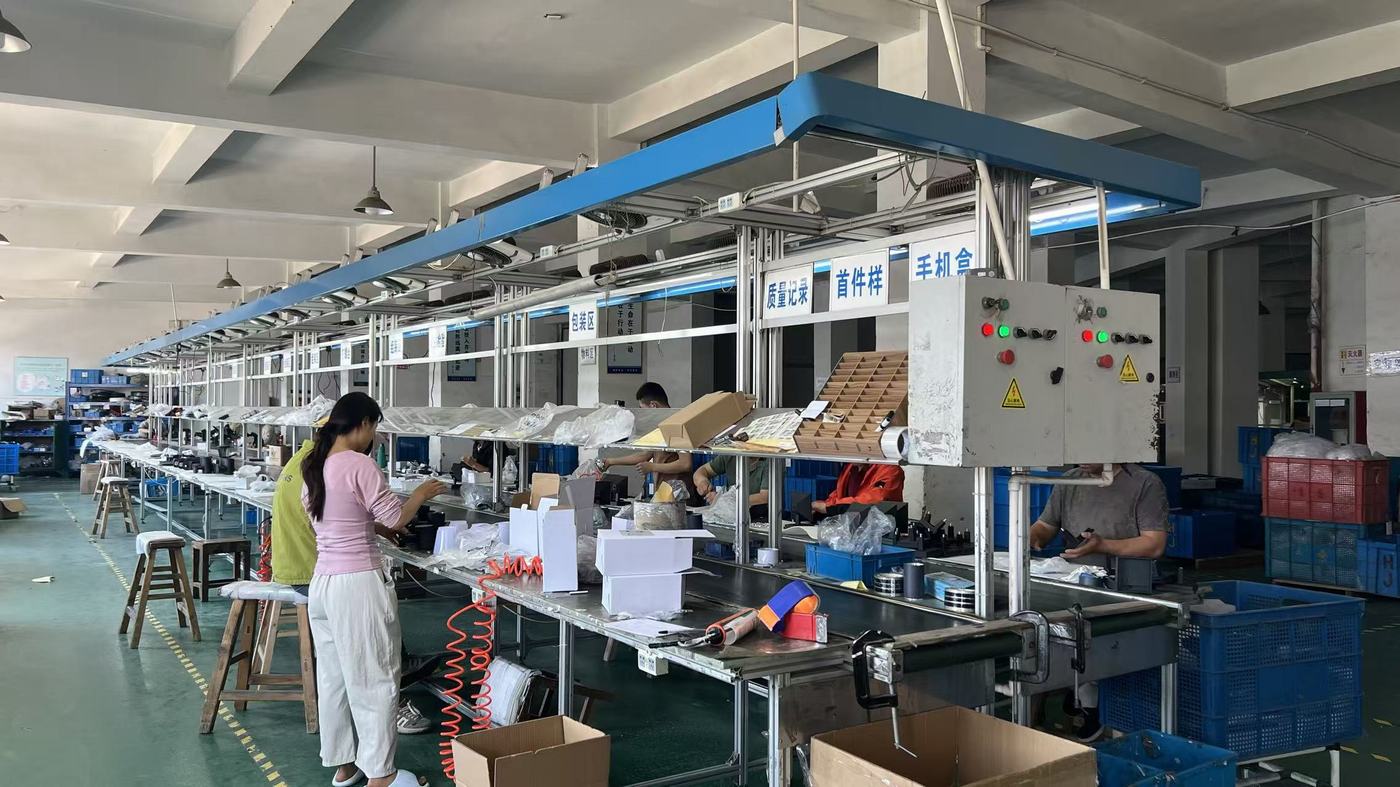
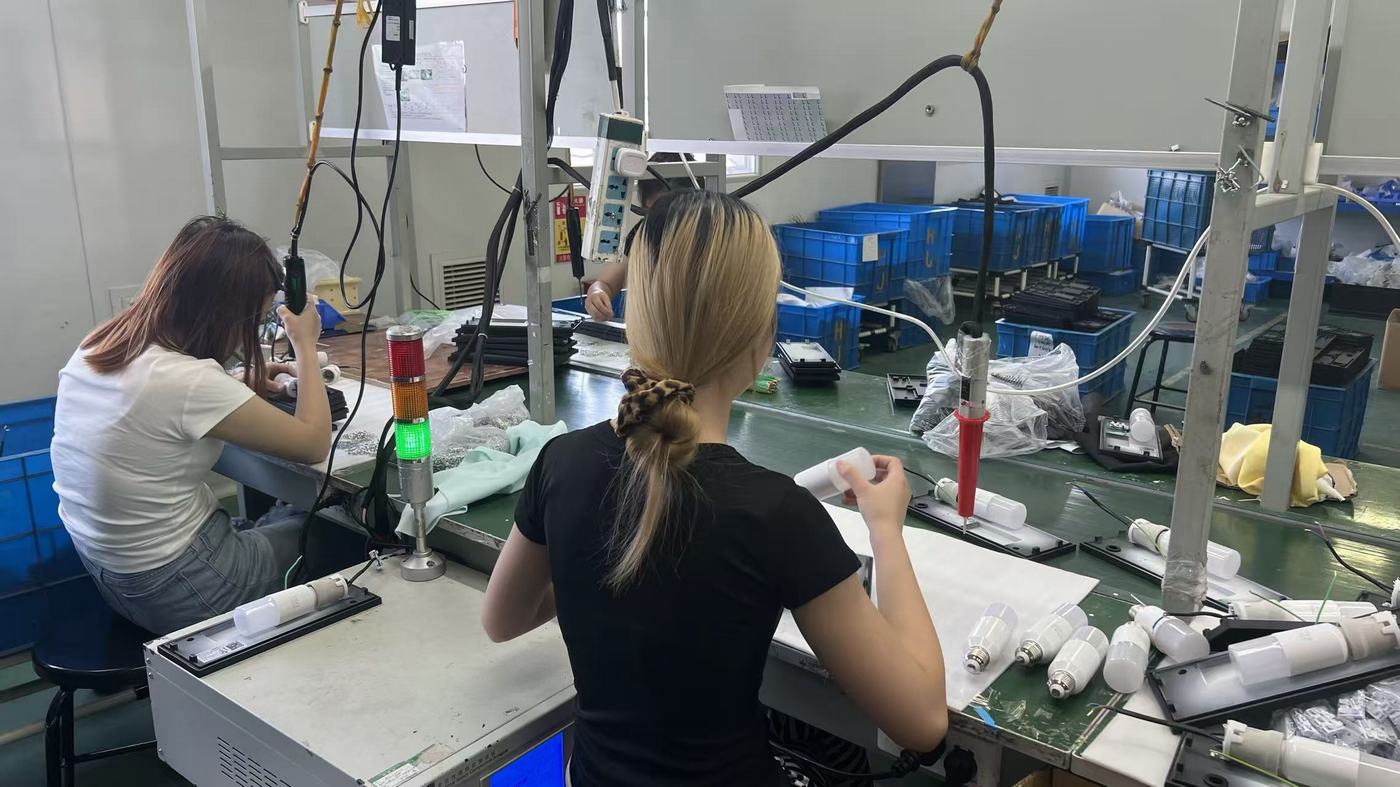
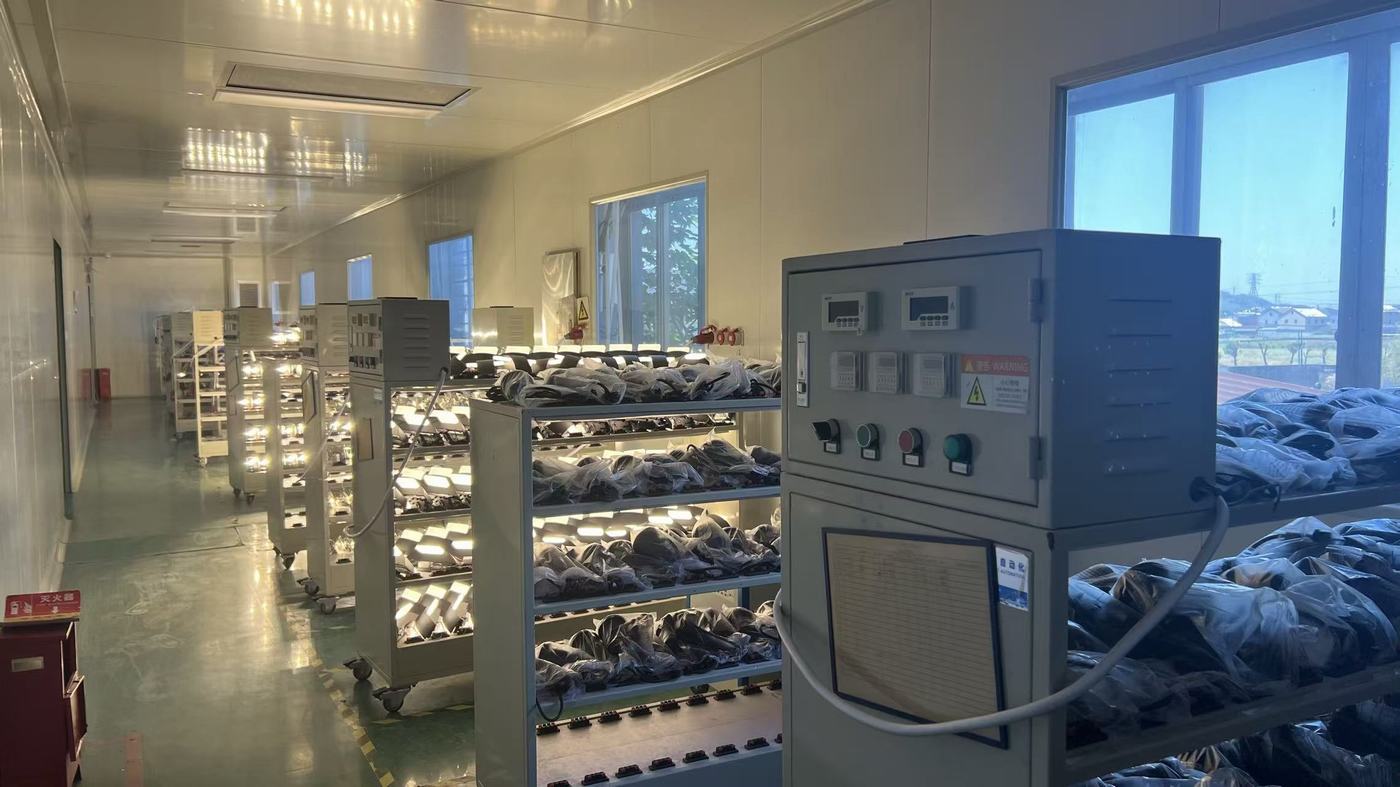
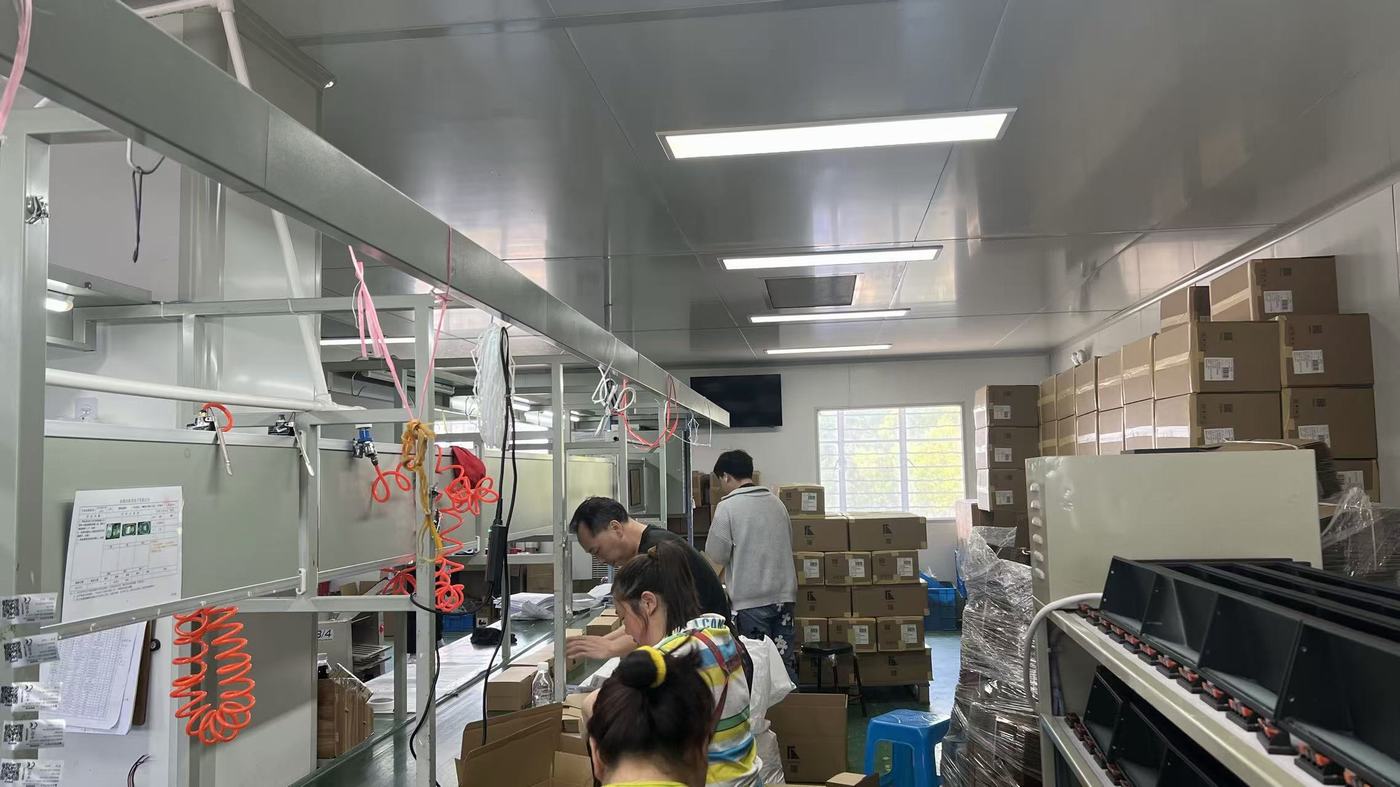
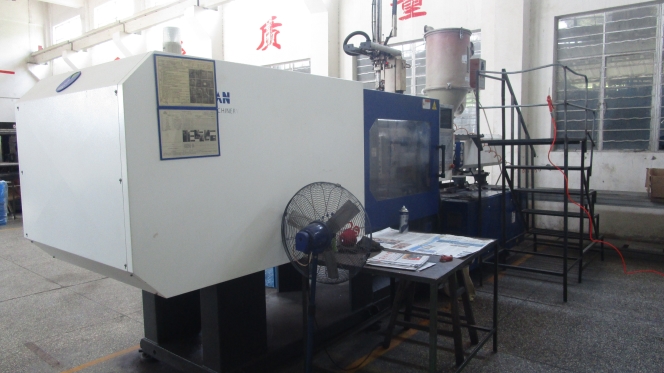
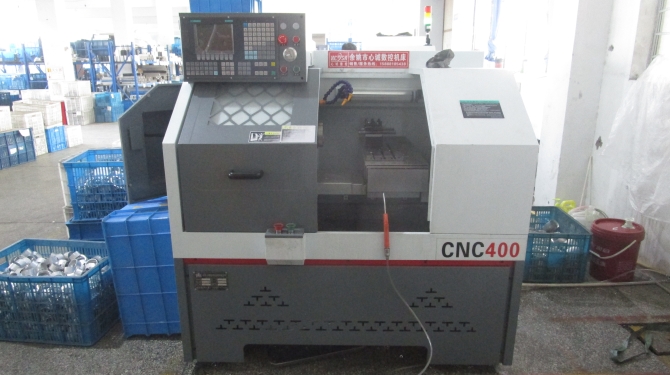
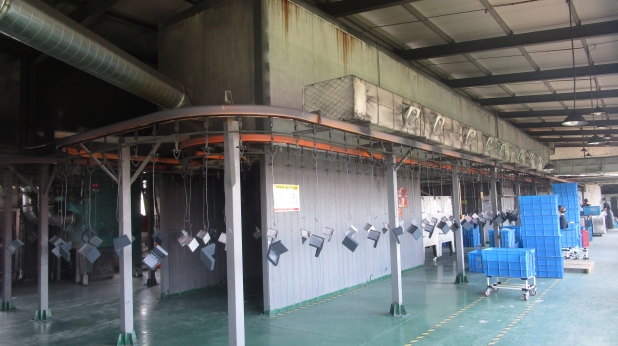
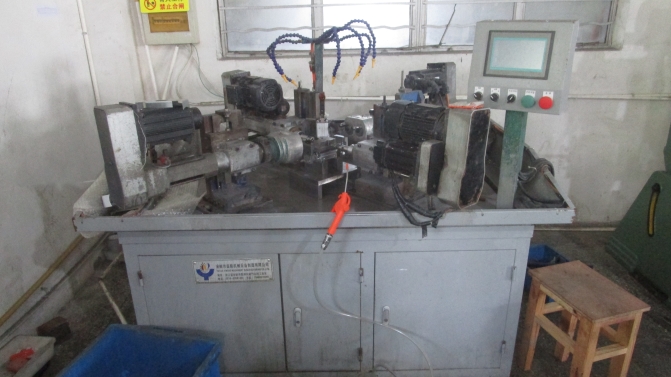
The Jiangmen and Guzhen industrial zones in Guangdong province house the world's most concentrated optical and electrical engineering supply chains. By collocating raw material processors, injection molding, CNC tooling, automated driver production, and multi-tier testing, manufacturers like Jiangmen Dixon Lighting Co., Ltd. deliver custom landscape lighting solutions with unmatched speed-to-market and cost-efficiency.
Navigating the complex landscape of international safety certifications, environmental regulations, and electrical performance mandates.
Wholesalers and engineering projects must ensure imported hardware conforms to localized safety codes. European markets require strict compliance with CE-LVD, CE-EMC, and RoHS to verify that materials contain no hazardous substances. For North American installation, certified partners verify compliance against ETL/UL 1598 standards, protecting the enterprise from liability and ensuring building inspection approval.
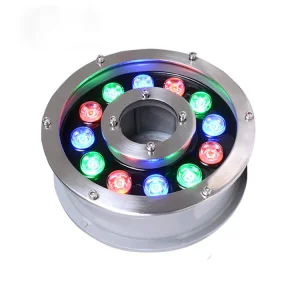
Landscape fixtures are continually exposed to dust, irrigation spray, heavy rain, and subzero temperatures. True professional grade landscape fixtures must possess at least an IP65 rating for above-ground installations, and an IP68 rating for submersible or flush-ground installations. Submersible units (e.g. pool and fountain lighting) should additionally use low-voltage DC inputs (12V/24V) to satisfy public pool safety regulations.
To maximize sunlight absorption on overcast winter days, look for suppliers using premium monocrystalline silicon photovoltaic cells with conversion rates exceeding 21%. Standard PWM controllers suffer from high power dissipation; transitioning to Maximum Power Point Tracking (MPPT) logic increases charging efficiency by up to 30%, maintaining lighting schedules even through multiple days of rainy weather.
An Industry-Leading Manufacturer and Strategic Partner in Outdoor Lighting Solutions since 2007.
Specializing in the outdoor lighting industry since 2007, Jiangmen Dixon Lighting has over 15 years of seasoned export experience. We serve highly demanding markets across North America, Europe, Australia, and other key international hubs.
We run an advanced, fully integrated ERP management system alongside strict ISO quality control protocols. Our manufacturing pipeline guarantees consistent safety, quality, and complete market compliance.
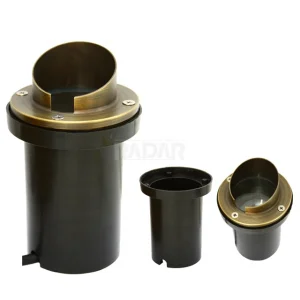
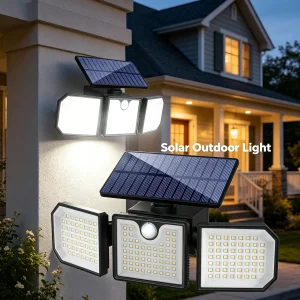
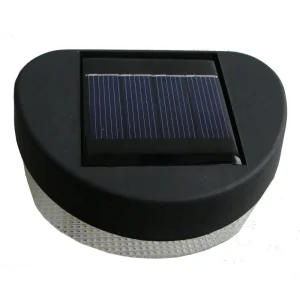
From security flood lights and motion sensor systems to architectural up/down wall sconces, solar gutter lamps, and landscape well lights. All designs are optimized for maximum weather protection and contemporary appeal.
Operating from our state-of-the-art 5,000+ square meter factory in Jiangmen, Dixon Lighting employs over 100 highly skilled personnel. Backed by dedicated R&D engineering units, an efficient international sales office, and a responsive after-sales technical support team, we provide comprehensive support across all stages of project lifecycle:
Essential insights for landscape architects, electrical wholesalers, and global distributors looking to mitigate procurement risk.
A: Lithium Iron Phosphate (LiFePO4) batteries represent the gold standard for commercial solar outdoor applications. They feature an exceptional lifecycle of over 2000-3000 cycles (compared to just 500-800 cycles for standard Ternary Lithium batteries). LiFePO4 chemistry is also chemically stable and non-combustible, offering superior thermal safety under high summer temperatures (up to 65°C) and excellent performance during subzero winter conditions.
A: Buyers should request third-party testing reports issued by accredited laboratory services (such as TUV, SGS, or Intertek). For IP65, the laboratory tests resistance to low-pressure water jet streams from any angle. For IP68, the fixture is completely submerged in water under high pressure for prolonged durations. High-quality manufacturers like Dixon Lighting conduct in-house chamber testing to double-validate the structural integrity of seals, glands, and joints.
A: The primary failure points are water ingress, degradation of cheap batteries, and PCB failures due to poor heat dissipation. High-end suppliers prevent these failures by using corrosion-resistant aluminum housings instead of cheap plastics, employing advanced smart BMS (Battery Management Systems) to prevent overcharging, and utilizing high-grade silicone gaskets alongside IP-rated connectors to prevent moisture seepage.
A: CRI measures a light source's ability to reveal the true colors of objects compared to natural daylight. For landscape installations, a CRI of Ra ≥ 80 is recommended to ensure that green foliage, warm brick walls, and decorative stone installations look vibrant and natural. Low-quality LED chips with low CRI levels often output a clinical, artificial light that washes out scenic landscapes.
Explore High-performance LED Bollards, Ground Ingress Fixtures, and Smart Motion Sensor Security Hardware