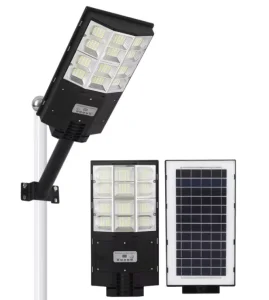
In the contemporary landscape of urban planning and residential safety, security flood lighting has transitioned from simple utility to a sophisticated ecosystem of energy efficiency and smart technology. As global demand for robust security lighting solutions grows, sourcing from professional factories has become the cornerstone of successful project delivery.
Modern consumers and B2B buyers no longer look for simple bulbs; they demand reliability, weather resistance, and smart sensing capabilities. Suppliers like Jiangmen Dixon Lighting Co., Ltd. are defining the industry standard by integrating IoT, sustainable solar materials, and rigorous quality control protocols.
The manufacturing prowess of Chinese lighting factories, particularly in regions like Guangdong, is built on a "Full-Stack Vertical Integration" model. Unlike assemblers, top-tier factories control the raw material processing, injection molding, CNC machining, and rigorous aging tests in-house.
Since 2007, Jiangmen Dixon Lighting Co., Ltd. has established itself as an anchor supplier in the outdoor lighting sector. With over 5,000 square meters of production space and a dedicated R&D team, the company bridges the gap between creative design and industrial utility.
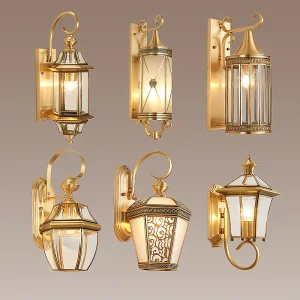
Their operational philosophy revolves around "Survival through Quality." By implementing advanced ERP management and adhering to strict ISO quality control standards, Dixon ensures that every product—from motion-sensor lights to architectural wall lamps—meets the extreme weather demands of global markets, including the volatile climates of North America and the harsh landscapes of Australia.
Q: What makes a security flood light "industrial grade"?
A: Industrial grade flood lights must pass stringent IP65/IP66 ingress protection tests, utilize heat-sink designs for thermal management, and be equipped with high-efficiency LED drivers capable of handling voltage fluctuations (AC100-277V).
Q: Why is "Aging Test" crucial in LED production?
A: The aging test, typically lasting 24-48 hours, is designed to identify "infant mortality" failures in LED drivers and chips before they reach the customer, ensuring long-term reliability in the field.
Q: How do you handle OEM/ODM customization?
A: Our R&D team uses advanced ERP and CAD software to customize housing designs, light temperatures (CCT), and sensor sensitivity ranges to match specific project requirements.