The global architectural landscape is undergoing an unprecedented evolution. Sconce lighting, traditionally evaluated on sheer aesthetic compliance, has transitioned into a highly functional category. Today’s commercial and residential developers prioritize energy optimization, localized safety standard alignment, and structural longevity. The integration of advanced solid-state electronics, smart sensors, and resilient materials has elevated the humble wall sconce to a focal point of urban development and exterior architectural design.
For global procurement managers, identifying the top sconce lighting factories requires evaluating much more than catalogs. It demands a rigorous evaluation of the manufacturer's technological depth, raw material integrity, and testing frameworks. Under the overarching trends of sustainable design (including Dark Sky Compliance and carbon-neutral building targets), modern sconces must deliver high luminous efficacy while eliminating unnecessary light pollution and power waste.
Sourcing strategies vary significantly based on geographic compliance and environmental stressors. In North America and Northern Europe, weather extremes demand high-grade ingress protection (IP ratings) alongside robust thermal management to withstand sub-zero winters and humid summers. Sconces deployed in coastal zones require marine-grade components (such as 316L stainless steel or specialized anodized aluminum) to combat saline corrosion.
Furthermore, regulatory alignment is a crucial barrier to entry. Products bound for North American commercial structures must adhere strictly to ETL/UL parameters, while European markets require rigorous CE, RoHS, and TUV validations. Failure to achieve these certifications can result in catastrophic logistical delays or insurance invalidations for major development projects.
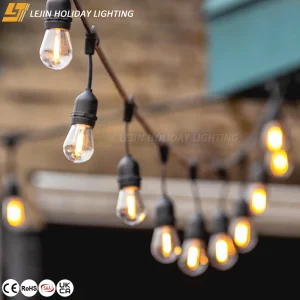
Demands superior color rendering (CRI > 90), color temperature consistency (within 3-step MacAdam ellipses), and architectural integration to enhance guest experiences.
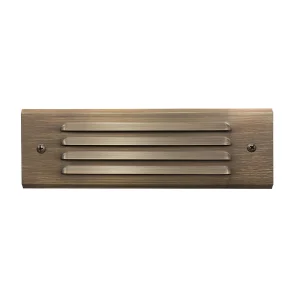
Focuses on high-impact resistance (IK ratings), IP67/IP68 dust and moisture seals, and salt-spray-resistant materials to ensure structural longevity.
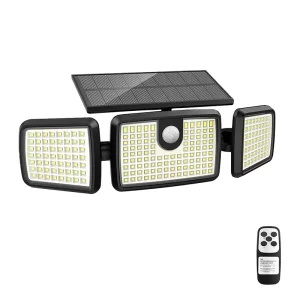
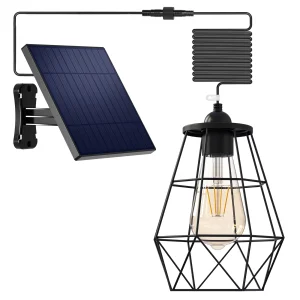
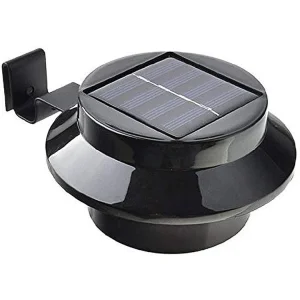
Employs smart dusk-to-dawn sensors, high-efficiency monocrystalline solar panels, and optimized LED drivers to run autonomously grid-free.
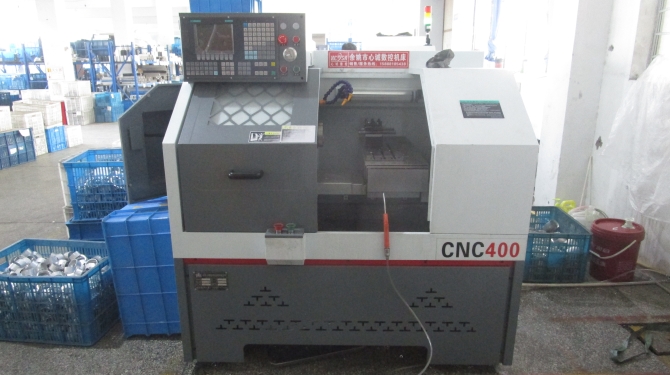
The global dominance of Chinese lighting exporters is no longer driven solely by labor advantages. It is powered by the transition to Industry 4.0 standards. Advanced manufacturing clusters in Guangdong (such as Jiangmen and Zhongshan) have created a highly integrated ecosystem where design, raw material synthesis, precision CNC machining, and automated logistics occur within a single regional hub.
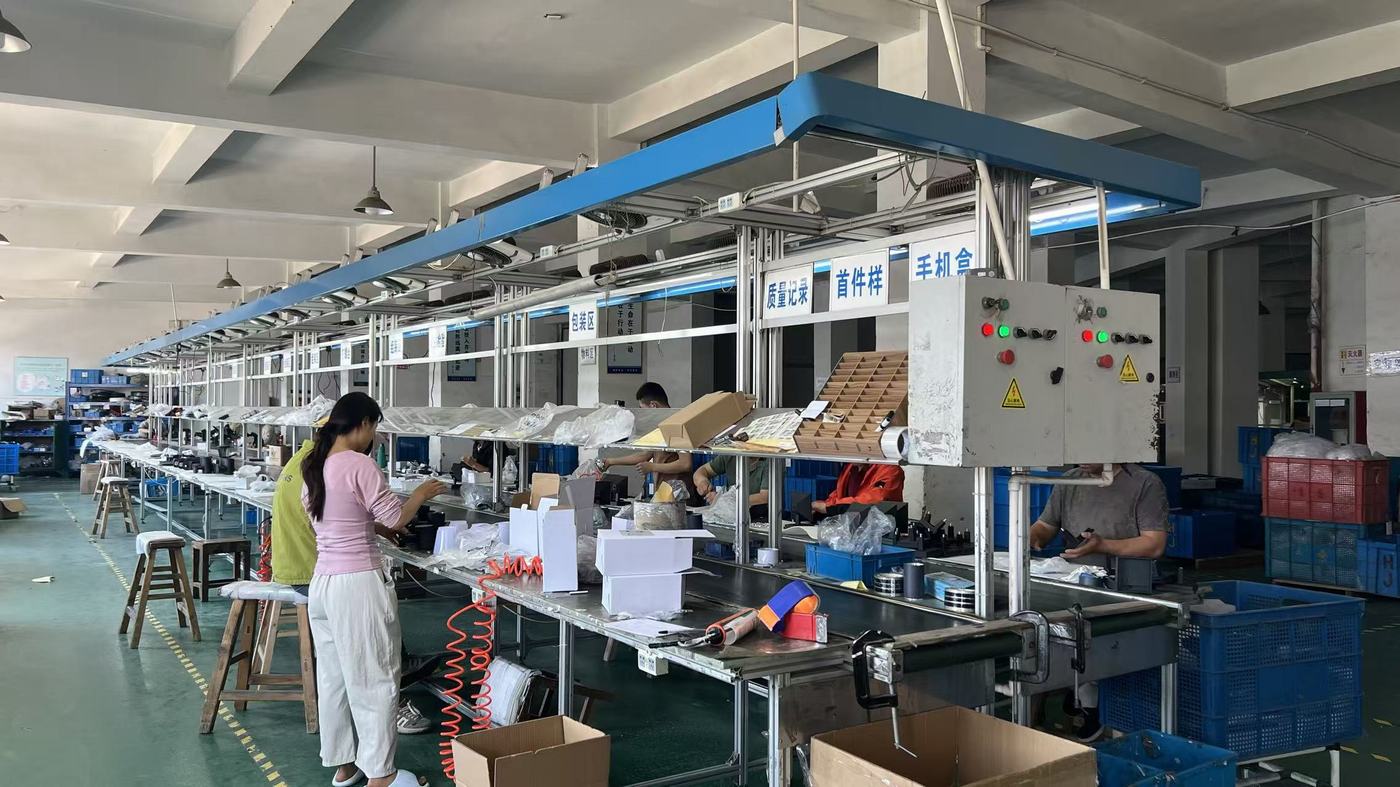
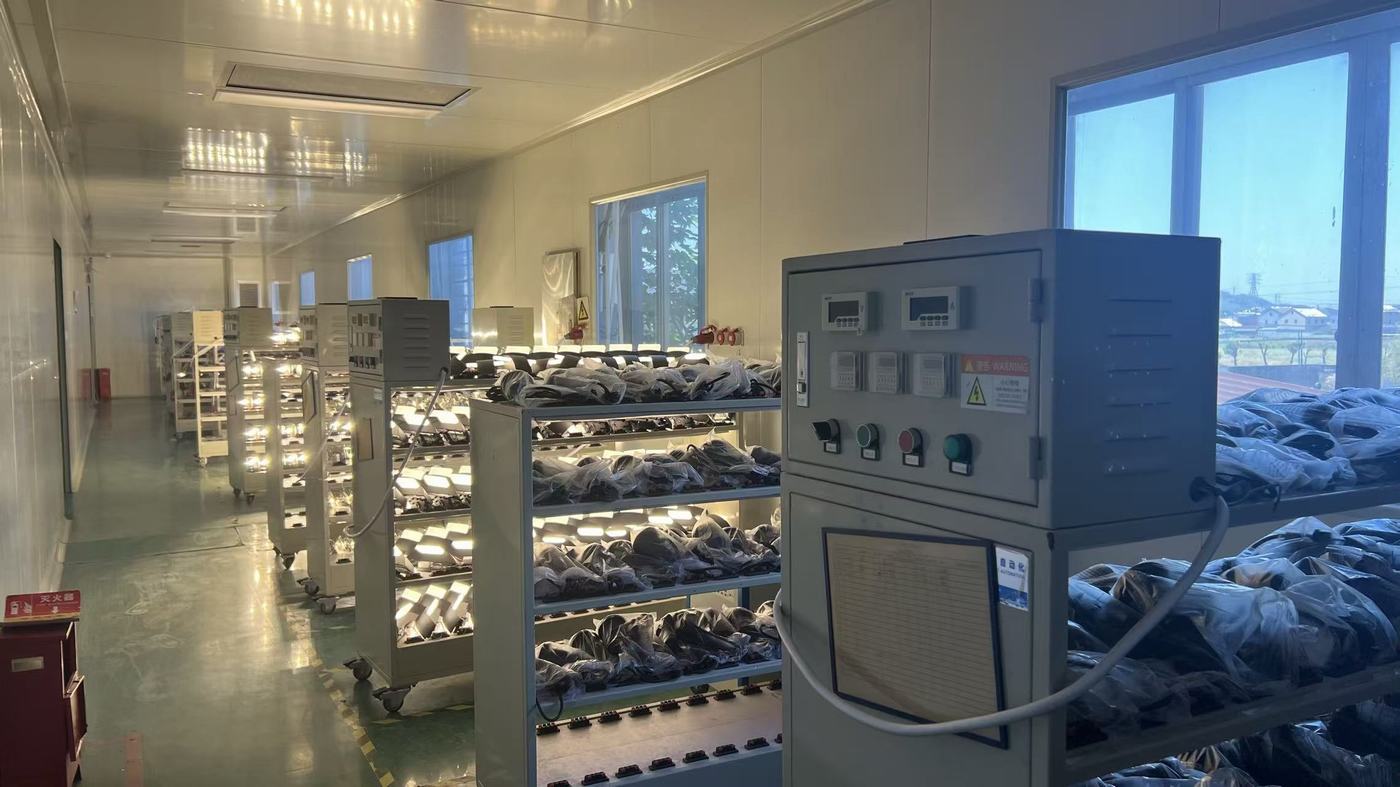
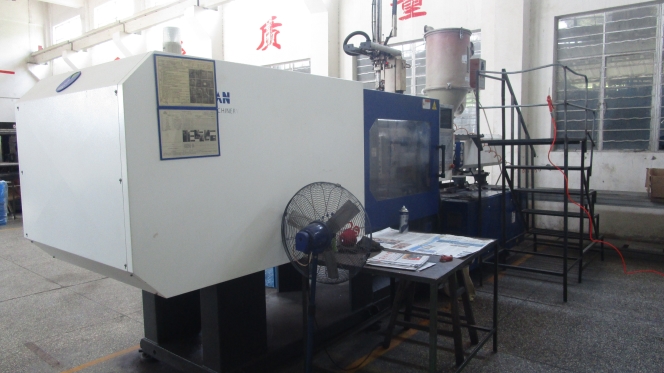
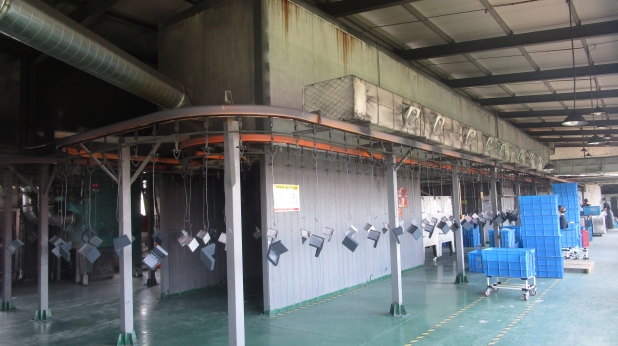
This industrial integration guarantees incredible supply chain resilience. While regional disruptions break isolated manufacturing networks, Chinese facilities utilize deep vertical integration. An advanced ERP system coordinates operations from raw material ingestion to automated powder-coating processes, aging diagnostics, and final assembly lines. The result is a dramatic compression of typical production cycles, allowing for fast-track custom engineering (ODM/OEM) without compromising on quality metrics.
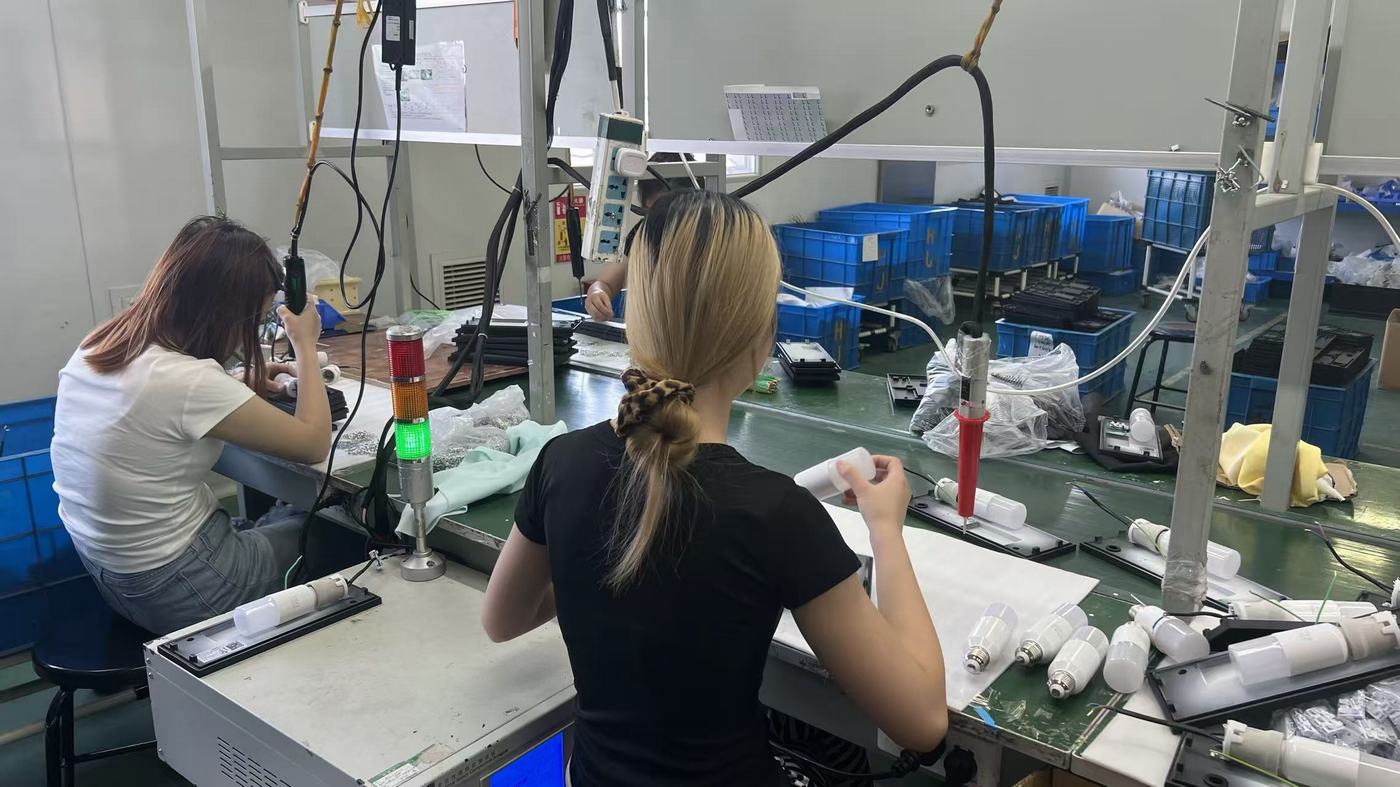
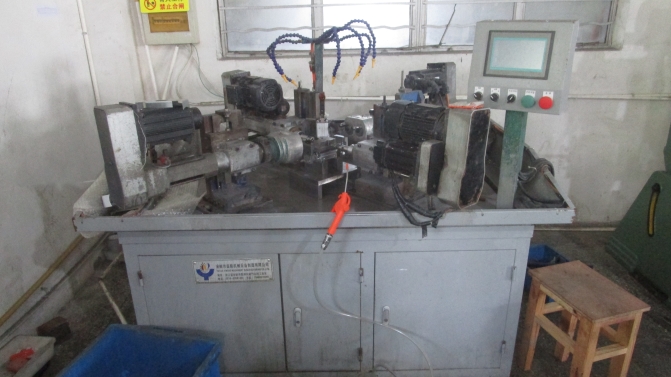
Furthermore, automation has redefined product consistency. CNC milling machines, integrated multi-axis drilling systems, and robotic painting application lines ensure tolerances within fractions of a millimeter. This degree of structural consistency minimizes failures on-site, bringing down total cost of ownership (TCO) for global distributors and project owners.
Established in 2007, Jiangmen Dixon Lighting Co., Ltd. stands as a premier example of advanced manufacturing in the outdoor lighting sector. For over 15 years, Dixon has engineered, manufactured, and supplied highly efficient, weather-resilient, and modern outdoor lighting systems for the global market, serving clients across North America, Europe, Australia, and Asia.
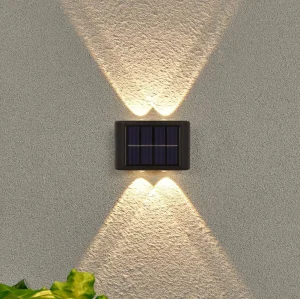
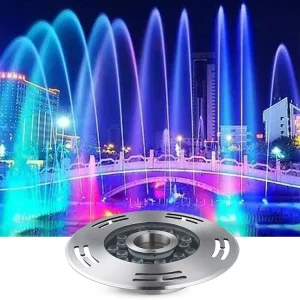
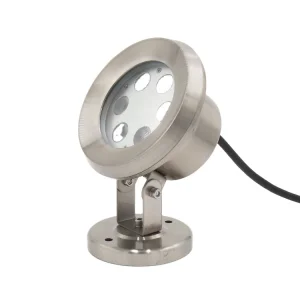
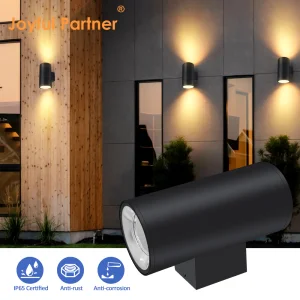
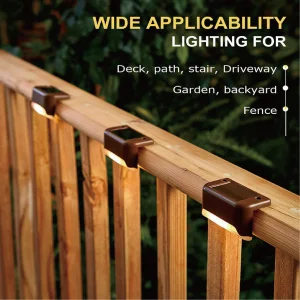
From its modern facility exceeding 5,000 square meters, Dixon operates a highly structured, ISO-compliant manufacturing environment. Backed by a professional R&D department, the company has built a wide-ranging catalog that covers architectural up-and-down wall lights, high-security motion sensor floodlights, deck and patio lighting, solar-powered path finders, and underwater IP68 pool luminaires.
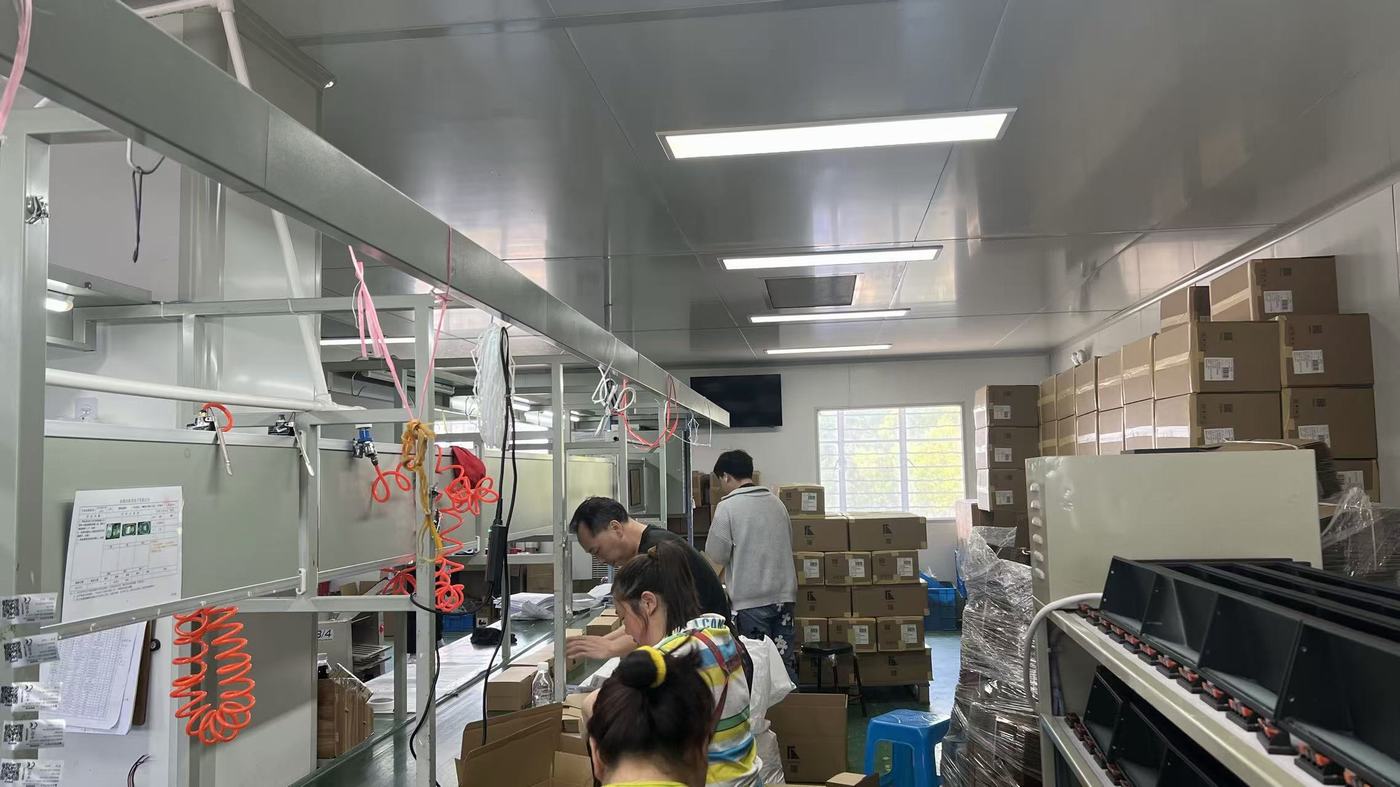
Dixon’s commitment to strict quality control is managed via an advanced enterprise resource planning (ERP) framework. Every single component—from raw material ingots to final packaging modules—is cataloged, tested, and tracked. Their compliance credentials, issued by world-recognized testing labs like TUV and Intertek, include CE, RoHS, and ETL certifications, confirming full compatibility with stringent safety codes across North America and Europe.
The manufacturing journey at Dixon Lighting is split into 12 major phases, combining advanced automation with human expertise to ensure flawless quality at scale.
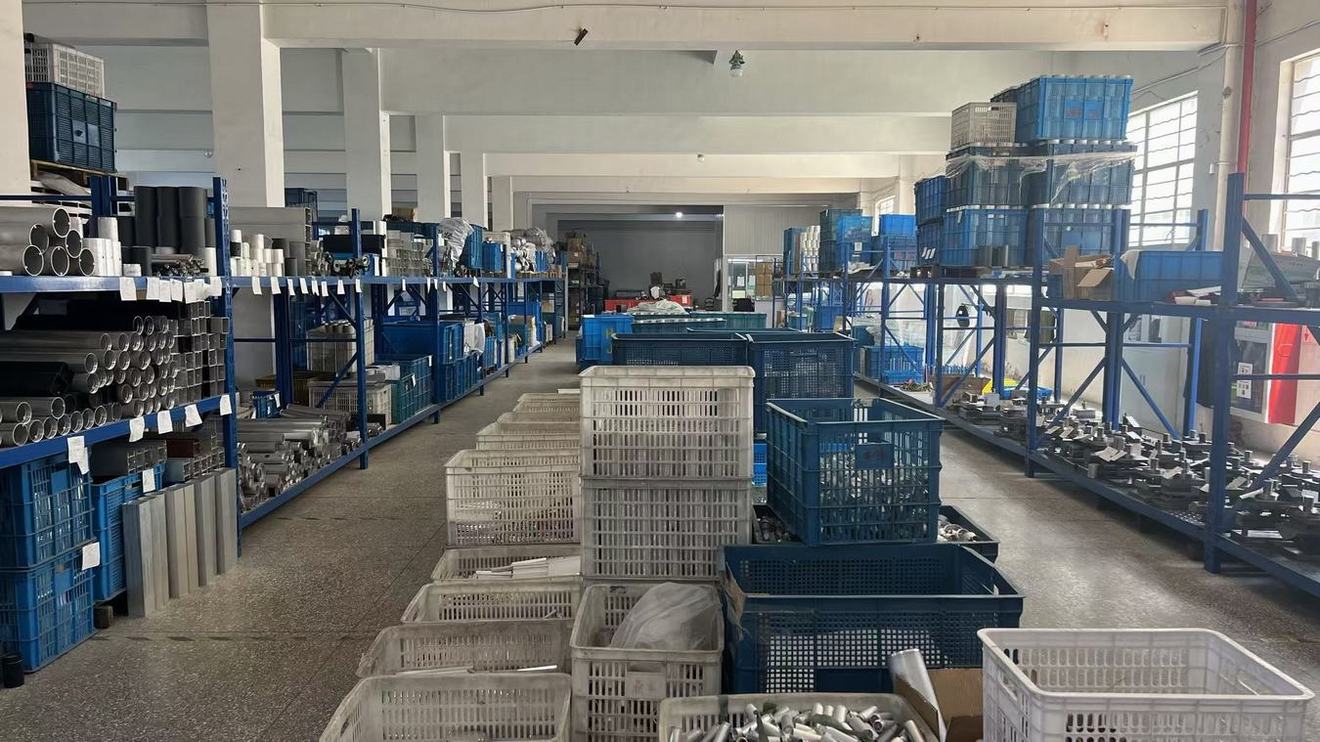
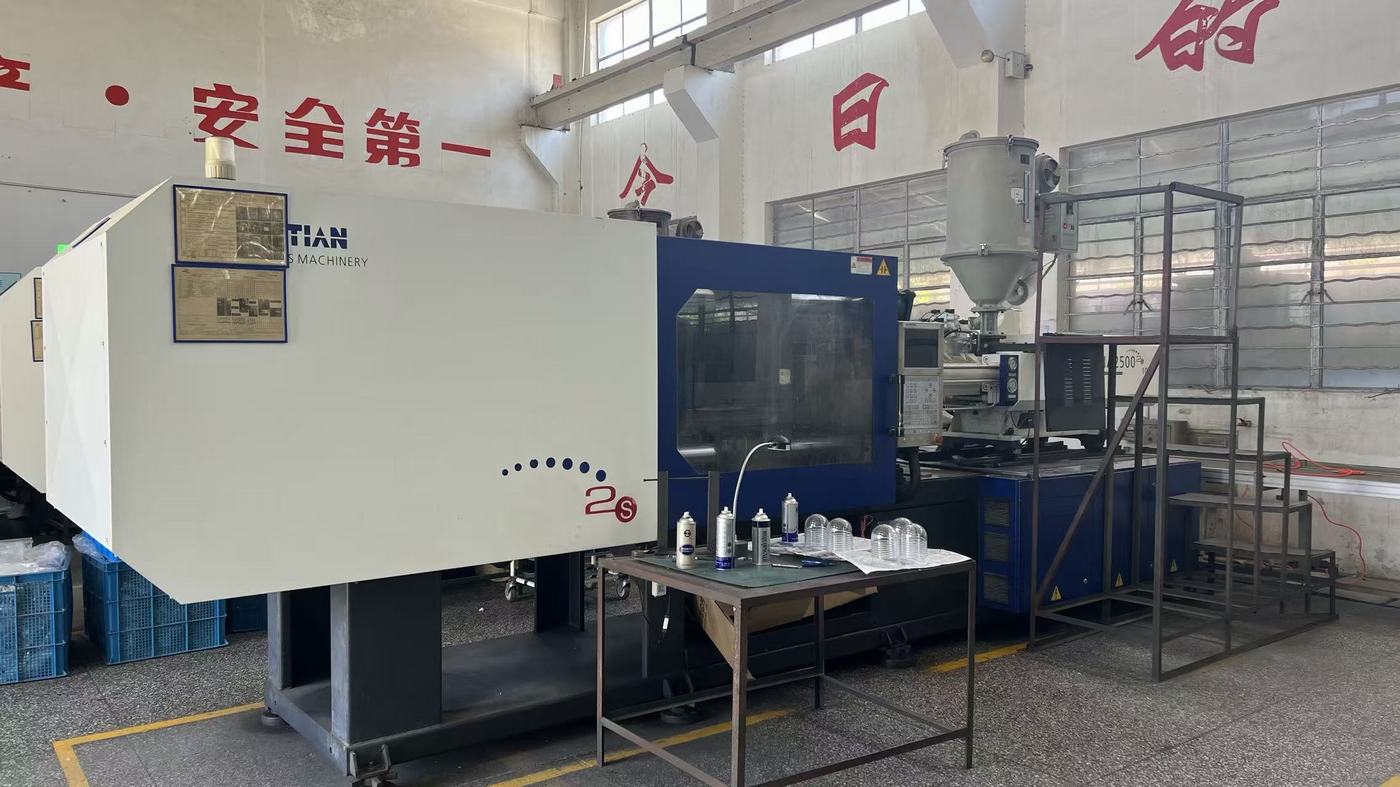
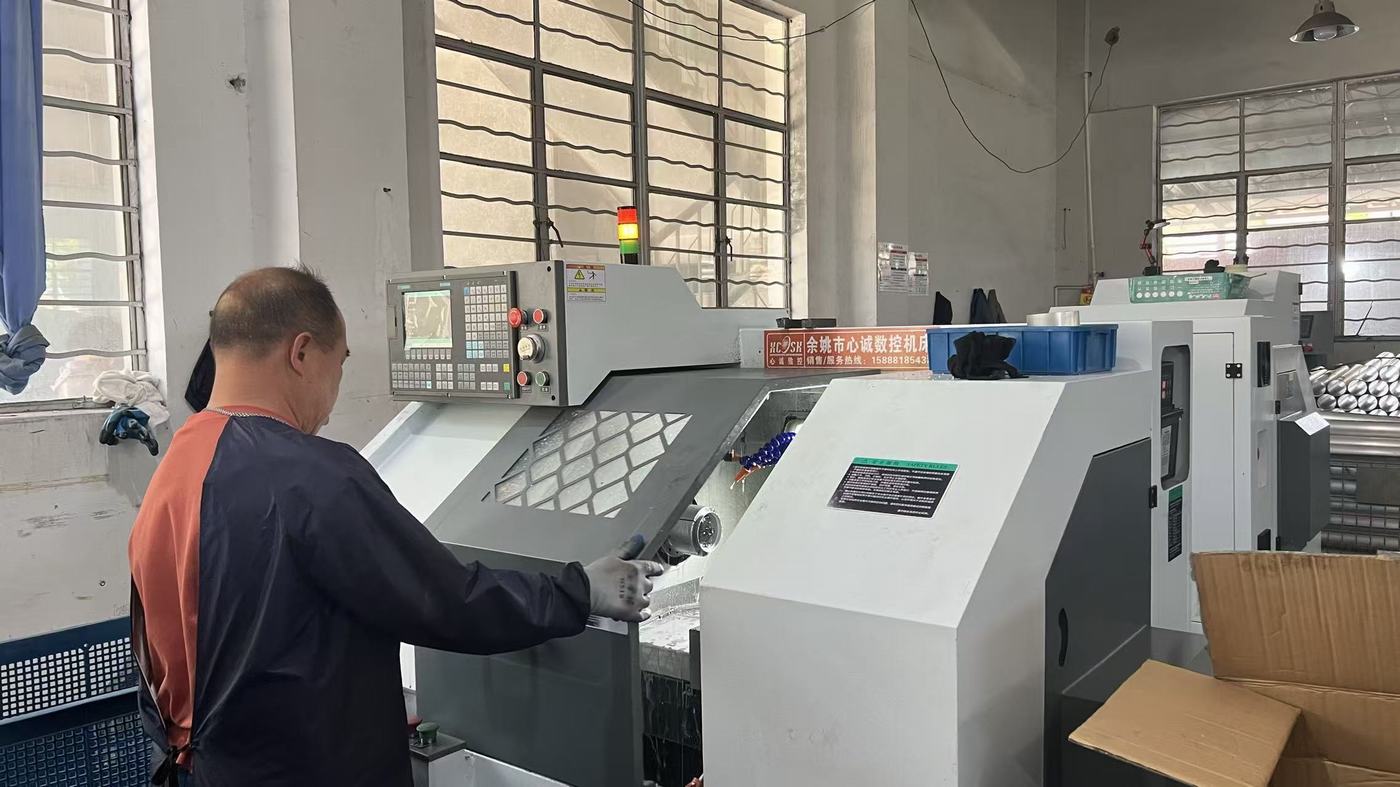
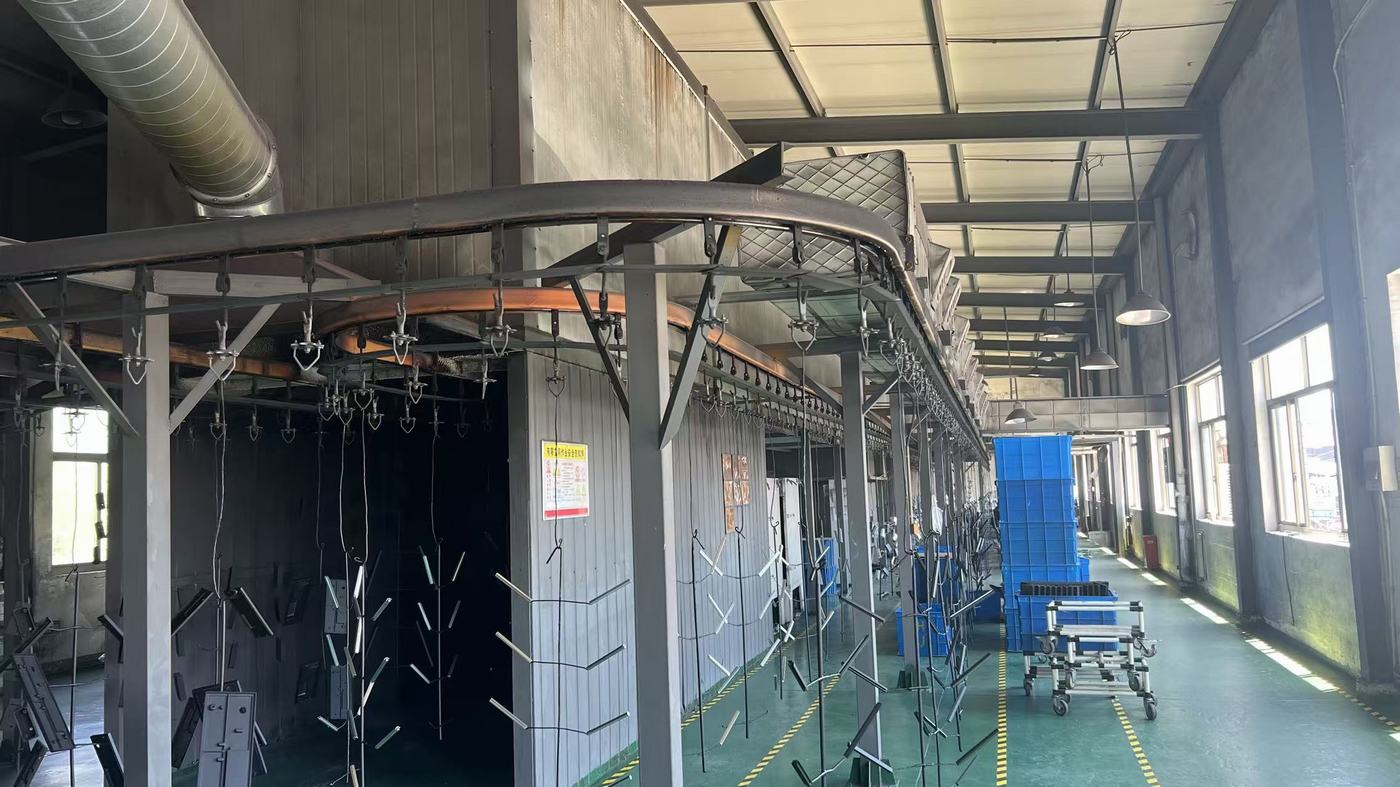
When selecting a manufacturing partner for commercial-grade sconce lighting, procurement officers must look beyond list prices. Evaluating structural and technical aspects ensures project durability and minimizes warranty claims down the line. Below is the procurement evaluation framework utilized by top-tier architectural firms:
Outdoor sconces are constantly exposed to environmental stressors. Manufacturers must provide test reports detailing their aluminum die-casting methods, powder coating thicknesses, and salt-spray resistance ratings (ASTM B117 minimum 500 hours). Lower-grade alloys contain impurities that lead to micro-fissures, causing moisture ingress and premature driver failure.
The enemy of solid-state lighting (LEDs) is heat. High-power up-and-down sconces require robust, integrated heat sinking. Check that the driver compartment is thermally isolated from the LED light engine to ensure drivers maintain a operating temperature well below 75°C. Brand-name components (such as MeanWell, Inventronics, or in-house custom-designed drivers verified through thermal tests) are essential for ensuring a lifetime exceeding 50,000 hours.
High-end projects require distinct light distributions with minimal glare. The lenses and reflectors used must shape light with high transmission efficiency while preventing chromatic aberration. If a project calls for wall-grazing effects, optical uniformity is critical; uneven light beams or color shifts across a wall will ruin the design intent.