Engineered for Advanced Efficiency & Weatherproof Resilience
High-Efficiency Optical Systems, Smart Control Integration & Ecological Footprints
The industrial and architectural landscape has undergone an structural shift. Traditional high-pressure sodium (HPS) and metal halide fixtures have yielded completely to solid-state LED systems. However, the modern definition of a premium floodlight extends far beyond merely swapping light sources. Global regulations regarding energy efficiency—such as the European Union's Energy-related Products (ErP) directive and North America’s DesignLights Consortium (DLC) Premium standards—require manufacturers to optimize luminous efficacy to previously unachievable metrics: up to 180 lm/W to 200 lm/W.
At the core of this technical leap is advanced material science. High-density, copper-free die-cast aluminum alloys integrated with thermal-break cooling channels form the mechanical backbones. They maintain the junction temperatures of COB (Chip on Board) and SMD arrays below 85°C. At the same time, optics are transitioning toward customized PMMA (polymethyl methacrylate) and optical-grade polycarbonate lenses that offer ultra-precise, asymmetrical beam distributions. This minimizes light pollution while maximizing target area lux levels.
Integration of microwave sensor technology, light-dependent resistors (LDRs), and IoT mesh communication protocols (such as Zigbee and DALI) transforms floodlighting from a static drain into a dynamic, demand-responsive network.
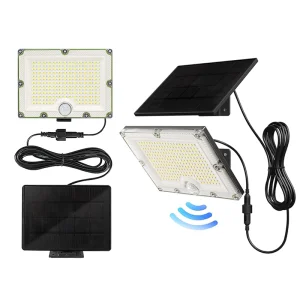
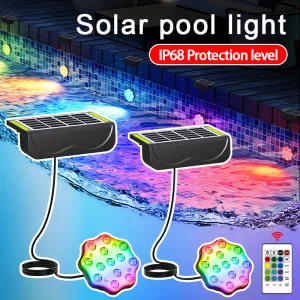
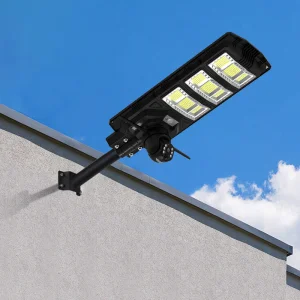
High-capacity monocrystalline solar panels linked to Lithium Iron Phosphate (LiFePO4) battery packs represent the frontier of remote outdoor lighting, eliminating civil grid construction expenses and maximizing environmental compatibility.
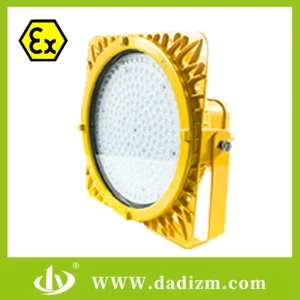
Industrial applications demand flameproof, explosion-resistant fixtures certified for ATEX/IECEx Zones. These enclosures withstand structural pressures, preventing external gases or combustible dusts from contacting electrical components.
Decoupling Key Parameters: Luminous Flux, Lux Targets & Environmental Protection Ratings
Project managers, electrical contractors, and wholesale distributors face a complicated matrix of requirements when qualifying potential manufacturers. Selecting a partner based solely on cost-per-watt is a common error. Advanced system design requires understanding the following parameters:
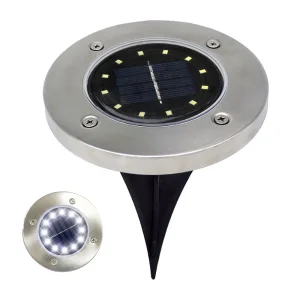
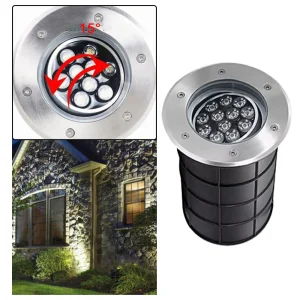
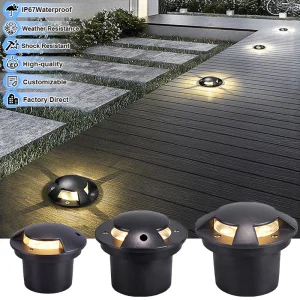
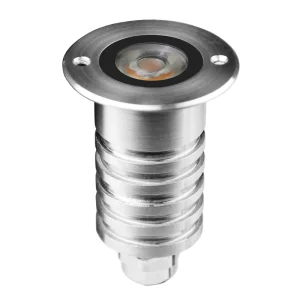
Exterior installations are vulnerable to dust, rain, and debris. While IP65 is acceptable for basic wall-mounted security fixtures, underground well-lights and submersible applications require IP67 or IP68, along with an IK08 to IK10 mechanical impact rating to resist vandalism and vehicle weight.
The efficiency of a light engine indicates how much energy is converted into usable light rather than thermal waste. High-efficacy luminaires deliver greater brightness (lumens) at lower wattages, dramatically reducing operational costs and wire gauge requirements.
Security lighting benefits from cool, clean illumination (5000K-6000K) to enhance visibility. Architectural facade and landscape applications require warmer profiles (2700K-3000K) and high rendering index values (CRI ≥ 80) to preserve natural colors and textures.
15+ Years of Dedicated Expertise in Global Outdoor Luminaires & Custom Solutions
Established in 2007, Jiangmen Dixon Lighting Co., Ltd. has spent over 15 years developing and manufacturing high-durability, energy-efficient outdoor lighting solutions. With markets stretching across North America, Europe, Australia, and Asia, Dixon has positioned itself as an industry leader in residential, commercial, and architectural landscape lighting.
Our facility is equipped with an integrated production model, utilizing an advanced Enterprise Resource Planning (ERP) management system alongside rigorous ISO 9001 quality compliance procedures. Dixon’s catalog ranges from heavy-duty security floodlights and intelligent motion-sensor panels to high-design up-and-down wall sconces, solar gutter lights, and submersible pool fixtures.
Inside Dixon Lighting's Manufacturing Facilities and Technical Standard Procedures
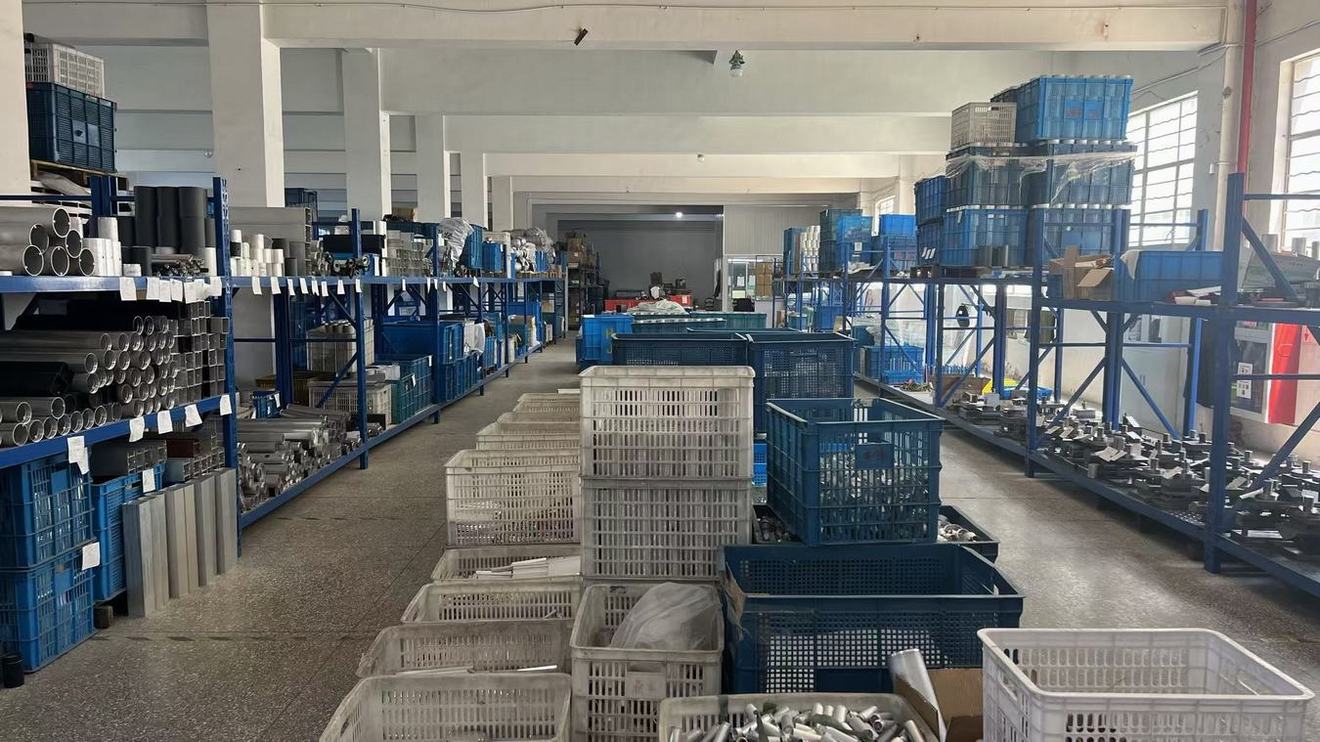
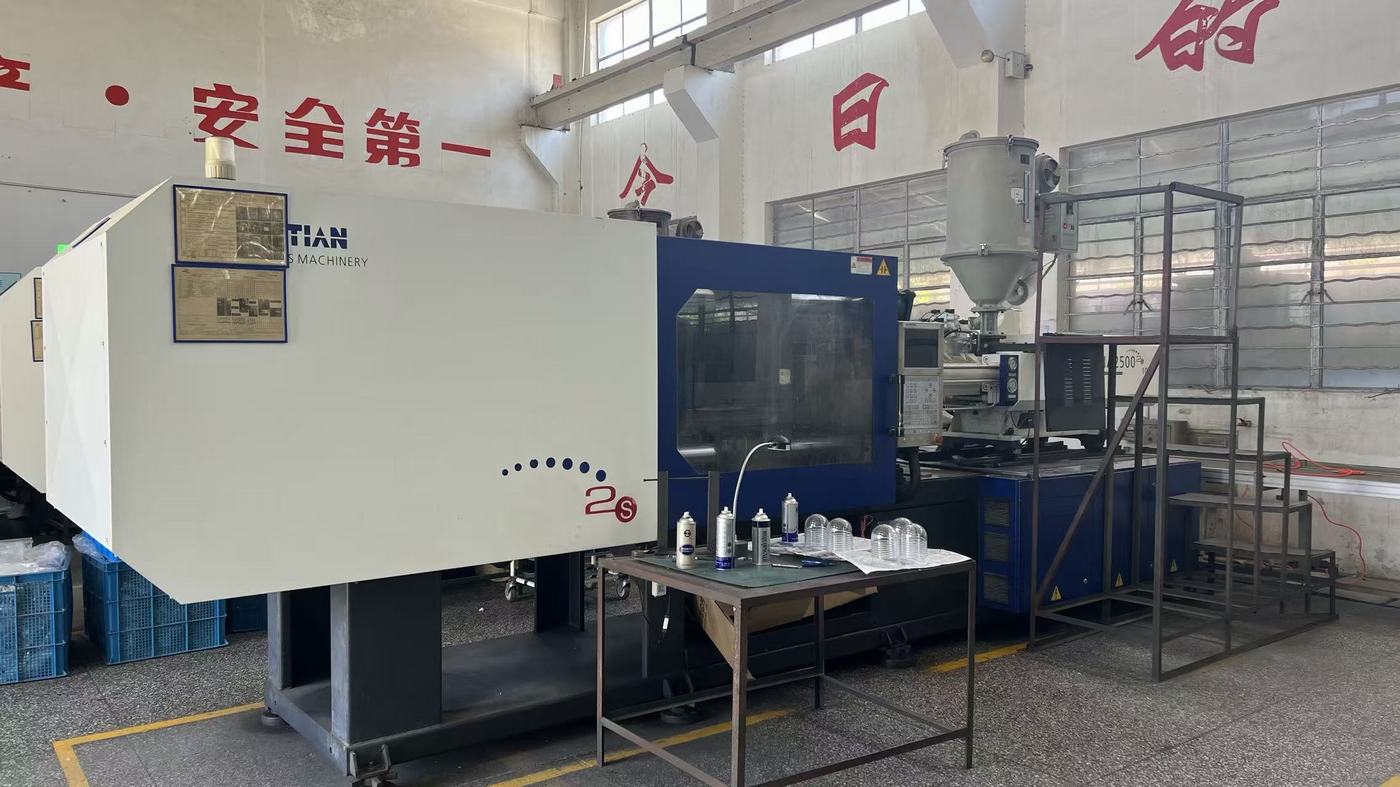
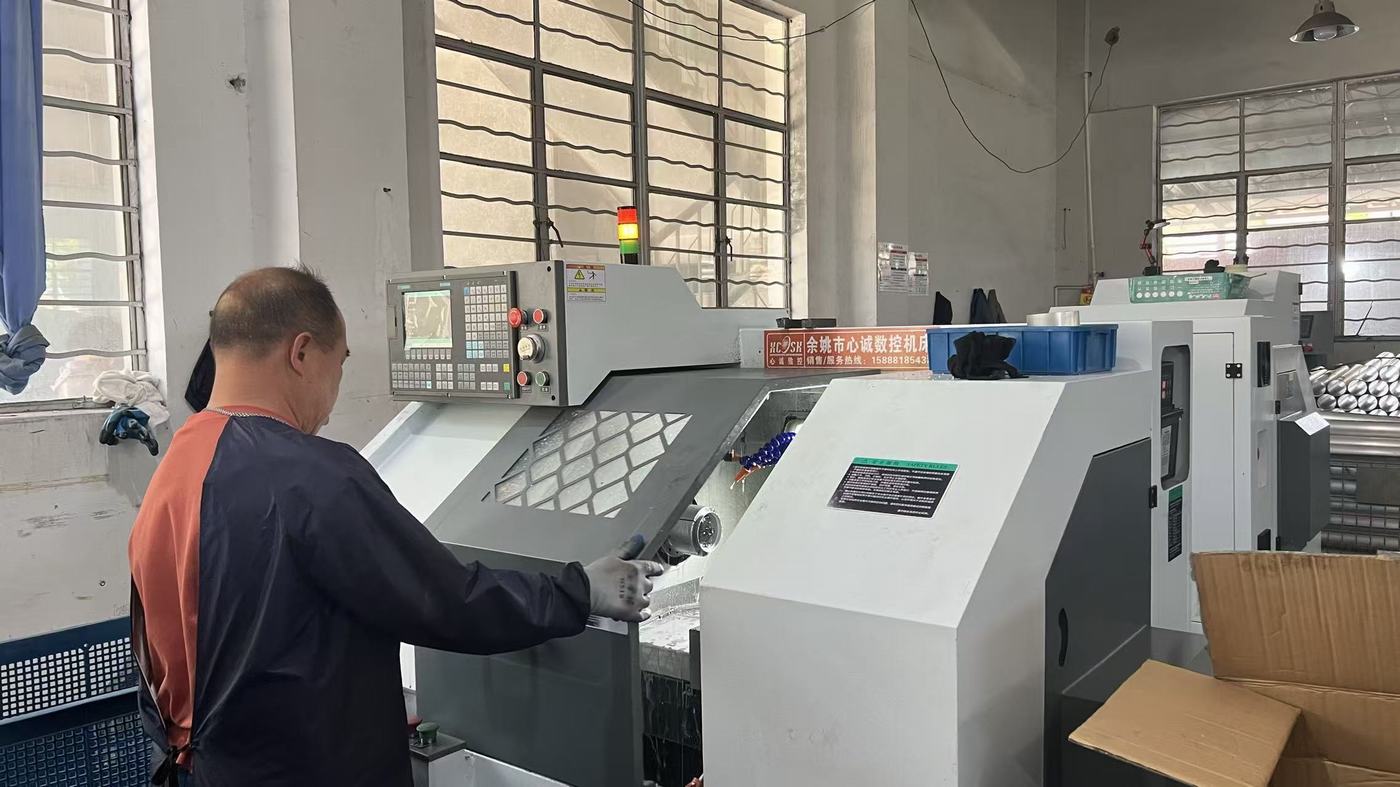
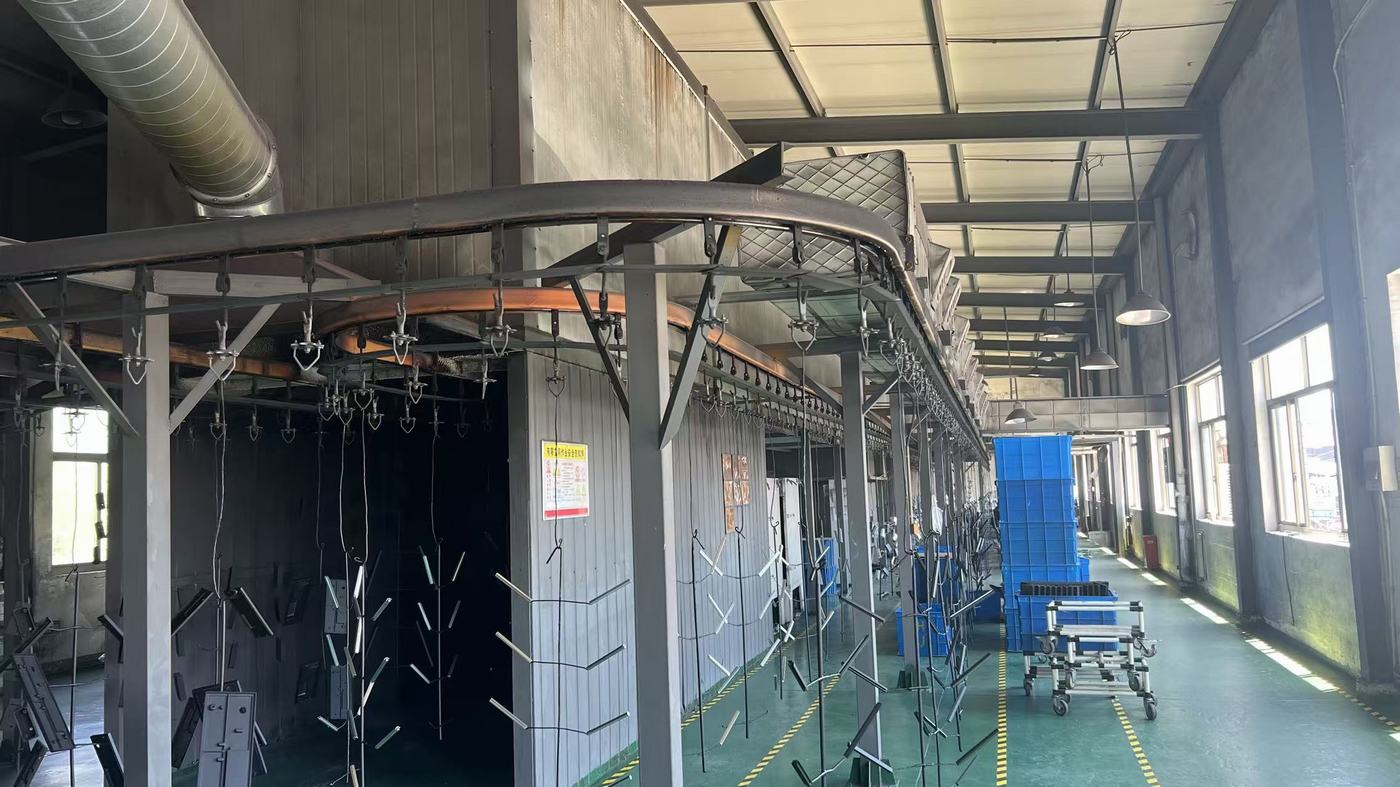
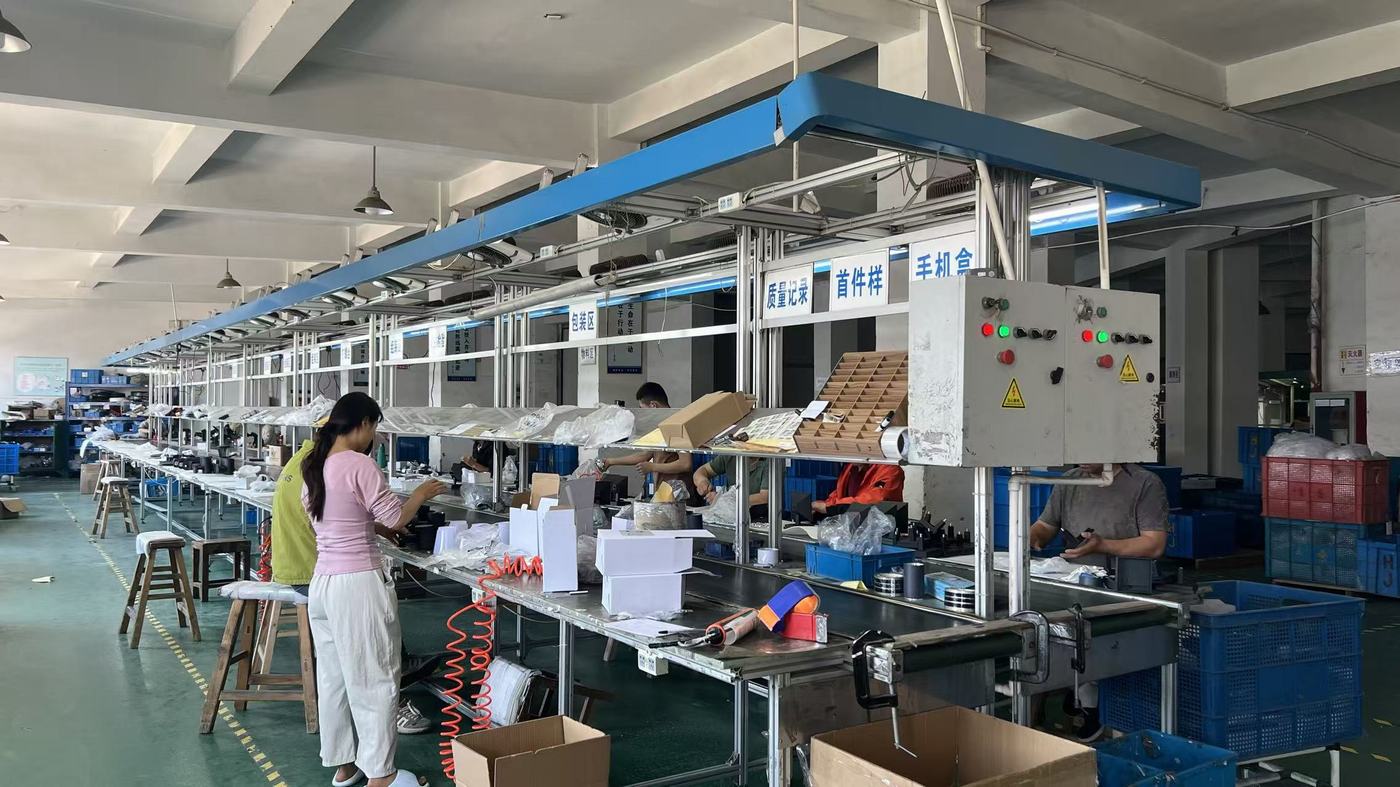
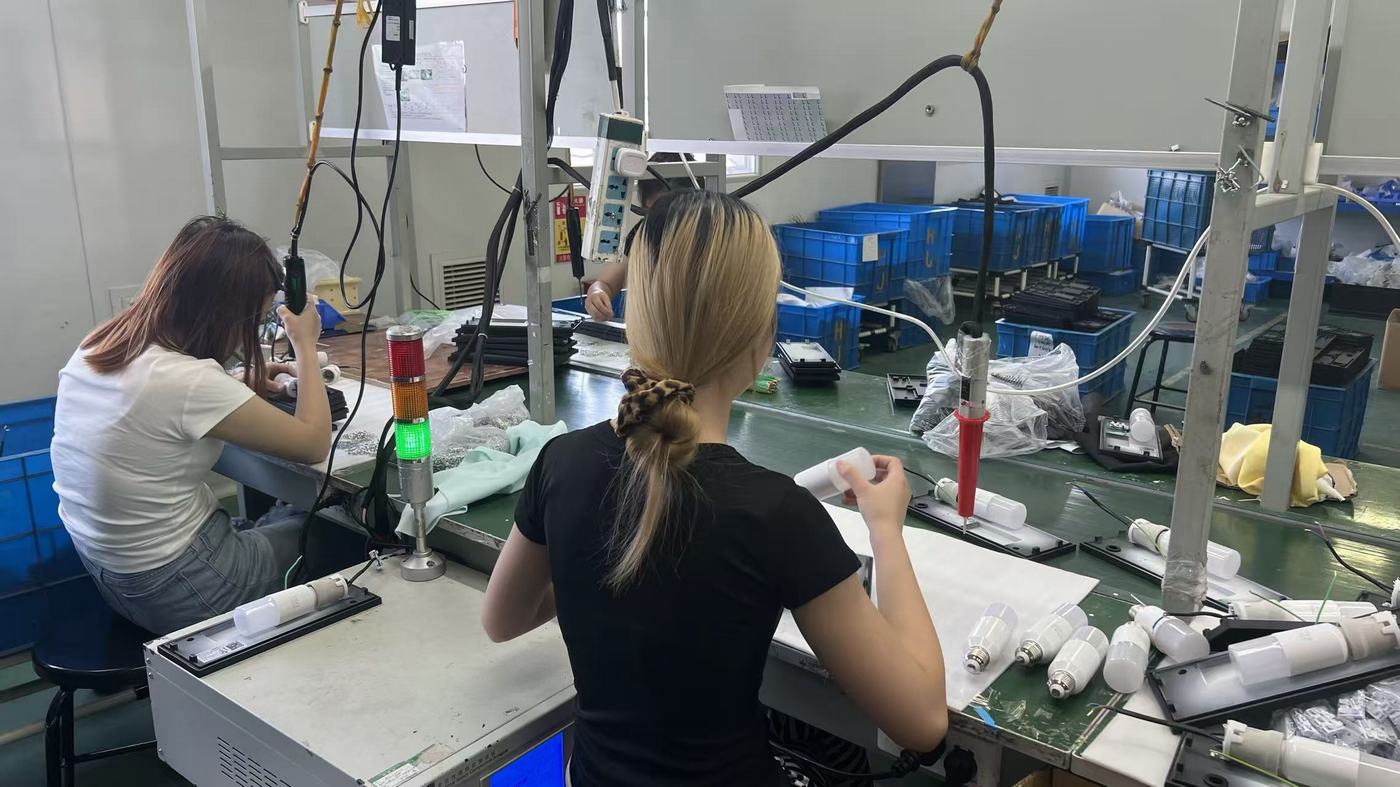
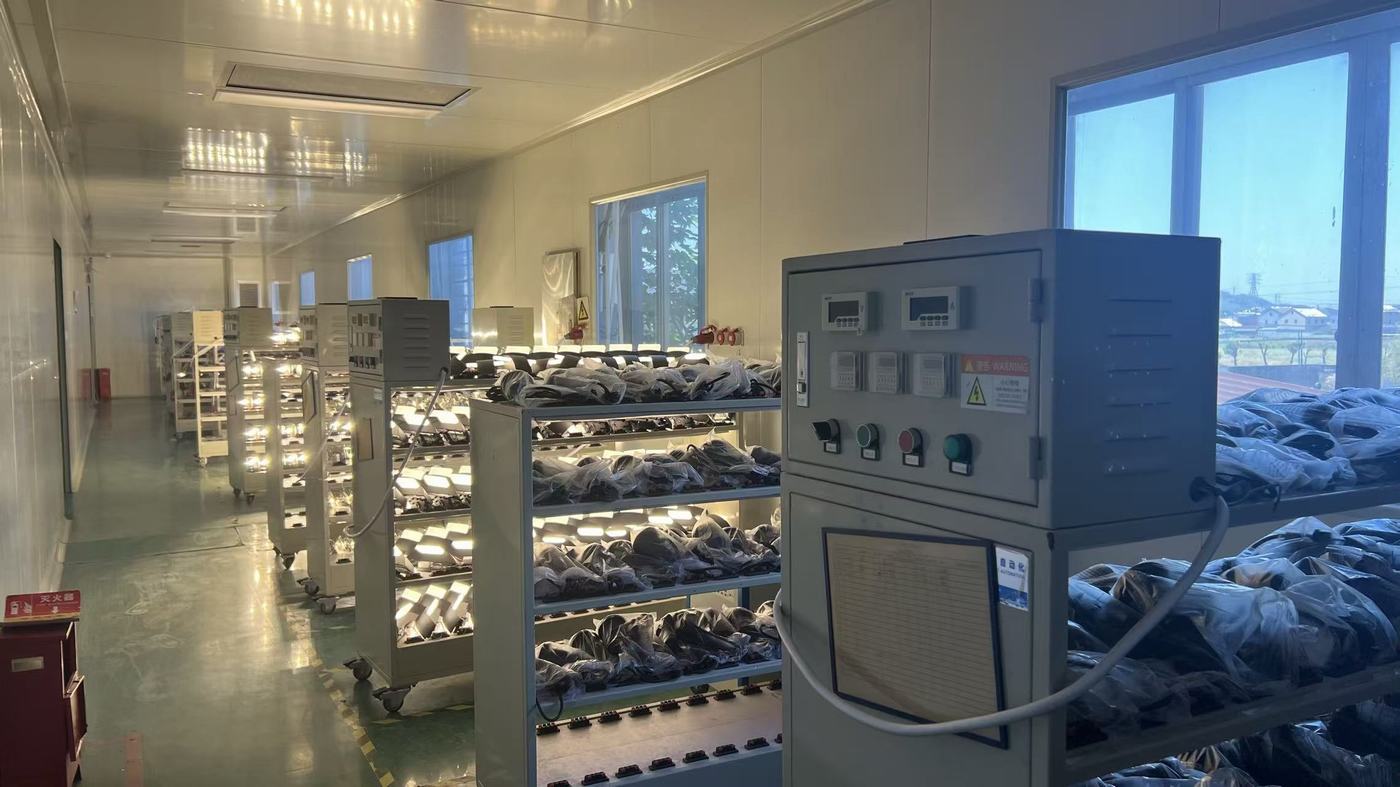
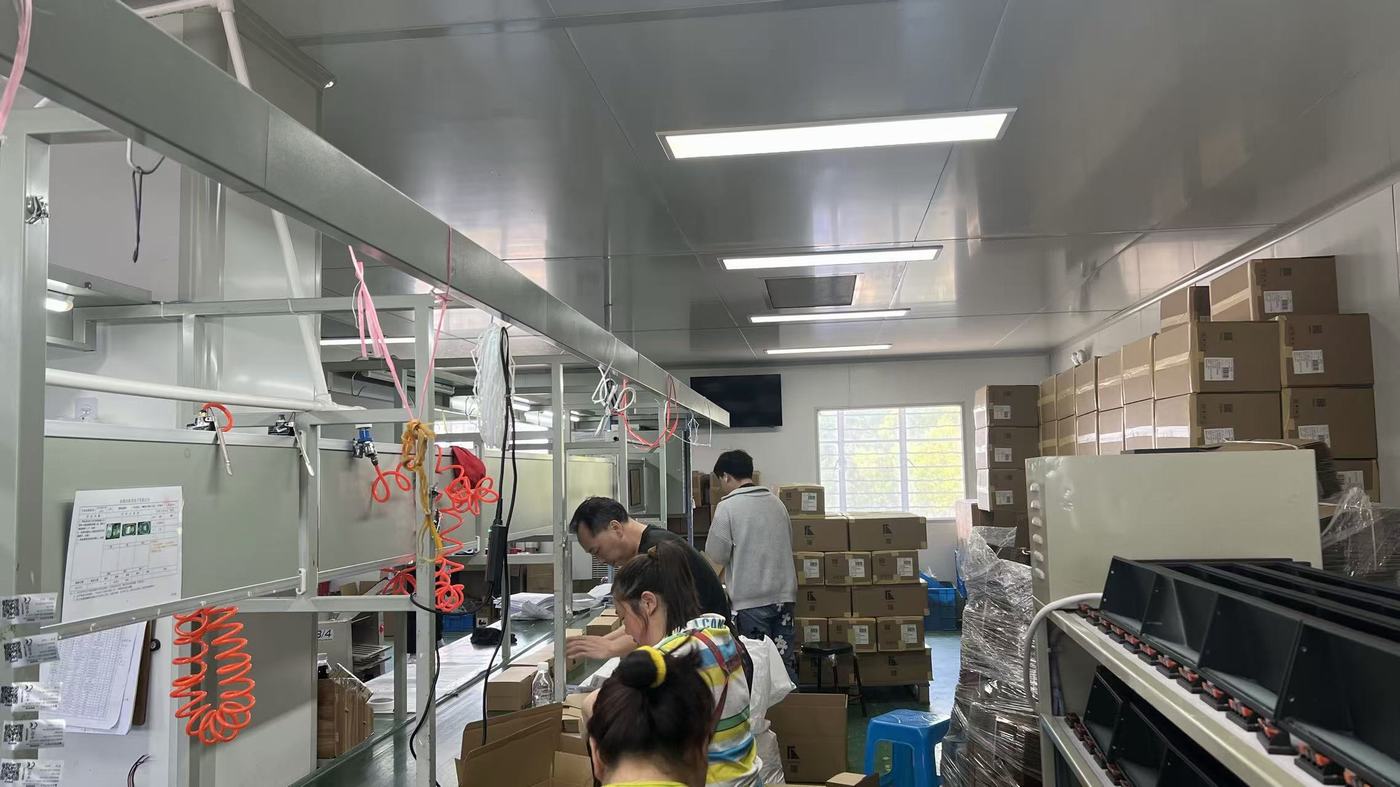
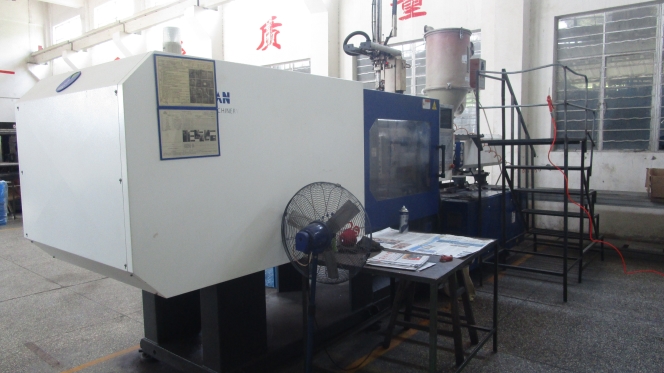
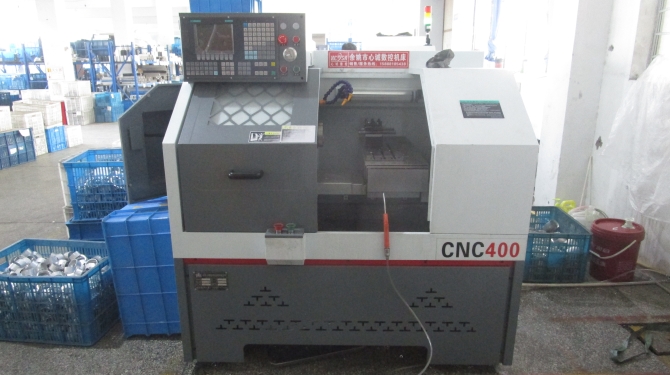
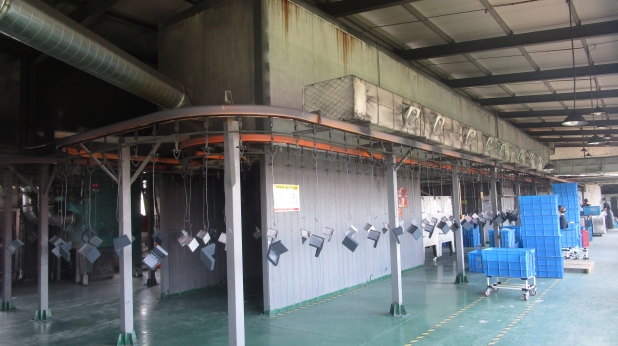
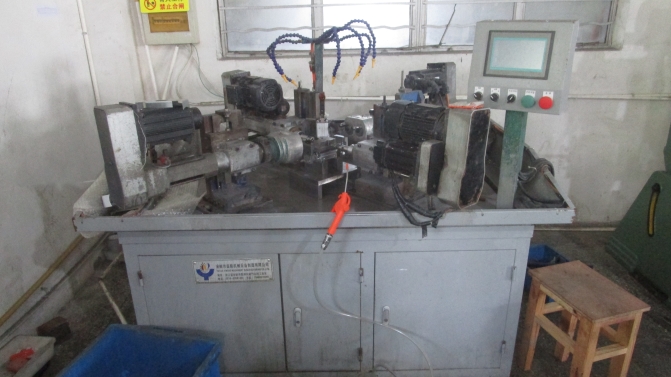
Every step in the manufacturing process—from high-pressure die-casting to final automated drilling, tapping, and aging tests—is monitored under ISO guidelines. Quality control steps verify structural tolerances, sealing effectiveness, and light engines under extreme current loads before shipping.
Tailoring Photometric Output to Meet Architectural & Industrial Demand
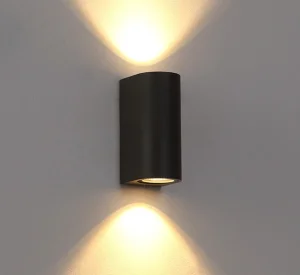
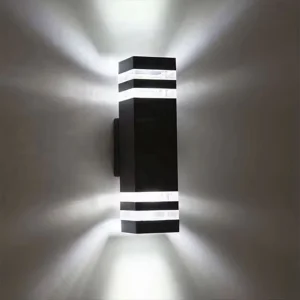
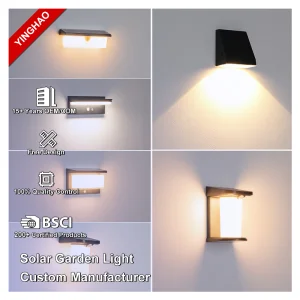
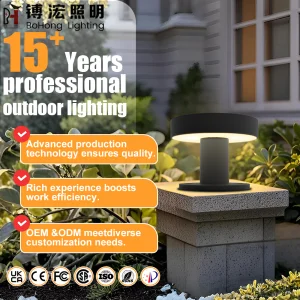
Using up-and-down exterior wall lights, landscape well lights, and linear wall washers allows lighting designers to craft visually engaging spaces, accentuate building columns, and improve safety along walkways and paths.
Explosion-proof floodlighting fixtures provide safe, high-efficacy illumination in petrochemical plants, coal mining facilities, and heavy fabrication spaces where flammable vapors, gases, or dust are present.
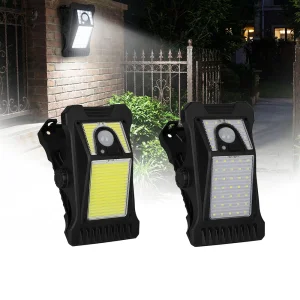
Equipping cities with solar-powered street, security, and lawn lighting reduces municipal grid reliance. Integrated security cameras and motion sensors turn streetlights into smart safety nodes.
Navigating International Standards: CE, RoHS, ETL, TUV & Intertek
High-power lighting solutions must meet safety and efficiency standards to clear customs and pass local regulations. Dixon Lighting maintains a robust certification framework, audited by leading testing laboratories including TUV SUD and Intertek:
Validates safety and restricts hazardous substances in electrical and electronic equipment throughout the European Economic Area.
Confirms product compliance with North American safety standards (UL 1598) and is widely recognized by inspectors and distributors.
Ensures systematic management of the supply chain, production procedures, and quality validation records to prevent defects.
Our Future R&D Goals and Design Philosophies
Targeting a 220 lm/W production baseline. Integrating neural-network motion sensors that differentiate human movement from wind, rain, or small animals to reduce false activations and optimize power consumption.
Deploying perovskite-silicon tandem solar panels to achieve solar conversion efficiencies exceeding 28%. Coupling this with smart battery management systems (BMS) to prolong LiFePO4 battery life in cold regions.
Shifting production toward 100% recyclable casing alloys and modular internal layouts. This design allows components like drivers and LED boards to be easily serviced and upgraded, minimizing electronic waste.
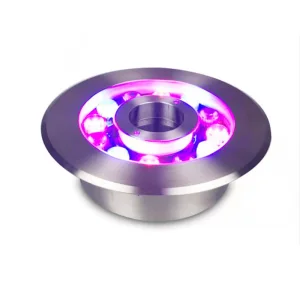
Landscape Lighting, Underwaters, and Specialty Hazardous Area Fixtures
Expert Guidance for Technical Specifiers and Global Sourcing Teams
