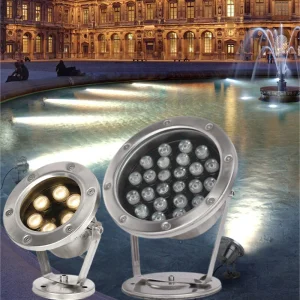
In the contemporary urban landscape, lighting has evolved from a basic utility into a key driver of architectural narrative, urban night-economy, and civic pride. High-performance decorative flood lights no longer simply disperse darkness; they dynamically define shapes, accentuate complex materials, and contribute directly to the visual branding of global metropolises. As a premier China decorative flood lights manufacturer and supplier, Jiangmen Dixon Lighting Co., Ltd. stands at the intersection of optoelectronic engineering and artistic lighting design.
Global market intelligence shows an increasing demand for highly specialized solid-state decorative floodlights. This growth is driven by the expansion of architectural conservation projects, high-end hospitality projects, urban renewal projects, and smart infrastructure upgrades. Today's decorative floodlights must deliver high luminous efficacy while offering precise beam control, spectral tuning capabilities, smart networking protocols, and superior durability against harsh environmental conditions.
This whitepaper examines the technical framework, global engineering challenges, and quality control systems that define superior architectural floodlighting. By understanding the core parameters of thermal dynamics, photometrics, and international certification standards, procurement directors and landscape architects can make informed, value-driven decisions that deliver long-term reliability and high performance.
Architectural decorative floodlighting requires custom engineering solutions to meet the demands of different environments. Different projects present unique challenges, from handling wind resistance on high-rise facades to resisting moisture in coastal areas.
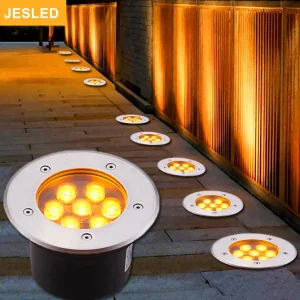
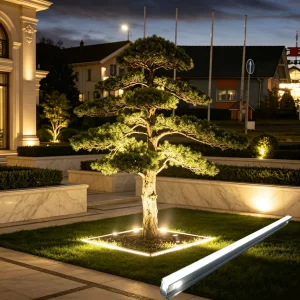
Lighting historic masonry and complex heritage structures requires precise color temperature selection (typically 2200K - 2700K) to highlight natural stone tones. Our solutions feature high Color Rendering Index (CRI ≥ 90) and narrow-beam optics to minimize light spill and prevent light pollution in surrounding areas.
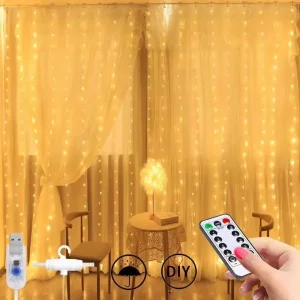
Public squares require high-durability, smart-controlled lighting. Our DMX512-compatible RGBW floodlights integrate with centralized municipal building automation networks. They enable dynamic lighting displays, astronomical time-clock scheduling, and automated power-saving modes during off-peak hours.
Coastal applications expose luminaires to high humidity and salt spray. Dixon Lighting designs marine-grade floodlights featuring copper-free die-cast aluminum, electrophoresis pretreatment, double-layer thermosetting powder coating, and 316 stainless steel fasteners. These components prevent galvanic corrosion and ensure a long operating life.
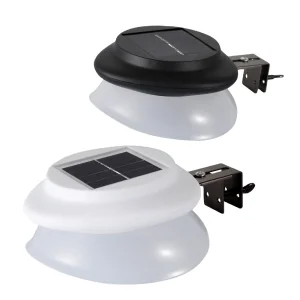
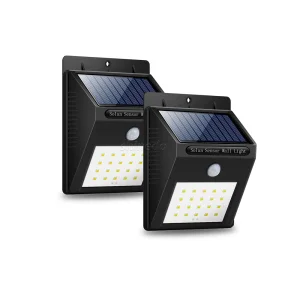
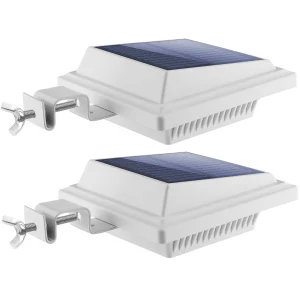
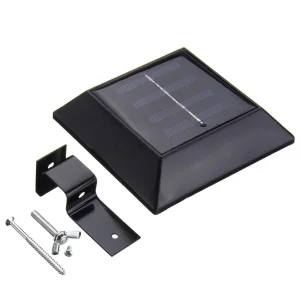
Beyond aesthetic concerns, modern architectural decorative floodlights must meet strict sustainability requirements. Integrating solar-powered architectures, highly efficient driver topologies (Power Factor > 0.95, Low Total Harmonic Distortion < 15%), and intelligent motion sensing systems allows developers to significantly reduce carbon footprints without compromising visual appeal.
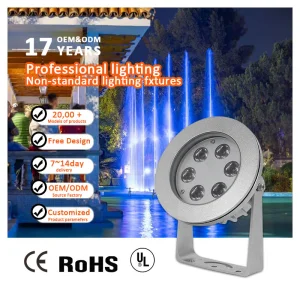
Compliance is a key factor when importing and installing outdoor decorative lighting. Different jurisdictions enforce strict technical, safety, and ecological mandates. Dixon Lighting ensures all decorative floodlights meet global market entry criteria, backed by certifications from recognized test organizations like TUV and Intertek.
Our products are engineered to comply with UL 1598 safety standards for wet-location luminaires. The components meet FCC Part 15 class B emission limits, and solar variants comply with utility incentive program criteria.
Our lighting fixtures comply with the LVD (Low Voltage Directive), EMC (Electromagnetic Compatibility), and RoHS directives. They satisfy eco-design requirements under the EU ErP regulations, demonstrating our commitment to environmental responsibility.
We offer Dark Sky-friendly configurations featuring precise optical cutoffs (UGR < 19) and zero upward light output (ULOR = 0%). These configurations prevent urban sky glow, protect local wildlife, and comply with regional environmental codes.
To support global distributors and engineering contractors, Jiangmen Dixon Lighting Co., Ltd. provides a comprehensive localized support package. This includes:
Product reliability depends on a robust manufacturing process. Operating from a modern 5,000-square-meter facility, Jiangmen Dixon Lighting uses an ERP-driven manufacturing workflow that meets ISO standards. Below is an overview of our production stages and specialized machinery, illustrating our commitment to quality.
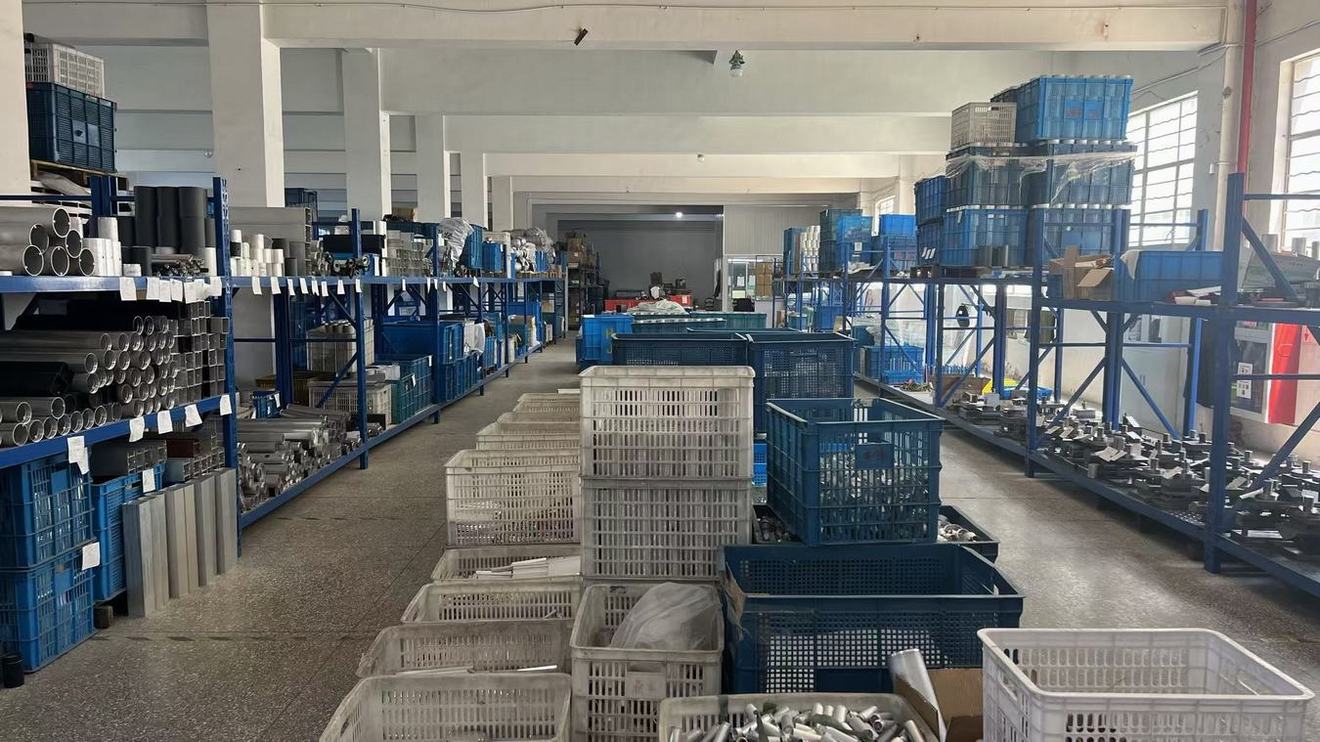
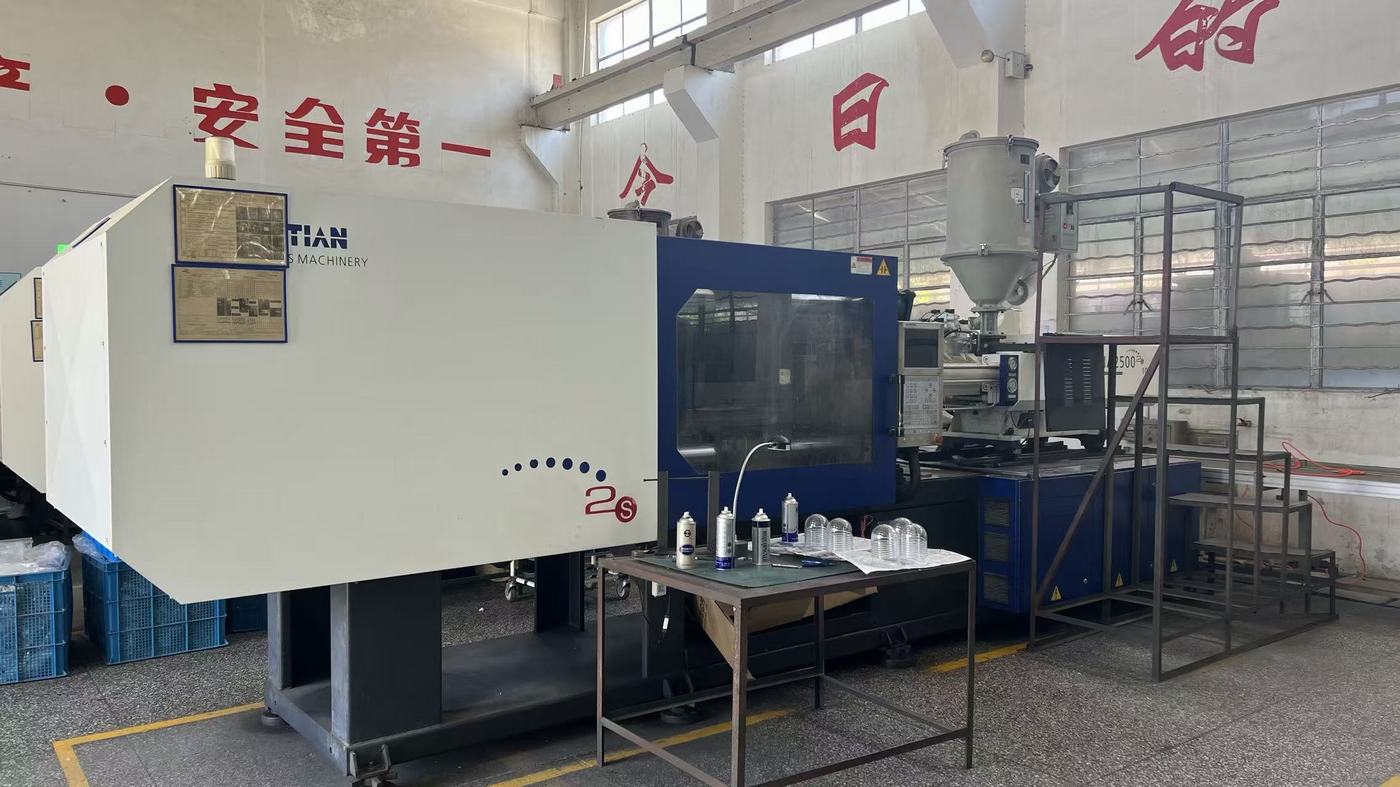
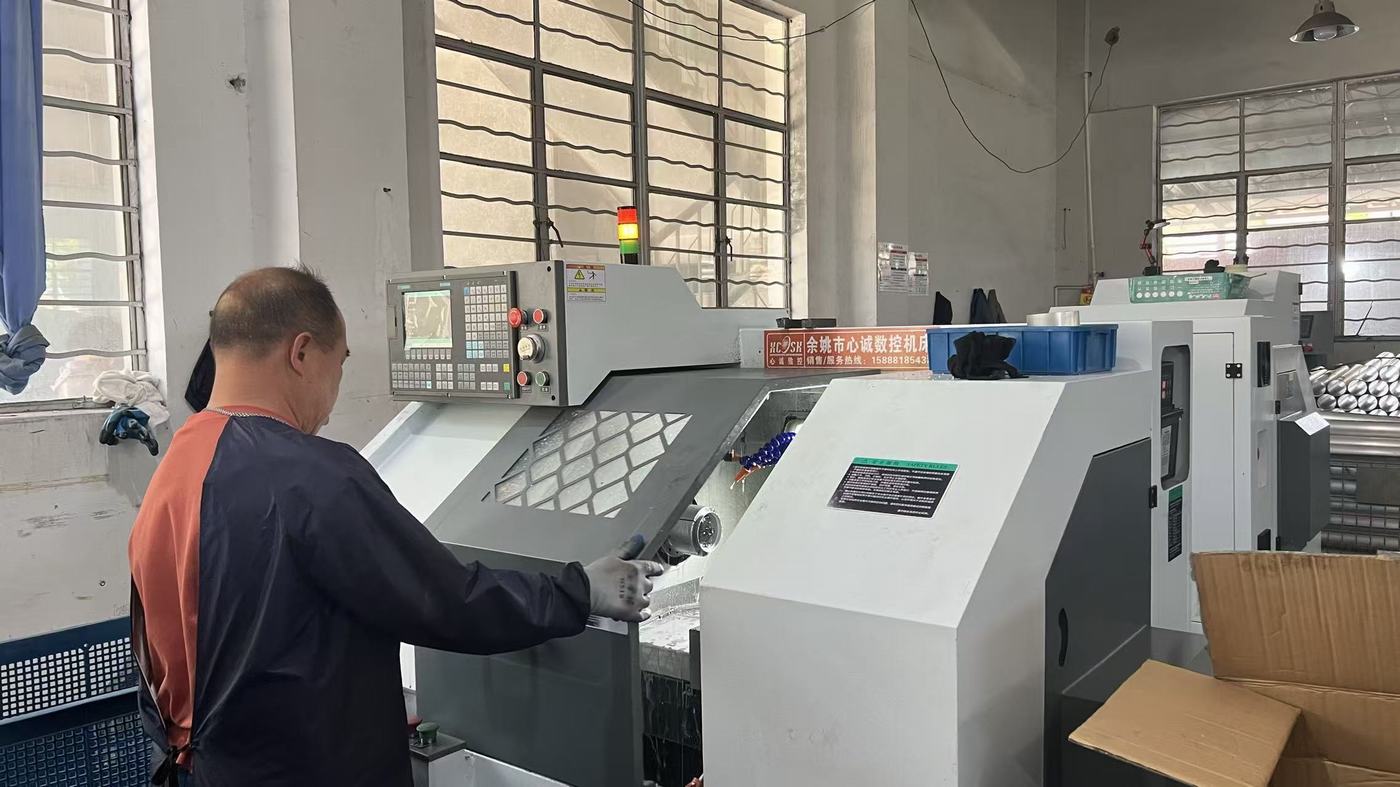
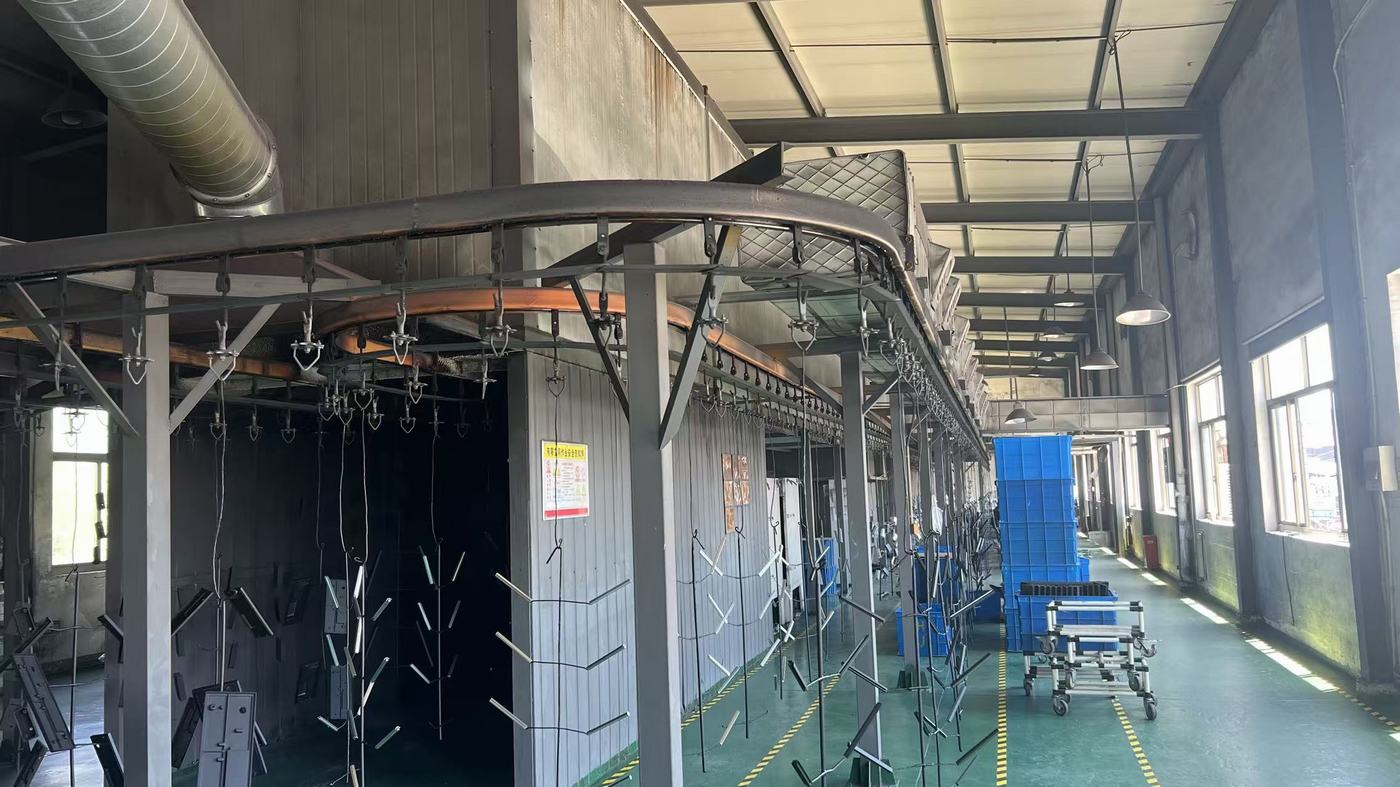
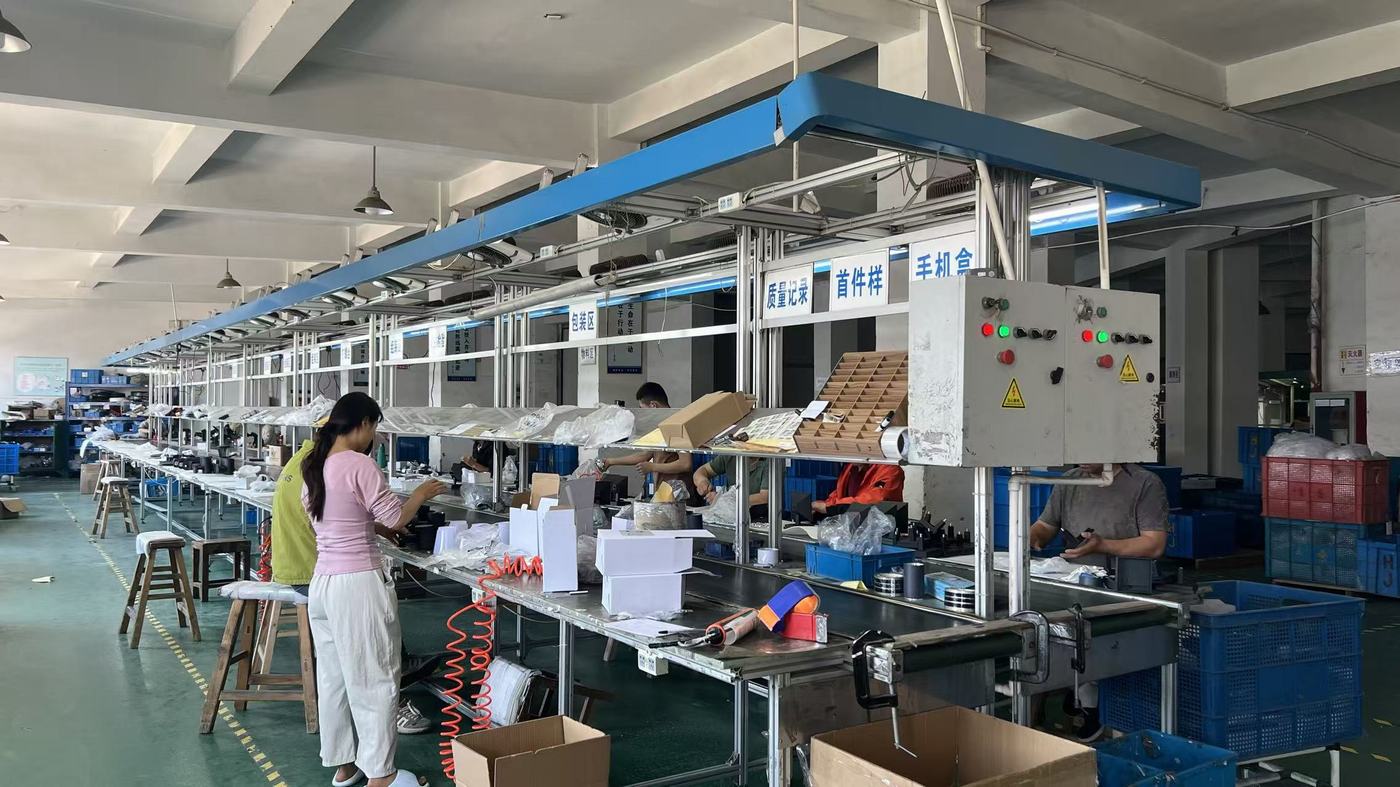
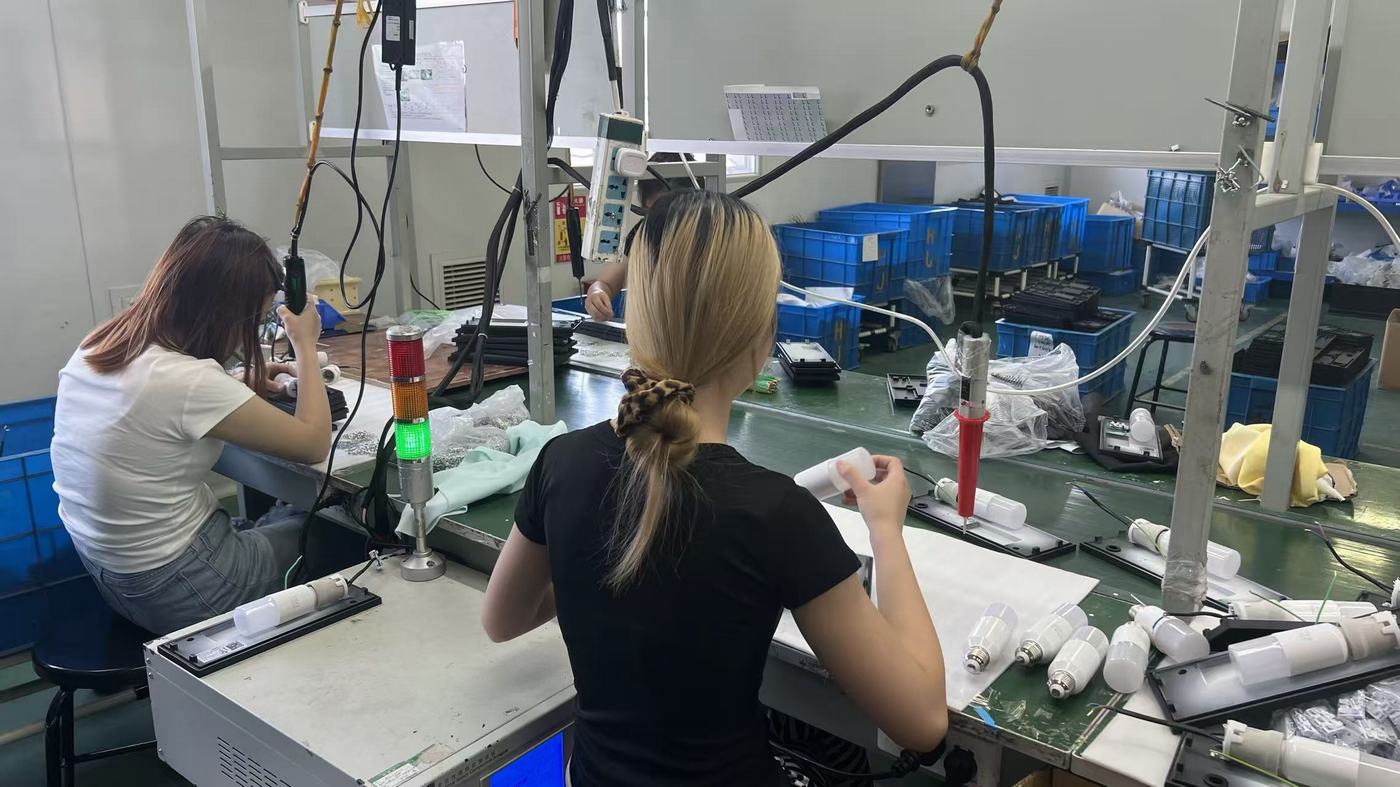
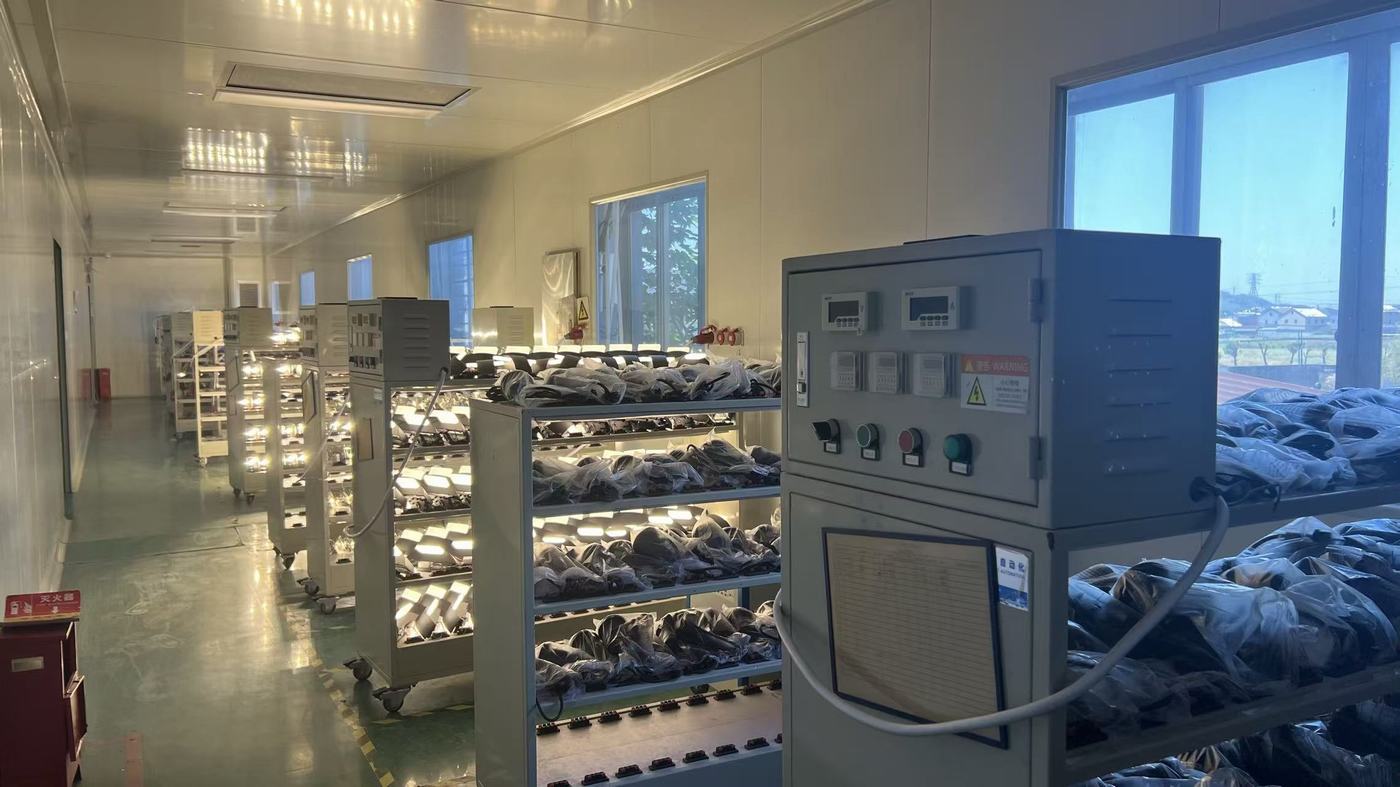
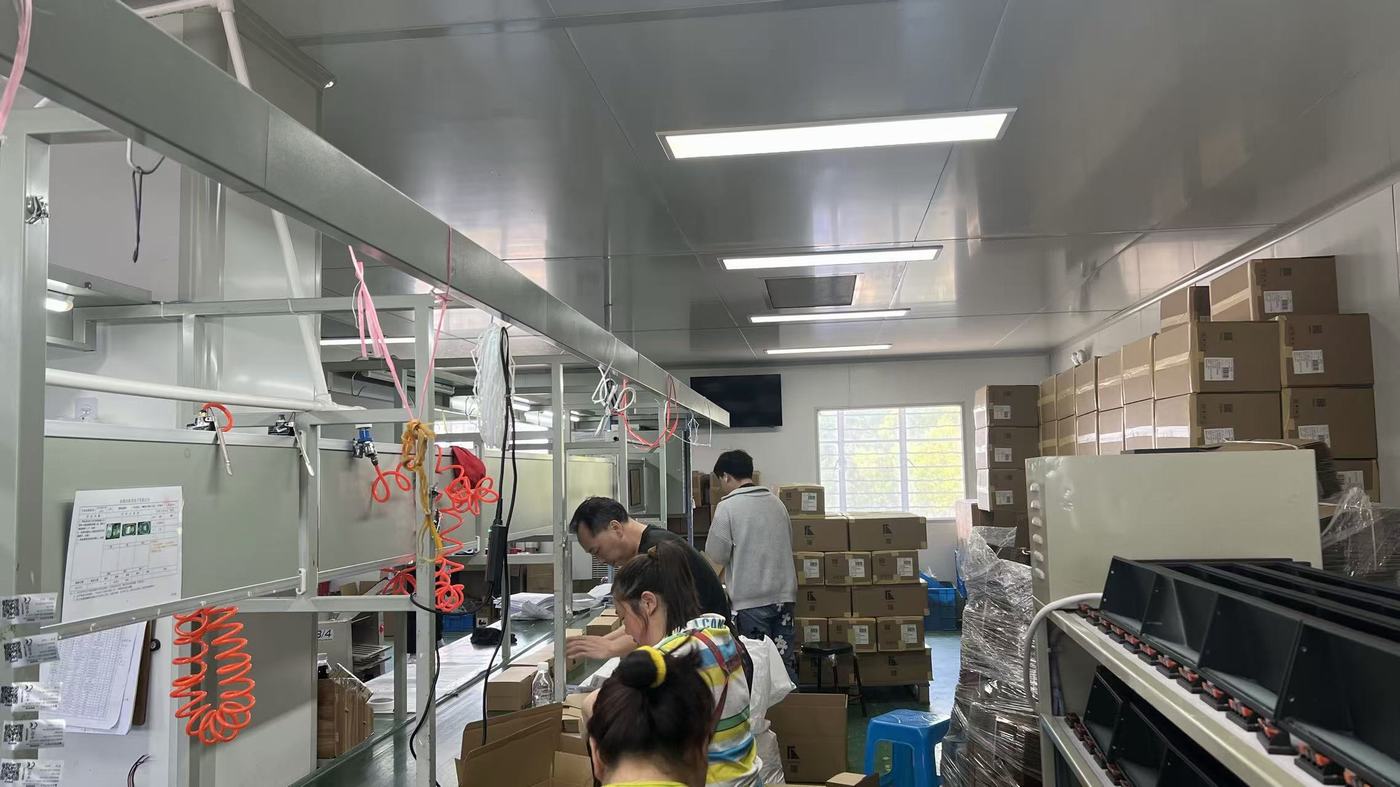
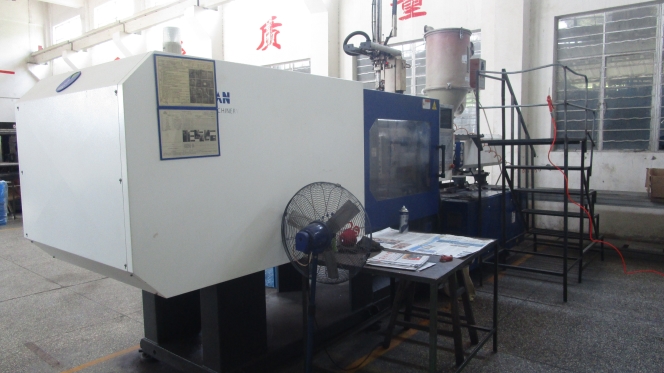
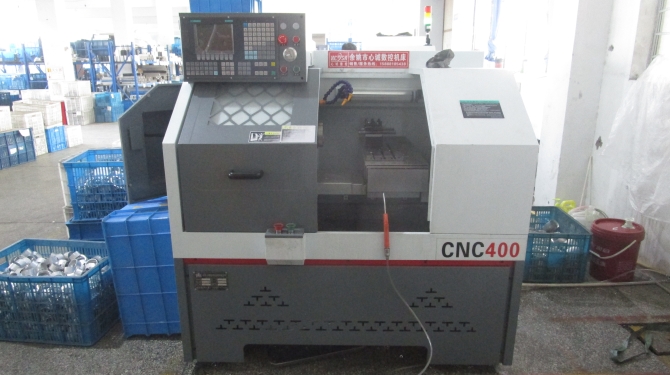
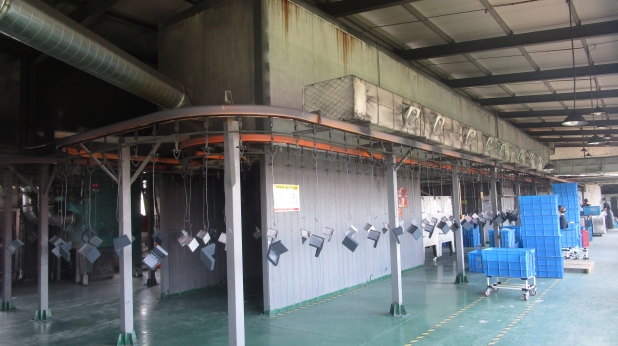
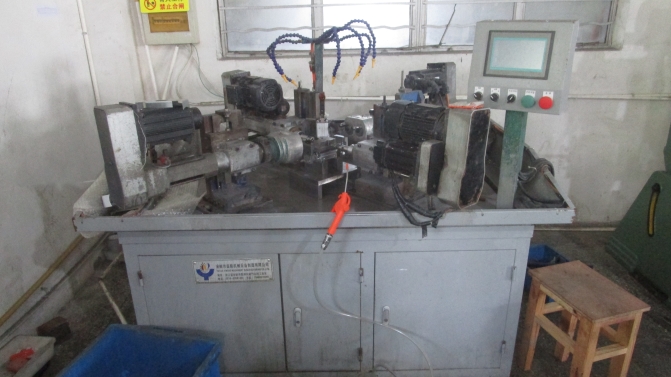
At Dixon Lighting, our manufacturing capabilities are supported by strict testing procedures. Each production run undergoes 100% functional safety testing, including high-voltage insulation tests, ground resistance checks, and rigorous ingress protection tests. Furthermore, every batch of decorative outdoor lights is subjected to a continuous 24-hour heat-run aging cycle under full electrical load, minimizing early field failures.
As urban environments adapt to carbon-neutral initiatives and smart city models, decorative floodlighting technology is shifting from passive hardware to integrated systems. At Dixon Lighting, our R&D team targets three key technical areas:
Traditional solar lighting often suffers from low conversion rates and poor autonomy during consecutive overcast days. We are addressing this by pairing monocrystalline silicon PV cells with high-capacity Lithium Iron Phosphate (LiFePO4) battery packs. These systems are managed by intelligent MPPT (Maximum Power Point Tracking) controllers, which adaptively dim the fixture to match ambient battery levels, extending operating times.
The future of architectural lighting relies on integrated system ecosystems. We are incorporating smart connectivity protocols, including Matter, Zigbee, and wireless DMX512. This allows building managers to monitor power usage, receive automated maintenance alerts, and synchronize dynamic lighting arrays through standard building management software.
To mitigate glare and light spill, we utilize custom-engineered polymethyl methacrylate (PMMA) and polycarbonate (PC) lenses. These materials are optimized to shape symmetric and asymmetric light distributions, ensuring target areas receive high illumination while keeping spill light into dark sky zones to a minimum.