When lighting up your garden, safety and durability should be your top priorities. Choosing the right lighting involves knowing what IP rating is needed for exposed garden lights. This rating indicates how well a fixture can resist water and dust, which is crucial for outdoor use. A higher IP rating usually means better protection against the elements.
Many gardeners overlook this aspect, leading to disappointing results. The wrong choice can cause lights to malfunction or shorten their lifespan. A reliable lighting option can enhance your garden's beauty while ensuring longevity. If you're unsure, it’s wise to consult experts or trusted sources.
Investing in high-quality garden lights will pay off in the long run. It's essential to balance aesthetics and functionality. Remember, a beautiful yard deserves lights that can withstand the test of time. Understanding IP ratings will guide you toward making informed decisions.
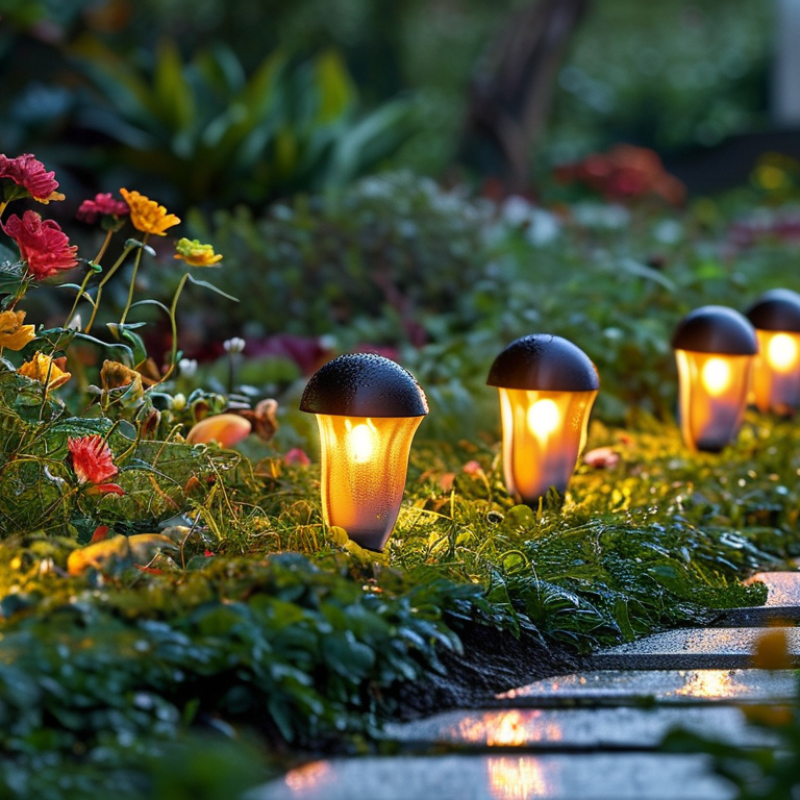
Understanding the IP ratings for garden lights is crucial for any homeowner seeking durability and functionality. IP, or Ingress Protection, measures how well a device resists dust and moisture. For garden lights, a rating of IP65 is often recommended. This rating indicates that the fixture is completely dust-tight and can withstand water jets from any direction.
According to a report from the Lighting Research Center, fixtures with higher IP ratings last longer and perform better in outdoor conditions.
When selecting garden lights, understanding the specific requirements of your environment is essential. For instance, if your lights are near a sprinkler system, consider choosing lights with at least an IP67 rating. This provides protection against temporary immersion in water. Research shows that about 30% of outdoor lighting failures stem from inadequate weatherproofing. These figures highlight the importance of making informed choices in your selection process.
While high IP ratings suggest robust protection, installation quality also plays a role. Misalignment or improper sealing can undermine even the best-rated fixtures. Be mindful that not all installations adhere to industry standards. Regular maintenance and inspection can help identify potential vulnerabilities in your lighting setup. Remember, just because a product is rated well doesn't guarantee success; conditions in your garden can vary widely.
When it comes to outdoor lighting, waterproofing plays a crucial role. Rain, snow, and humidity can damage fixtures. Properly rated lights ensure longevity and safety in your garden. Without adequate waterproofing, lights may short-circuit or corrode, leading to costly replacements.
Consider these tips for choosing waterproof lights. Look for an IP rating of at least IP65. This rating signifies that the fixture is dust-tight and protected against water jets. Inspect the materials used in the lights. Metal and high-grade plastic tend to perform better under harsh weather conditions.
Remember that installation matters. Even the best lights need proper placement. If water can pool near a fixture, it can become a risk. Review the installation instructions carefully. Regular maintenance is also essential. Cleaning the lens and checking seals can prevent moisture from entering over time.
When selecting garden lights, understanding IP ratings is crucial. The Ingress Protection (IP) rating indicates a light's ability to withstand environmental elements. A suitable rating protects lights from dust and water, ensuring longevity and safety. Garden lights with an IP65 rating can handle dust and low-pressure water. Meanwhile, an IP67 rating offers protection against immersion in water up to one meter.
Choosing the right IP rating requires considering your garden's specific exposure levels. If lights are placed where they face heavy rain or splashes, an IP66 or higher is recommended. It’s not just about brightness; durability also matters. Many overlook potential damage from humidity or soil moisture, which affects longevity. Always assess the surrounding environment.
While higher IP ratings offer better protection, they are not always necessary in every garden. Some homeowners may prefer low-maintenance options, while others might seek maximum durability. Reflect on your gardening habits and local climate. A balanced decision ensures not just aesthetics, but functionality and safety in your outdoor space.
| IP Rating | Protection Against Solid Objects | Protection Against Water | Recommended Use |
|---|---|---|---|
| IP65 | Dust-tight | Water jets | Outdoor lighting exposed to rain |
| IP66 | Dust-tight | Powerful water jets | Areas with heavy rain |
| IP67 | Dust-tight | Submersion up to 1m | Lighting in water features |
| IP68 | Dust-tight | Continuous submersion | Underwater lighting |
| IP54 | Limited dust ingress | Splashing water | Shaded garden areas |
| IP55 | Dust-protected | Water jets | Outdoor scenarios |
| IP44 | Protected against objects > 1mm | Water splashes | Indoor and outdoor use |
| IP43 | Protected against objects > 1mm | Water spray | Sheltered outdoor use |
| IP20 | Protected against objects > 12.5mm | No water protection | Indoor use only |
| IP21 | Protected against objects > 12.5mm | Dripping water | Semi-protected areas |
When choosing garden lights, understanding IP ratings is essential. The Ingress Protection (IP) code identifies how well the light can withstand moisture and dust. For outdoor use, an IP rating of at least IP65 is recommended. This rating indicates complete dust protection and resistance to water jets. According to industry reports, lighting fixtures with a higher IP rating tend to last longer and perform better in various weather conditions.
Consider the location of your garden lights. If they are exposed to rain or splashes, extra protection is crucial. An IP67 rating, for example, means the fixture can be submerged underwater for brief periods. Data from the Lighting Research Center shows that fixtures with appropriate IP ratings reduce maintenance costs by up to 30%. Reliability in harsh conditions leads to fewer replacements and better energy efficiency.
Think about aesthetics as well. Attractive garden lights complement your landscape. However, durable and moisture-resistant options help avoid frequent replacements. The challenge lies in balancing design with functionality. Many consumers overlook the importance of IP ratings, focusing instead on appearance. This oversight can lead to short-lived fixtures and increased long-term costs. It’s vital to combine aesthetic appeal with solid performance to ensure lasting satisfaction.
When selecting
garden lights
for outdoor use, understanding
IP ratings
is vital. These ratings determine how well a fixture can withstand environmental elements like rain or dust. The ratings are composed of two numbers: the first indicates dust protection and the second indicates water resistance. For example, an
IP65 rating
offers dust tightness and protection against water jets. According to a recent industry report, around
70%
of outdoor lighting failures stem from inadequate IP ratings.
Choosing the right IP rating can greatly impact performance.
IP44-rated lights protect against splashes of water,
making them suitable for light rain. However, in areas with heavy summer rains, a minimum of
IP65 is generally recommended. A study revealed that devices with higher ratings,
like
IP67 or
IP68,
have longer lifespans under harsher weather conditions. Yet, it’s essential to consider placement. Even high-rated lights installed improperly can fail.
Understanding these ratings is not just about durability. It's about ensuring
safety
and efficiency. An IP rating that seems adequate may still lead to issues if the installation does not account for specific environmental factors.
For reliable performance, extensive testing across various scenarios is necessary. This diligence provides confidence that garden lights will perform throughout their intended lifespan.
: IP stands for Ingress Protection. It measures dust and moisture resistance.
An IP65 rating is often recommended. It ensures complete dust-tightness and resistance to water jets.
Gardens with sprinklers or heavy rain should consider at least an IP67 rating for better protection.
High IP ratings can lead to longer fixture lifespan and improved performance in tough conditions.
Yes, misalignment or poor sealing can compromise even high-rated fixtures. Installation quality is crucial.
Research shows about 70% of outdoor lighting failures result from insufficient IP ratings.
Not necessarily. Choose ratings based on specific exposure levels and personal preferences in maintenance.
Regular maintenance and inspection are advisable to identify any vulnerabilities that may arise over time.
No, conditions vary widely. A high rating won't ensure safety if environmental factors are not considered.
Humidity and soil moisture can damage lights. Assessing the environment is vital for long-term durability.
When choosing garden lights for outdoor use, understanding IP ratings is crucial. IP ratings determine the level of protection against dust and water, which is essential for ensuring the longevity and safety of lighting fixtures exposed to the elements. The article outlines the importance of waterproofing in outdoor lighting and provides a comprehensive guide to the top 10 IP ratings suitable for garden lights. This knowledge helps consumers understand what IP rating is needed for exposed garden lights, ensuring that they select options that can withstand various weather conditions.
Additionally, the article discusses key factors to consider when choosing garden lights with specific IP ratings, allowing readers to compare various ratings for outdoor durability and performance. Properly selecting garden lights based on their IP rating not only enhances aesthetic appeal but also ensures reliable functionality throughout different seasons.