Solar garden lights are an eco-friendly choice, offering both beauty and functionality. Many homeowners relish the idea of illuminating their gardens with solar power. However, issues arise when these lights fail to operate as expected. A common concern is, "why are my solar garden lights not turning on at night?"
According to industry reports, around 30% of solar lights face operational issues due to various factors. One major issue is inadequate sunlight exposure. Studies reveal that optimal charging occurs with 6-8 hours of direct sunlight. Additionally, battery lifespan plays a significant role. A worn-out battery can lose effectiveness, leading to disappointment when night falls. Regular maintenance is essential, yet often overlooked.
Understanding these technicalities can significantly improve your experience. Knowing how environmental factors affect performance will provide clearer insights. Investing in quality products and performing routine checks can prevent many common issues. When faced with malfunctioning lights, reflecting on these points may help you uncover the underlying reasons behind their failure.
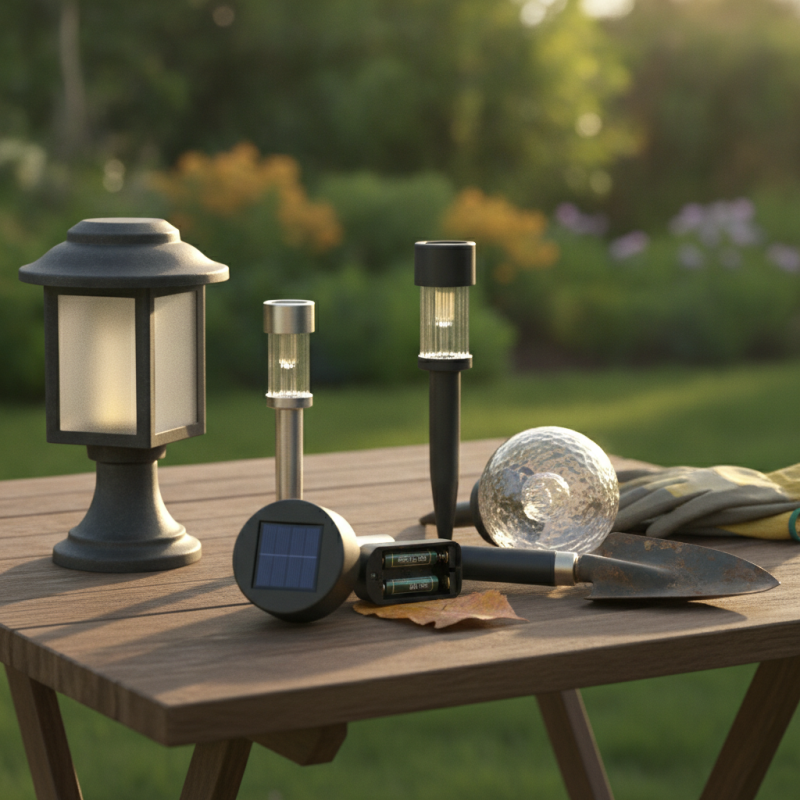
Solar garden lights enhance outdoor spaces beautifully. Yet, many users face frustration when these lights fail to illuminate. Understanding the common reasons behind this issue can help restore their functionality effectively.
A significant factor is inadequate sunlight. According to industry reports, solar lights require about six to eight hours of direct sunlight to charge fully. If placed in shaded areas, they may not gather enough energy. Another reason could be faulty batteries. Over time, these rechargeable batteries degrade, resulting in diminished performance. It's estimated that nearly 30% of solar lights on the market have battery issues that lead to inconsistent operation.
Environmental factors also play a role. Extreme temperatures can affect the performance of solar lights. For instance, freezing conditions can damage internal components. Regular maintenance is necessary. Cleaning the solar panel regularly can prevent dust accumulation, which affects light absorption. Users should reflect on their installation locations and ensure optimal conditions are met for maximum efficiency.
Inspecting the solar panel is essential for optimal performance. Over time, dirt and debris can accumulate on the panel surface, blocking sunlight. When sunlight is obstructed, the lights may not charge properly. A quick examination can reveal signs of dirt that could hinder functionality. Use a soft cloth and gently wipe the panel clean. Avoid harsh chemicals to prevent damage. A clean surface is vital for energy absorption.
Damage to the solar panel can also affect functionality. Look for cracks, scratches, or any visible wear. These issues can reduce efficiency or cause total failure. Even minor damage can disrupt the power flow to the lights. Evaluate the installation angle. The panel should face direct sunlight for several hours a day. If it's under a tree or shaded area, consider relocating it for better exposure. A well-placed panel ensures maximum charging.
Proper placement is often overlooked. Evaluate where the lights are installed. If they are facing a wall or another obstruction, they won't perform well. It's essential that they receive adequate sunlight throughout the day. Reassess the location to improve their functionality. Remember, consistent maintenance can prevent future problems and enhance the longevity of your solar garden lights.
| Tip Number | Description | Expected Outcome |
|---|---|---|
| 1 | Inspect for Dirt on Solar Panel | Improved sunlight absorption |
| 2 | Check for Physical Damage | Functional solar panel |
| 3 | Ensure Proper Placement | Maximized sunlight exposure |
| 4 | Check Battery Condition | Reliable power source |
| 5 | Inspect Wiring for Damage | Secure electrical connections |
| 6 | Test the Light Sensor | Proper lighting activation |
| 7 | Reset the Lights if Necessary | Restored functionality |
To troubleshoot solar garden lights, start with the battery. It powers your lights. Over time, batteries degrade and lose their ability to hold a charge. Check the battery condition regularly. Look for any signs of damage or corrosion. If you see leaks or bulging, it's time for a replacement. Having a reliable battery is essential for your lights to function properly.
Proper charge levels are vital as well. Ensure your solar panel receives ample sunlight throughout the day. If your lights remain dim or do not turn on, it may be due to insufficient charging. Clean the solar panel from debris and dust to maximize its efficiency. Even slight blockages can hinder its performance.
Experiment with different placement positions. Sometimes, simply relocating the lights can make a significant difference. Reflect on their exposure to sunlight. Constantly check the surroundings for growing plants or shifting objects that might cast shadows. Taking these small steps can greatly improve the chances of your solar garden lights shining brightly again.
When solar garden lights fail to turn on, a common culprit can be the light sensor. These sensors detect the ambient light level, activating the lights when it gets dark. If your lights aren’t illuminating at night, the sensitivity settings might need adjustment. Often, these settings can be too high, causing the light to activate in daylight. Checking the location of your solar lights is also essential. Are they shaded by plants or structures? A lack of direct sunlight can weaken their performance.
Another factor to consider is the dirt or debris on the solar panel. Even a small layer of dust can hinder its ability to sense darkness effectively. Regular cleaning can enhance the sensor's response. Sometimes, the sensor could be malfunctioning due to moisture damage. Inspect the light fixtures periodically to avoid any long-term issues. While it’s easy to overlook these details, addressing them is crucial for optimal performance. Balancing sensitivity and location can lead to a better experience with your outdoor lighting.
When solar garden lights fail to illuminate, checking the light fixture and connections is crucial. Sometimes, dirt and debris accumulate on solar panels. This buildup can hinder the panel's ability to absorb sunlight effectively. Ensure the panels are clean and positioned correctly. A simple wipe with a damp cloth can often restore functionality.
Next, examine the connections. Loose or corroded connections can prevent electricity from flowing. Disconnect and reconnect the wires to ensure a secure fit. Look for signs of wear or damage on the cables. If a connection appears frayed, repair or replace it. This may seem minor, but even small issues can lead to significant problems.
Take time to assess the entire light fixture. Check the bulbs to see if they are burned out. A bulb that is not well-seated may also cause issues. Replacing bulbs regularly is essential for maintaining performance. Regular maintenance can prevent frustration during operating hours. An oversight might make it seem like the lights are malfunctioning when simple checks could fix them.
: Common reasons include insufficient sunlight, faulty batteries, and environmental factors like extreme temperatures.
Solar lights typically require six to eight hours of direct sunlight for full charging.
Dirt accumulation on panels can block sunlight, and damage such as cracks can reduce efficiency.
Wipe the panel gently with a soft cloth. Avoid using harsh chemicals that might cause damage.
Look for dirt buildup, visible damages, or incorrect placement that restricts sunlight access.
Inspect the connections and bulbs for any wear or damage. Regularly replace burned-out bulbs.
Yes, if lights are placed in shaded areas or facing walls, it can hinder their efficiency.
Disconnect and securely reconnect the wires. Look for any frayed parts and repair as needed.
Regular maintenance, including cleaning and inspecting, will help prevent future issues and enhance longevity.
Reflect on installation conditions. A reassessment may reveal overlooked factors affecting performance.
If you're wondering "why are my solar garden lights not turning on at night," there are several common reasons that might explain their inactivity. First, it's essential to inspect the solar panel, as dirt, damage, or incorrect placement can hinder its ability to recharge effectively. Next, checking the battery condition is crucial, as it needs to maintain proper charge levels to ensure the lights operate as intended.
Another aspect to consider is the light sensor, which may require adjustment in its sensitivity settings. Sometimes, the issue could lie within the light fixture or the electrical connections, which may need testing for any functionality issues. By systematically addressing these areas, you can troubleshoot and resolve the issues related to your solar garden lights not functioning at night.
