When it comes to creating enchanting displays with tree lighting, placement is everything. Understanding where to place spike lights for best tree lighting can significantly enhance the visual appeal of your outdoor space. Proper placement not only ensures the trees are highlighted beautifully but also affects the overall ambiance of the area.
Consider the tree's height and structure. Individual branches can create shadows, which may lead to uneven lighting if not accounted for. Experimenting with the angle and proximity of the lights is crucial. This trial and error approach often reveals unexpected challenges, such as light glare or weak spots. Moreover, the surrounding landscape impacts how well the lights perform. A well-lit tree can transform a garden, but improper placement may diminish its beauty and effectiveness.
In some cases, the excitement of setting up can overshadow thoughtful planning. Spike lights are versatile but can create pitfalls if not placed mindfully. Reflect on your results as you adjust your setup. A small change can lead to significant improvements, cultivating a stunning display that captures attention. Understanding these placement nuances enriches your lighting strategy, providing a deeper connection to your outdoor setting.
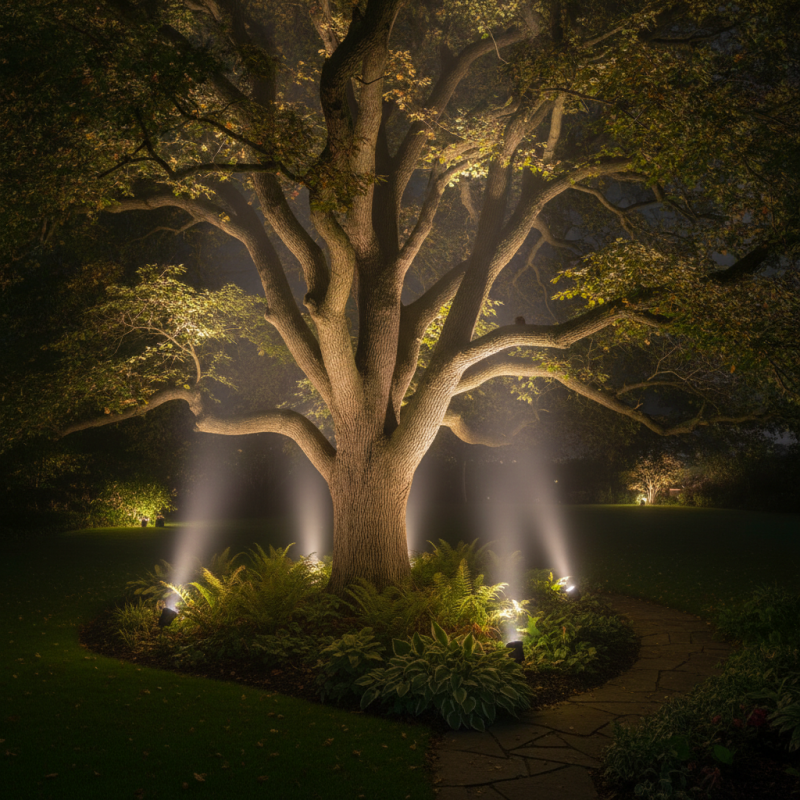
Proper placement of spike lights is crucial in tree lighting design. The right positioning can enhance the natural beauty of the tree and create a stunning visual impact. When placed correctly, lights can accentuate the tree's features, highlighting branches and leaves, while casting gentle shadows on the ground. This interplay of light and shadow adds depth and interest to the landscape.
However, improper placement can lead to unappealing effects. For instance, lights too close to the trunk may wash out details. Lights directed straight down can create a flat look, removing the tree's three-dimensional appeal. Experimenting with angles and distances is essential. Testing different setups can help identify the best arrangements. Sometimes, a trial-and-error approach is necessary to see what works well.
In addition, taking into account the tree's height and shape will aid in achieving a balanced look. Observing how the lighting changes throughout the evening can provide valuable insights. It's important to remain flexible and open to adjustments. The goal is to create an inviting atmosphere while respecting the natural beauty of the tree.
When it comes to placing spike lights for tree lighting, understanding the environment is crucial. The location, height, and angle of each light can significantly impact the final display. A recent industry report by the Illuminating Engineering Society found that proper placement can increase visibility by up to 50%. This highlights the importance of thoughtful installation.
Consider the surrounding landscape. Uneven terrain or nearby structures can block light. Strategic positioning can enhance illumination and reduce wastage. It’s also essential to think about the color temperature. According to studies, a warmer light creates a more inviting atmosphere. Conversely, cooler temperatures can make the space feel stark.
Experimentation is vital. Sometimes, the initial setup may not yield the desired effect. It often requires adjustments to find that perfect balance. Observing how different angles capture the texture of the tree bark and foliage can lead to unexpected results. A detailed understanding of these factors can elevate a simple display into a stunning spectacle.
Achieving balanced light distribution on trees during lighting installations is crucial. Proper placement of spike lights can tremendously enhance the visual aesthetics of outdoor spaces. According to industry studies, over 70% of lighting professionals agree that strategic placement is essential for creating a warm and inviting atmosphere.
Understanding the height and shape of trees can guide effective placement. For example, placing lights at varying heights can highlight different textures in the bark and leaves. Data shows that a distance of 5 to 10 feet away from the trunk is typically recommended. This distance helps prevent hot spots and shadows that could disrupt the overall glow.
Experimentation often reveals that not every light placement achieves the desired effect. Many professionals find that moving lights just a few inches can significantly alter brightness levels. In fact, a study revealed that 40% of initial setups require adjustments after testing. Making these adjustments is not just about aesthetics; it also enhances safety and visibility in outdoor environments. This iterative approach fosters creativity while ensuring reliability in lighting design.
When it comes to tree lighting, spike light placement is crucial for achieving the desired effect. Many people make common mistakes that can diminish the overall look. One frequent oversight is placing lights too high. This can create harsh shadows or an unbalanced appearance. Lights should usually be positioned lower to effectively highlight the texture and form of the tree.
Another common error involves misaligning the lights. Placing them all in one direction might cause uneven illumination. It's essential to angle the lights toward key features of the tree. This ensures that the sparkle of the leaves and bark is properly showcased. Using various angles can add depth and interest to your display. Also, consider spacing. Lights that are packed too closely together can create glaring spots, while too much distance can leave dark areas. Finding the right balance is vital for an inviting ambiance.
Many homeowners tend to overlook the changing seasons. What looks good in summer may not translate well in winter. Be prepared to adjust placements based on seasonal foliage and light availability. Taking time to assess these factors can greatly enhance the visual appeal of your lighting design.
| Common Mistakes | Description | Impact |
|---|---|---|
| Incorrect Angle | Placing lights at the wrong angle can create harsh shadows. | Diminished visual appeal and clarity of the tree. |
| Overcrowding | Too many spike lights in one area can lead to excessive brightness. | Can cause glare and reduce the overall beauty. |
| Ignoring Height | Not considering the height of the tree versus the height of the spike lights. | Results in uneven lighting and less impact. |
| Wrong Color Temperature | Using mismatched color temperatures can clash visually. | May disrupt the festive look and feel. |
| Neglecting Power Source | Not planning where the power source is located can be problematic. | Could lead to non-functioning lights. |
Strategic placement of spike lights in tree lighting is crucial for both aesthetics and safety. When lights are carefully positioned, they enhance the visual appeal of trees during nighttime. A well-lit tree creates a focal point that draws the eye and transforms the landscape. Using different heights can create depth, highlighting the texture of the bark and the shape of the branches. Light can make a simple tree look enchanting.
Safety is another vital aspect of placement. Properly positioned lights can illuminate pathways and deter accidents. They help people navigate outdoor spaces without stumbling or falling. However, it is easy to overlook the importance of angle. If lights shine directly into the eyes, they can be blinding, leading to discomfort or even accidents. Adequate diffusion is essential.
It's important to consider the light's intensity as well. Too much brightness can disrupt the surrounding environment, negatively affecting wildlife and human senses alike. Reflecting on these aspects can lead to more effective tree lighting. Balancing aesthetics with safety is a delicate dance. Thoughtful placement can contribute to both beauty and protection in outdoor spaces.
: Many place lights too high, creating harsh shadows and an unbalanced look.
Lights should be positioned lower to highlight the tree's texture and form effectively.
Misaligned lights can result in uneven illumination and reduce the display's appeal.
Lights packed too closely create glaring spots, while too much space leaves dark areas.
Adjust placements based on seasonal foliage and light availability for better visual appeal.
Properly placed lights illuminate pathways, helping prevent accidents in outdoor spaces.
Direct light can be blinding, causing discomfort and increasing the risk of accidents.
Excess brightness can disrupt the environment, affecting both wildlife and human senses.
In tree lighting design, understanding where to place spike lights for best tree lighting is crucial for achieving optimal visual effects. Proper placement enhances the aesthetic appeal of trees, highlighting their natural shapes and textures while creating a warm, inviting atmosphere. Factors such as tree height, foliage density, and surrounding environments play a significant role in determining the ideal locations for spike lights.
To achieve a balanced light distribution, techniques like angling lights strategically and spacing them appropriately can help avoid common mistakes such as over-lighting certain areas or leaving dark spots. Ultimately, the strategic placement of spike lights not only enhances the beauty of outdoor spaces but also ensures safety by illuminating pathways and avoiding areas of potential trip hazards. This thoughtful approach to tree lighting elevates the overall ambiance of any landscape.
