How to Choose the Best Color Temperature for Landscape Lighting?

Time:2026-07-05 Author:Isabella
0%

Choosing the right color temperature for landscape lighting is crucial for achieving the desired ambiance and functionality. A report by the Lighting Research Center indicates that color temperature significantly impacts perceptions of safety and aesthetics. For instance, warmer temperatures (between 2700K and 3000K) create inviting atmospheres, ideal for residential gardens. Cooler temperatures (up to 4000K) can enhance visibility for paths and security features.

When exploring how to choose the right color temperature for landscape lighting, one must consider the unique characteristics of each space. The interplay of light and nature can evoke different feelings. For example, a soft, warm glow can make flowers stand out, while cooler tones may highlight architectural details. However, not all lights respond the same way to various features.

It's also important to note that personal preference plays a role. Preferences can vary widely, and societal norms influence choices. A balanced approach considering both industry data and individual taste will yield the best results. Ultimately, understanding how to choose the right color temperature for landscape lighting can transform outdoor spaces into captivating environments.
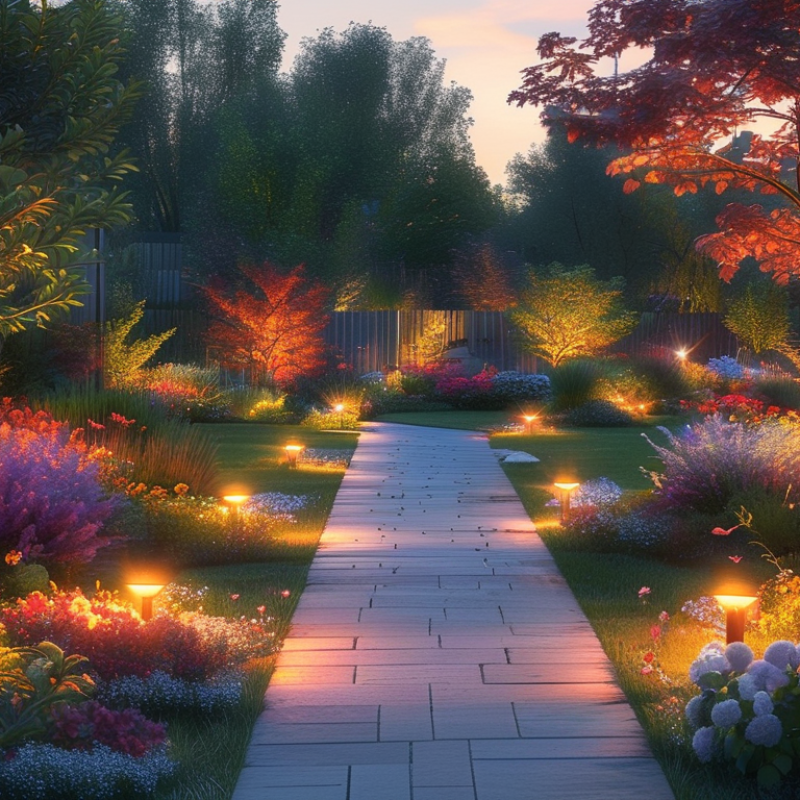
How to Choose the Best Color Temperature for Landscape Lighting?

Understanding Color Temperature: A Key Factor in Landscape Lighting

Understanding color temperature is crucial when planning landscape lighting. It can greatly affect the ambiance and usability of outdoor spaces. Color temperature is measured in Kelvins (K) and generally falls between warm and cool tones. Warm light (around 2700K-3000K) creates a cozy atmosphere, while cool light (above 4000K) provides clarity and brightness.

When selecting a color temperature, consider the surrounding environment. For instance, if your garden features soft, earthy colors, warm white light will enhance this natural beauty. Conversely, if you have modern landscaping with clean lines, a cooler light might accentuate those features effectively.

**Tips:** Test different color temperatures at dusk. Observe how the light interacts with plants and structures. Take notes on your observations. Be cautious; too cool a temperature can create harshness. Aim for balance. Consider layering your lights using varying color temperatures to add depth and interest to your landscape.

The Science Behind Color Temperature: Measured in Kelvin (K)

When considering landscape lighting, color temperature plays a crucial role in setting the atmosphere. Measured in Kelvin (K), color temperature affects how we perceive light. Lower Kelvin values, around 2700K, produce a warm, inviting glow that enhances the natural beauty of plants and features. Higher values, like 5000K, create a cooler light that mimics daylight. This can highlight textures and colors effectively, but it can also feel harsh or sterile.

When selecting color temperature, assess your landscape’s mood. Warm colors create a cozy environment, ideal for relaxing spaces. If you want a more contemporary feel, cooler temperatures work well. Keep in mind how these lights will interact with your space at different times of day. Lighting that looks inviting in daylight may feel different after sunset.

Tips for choosing wisely: test various bulbs before committing. Observe their effect on your landscape. Don't be afraid to mix temperatures for depth and interest. Some areas might thrive under warm light, while others need a cooler touch. Remember, the goal is to enhance, not overpower. A thoughtful approach will lead to an inviting landscape after dark.

How to Choose the Best Color Temperature for Landscape Lighting?

Color Temperature (Kelvin) Description Best Use Case
2200K Warm, amber glow akin to traditional incandescent bulbs. Cozy ambiance, intimate spaces, and around fire pits.
3000K Warm white light, slightly brighter than 2200K. Good for pathways, garden areas, and deck lighting.
4000K Cool white light, bright and suitable for tasks. Useful in functional areas like driveways and stairways.
5000K Daylight white light, mimics the sun. Bright outdoor spaces where visibility is key.
6000K Cool bluish light, very bright. High visibility areas, security lighting.

Warm vs. Cool Light: Effects on Aesthetic and Mood in Landscapes

Choosing the right color temperature for landscape lighting can dramatically influence the mood and aesthetic of your outdoor space. Warm light, typically in the 2700K to 3000K range, creates an inviting and cozy atmosphere. It highlights natural elements like wood and foliage beautifully, enhancing the feeling of warmth during evening gatherings. On the other hand, cool light, ranging from 4000K to 5000K, can contribute to a more modern and vibrant look. This type of light tends to illuminate spaces evenly, making pathways and features stand out clearly.

When selecting light colors, consider the plants and materials in your landscape. Warm lighting makes gardens feel intimate, while cool lighting can offer a sense of expansiveness. Balance is essential. Too much cool light can feel harsh, while excessive warmth might obscure details.

**Tips:** Use warm lights to highlight seating areas. Install cool lights along pathways for safety. Experiment with both temperatures to see what feels right in your space. Reflect on your design goals and the emotions you want to evoke. This process may require adjustments, so don’t hesitate to change things up as you figure out your landscape’s optimal lighting scheme.

Optimal Color Temperature Ranges for Different Landscape Features

Choosing the right color temperature is crucial for landscape lighting. It greatly impacts the mood and aesthetics of outdoor spaces. Generally, color temperatures range from warm (2700K-3000K) to cool (4000K-5000K). Warm light creates an inviting atmosphere, while cooler tones tend to highlight architectural details.

For tree lighting, a color temperature around 3000K is optimal. This range mimics the natural light during sunset, enhancing the beauty of foliage. In contrast, pathway lighting often benefits from cooler temperatures, around 4000K, improving visibility for safety. Research shows that using a cooler tone can increase clarity and perceived brightness.

However, blending various color temperatures can create an interesting dynamic. A study by the International Association of Lighting Designers found that mixing warm and cool light can guide the viewer's eye through a landscape. Yet, overdoing this may lead to confusion or an unbalanced look. Thoughtfulness in design ensures a cohesive outdoor space. Remember to adjust your lighting strategy based on specific features to achieve the best aesthetic results.

How to Choose the Best Color Temperature for Landscape Lighting?

This chart illustrates the optimal color temperature ranges for various landscape features. Understanding these ranges can help you create the desired atmosphere and improve visibility in your outdoor space.

Practical Tips for Selecting Color Temperature for Effective Lighting

Choosing the right color temperature for landscape lighting can greatly enhance the beauty of your outdoor space. Warm white lighting, around 2700K to 3000K, creates a cozy and inviting atmosphere. This is ideal for pathways and garden areas, as it emphasizes natural colors. Conversely, cooler temperatures, like 4000K to 5000K, can make outdoor spaces feel more vibrant and alert. This is suitable for areas where tasks are performed, such as patios or decks.

When selecting color temperature, consider the types of plants and materials in your landscape. Different colors can affect how these elements appear at night. A warm hue can make bricks and stones stand out softly, while cool light enhances the green of plants. Testing different options is essential, as the final look may differ from what you expect. Sometimes the chosen temperature may clash with the surroundings, leading to an unexpected vibe.

It's valuable to reflect on how the lighting changes throughout the night. As dusk settles, lights appear different than during the bright evening. Keep this in mind when making your decision. A well-lit landscape should complement the overall nightscape, not overwhelm it. Engage in some trial and error to find a balance that works for your unique setting.

FAQS

: What is the optimal color temperature for tree lighting?

: The optimal color temperature for tree lighting is around 3000K. It mimics sunset light and enhances foliage beauty.

How does color temperature affect pathway lighting?

Pathway lighting often benefits from cooler temperatures, around 4000K. This improves visibility and safety at night.

Can mixing different color temperatures be effective?

Yes, blending warm and cool light can create visual interest. However, overdoing it may lead to confusion.

What should I consider when selecting color temperature?

Consider plant types and materials. They can appear differently at night based on the chosen lighting temperature.

Why is it important to test different lighting options?

Testing is essential because the final look may differ from expectations. Some temperatures might clash with surroundings.

How does lighting change throughout the night?

Lighting can appear different as dusk settles. Keep this in mind to avoid overwhelming the outdoor space at night.

What is a common mistake when choosing lighting color?

A common mistake is selecting a temperature that doesn't complement the surroundings. This can create an unexpected vibe.

Why is careful design important for outdoor lighting?

Thoughtful design ensures a cohesive look. An unbalanced lighting scheme can detract from the beauty of the landscape.

Conclusion

Choosing the right color temperature for landscape lighting is crucial for enhancing the aesthetic appeal and mood of outdoor spaces. This article delves into the fundamentals of color temperature, measured in Kelvin (K), and distinguishes between warm and cool light. Warm light tends to create a cozy and inviting atmosphere, while cool light can evoke a more modern and vibrant feel.

Optimal color temperature ranges vary depending on the features of the landscape, such as plants, pathways, and structures. By understanding the science behind color temperatures and considering the specific elements of a landscape, homeowners can make informed decisions on how to choose the right color temperature for landscape lighting, ensuring effective and visually pleasing results. Practical tips are provided to aid in this selection process, making it easier to achieve the desired ambiance in outdoor environments.

Isabella

Isabella

Isabella is a dedicated marketing professional with a sharp focus on driving brand growth and engagement through strategic content creation. With an extensive background in digital marketing, she combines her passion for storytelling with her keen understanding of industry trends to deliver......