Rain can turn a quiet outdoor circuit into a serious electrical concern within seconds. Water may enter cracked covers, worn cable seals, or poorly protected boxes. That raises an important question: why do outdoor gfci outlets trip when it rains?
A GFCI outlet monitors the current moving through a circuit. When moisture creates an unintended path to ground, the device can disconnect power rapidly. This response is protective, not necessarily a product failure. However, repeated trips may reveal damaged insulation, loose terminals, condensation, or an unsuitable enclosure. In field inspections, small details often matter. A missing gasket can be enough. So can a cover that no longer closes tightly.
This guide introduces China’s top 10 GFCI outlet suppliers and examines the engineering behind dependable outdoor protection. The list should not be treated as an absolute ranking. Supplier capability can change, and published specifications require independent verification. Buyers should review test reports, quality-control records, ingress-protection claims, warranty terms, and compatibility with local electrical requirements. Reliable manufacturers should explain how their products perform under moisture, temperature changes, and repeated testing. They should also provide traceable production information.
A practical evaluation goes beyond attractive packaging. Look for clearly marked ratings, robust terminals, weather-resistant materials, and responsive technical support. Ask difficult questions. Not every answer will be complete. That uncertainty deserves attention before installation. With careful comparison, contractors and purchasing teams can identify safer options and understand when rain-related tripping signals normal protection or a deeper wiring problem.
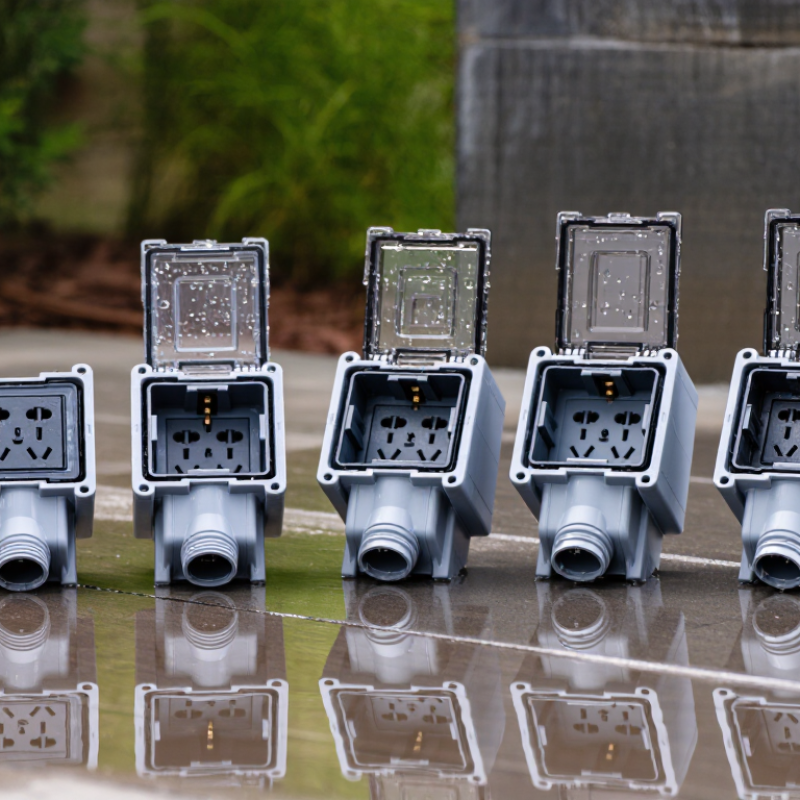
Ground-fault circuit interrupter, or GFCI, outlets monitor current flowing through hot and neutral conductors. When as little as 4 to 6 milliamps escapes, the device can disconnect power within about 1/40 of a second, according to OSHA guidance. This fast response helps protect a person touching a wet tool, damaged cord, or energized surface. The current may travel through the body toward ground. That is the danger.
Rain can make a GFCI trip even when no appliance appears faulty. Water may enter an outdoor box, wet a cable connection, or create a leakage path across a receptacle surface. A properly operating GFCI should respond to that imbalance. The National Electrical Code requires GFCI protection in many damp and outdoor locations, while electrical safety guidance commonly reports that GFCIs can prevent roughly two-thirds of home electrocutions. That figure is meaningful, but not absolute. Installation quality still matters.
Do not repeatedly reset a tripping outlet during rain. Disconnect downstream equipment, inspect covers and cords after power is off, and arrange evaluation by a qualified electrician when tripping continues. A monthly test is widely recommended by safety agencies, yet many occupants forget it. That is a practical weakness. GFCI protection is powerful, but it cannot repair cracked insulation, poorly sealed enclosures, or water entering an unprotected connection.
Water can create unintended paths for electrical current between a live conductor, grounded surfaces, or a person. A Class A GFCI continuously compares current flowing out on the hot conductor with current returning on the neutral conductor. If the imbalance reaches the trip range, it disconnects power to reduce the risk of electric shock.
The chart shows the 4–6 mA trip-current range specified for Class A GFCI protection. Under UL 943 requirements, the device must interrupt the circuit within 25 milliseconds when the ground-fault current reaches 6 mA. Repeated trips during wet weather may indicate moisture intrusion, damaged wiring, or a connected appliance fault.
Rain does not make a GFCI outlet defective by itself. Moisture creates an easier path for electrical current to escape, so the device trips to reduce shock risk. Wet leaves, damaged insulation, damp extension cords, and water inside an outdoor box can all cause leakage.
During residential inspections, I often find water entering through loose covers or cracked conduit fittings. The outlet may look dry from the front, while moisture remains behind it. Rain can also reach lighting, pumps, and other equipment connected downstream. One small fault can therefore trip the GFCI indoors.
The response should be careful, not rushed. Disconnect outdoor loads, allow the area to dry, and press the reset button once. If it trips again, stop resetting it. Repeated resets can hide a continuing fault. An electrician should inspect the wiring, cover, grounding, and connected equipment. Weather-resistant covers help, but they are not magic. Even a recently installed outlet can trip after heavy rain if installation details were overlooked. I have seen this happen more than once. A monthly test with the test button is useful, although it cannot replace a professional inspection. Scratches, loose screws, and aging seals deserve attention, especially where wind-driven rain reaches the receptacle.
When comparing China’s top ten GFCI outlet suppliers, start with electrical performance, not appearance. Check trip speed, rated current, leakage sensitivity, and reset reliability. A fast response matters when rain reaches a damaged outdoor cable. Some suppliers publish test data clearly. Others provide only broad claims, which deserves caution.
Housing design also separates capable manufacturers. Look for weather-resistant covers, sealed buttons, corrosion-resistant terminals, and stable performance after repeated moisture exposure. An IP rating helps, but it cannot replace practical testing. Ask whether samples endured spray, condensation, temperature changes, and repeated trips. Small details matter. Loose covers invite trouble.
Manufacturing traceability is equally important. Compare component records, factory testing, batch reports, and inspection procedures. Reliable suppliers should explain how they prevent nuisance trips caused by moisture, wiring errors, or unstable loads. Certification documents should match the exact model, not a similar product. Warranty terms, spare parts, customization support, and delivery consistency also reveal production maturity. I would request several samples before a large order. One successful sample proves little. Even experienced buyers can overlook terminal heating or a stiff reset mechanism during a quick inspection. A stronger comparison combines laboratory evidence, hands-on testing, and clear communication with the supplier’s technical team.
When a GFCI outlet trips during rain, moisture may create a small leakage path. This response can protect people from electric shock. However, repeated tripping may indicate poor sealing, weak insulation, or incorrect installation. A reliable Chinese manufacturer should explain the cause clearly, not simply blame the weather.
Choose a supplier with proven GFCI experience and documented production controls. Ask for factory audit records, component traceability, and test reports from qualified laboratories. Check whether each outlet receives grounding, trip-time, leakage-current, and endurance testing. Review the enclosure rating, terminal design, and corrosion resistance for wet locations. Request samples from regular production, not specially prepared units. Test them under controlled humidity and temperature conditions.
Talk to the engineers.
A dependable manufacturer should provide drawings, wiring instructions, batch records, and corrective-action reports. Confirm its quality system, export experience, and ability to maintain consistent performance after large orders. Communication matters too. Technical answers should include measurements and evidence. During one sample review, a supplier may pass the trip test but overlook loose terminal screws. That detail can become serious in the field. I would also question unusually low prices, because cheaper insulation or contacts may reduce safety margins. No supplier is perfect, and test plans sometimes miss real installation problems. Honest manufacturers discuss those limits and improve their process.
Rain can make a GFCI outlet trip because moisture creates a leakage path between energized parts and ground. CPSC safety guidance estimates that GFCI protection can reduce electrocution risk by about 70%. NFPA reported an annual average of 46,700 home structure fires involving electrical distribution or lighting equipment from 2015 to 2019. These figures show why a rain-related trip deserves attention, not annoyance.
Turn off and unplug outdoor appliances before touching the outlet. Keep your hands and the surrounding wall completely dry. Press the reset button once. If it trips again, disconnect downstream devices, including extension cords, pumps, and temporary lights. Check for cracked covers, loose plugs, standing water, or damaged insulation. Never hold the reset button down, bypass the GFCI, or use it while water is entering the box.
If the outlet resets after everything is unplugged, reconnect each device separately. The last connected item may have moisture damage. If the GFCI trips with no load, stop testing and call a qualified electrician. The device, wiring, or junction box may need inspection. CPSC also advises using weather-resistant protection outdoors, but labels alone cannot correct poor installation. A checklist helps, yet it is not foolproof. Rain can travel behind a cover. Procurement teams should request test records and verified compliance from suppliers, while installers should confirm grounding and enclosure suitability on site.
| Rain-Related Condition | Why the GFCI May Trip | Safe First Action | What to Check After the Rain | Supplier or Product Specification to Confirm |
|---|---|---|---|---|
| Water inside an outdoor receptacle box | Moisture can create a leakage path between energized parts and ground, causing the GFCI to interrupt power. | Switch off the circuit breaker before opening or touching the receptacle enclosure. | Look for standing water, corrosion, damaged seals, and loose wiring. Do not re-energize wet equipment. | Outdoor-use listing, suitable enclosure, corrosion-resistant materials, and compatibility with a weatherproof cover. |
| Rain entering through an improperly closed cover | A cover that does not close over the connected plug may allow water to reach the receptacle face and plug connection. | Disconnect loads only when it is safe and dry to do so; never handle a wet plug while energized. | Check the cover, hinge, gasket, mounting surface, and whether the cover is designed for an in-use connection. | A weatherproof “in-use” cover for outdoor locations where a plug remains connected during rain. |
| Wet extension cord or plug connection | Water contamination or damaged insulation may allow current to flow outside the intended circuit path. | Turn off power and keep the connection isolated. Do not wrap connections in ordinary plastic bags as a substitute for approved protection. | Inspect cords for cuts, crushed sections, exposed conductors, discoloration, or cracked plugs. Replace damaged cords. | Cord sets and accessories specifically rated for the intended outdoor environment and load. |
| Water reaching outdoor lighting or appliances | Fixtures, pumps, tools, and appliances can develop insulation leakage when wet or damaged. | Unplug or isolate the suspected load only after the circuit is de-energized and conditions are safe. | Reconnect loads one at a time in dry conditions to identify the suspected device; stop if the GFCI trips again. | Outdoor suitability, moisture protection, grounding provisions, and documented leakage-current testing. |
| Damaged gasket, seal, or enclosure | A deteriorated seal can allow water to reach terminals and internal components. | Do not use the outlet until the damaged part is replaced and the circuit has been inspected. | Check for hardened, split, missing, or compressed gaskets and for gaps around cable entries. | Replacement seals, enclosure fit, strain relief, and environmental ratings appropriate to the installation. |
| Condensation caused by temperature changes | Moisture can form inside a cool enclosure when warm, humid air enters and later condenses. | Leave the circuit off and allow the enclosure to dry naturally; do not use heat guns or open flames. | Look for moisture film, droplets, corrosion, or repeated trips during humid weather. | Ventilation or drainage features only where permitted by the enclosure design and local electrical requirements. |
| Shared downstream circuit with another wet load | One GFCI device may protect multiple downstream outlets, so a fault elsewhere can trip the upstream device. | Identify and disconnect downstream loads safely; never bypass the GFCI to keep equipment running. | Check downstream receptacles, junction boxes, lighting, pumps, and outdoor equipment. | Clear line/load markings, reliable terminal identification, and installation instructions for downstream protection. |
| Neutral-to-ground fault or wiring error | An unintended neutral-ground connection can create an imbalance that the GFCI detects as leakage. | Stop resetting the device repeatedly and arrange inspection by a qualified electrician. | Have the wiring, terminals, polarity, grounding, and line/load connections tested with suitable instruments. | Clear wiring diagrams, tamper-resistant construction where required, and applicable safety certification. |
| GFCI fails its self-test or will not reset | The device may be wet, unpowered, miswired, damaged, or unable to provide protection. | Keep the circuit off and do not use the receptacle until the cause is identified. | After the area is dry, test using the built-in TEST and RESET controls. If it fails, replace or professionally evaluate it. | Self-test functionality, end-of-life indication, trip-time documentation, and certification to the applicable product standard. |
| Repeated trips with no visible water | Hidden moisture, insulation deterioration, cumulative leakage, or a failing appliance may be present. | Do not repeatedly reset the GFCI. Isolate the circuit and request professional diagnosis. | Record when trips occur, which loads are connected, and whether humidity or rainfall is a factor. | Factory quality-control records, leakage-current test data, traceability, and installation support. |
Compare trip speed, rated current, leakage sensitivity, and reset reliability. Fast response matters during rain. Appearance is secondary.
Look for weather-resistant covers, sealed buttons, corrosion-resistant terminals, and stable moisture performance. Check the enclosure rating, but do not rely on it alone.
Ask for spray, condensation, temperature-change, and repeated-trip testing. Inspect covers, buttons, terminals, and reset movement by hand. Small defects matter.
Review component records, factory tests, batch reports, and inspection procedures. These records can reveal inconsistent production or weak moisture controls.
Certification documents should match the exact model. Similar-looking documents are not enough. Verify the model number, test scope, and current production version.
Request several samples from different production batches when possible. One successful sample proves little. A quick inspection may miss terminal heating.
Turn off and unplug outdoor devices. Keep your hands and wall completely dry. Press reset once. Never force the button.
Disconnect extension cords, pumps, temporary lights, and other downstream devices. Check for standing water, cracked covers, loose plugs, or damaged insulation.
Stop testing and contact a qualified electrician. The outlet, wiring, or junction box may need inspection. Do not bypass the protection.
No. Labels cannot fix poor installation. Rain may travel behind a cover. Grounding, enclosure suitability, and actual site conditions still require careful review.
GFCI outlets are designed to protect people from electric shock by monitoring the current flowing through a circuit and disconnecting power when an imbalance is detected. This safety function explains why do outdoor gfci outlets trip when it rains: moisture can enter receptacles, covers, wiring connections, or connected equipment, creating leakage paths that the GFCI correctly identifies as dangerous. Frequent tripping may also result from damaged insulation, poor grounding, condensation, or overloaded outdoor circuits.
When comparing China’s top 10 GFCI outlet suppliers, buyers should evaluate certification support, waterproof construction, trip speed, reset reliability, material quality, production consistency, testing procedures, customization capabilities, and after-sales service. A reliable Chinese manufacturer should provide clear technical documentation, traceable quality control, suitable weather-resistant designs, and responsive communication. During a rainstorm, users should avoid touching wet electrical equipment, disconnect power only from a safe location, inspect for visible damage after conditions improve, and reset the GFCI only if the area is dry. Persistent trips require inspection by a qualified electrician rather than repeated resets.