Planning garden lighting in 2026 involves more than choosing a weatherproof cable. The buried pathway must resist moisture, soil pressure, gardening tools, and future landscape changes. Homeowners often ask, “what type of conduit is required for underground garden lighting?” The answer depends on the wiring method, burial depth, soil conditions, and local electrical requirements. In many installations, listed PVC electrical conduit protects individual wet-location conductors, such as THWN-2. Rigid metal conduit may suit exposed areas needing stronger impact protection. Flexible nonmetallic conduit can help near fixtures, but it is not automatically suitable for every underground section.
Mike Holt, a respected electrical educator and code expert, offers a useful reminder: “Raceways are only effective when the wiring method matches the environment.” That principle matters beside a flower bed. A conduit run can fill with water, even when its joints look perfectly sealed. A shallow trench may also be damaged by a spade or edging machine. Small details matter.
Good planning leaves a pull string, gentle bends, and accessible junction points. It also avoids burying ordinary indoor cable. That shortcut can create serious moisture problems. I would not rely on a single “best” conduit answer, either. Local amendments and product listings can change the installation. A licensed electrician should verify the design before digging. The safest choice is the one that protects the conductors, fits the landscape, and remains serviceable years later.
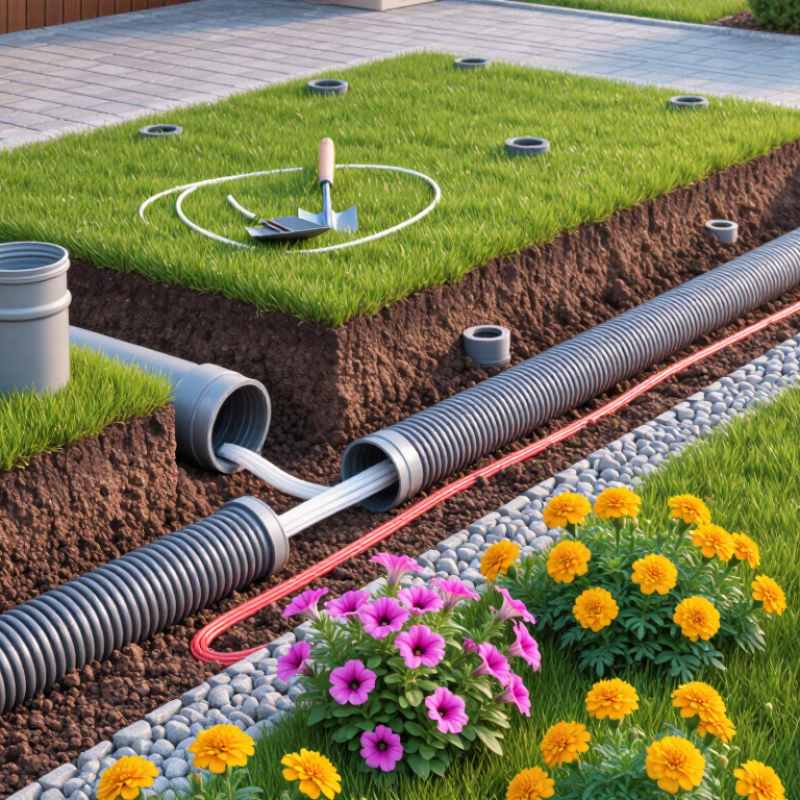
For 2026 garden lighting, the required conduit depends on voltage, burial location, and local electrical rules. Low-voltage systems may use outdoor-rated cable, but conduit is still wise beneath paths, driveways, and planting areas. Line-voltage lighting normally requires approved raceway, wet-location conductors, and GFCI protection. PVC Schedule 40 often suits underground runs, while Schedule 80 is better where physical damage is likely. Local amendments can change burial depth and conduit requirements.
The NEC 2023 underground wiring rules place conductors in wet locations, even inside conduit. Therefore, ordinary indoor wire is not acceptable outdoors. NFPA’s Electrical Fires report estimates 35,150 U.S. home fires annually involved electrical distribution and lighting equipment from 2015 to 2019. Those fires caused about 470 deaths, 1,100 injuries, and 1.3 billion dollars in property damage each year. Garden lighting is small, but poor connections still create real hazards.
A careful installer should map irrigation lines before trenching and seal conduit openings against water and insects. In many residential gardens, a 450-millimeter burial depth is used for protected low-voltage wiring, but the authority having jurisdiction must confirm it. That detail is easy to overlook. I would also leave a spare pull cord and extra cable length near each junction box. It costs little now. Reworking a buried run later is rarely pleasant.
2026 What Type of Conduit Is Required for Garden Lighting?
Garden lighting conduit must match moisture, soil movement, sunlight, and physical exposure. A dry patio needs different protection from a buried cable beside tree roots. Conditions matter more than appearance.
For direct burial, use electrical-rated PVC conduit with suitable burial depth and sealed fittings. PVC resists moisture and corrosion, but it can crack under impact or severe ground movement. Add warning tape above buried runs. In rocky soil, rigid metal conduit offers stronger mechanical protection. It needs corrosion-resistant treatment, especially near irrigation systems.
Use liquidtight flexible conduit near pumps, moving fixtures, or connections exposed to constant splashing. It bends around stone borders and reduces stress on terminals. For visible runs, metal conduit can protect wiring from gardeners, pets, and falling tools. However, dark surfaces may become hot under strong summer sunlight. Plastic conduit may be easier to install, yet exposed sections can become brittle over time.
A common mistake is selecting conduit from the fixture location alone. The cable route deserves equal attention. Check drainage, root growth, frost movement, and future digging plans. I would also question shallow installations that look neat today. They may become vulnerable after one landscaping project. Always verify conductor sizing, grounding, fittings, and burial requirements against current local electrical rules. When conditions are uncertain, have a qualified electrician inspect the route before installation.
Choosing conduit for garden lighting starts with the cable, not the fixture. Count every conductor, including future circuits, then calculate the internal fill. NFPA 70, 2023 edition, Chapter 9, Table 1 limits conduit fill to 40% when three or more conductors share a raceway. A 16 mm conduit may suit a short, simple low-voltage run, but 20 or 25 mm provides easier pulling and room for upgrades. Measure the actual cable diameter before buying.
Material matters in wet soil and direct sunlight. Rigid PVC is lightweight, corrosion-resistant, and practical for buried routes. Use a sunlight-resistant type where sections remain exposed. HDPE offers flexibility around tree roots, but its fittings and installation methods must comply with local requirements. IEC 61386-24 classifies underground conduit systems by mechanical performance, so check the marked strength rating rather than choosing by appearance. Metal conduit can provide stronger protection, although corrosion and bonding details require more attention.
Keep bends broad and limit sharp changes in direction. A pull box may be wiser than forcing cable through three tight elbows. The NEC treats underground raceways as wet locations, even when they appear sealed. Use conductors listed for wet locations, with suitable ground-fault protection and burial depth verified locally. A common mistake is selecting the smallest conduit that technically fits. It saves little money, then makes repairs frustrating. I would also leave a spare pull string; it feels unnecessary until the first upgrade.
2026 What Type of Conduit Is Required for Garden Lighting?
How to Install Conduit Safely for Outdoor Lighting
Garden lighting needs protection from moisture, soil movement, and accidental cuts. For low-voltage systems, use outdoor-rated cable approved for direct burial. Conduit adds useful protection, especially beneath paths or planting beds. For line-voltage lighting, local electrical rules may require an approved raceway. The 2023 National Electrical Code, published by NFPA, distinguishes wiring methods by location, burial depth, and physical damage risk. Schedule 40 PVC often suits underground runs. Schedule 80 is stronger where pipes emerge from soil or face impact. Metal conduit may be appropriate in exposed areas, but it needs corrosion protection.
I have found that careful routing prevents more problems than expensive fittings. Mark the cable path first. Call the local utility-marking service before digging. Keep bends broad, and use sweeping elbows instead of sharp turns. Pull a spare nylon cord through the conduit before covering it. Leave a gentle service loop near each fixture. Seal open ends against insects and standing water, but avoid trapping moisture inside the raceway. The U.S. Department of Energy reports that LED lighting can use up to 75% less energy than incandescent lighting, yet poor installation can still waste power through loose connections and voltage drop.
Tips: Bury conduit at the depth required by local code. Check every joint before backfilling. Photograph the route while visible. I once underestimated root growth; the cable path later became difficult to access. That mistake deserves more planning. Use a licensed electrician for mains-voltage work, testing, and final inspection.
Maximum raceway fill percentages for outdoor lighting conductors
Outdoor conduit is treated as a wet-location wiring method because water can enter raceways. Use conduit and conductors listed for wet locations, protect the lighting circuit with GFCI protection, and follow local electrical requirements. Under common raceway-fill rules, the maximum allowable fill is 53% for one conductor, 31% for two conductors, and 40% for three or more conductors. These limits help prevent overheating and make conductor installation safer.
Garden lighting conduit must follow the electrical rules adopted in your location. In the United States, the National Electrical Code provides the main framework. Local authorities may add stricter requirements. Check the current edition before digging.
Low-voltage garden lights often fall under NEC Article 411. Their power supply must be listed and installed according to its instructions. Line-voltage lighting follows additional rules for wiring methods, grounding, and protection. Outdoor circuits commonly require GFCI protection under NEC Article 210.8. This protection helps reduce shock risks around wet soil and irrigation systems.
Underground conduit must also meet NEC Article 300.5. Required burial depth depends on voltage, wiring method, location, and protection. A driveway crossing may need more cover than a planting bed. PVC conduit is common, but exposed sections may need stronger protection, such as Schedule 80 PVC or approved metal conduit. Use fittings rated for wet locations. Dry-rated boxes can fail surprisingly quickly outdoors.
The installation should include proper grounding and bonding where required. Inspectors also check conductor ratings, conduit fill, and weatherproof connections. Field inspections often find shallow trenches and loose fittings. Those details matter. I would not rely on a generic depth chart alone. Confirm local amendments, permit requirements, and utility locations with the authority having jurisdiction. A qualified electrician can verify the design before the first shovel enters the soil.
Use electrical-rated PVC conduit with sealed fittings for direct burial. Confirm local burial depth requirements. Add warning tape above the route.
Metal conduit suits rocky soil or exposed areas where tools, pets, or gardeners may cause impact. Apply corrosion protection near irrigation systems.
Use liquidtight flexible conduit near pumps, moving fixtures, and splash-prone connections. It bends around stone borders. It also reduces stress on terminals.
Choose sunlight-resistant conduit for exposed sections. Dark metal can become very hot in strong summer sunlight. Plastic may become brittle over time.
Start with the cable, not the light fixture. Count every conductor and measure the actual cable diameter. Leave space for easier pulling and future upgrades.
It may fit technically, but repairs can become frustrating. A slightly larger conduit often gives better pulling space. Small savings can create larger problems.
Check drainage, tree roots, frost movement, and future digging plans. A neat shallow route may fail after one landscaping project.
Use broad bends and avoid several tight elbows. A pull box may be better than forcing cable through three sharp turns. It is easy to underestimate this.
Underground conduit can collect moisture, even when sealed. Use conductors rated for wet locations and suitable ground-fault protection. Verify grounding, fittings, and burial depth locally.
Request an inspection when soil movement, moisture, cable sizing, or grounding details are uncertain. A spare pull string is wise. I sometimes forget it too late.
In 2026, choosing the right conduit for garden lighting depends on the installation environment, cable protection needs, and local electrical requirements. The key question is: what type of conduit is required for underground garden lighting? In most cases, outdoor-rated, corrosion-resistant conduit designed for burial should be selected, with stronger protection used where cables may face soil pressure, moisture, roots, or accidental digging. Flexible conduit can help with short connections and irregular layouts, while rigid conduit is often better for long, exposed, or vulnerable sections.
Correct sizing should allow the wiring to be installed without crowding, while the material must be compatible with damp or wet locations. Safe installation includes planning the route, maintaining suitable burial depth, sealing entry points, protecting joints, and avoiding damage to cables during pulling. Garden lighting circuits should also include appropriate grounding, overcurrent protection, and residual-current protection where required. Always verify local electrical codes, inspection rules, and requirements for underground wiring before beginning work.
